Start with the wastewater evidence, not the equipment label
A Marseille factory normally needs a DAF system when its wastewater contains recoverable oil and grease, suspended solids, colloids or particles that must be removed before biological treatment; a full ETP is needed when the wastewater also requires biological treatment and final polishing. DAF uses micro-bubbles, typically 10–100 microns, to lift oily and solid material for skimming. The correct choice must be based on representative wastewater testing, peak and average flow, discharge or reuse requirements, footprint and sludge handling—not on factory size alone.
Begin with a sampling plan covering normal production, cleaning cycles and peak discharge periods. Average flow alone can conceal a short, high-strength slug that determines tank equalization and skimmer capacity. Screen separately for free oil, emulsified oil, FOG, suspended solids, colloids, pH and biological load. The Quora refinery explanation, dated July 15, identifies emulsified oil, ultrafine solids and organic load as factors that affect treatment sequencing.
Record the flow profile before selecting a machine. HydropureWater’s catalogue states that its DAF systems cover 4–300 m³/h across 13 standard models; that range identifies available configurations, not the correct model for a particular factory. Use the 2026 DAF unit engineering selection framework to turn the wastewater data into a defensible duty.
| Evidence to obtain | Why it affects selection | Information required from suppliers |
|---|---|---|
| Representative samples across operating conditions | Separates stable wastewater characteristics from cleaning or production slugs | Analysis results, sampling method and proposed design cases |
| Free and emulsified oil, FOG, suspended solids and colloids | Determines the need for an interceptor, chemical conditioning and DAF | Removal mechanism, conditioning assumptions and target separation |
| Average and peak flow, including operating duration | Defines hydraulic capacity and equalization requirements | Model, design flow basis, duty cycle and installed-capacity assumptions |
| Final destination: direct discharge, municipal sewer, permitted pretreatment or reuse | Sets the required treatment level and evidence needed for approval | Stated treatment objective, applicable basis and unresolved permit conditions |
| Footprint, power, operators and sludge route | Excludes equipment that cannot be installed or operated at the site | Layout, utilities, access, sludge handling, commissioning and training scope |
Define the final destination before comparing quotations. A municipal sewer connection, a direct-discharge route and internal water reuse impose different treatment objectives. The 2003 Water Recycling source supports considering reuse alongside treatment and membrane processes, but it does not establish a current Marseille compliance determination. Before asking for equipment, record the available footprint, electrical supply, operator capability, maintenance access and the permitted route for recovered oil and DAF skimmings.
Choose between DAF, a full ETP or a hybrid process train
DAF is a physico-chemical separation unit, while a full ETP is a treatment train whose biological and final-treatment stages must also satisfy the discharge or reuse objective.
| Selection | Use it when | Core scope | Critical limitation |
|---|---|---|---|
| Stand-alone DAF | The duty is physical or physico-chemical removal of suspended solids, FOG, oil and grease, or colloidal matter | Collection, equalization where necessary, conditioning, flotation, skimming and sludge handling | It does not establish biological treatment or final-polishing performance |
| Full ETP | Primary treatment, aerobic or anaerobic biological treatment, and tertiary or final polishing are required | Physical and chemical pretreatment, biological treatment, polishing and sludge management | Each stage must be sized from the wastewater and final-use specification |
| Hybrid train | DAF must protect downstream biological treatment from emulsified oil and fine solids | Physical separation and DAF before biological treatment, followed by required polishing | Intermediate-water and final-effluent objectives must be stated separately |
Choose DAF as the primary unit when the target is removal of suspended solids, FOG, oil and grease, or colloidal material. The mechanism is specific: clarified effluent is pressurized and aerated, then returned to the flotation tank. Pressure reduction releases micro-bubbles that attach to particles and oil droplets, carry them upward and form a skimmable layer. The Quora refinery explanation, dated July 15, describes bubbles commonly measuring 10–100 microns and describes DAF as a protective barrier between physical separation and biological polishing.
Choose a full ETP when biological treatment and final polishing are part of the duty. Quora’s July 15 process description separates ETP treatment into primary physical and chemical treatment, secondary aerobic or anaerobic biological treatment, and tertiary treatment before final release. An industrial DAF system can form the primary-treatment section, but a DAF quotation is not a complete ETP quotation.
Choose a hybrid train when emulsified oil and fine solids would impair biological treatment, or when polishing is needed to protect a downstream membrane or reuse process. A membrane-bioreactor treatment system is relevant only if the required biological and membrane duties are demonstrated by the wastewater data; it is not a substitute for process selection.
Do not treat DAF skimmings as solved by the flotation tank. Include skimmer collection, sludge holding, conditioning, transfer, dewatering, controlled discharge and maintenance access in the project scope. Add biological treatment, filtration, membranes, adsorption or advanced oxidation only where the analysis and final-use specification demonstrate the need.
Match the DAF process to the factory sector and contaminant profile
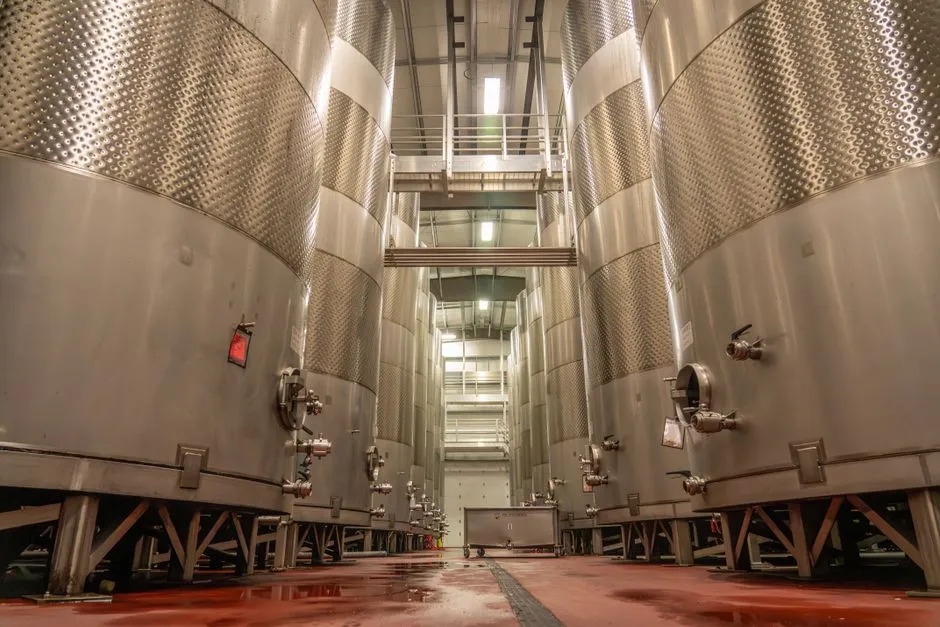
DAF application fit depends on the contaminant and process conditions, not merely on the factory’s industrial label.
The supplied DAF catalogue identifies food processing, pulp and paper, textile, metalworking, petrochemical and municipal pretreatment as suitable application sectors. These sectors generate different combinations of free oil, emulsified oil, FOG, fibres, colloids, colourants, metals and wash water, so application descriptions cannot substitute for wastewater analysis.
| Wastewater feature | DAF-related engineering response | Evidence to request |
|---|---|---|
| High free-oil or FOG content | Consider upstream separation where required, then DAF recovery and skimming | Oil characterization, FOG interceptor duty, skimmer arrangement and recovered-material route |
| Emulsified oil and fine solids | Destabilize or flocculate the stream before flotation | Jar tests, chemical type, dose, contact conditions and separation objective |
| Colloid-heavy wastewater | Verify conditioning, bubble contact and sludge withdrawal | Particle-size data, flotation performance basis and mass balance |
| Fibrous residuals | Remove or manage fibres upstream so they do not obstruct the flotation equipment | Screen type, solids capacity, extracted-residual destination and access routes |
| Internal water reuse | Use DAF as pretreatment where solids, oil or colloids could compromise downstream processes | Intermediate-water specification and downstream process acceptance criteria |
For oily or FOG-rich streams, focus on what leaves the DAF. Define whether recovered oil is collected, separated further, reused or disposed of, and whether the skimmer discharge can reach the available sludge system. DAF is not, by itself, a complete biological ETP.
For colloid-heavy or fine-solids streams, require the supplier to explain how coagulant or flocculant conditioning, bubble contact and sludge withdrawal support the stated separation objective. A PLC-controlled chemical dosing system should be specified around a defined chemical duty, not included as an unverified accessory.
For fibrous residuals, include suitable upstream screening or solids handling. The rotary mechanical bar screen represents one possible pretreatment step, but its selection requires a waste-characterisation and fibrous-loading basis. Where reuse is required, treat DAF as a pretreatment barrier: the 2026 DAF unit engineering selection framework should connect the DAF outlet to the next process rather than stop at “DAF treated.”
Build a process train that includes sludge and polishing
A complete wastewater proposal must connect collection to final treatment and show where the recovered solids go.
- Collection and screening.
- Equalization where the hydraulic or pollutant profile requires it.
- Physical separation, including FOG interception where applicable.
- DAF and chemical conditioning where the wastewater duty supports them.
- Biological treatment where required.
- Final polishing and disinfection where required by the verified effluent specification.
- Sludge collection, conditioning, transfer, dewatering and disposal or reuse.
Map that sequence on the process flow diagram and state the objective at every discharge point. Quora’s July 15 explanation identifies primary physical and chemical treatment, secondary aerobic or anaerobic biological treatment, and tertiary treatment as the ETP levels. The plate-and-frame filter press may be evaluated where the solids characteristics justify it. HydropureWater’s catalogue states that its filter presses cover 1–500 m² of filtration area and offer manual, hydraulic or fully automatic PLC-controlled operation.
Give sludge handling equal attention to the water line. The Dynemix Instagram post dated August 27 specifically identifies dewatered and sticky sludge, fibrous residuals, enclosed transfer, controlled feeding and discharge, and ease of maintenance. Ask the supplier to identify how skimmings travel from the DAF to storage, how they are conditioned, whether a filter press is suitable, and where the final residue is delivered.
Where the effluent specification requires membrane separation, distinguish the barriers. A UF water treatment system is a solids-removal barrier. HydropureWater’s catalogue states that its UF systems use 0.03-micron PVDF membranes, accept influent turbidity up to 300 ppm, and provide automatic backwash and air scour. A biological or membrane-bioreactor stage serves a different function; the wastewater analysis must show whether both are required.
Keep reuse, disinfection and zero-discharge claims conditional. The chlorine dioxide generator may be relevant to a defined disinfection duty, but the presence of a DAF does not prove the final water is suitable for reuse or direct discharge. The buyer should obtain the verified effluent specification and the relevant authority’s acceptance before including those claims in the quotation.
Specify equipment and supplier requirements before requesting a Marseille quotation
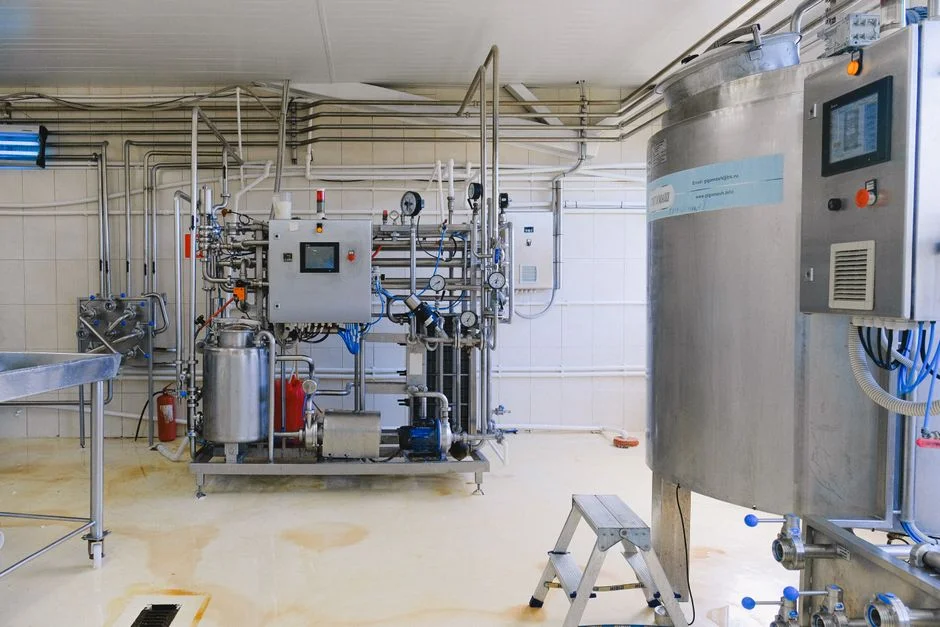
A comparable quotation must expose the supplier’s design assumptions, performance basis and project boundaries.
Require the supplier to state the design flow basis, operating duty cycle, wastewater characteristics, process assumptions, treatment objective and exclusions. Ask for the proposed DAF model, available capacity, wetted materials, controls, skimming arrangement, recycle-pump duty, air supply and installation requirements. A nominal flow figure alone does not demonstrate that the equipment can treat the factory’s actual peak or contaminant load.
| RFQ subject | Information the buyer should require | Why it matters |
|---|---|---|
| Design basis | Average and peak flow, operating duration, influent analysis and process assumptions | Prevents model selection from being based on an unrepresentative average |
| DAF performance | Separation objective, conditioning basis and 10–100 micron bubble-generation method | Links equipment operation to the specified wastewater duty |
| Utilities and installation | Pressure, recycle flow, air supply, power, layout, foundations and access | Reveals whether the system can operate at the Marseille site |
| Automation and support | Controls philosophy, alarms, commissioning, training, maintenance and local responsibilities | Defines operability and the supplier’s delivery commitment |
| Sludge route | Skimmer collection through transfer, conditioning, dewatering and final destination | Prevents a flotation unit from creating an unresolved solids stream |
| Performance obligation | Guarantee tied to stated influent conditions and a defined outlet objective | Prevents a guarantee based only on nominal flow |
Ask specifically how the proposed micro-bubble flotation approach will be generated and controlled, including pressure, recycle flow and air-supply assumptions. If the DAF model is uncertain, use the DAF pressure flotation troubleshooting guide to identify which operating parameters and instrumentation the supplier must document.
Request hydraulic drawings, equipment layouts, electrical requirements, commissioning tasks, operator training, maintenance provisions and local support responsibilities. For a temporary or urgent duty, the DAF emergency overload article may help structure operational questions, but it should not replace site-specific design data.
For sludge, request the complete route from skimmer collection through conveyance, conditioning and final disposal or reuse, particularly where residuals are sticky or fibrous. Do not approve a performance guarantee based only on nominal flow: tie it to stated influent conditions and a defined effluent or intermediate-water objective.
Frequently Asked Questions
How much should I budget for an industrial ETP or DAF system in Marseille?
No defensible price can be given without representative wastewater analysis, average and peak flow, the required treatment objective, footprint, utilities and sludge route. Request a capital-cost breakdown covering equipment, tanks, chemical dosing, controls, civil works, installation, commissioning, training and sludge handling, plus a separate list of operating costs. Also ask for exclusions and the design assumptions behind each price.
Which DAF capacity should I select for a Marseille factory?
Do not select from the catalogue range alone. HydropureWater’s catalogue states that DAF systems cover 4–300 m³/h across 13 models, but model selection should follow representative wastewater testing, peak-flow analysis, contaminant loading and treatment objectives. Provide suppliers with the same data package and require each to state its design flow basis, duty cycle and proposed capacity.
How should I compare DAF and full-ETP suppliers?
Compare them on the same project boundary. Request process-flow and hydraulic drawings, wastewater design basis, model capacity, controls documentation, equipment references, installation and commissioning responsibilities, operator training, local support and a performance guarantee tied to defined influent and outlet conditions. Check whether biological treatment, polishing and sludge handling are included or merely listed as exclusions.
What compliance risk remains before selecting equipment for Marseille?
Confirm the applicable discharge, municipal sewer, pretreatment or reuse requirements with the relevant authority and obtain the current site-specific constraints. The supplied research does not establish a particular Marseille limit, so a supplier’s generic “compliant” statement is insufficient. Tie the treatment proposal and performance guarantee to the confirmed destination, applicable requirements and the agreed analysis basis.