

Why Calgary Factories Need a Profile-First ETP and DAF Design
Western Canadian environmental contractors treat characterization as a precondition for equipment selection, not a sales follow-up. KBL Environmental's published operating model for Northern and Western Canada, for example, requires detailed soil profiling, chemical analysis, and a technical review before any treatment approach is committed, a discipline that applies equally to industrial wastewater design (KBL Environmental, Facebook post, 2025-08-07). A Calgary factory that skips this step is buying a generic skid against a regulator's specific expectations and will absorb the cost of redesign when the discharge characterization finally arrives.
Calgary's industrial mix is the reason this matters. Food processing plants push fats, oils, and grease (FOG) with high total suspended solids (TSS). Light manufacturing facilities generate process washwater with metals, surfactants, and variable pH. Upstream oil and gas support services — equipment cleaning, tank rinses, desalting residuals — create emulsified oil streams that resist gravity separation. Each stream needs a profile-driven train where DAF is sized against the actual influent, not a brochure curve.
The binding compliance anchor is the Alberta Environment Code of Practice for industrial wastewater discharge. The Code requires documented discharge characterization as part of the design record, meaning a defensible ETP/DAF specification is the difference between an approval pathway and a redesign notice. Inside that frame, the DAF's job is to convert an unstable influent — emulsified oil, FOG, fine TSS — into a feed the downstream biological stage can survive.
Where a DAF Fits in a Calgary Industrial ETP Train
The standard ETP follows a three-tier structure: primary treatment, secondary treatment, and tertiary polishing. Primary covers screening, grit removal, pH control, and flocculation/coagulation. Secondary is biological — aerobic or anaerobic reactors where bacteria consume dissolved organics. Tertiary applies chlorine, alum, or equivalent polishing plus disinfection before the clarified stream is discharged or reused (Quora, ETP mechanism answer, 2019; Quora, DAF in refinery ETP answer, 2025-07-15).
DAF is a physico-chemical clarifier. A portion of clarified effluent is pressurized and saturated with air in a dedicated drum, then released at atmospheric pressure into the main flotation tank. The rapid pressure drop creates millions of micro-bubbles, usually between 10 and 100 microns in diameter, that attach to suspended solids and oil droplets, reducing their effective specific gravity and floating them to the surface where a mechanical skimmer removes the froth (Quora, OpenBlueprint answer, 2025-07-15).
The protective function is the key argument for placing DAF upstream of biology. Tight oil-in-water emulsions from crude desalting or catalytic residuals, and emulsified food-processing streams, will pass directly into biological reactors if not removed. Once there, the emulsified oil coats the bacterial colony in a film that blocks oxygen transfer and collapses the secondary stage. DAF is the protective barrier that lets biological polishing do its job without suffocating.
For Calgary, the placement logic sharpens in winter. Cold influent increases viscosity and slows gravity settling, so a passive primary clarifier loses performance exactly when the factory still has to discharge. A DAF's forced micro-bubble flotation is a winter-resilient primary-to-secondary interface compared with gravity settling, and the difference shows up in clarifier overflow quality and biological stability from November through March.
Sizing a DAF for a Calgary Factory: Parameters and Capacity Bands
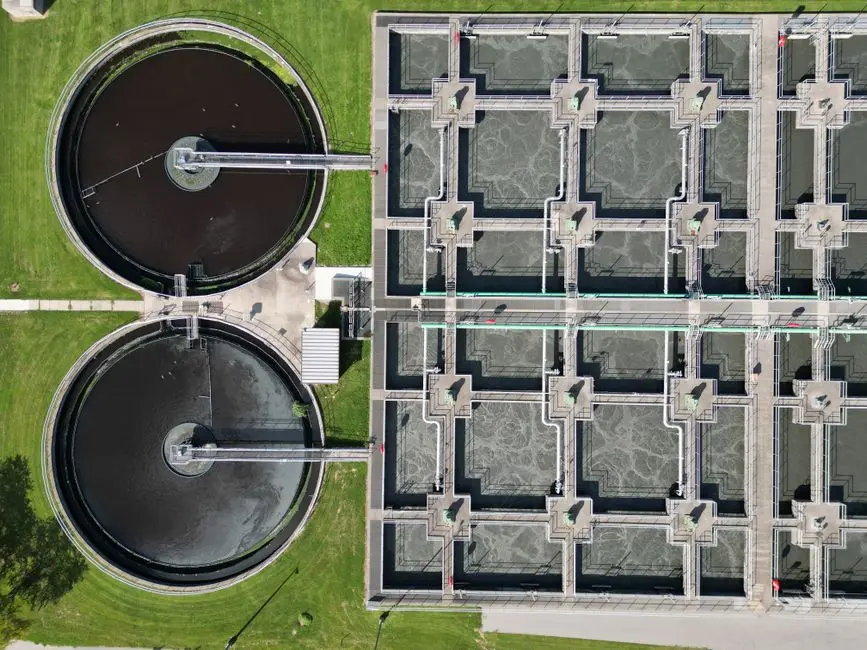
Defensible DAF sizing for a Calgary site is built on a fixed parameter list, not a single headline flow number. The table below shows the parameters a vendor must confirm against your influent; numeric ranges belong to the vendor's proposal once jar tests and pilot data are run on your stream.
| Parameter | What the Calgary buyer must supply / confirm |
|---|---|
| Flow range | Anchor band: 4–300 m³/h across 13 standard DAF models, covering small Calgary food plants up to mid-scale industrial facilities (HydropureWater DAF system, product page). |
| Hydraulic loading | Confirm against peak hourly flow and diurnal profile; vendor to derive. |
| Hydraulic retention time (HRT) | Confirm against target oil & grease and TSS removal; vendor to derive. |
| Air-to-solids ratio (A/S) | Confirm against jar-test response curve on the actual influent. |
| Saturator pressure | Confirm against required A/S and winter viscosity envelope. |
| Polymer / coagulant pairing | Vendor to recommend based on jar tests on site wastewater. |
| Skimmer surface loading | Confirm against skimmings volume expected at the design flow. |
| Applicable duty | Same DAF family is referenced for food processing, pulp & paper, textile, metalworking, petrochemical, and municipal pre-treatment (HydropureWater DAF system, product page). |
The inputs a Calgary site must hand the vendor before any number is locked: peak hourly flow, diurnal profile, winter-low temperature envelope, oil & grease loading, TSS, pH range, and any seasonal upset events (clean-in-place releases, batch discharges, slug loads). A proposal that arrives without these is a catalogue mistake, not an engineering document. The published HydropureWater DAF system range is a useful bracket to start the conversation, but it does not replace site-specific sizing.
Calgary and Alberta Compliance: Code of Practice, Discharge, and Winter Operations
The Alberta Environment Code of Practice is the governing frame for industrial wastewater discharge in the province, and it requires documented characterization and monitoring as part of the design record. A defensible DAF specification is therefore design evidence, not just an equipment brand — the regulator will look at the characterization, the monitoring plan, and the operating record, not the skid nameplate.
Calgary winters force specific physical design choices. DAF saturators, air lines, and skimmed sludge hoppers must be covered or located indoors; saturation efficiency drops if the recycle stream approaches freezing, and skimmed sludge hardens inside hoppers and bridges conveyors. Treat winterization as a primary design input, not a footnote in the O&M manual, and require vendors to specify their cold-climate package in the proposal.
The DAF is also an audit-defensible control point. Skimmings volume, clarified effluent flow, and polymer dose are all measurable, giving operations a documented control point that the regulator can audit against the Code. The reader should confirm current numeric discharge limits directly with Alberta Environment before any specification is signed off; the research supplied here does not contain those limits, and they are subject to revision.
CAPEX, OPEX, and Supplier Decision Framework for Calgary
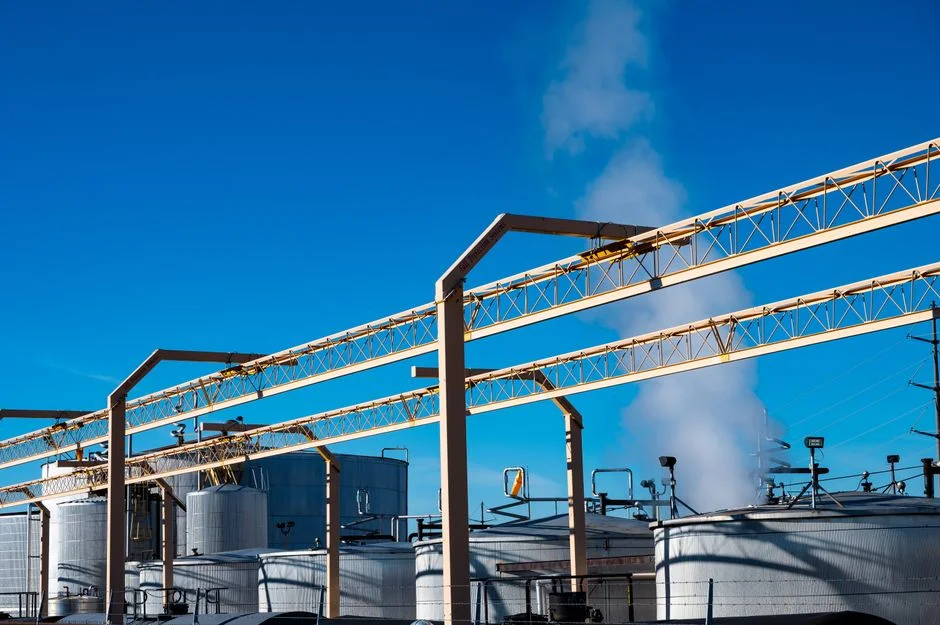
A defensible Calgary procurement package breaks total cost of ownership into a fixed line-item list rather than a single sticker price. The framework below shows the categories; the values are ranges-to-confirm with the vendor because no Alberta- or capacity-specific quotation is present in the supplied research.
| Cost category | What to include in the RFQ |
|---|---|
| Equipment cost | DAF skid, saturator, recycle pump, skimmer drive, controls panel. |
| Civil / structural work | Foundations, containment, indoor or enclosed housing for winterization. |
| Chemical dosing skid | Coagulant and polymer dosing, matched to jar-test chemistry. |
| Controls & instrumentation | Flow, pH, TSS, and saturation pressure instrumentation; SCADA tie-in. |
| Installation & commissioning | Vendor-led commissioning with site-acceptance test on real influent. |
| Annual O&M | Polymer, coagulant, power, spare parts, and service visits. |
Use the 2026 ETP cost breakdown and the DAF unit engineering spec and cost framework to benchmark vendor proposals against the published engineering line items. A supplier shortlist should require: documented Calgary or Alberta project references, hydraulic proof test data, polymer optimization support on the actual influent, a documented winterization package, and a post-commissioning service level with response time.
The single Calgary-specific discriminator is a pilot or jar test on the factory's actual wastewater before purchase. Vendors who refuse to run a jar test on your stream are quoting against a brochure, not your compliance risk. Cross-reference the proposal against a factory-level ETP and DAF engineering guide to confirm the DAF unit itself, the chemical dosing skid, and downstream sludge dewatering are all integrated into one control narrative rather than three disconnected skids.
Frequently Asked Questions
How do I size a DAF for a Calgary food or oil & gas support facility?
Start with a full influent characterization: peak hourly flow, diurnal profile, winter-low temperature, oil & grease, TSS, pH, and any seasonal upset events. Hand that data set to a vendor that will run a jar test on your actual stream before quoting, and require a pilot run if peak flow is above the vendor's standard model band. The published 4–300 m³/h DAF range is a bracket, not a sizing output.
What does a Calgary industrial ETP with DAF actually cost in 2026?
Cost is driven by capacity, civil work, winterization, and chemistry, and no Alberta-specific quotation is present in the supplied research. Use the 2026 ETP cost breakdown as the line-item checklist and request a vendor proposal with itemized equipment, civil, dosing, controls, installation, commissioning, and annual O&M. Reject any quote that returns a single headline number without those line items.
How does the Alberta Environment Code of Practice shape DAF design?
The Code requires documented discharge characterization and monitoring as part of the design record, which makes the DAF an audit-defensible control point with measurable skimmings and clarified effluent. Confirm current numeric discharge limits directly with Alberta Environment before any specification is signed off, because the research supplied here does not contain those limits and they are subject to revision.
What winterization features should a Calgary DAF proposal include?
Require covered or indoor siting of the saturator, air lines, and skimmed sludge hoppers; heat-traced recycle lines; and a documented cold-climate operating envelope including the winter-low influent temperature the unit is rated for. Treat winterization as a primary design input, and ask the vendor to demonstrate saturation efficiency at your site-low temperature rather than at 20 °C.
Related Equipment
- HydropureWater automatic chemical dosing skid — specifications, capacity range, and technical data
- HydropureWater plate and frame filter press — specifications, capacity range, and technical data