

Why a Brasília factory needs a tailored ETP and DAF design
A factory ETP in the Federal District cannot be specified as if it were sitting at sea level. Brasília's roughly 1,172 m elevation lowers the partial pressure of oxygen available to both aeration blowers and downstream biology, which forces a re-think of diffuser sizing, blower curves and DAF saturator back-pressure. The city also runs a tropical savanna climate with a sharply defined dry winter and a wet summer, and that seasonality turns into hydraulic and pollutant load swings on the inlet works.
Every industrial ETP in the Federal District has to align with Brazil's CONAMA Resolution 430/2011 as the federal benchmark for effluent discharge, with state and concessionaire overlays (including CAESB rules for any sewer-discharge path) layered on top. Generic DAF mechanism articles do not cover any of these three local constraints, which is why a Brasília-specific buying guide is needed before a vendor shortlist is even built.
Where DAF sits inside an industrial ETP train
An industrial ETP is conventionally organized into three treatment levels: primary, where physical screening, settling, pH adjustment and flocculation remove settleable solids; secondary, where aerobic or anaerobic biology consumes dissolved organics; and tertiary, where chlorine, alum or UV steps deliver final polishing before discharge (S1, Ishanee Sharma, Quora). Dissolved air flotation is the physico-chemical process that sits at the boundary between primary and secondary treatment, using very small air bubbles to attach to solid particles and give them a high rate of ascent, separating solids from the liquid phase (S1, Roughman, Quora). In a refinery-style ETP, the chain reads API oil-water separator first (gravity removal of free oil and heavy sediment), then DAF as the secondary clarifier that lifts the tight oil-in-water emulsions and ultrafine solids that gravity separation leaves behind, and only then the biological reactors (S1, OpenBlueprint, Quora). The reason DAF cannot be skipped is biological: if significant emulsified oil passes unprotected into the biology, the oil coats the biomass in a suffocating film that prevents oxygen transfer and destroys the microbial colony (S1, OpenBlueprint, Quora). After the flotation cell, a mechanical skimmer scrapes the floated sludge into a holding tank, while clarified effluent exits below an overflow weir for downstream polishing (S1, OpenBlueprint, Quora).
How a DAF unit actually works (mechanism the spec sheet assumes you know)
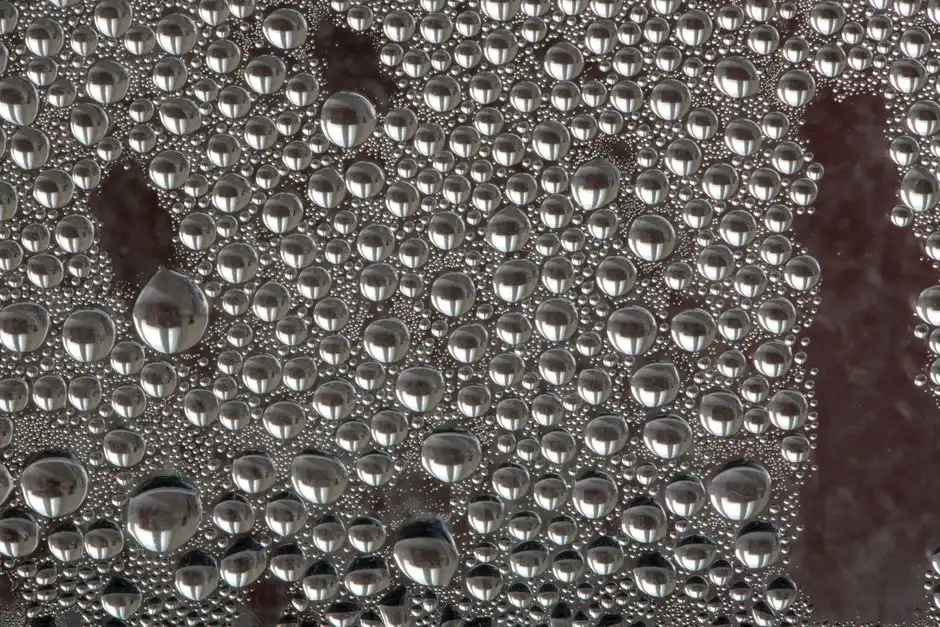
The DAF mechanism is consistent across vendors, making it essential to verify before reading quotations. A side-stream of clarified effluent is pressurized and saturated with air inside a dedicated drum; this supersaturated liquid is then re-injected into the main flotation tank where the raw wastewater enters (S1, OpenBlueprint, Quora). As that stream re-enters at atmospheric pressure, the pressure drop releases the dissolved air as millions of microscopic bubbles, typically 10 to 100 microns in diameter, which attach to suspended solids and tiny oil droplets and float them rapidly to the surface (S1, OpenBlueprint, Quora; S2, Alantech, 2025). Air dissolution is normally run at 3 to 5 bar in industrial saturators, and the same pressure-release step is what generates the bubble cloud inside the flotation cell (S2, Alantech, 2025). The floated layer is continuously scraped off by a mechanical skimmer, and the clarified effluent leaves from below an overflow weir, ready for biological or tertiary polishing (S1, OpenBlueprint, Quora; S2, Alantech, 2025). For an engineer evaluating a vendor's industrial DAF system for suspended solids, FOG and oil removal, every one of those numbers is a checkable line item, not marketing copy.
Matching DAF and ETP configuration to a Brasília factory's industry
Industry sector drives where DAF belongs in the train and what chemistry must be paired with it. Food and beverage plants in central Brazil typically carry high FOG and suspended solids loads, so a DAF upstream of the biological stage both protects the biomass and produces a skimmable FOG layer that can be sent for rendering or disposal. Pulp, paper and textile operations around the Federal District generate fine fibers, dyes and colloidal matter, and DAF is normally paired with chemical flocculation so that these colloids can be lifted before reaching aerobic or anaerobic biology. Petrochemical and refinery-style sites rely on an API oil-water separator as the first physical step, with DAF installed between the API separator and biological reactors specifically to capture emulsified oil and ultrafine solids (S1, OpenBlueprint, Quora). Metalworking and surface-finishing plants need pH adjustment and coagulant dosing ahead of DAF so that precipitated metal hydroxides and emulsified oils float together rather than pass through. The final placement question, whether the train is a single DAF polish, a DAF + biological ETP, or a DAF + MBR combination, depends on whether the factory targets sewer discharge, surface-water discharge under CONAMA 430, or process-water reuse.
| Industry | Dominant load | DAF placement | Chemistry usually paired with DAF |
|---|---|---|---|
| Food & beverage | High FOG, suspended solids | Upstream of biological stage | Coagulant + flocculant for FOG agglomeration |
| Pulp, paper & textile | Fibers, dyes, colloids | Upstream of biological stage | Flocculant for colloidal lift |
| Petrochemical / refinery | Emulsified oil, ultrafine solids | After API separator, before biology | Coagulant to destabilize emulsions (S1) |
| Metalworking / surface finishing | Metal hydroxides, oils, pH extremes | After pH adjustment | pH correction + coagulant for hydroxide precipitation |
DAF vs clarifier vs biological-only ETP: which does a Brasília factory actually need?
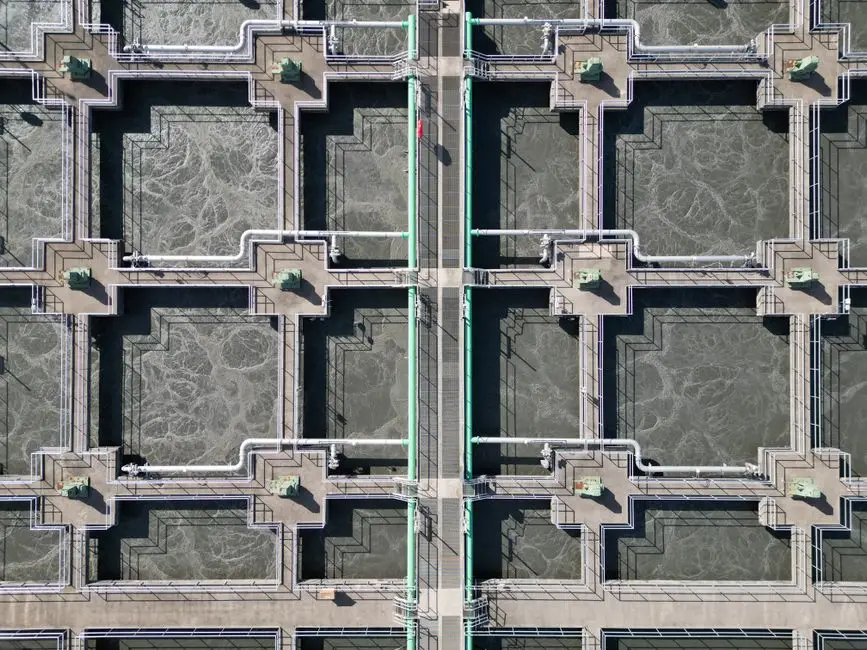
The choice is rarely DAF or biology, but a buyer must defend the configuration to management, regulators and the EPC contractor. A conventional gravity clarifier is the cheapest and simplest option, but it cannot reliably remove emulsified oil or colloidal particles, which is precisely the fraction that a DAF is designed to lift (S1, OpenBlueprint, Quora; S2, Alantech, 2025). A biological-only ETP is vulnerable to shock loads of FOG, suspended solids, or pH swings, and DAF placed ahead of the biology acts as a load-equalizer that keeps biomass healthy and stable (S1, OpenBlueprint, Quora). For a Brasília factory discharging to a receiving water body under CONAMA 430, a DAF + biological train typically offers the best balance of capital cost, operating cost and compliance margin. For a factory that wants to reuse process water, a DAF followed by MBR or UF polishing produces a more stable membrane feed than raw wastewater, which lowers fouling rates on the downstream membranes. The supporting comparison is summarized in the table below, and the wider decision logic is worked through in the best DAF unit for industrial wastewater in 2026 framework article.
| Option | Strength | Weakness | Typical role in a Brasília ETP |
|---|---|---|---|
| Gravity clarifier only | Lowest CAPEX, simple operation | Cannot remove emulsified oil or colloids (S1, S2) | Pre-settle only, downstream of coarse screening |
| Biological-only ETP | Strong on dissolved organics | Shock-sensitive to FOG and pH swings (S1) | Rarely stand-alone in industrial service |
| DAF + biological ETP | Protects biomass, lifts FOG and colloids | Higher CAPEX than clarifier | Default train for CONAMA 430 surface-water discharge |
| DAF + MBR / UF | Stable membrane feed, reuse-quality effluent | Highest CAPEX and OPEX | Process-water reuse or tightest discharge limits |
Sizing a DAF for a Brasília factory: the parameters to lock in first
Hydraulic capacity must be set against the peak wet-season flow, not the annual average, because under-sizing the DAF is the single most common cause of float-layer carryover in seasonal tropical catchments. Micro-bubble size in the 10 to 100 micron band is the standard industrial range (S1, OpenBlueprint, Quora), and the vendor should confirm the actual bubble size distribution at the quoted recycle rate rather than providing a generic efficiency claim. Saturator pressure in the 3 to 5 bar window is the typical industrial operating point (S2, Alantech, 2025), and lower pressure reduces air dissolution and weakens bubble generation. The recycle ratio, expressed as the pressurized side-stream as a percentage of throughput, drives removal efficiency for FOG and suspended solids, and the engineer should request a curve rather than a single percentage. Flotation tank surface loading rate, skimmer speed and sludge scraper torque are mechanical parameters that must be matched to the expected float volume, otherwise the surface sludge layer re-mixes back into the clarified water. For high-FOG applications, a flocculation chamber upstream of the flotation tank can enhance the formation of larger flocs and improve overall removal (S2, Alantech, 2025). The condensed parameter checklist is in the table below, and the full DAF system specification should be requested with each of those points filled in.
| Parameter | Target band | Why it matters |
|---|---|---|
| Hydraulic capacity | Peak wet-season flow, not annual average | Prevents float-layer carryover in seasonal catchments |
| Micro-bubble size | 10 to 100 microns (S1, OpenBlueprint, Quora) | Defines attachment efficiency to FOG and colloids |
| Saturator pressure | 3 to 5 bar (S2, Alantech, 2025) | Drives air dissolution and bubble generation |
| Recycle ratio | Vendor curve, not a single percentage | Direct lever on FOG and suspended solids removal |
| Surface loading rate, skimmer speed, scraper torque | Matched to expected float volume | Prevents re-mixing of floated sludge into clarified water |
2026 supplier and equipment checklist for a Brasília factory
Translating a parameter list into a defensible purchase order requires a 2026-specific procurement checklist. First, confirm the DAF skid is offered across a hydraulic range wide enough to cover pilot, current and future flows without forcing a vendor change later. Second, request a documented micro-bubble size distribution at the quoted saturator pressure, anchored to the 10 to 100 micron / 3 to 5 bar mechanism (S1, OpenBlueprint, Quora; S2, Alantech, 2025). Third, ask for evidence of proven operation in food, pulp and paper, textile, metalworking, petrochemical or municipal pre-treatment, i.e. the sectors that overlap with the dominant Brasília-area industrial mix. Fourth, plan downstream sludge handling from day one: a DAF is only as effective as the dewatering stage that follows the skimmate, so a plate and frame filter press for DAF skimmate dewatering should be spec'd into the same procurement package, along with an automatic chemical dosing system sized to the actual coagulant and flocculant demand. Fifth, verify import, electrical and instrumentation compliance for Brazil, including NBR standards and INMETRO requirements for control panels, and confirm the supplier can ship with Portuguese-language HMI and documentation.
Frequently Asked Questions
What size DAF unit does a factory in Brasília need for a given flow?
Size the unit to the peak wet-season hydraulic flow rather than the annual average, because Brasília's dry-winter / wet-summer seasonality produces large load swings that drive float-layer carryover in undersized tanks. The vendor must provide a recycle-ratio curve and a saturator pressure in the 3 to 5 bar range (S2, Alantech, 2025).
Does a Brasília factory ETP need CONAMA 430 compliance for surface-water discharge?
Yes. CONAMA Resolution 430/2011 is the federal benchmark for effluent discharge in Brazil, and any Federal District factory discharging to a receiving water body must align to it, with state and CAESB overlays potentially adding further constraints. A buyer should request the current local permit text from the environmental authority before locking the design.
Can a DAF be retrofitted into an existing ETP, or is a new biological stage required?
DAF is normally installed between primary physical separation and the biological stage, so it slots into most existing trains as long as hydraulic capacity and sk