
Why plastics and rubber wastewater is a special case for solids separation
Plastics compounding, extrusion, and molding wash-water plus rubber mixing streams are dual-phase streams. A typical batch carries a buoyant fraction of latex residue, plasticizer carryover, release agents, and low-specific-gravity finish oils sitting on top of a settleable fraction of heavy polymer pellet fines, compounding dust, and molding flash. A separator that ignores either fraction will let one of them pass straight through to the receiving POTW.
Clearwater Industries notes that DAF systems are ideal for wastewater with oils, greases, and impurities that float or have a low specific gravity, which matches the latex/oil fraction directly (Clearwater Industries, 2026-04-27). Conventional lamella and gravity clarifiers, by contrast, target suspended solids that settle under inclined plates or quiescent conditions — a better match for the heavy fines. Because most polymer and latex lines produce both fractions simultaneously, the same Clearwater guidance confirms that most DAF designs include a sediment compartment with a sludge extraction system, so the unit functions as a partial clarifier in parallel with its flotation duty (Clearwater Industries, 2026-04-27). For a Shelton-area plant sizing a 2026 capex line, that dual-zone logic is the single most important framing point: the question is rarely "DAF or clarifier" in the abstract, but "which primary unit, with what secondary polishing, on what stream split." HydropureWater DAF systems for polymer and latex streams are designed around this exact dual-fraction reality.
How a DAF clarifier actually separates polymer wastewater
DAF is a pressurized micro-bubble flotation process. A sidestream of clarified water is pumped through a saturation vessel where compressed air is dissolved under pressure; when that stream is depressurized at the inlet of the flotation tank, 30–50 micron micro-bubbles nucleate out of solution and attach to flocculated particles (Clearwater Industries, 2026-04-27). The bubble-particle agglomerates are buoyant enough to rise, and a paddle skimmer scrapes the resulting sludge blanket into a collection trough. Heavier particles that do not attach effectively settle into a bottom collection zone and are removed by auger or hopper, which is why Clearwater states that DAF systems are ideal for streams containing solids that both float and settle (Clearwater Industries, 2026-04-27). Two operational points matter for a plastics or rubber plant engineer. First, the unit must be filled with clean water at start-up because the recirculation pump and air saturation system require a particle-free feed; filling with wastewater delays clarification and risks pump damage (Clearwater Industries, 2026-04-27). Second, coagulation, pH adjustment, and polymer flocculation must be dosed upstream — through serpentine floc tubes providing 15–45 seconds of flash mix, or through impeller mix tanks for longer contact time — and jar testing is required to fix the actual mixing time and dose rate (Clearwater Industries, 2026-04-27). Skid-mounting this conditioning step alongside the DAF is standard practice, and an HydropureWater automatic chemical dosing skid integrated with the DAF keeps the floc chemistry stable as the upstream polymer line ramps or changes recipe.
How a lamella or gravity clarifier handles the same stream
A lamella clarifier replaces the large quiescent zone of a conventional clarifier with a pack of inclined plates. The effective settling distance becomes the perpendicular distance between plates rather than the full tank depth, which raises the allowable surface loading rate and shrinks the footprint. HydropureWater's high-efficiency sedimentation tank is rated for surface loading of 20–40 m/h and is documented to reduce coagulant and flocculant consumption by up to 30% compared with conventional clarifiers (HydropureWater catalog). That chemical economy is real on a polymer or latex line where polymer dose is one of the larger operating cost line items. The lamella geometry is best suited to streams dominated by settleable polymer pellet fines and compounding dust rather than buoyant latex, plasticizer oils, or release agents, which do not settle within the plate residence time. Upstream chemical conditioning is still required; jar testing of coagulant, pH adjuster, and flocculant must precede plate-pack geometry selection. The structural limitation matters: a lamella clarifier alone does not actively remove low-specific-gravity oils, latex residues, or slip agents, and that gap is precisely what a DAF or a DAF polish step closes. For plants whose stream is fines-dominant, a HydropureWater lamella clarifier for heavy polymer fines is the correct primary unit, with DAF considered as a downstream polish if the line also generates buoyant carryover.
DAF vs clarifier: head-to-head comparison for plastics and rubber plants
The table below compares both technologies for a plastics or rubber plant. Mechanism, stream fit, hydraulic envelope, chemical demand, and downstream sludge handling are the five parameters a Shelton EHS or process engineer should benchmark against the actual stream.
| Parameter | Dissolved Air Flotation (DAF) | Lamella / Gravity Clarifier |
|---|---|---|
| Separation mechanism | 30–50 µm micro-bubbles attach to flocculated particles and lift them; bottom auger removes heavier settleables (Clearwater Industries, 2026-04-27) | Inclined plates or quiescent settling; particles fall to sludge hopper under gravity |
| Best-fit plastics/rubber stream | Buoyant latex, plasticizer oils, release agents, FOG, low-specific-gravity finishes (Clearwater Industries, 2026-04-27) | Heavy polymer pellet fines, compounding dust, molding flash, calcium-based filler wash-out |
| Surface loading / footprint | Hydraulic retention-time driven; HydropureWater DAF models span 4–300 m³/h across 13 standard sizes (HydropureWater catalog) | 20–40 m/h surface loading; compact footprint relative to conventional clarifier (HydropureWater catalog) |
| Chemical demand | Tight polymer control to build floatable floc; 15–45 s flash mix in floc tubes (Clearwater Industries, 2026-04-27) | Coagulant + flocculant upstream; up to 30% lower polymer consumption than conventional clarifier (HydropureWater catalog) |
| Sludge character | Thicker float sludge, often dewatered enough for direct haul-off; chemical conditioning produces a sludge that may need little further dewatering (Clearwater Industries, 2026-04-27) | Thinner underflow, typically routed to a downstream plate and frame filter press for sludge dewatering |
Selecting the right technology depends on the dominant waste fraction. DAF is the correct primary when the buoyant fraction dominates or when both fractions are present and a single vessel with an integrated sediment compartment can handle them. A lamella clarifier is the correct primary when fines dominate and the buoyant carryover is small enough to handle with a downstream polish or to live with under the receiving POTW's oil and grease limit. Most compounding, extrusion, and rubber-mixing lines fall into the mixed-load case, which is why the dual-zone DAF design is the more common pick in vendor reference lists.
A four-question decision framework for Shelton plastics and rubber factories
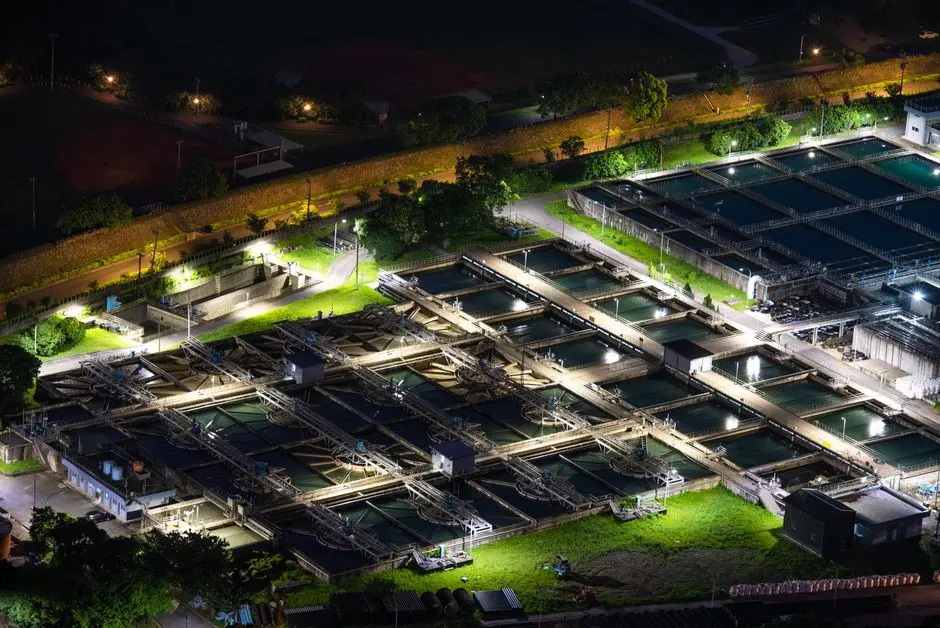
The comparison table maps onto specific decisions the plant engineer can make. The four questions below should be answered in order, with the answer to each one narrowing the equipment shortlist.
- Buoyant fraction: If the stream is dominated by latex, plasticizer oils, release agents, or finish oils, default to DAF (Clearwater Industries, 2026-04-27). If it is dominated by heavy polymer pellet fines and the buoyant load is minor, default to a HydropureWater lamella clarifier for heavy polymer fines.
- Mixed load: Most polymer and latex lines are mixed, so specify a DAF with an integrated sediment compartment and bottom auger, or run a clarifier followed by a DAF polish step on the clarifier overflow.
- Footprint and flow: Use the catalog envelope to pre-filter models. HydropureWater DAF systems for polymer and latex streams span 4–300 m³/h across 13 standard sizes, while the lamella clarifier is sized to 20–40 m/h surface loading. Peak-shift the design flow with an appropriate margin before model selection.
- Chemical budget and sludge handling: A lamella clarifier can cut polymer consumption by up to 30% versus a conventional clarifier (HydropureWater catalog), while DAF float sludge dewaters more readily. Either way, plan for an HydropureWater automatic chemical dosing skid upstream and a filter press downstream.
Walking through these questions converts a vague "DAF or clarifier" debate into a specification that procurement can request quotes against.
Sizing, CAPEX/OPEX, and supplier evaluation in 2026
Technical picks from the four-question framework must be converted into sized specifications and defensible budgets. Match the unit to peak shift flow with a safety margin; HydropureWater DAF models cover 4–300 m³/h across 13 standard sizes and lamella units are quoted by surface area and plate pack geometry (HydropureWater catalog). OPEX is dominated by polymer dose, sludge hauling, and energy. The lamella clarifier can reduce polymer consumption by up to 30% versus a conventional clarifier (HydropureWater catalog), but the savings should be weighed against the need for downstream sludge dewatering on a thinner underflow. DAF float sludge is typically thicker and may need little further dewatering, which can offset higher polymer-control discipline on the conditioning skid (Clearwater Industries, 2026-04-27). On the supplier side, the checklist that separates a serious industrial-wastewater vendor from a reseller is short: in-house manufacturing, 304/316 stainless or polypropylene wetted parts, PLC automation with a documented I/O list, an available chemical conditioning skid, and reference installs in plastics or rubber. The full primary-treatment train should integrate headworks such as a HydropureWater rotary mechanical bar screen for headworks, the chemical dosing skid, the DAF or clarifier, and a plate and frame filter press for sludge dewatering. Buyers evaluating competing proposals should request a reference list with polymer-stream installs and a written jar-test protocol, since the conditioning chemistry determines removal performance. For additional context on how a lamella clarifier is built and selected, the engineering walkthrough of how a high-efficiency sedimentation tank works is a useful companion read.
Shelton, CT compliance and next steps for 2026
Shelton plastics and rubber discharges are governed by Connecticut DEEP industrial pretreatment and discharge rules, with the local POTW's sewer-use ordinance and pretreatment limits layered on top of state categorical standards. The exact numerical limits depend on the receiving POTW and the SIC code of the discharger, so the receiving POTW should be contacted directly for its current local limits before any DAF or clarifier is sized. A pretreatment audit of the actual stream — including a measured split of buoyant versus settleable solids and characterization of the polymer chemistry — should precede equipment selection, because the audit defines the polymer dose envelope the conditioning skid must hit. The immediate next step is to request a jar test and a pilot on the actual production wastewater, then issue a sized DAF or lamella clarifier specification with chemical conditioning and sludge dewatering included. For a broader view of 2026 effluent rules that may apply to your line, the 2026 industrial effluent discharge guidelines reference is helpful to include in the review package.
Frequently Asked Questions
Is DAF or a clarifier cheaper to install for a plastics compounding plant?
Installed cost depends on the sized flow rate, the material of construction, and whether chemical conditioning and sludge dewatering are bundled into the same skid. HydropureWater DAF models cover 4–300 m³/h across 13 standard sizes, and
Frequently Asked Questions
Should a plastics or rubber factory in Shelton choose DAF or a clarifier in 2026?
For most plastics and rubber facilities in Shelton, Dissolved Air Flotation (DAF) is the preferred technology in 2026 due to its efficiency in removing light suspended solids, oils, and greases that often characterize polymer-based wastewater. While clarifiers are effective for heavier, inorganic sediment, they struggle with the buoyancy of microplastics and polymer fines, which typically require the micro-bubble aeration provided by a DAF to achieve the surface loading rates necessary for compliance with local municipal pretreatment standards.
How much does a DAF system cost for a plastics compounding plant in 2026?
In 2026, a standard DAF system tailored for a mid-sized plastics compounding plant typically ranges from $85,000 to $220,000, depending on the required throughput and metallurgy. This cost estimate includes the flotation tank, saturation system, and integrated chemical dosing skids, but excludes site-specific civil works, piping, and local installation labor costs in Washington state.
What flow rate of DAF do I need for a rubber mixing wastewater stream?
The required flow rate for a rubber mixing facility is determined by the peak hydraulic load during batch cleanup cycles, typically ranging from 25 to 150 gallons per minute (GPM) for standard operations. Engineers must calculate the peak flow based on the maximum dump volume of process tanks to prevent hydraulic overload, ensuring the DAF unit is sized to handle the peak surge rather than just the average daily flow.
Can a lamella clarifier remove latex and oils from rubber wastewater?
A standard lamella clarifier is generally insufficient for removing latex and free-floating oils because these contaminants often have specific gravities near or below 1.0, causing them to remain suspended rather than settling. While a lamella clarifier can handle heavy particulate matter, effective removal of rubber-derived latex and emulsified oils requires the addition of a DAF unit or an advanced coagulation-flocculation pre-treatment stage to increase particle density and facilitate flotation.
What is the typical payback period for a DAF versus a clarifier in plastics manufacturing?
The payback period for a DAF system in a plastics facility is typically 18 to 36 months, driven primarily by the reduction in high-strength wastewater surcharges and lower sludge disposal costs compared to less efficient settling systems. While a clarifier has a lower initial capital expenditure and shorter payback period, it often results in higher ongoing operational fines and increased chemical consumption, making the DAF a more cost-effective long-term investment for facilities facing strict local discharge limits.