
What Industrial Effluent Discharge Guidelines Actually Are
Industrial effluent discharge guidelines are US EPA national, technology-based wastewater standards that limit what industrial facilities may send to surface waters or to publicly owned treatment works (POTWs). They are organized by industry category and apply through NPDES permits for direct dischargers and through the National Pretreatment Program for indirect dischargers. EPA sets numeric limits at six control technology tiers — BPT, BAT, BCT, and NSPS for direct discharges, and PSES and PSNS for indirect discharges — covering conventional pollutants (BOD5, TSS, fecal coliform, pH, oil and grease), non-conventional pollutants, and 129 priority pollutants as of June 2023. EPA reviews these limits annually under Clean Water Act section 304(b) and publishes a plan every other year under section 304(m); the most recent plan is Effluent Guidelines Program Plan 15, January 2023 (EPA, 2026-01; Lemna).
Guidelines address the discharge itself, not the receiving water body. The Clean Water Act handles site-specific impact through Water Quality Standards and water-quality-based effluent limits written into individual permits, while the national guidelines set the floor for what every plant in an industry category must achieve through treatment and control technology (EPA, 2026-01).
Three pollutant classes sit under those limits. Conventional pollutants are the five named at CWA section 304(a)(4) — BOD5, TSS, fecal coliform, pH — plus oil and grease, which EPA designated as a sixth conventional pollutant on July 30, 1979 (44 FR 44501) (EPA, 2026-01). Anything outside that list is non-conventional, and toxic pollutants cut across both groups. Per- and polyfluorinated substances (PFAS) sit in the non-conventional toxic bucket and are a current regulatory focus under the 2021 PFAS Strategic Roadmap (EPA, 2026-01; Lemna).
The Six Control Technology Tiers, Explained
EPA writes technology-based numeric limits at six tiers, and each tier is anchored in a specific Clean Water Act section. Best Practicable Control Technology Currently Available (BPT) is defined at CWA section 304(b)(1) and is traditionally based on the average performance of the best-performing facilities within an industry, considering equipment age, process type, and engineering aspects of the control technology (EPA, 2026-01; Lemna).
Best Available Technology Economically Achievable (BAT) and Best Conventional Pollutant Control Technology (BCT) sit above BPT in stringency for the parameters they cover. BCT is defined at CWA section 304(b)(4), with the initial methodology and some BCT limits published in 1979 and a revised methodology with additional and revised limits published in 1986; BCT considers POTW performance and cost reasonableness through a two-part test (EPA, 2026-01).
New Source Performance Standards (NSPS) is the most stringent tier for direct dischargers, and EPA considers energy requirements under the CWA when setting it alongside cost (Lemna). For indirect dischargers, Pretreatment Standards for Existing Sources (PSES) is defined at CWA section 307(b) and Pretreatment Standards for New Sources (PSNS) at CWA section 307(c); PSES compliance is required by a specified date, typically no more than three years after the effective date of the categorical standard, and PSNS is issued at the same time as NSPS (EPA, 2026-01).
| Tier | Statutory anchor | Applies to | Pollutant scope | Relative stringency |
|---|---|---|---|---|
| BPT | CWA §304(b)(1) | Direct, existing sources | Conventional, non-conventional, priority | Baseline (average of best performers) |
| BCT | CWA §304(b)(4) | Direct, existing sources | Conventional only | Above BPT for conventionals; cost-tested |
| BAT | CWA §304(b)(2) | Direct, existing sources | Non-conventional and priority (toxic) | More stringent than BPT |
| NSPS | CWA §306 | Direct, new sources | All three classes | Most stringent for direct discharges |
| PSES | CWA §307(b) | Indirect, existing sources | Categorical, prevents pass-through/interference | Typically ~3-year compliance window |
| PSNS | CWA §307(c) | Indirect, new sources | Categorical, prevents pass-through/interference | Issued concurrently with NSPS |
BPT and NSPS cover conventional, non-conventional, and priority pollutants; the other tiers cover subsets of those classes per EPA's category-specific rules (Lemna).
Direct vs Indirect Discharger: Which Path Applies to You
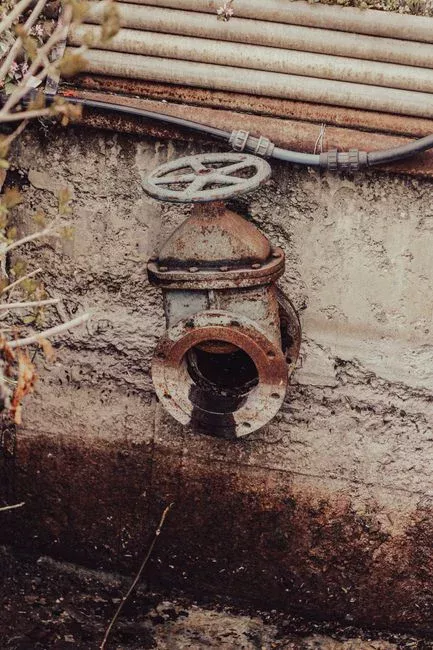
A direct discharger is a point source that sends pollutants to waters of the United States — streams, lakes, or oceans — and is regulated under an NPDES permit that incorporates BPT, BAT, BCT, and NSPS limits as applicable (EPA, 2026-01; Lemna). An indirect discharger sends wastewater to a POTW and is regulated through the National Pretreatment Program under categorical pretreatment standards, primarily PSES and PSNS (EPA, 2026-01).
The reason PSES and PSNS exist is operational: they prevent discharges that would pass through the POTW without removal, interfere with biological or physical treatment processes, or be incompatible with POTW infrastructure (EPA, 2026-01). Numeric enforcement rests on approved analytical methods codified at 40 CFR Part 136 — Table IB for inorganic pollutants, Table IG for pesticide active ingredients, and Method 200.7 (inductively coupled plasma-atomic emission spectrometry) for metals and trace elements, for example (Lemna).
| Question | Direct discharger | Indirect discharger |
|---|---|---|
| Where does the wastewater go? | Waters of the United States (stream, lake, ocean) | Publicly owned treatment works (POTW) |
| Permit or program? | NPDES permit (State or EPA regional office) | National Pretreatment Program; categorical standards |
| Applicable tiers | BPT, BAT, BCT, NSPS | PSES, PSNS |
| Numeric methods | 40 CFR Part 136 (e.g., Method 200.7 for metals) | 40 CFR Part 136 (e.g., Table IB, Table IG) |
| Compliance window for new categorical standard | Varies by rule | PSES: typically ≤ 3 years from effective date |
Pollutants Covered: Conventional, Non-Conventional, and Priority
The five conventional pollutants designated at CWA section 304(a)(4) are biochemical oxygen demand (BOD5), total suspended solids (TSS), fecal coliform, and pH, with oil and grease added as a sixth conventional pollutant in the July 30, 1979 designation at 44 FR 44501 (EPA, 2026-01). Everything else regulated under the effluent guidelines falls into the non-conventional category, and toxic pollutants cut across both groups — that is, a pollutant can be both conventional and toxic, or non-conventional and toxic (Lemna).
The priority pollutant list is codified at 40 CFR Part 423 Appendix A and stood at 129 pollutants as of June 2023; phthalates used in plastic products are one example of a listed compound (Lemna). PFAS, classified as toxic non-conventional pollutants, are the current regulatory focus tied to EPA's 2021 PFAS Strategic Roadmap and the active rulemaking to revise the Organic Chemicals, Plastics, and Synthetic Fibers (OCPSF) point source category for PFAS (EPA, 2026-01; Lemna).
Conventional pollutants are listed at 40 CFR §401.16 and also include oil and grease; all three pollutant classes are regulated by different combinations of the six control technologies (Lemna).
2026 Regulatory Update: PFAS, Program Plan 15, and the Coal-Ash Withdrawal
CWA section 304(b) requires EPA to review effluent guidelines annually, and section 304(m) requires a plan every other year; the most recent plan is Effluent Guidelines Program Plan 15, published January 2023, which ties into the 2021 PFAS Strategic Roadmap (EPA, 2026-01; Lemna). EPA continues to assess opportunities to limit PFAS discharges from multiple industrial categories as part of that focus (EPA, 2026-01).
Two rulemaking actions are in motion as of the current research window. First, the proposal to revise the Organic Chemicals, Plastics, and Synthetic Fibers (OCPSF) point source category for PFAS remains an ongoing rulemaking (EPA, 2026-01; Lemna). Second, EPA took final action to withdraw a 2024 proposal that would have revised effluent guidelines and established certain pretreatment standards for unmanaged combustion residual leachate at coal-fired power plants (EPA, 2026-01). The supply chain implication: any facility in the OCPSF universe should track the PFAS rulemaking; any facility adjacent to coal-combustion residuals should not plan around the withdrawn 2024 proposal.
The supplied research does not provide specific 2026 numeric PFAS effluent limits. The qualitative state of play is an active PFAS focus and an OCPSF rulemaking in progress.
Best Management Practices, BMPs, and Permit Conditions
Best Management Practices (BMPs) are permit conditions used in place of, or in conjunction with, numeric effluent limitations to prevent or control the discharge of pollutants — schedules of activities, prohibitions, maintenance procedures, or other management practices (EPA, 2026-01). CWA section 304(e) authorizes EPA to include BMPs in effluent guidelines for certain toxic or hazardous pollutants to control plant site runoff, spillage or leaks, sludge or waste disposal, and drainage from raw material storage (EPA, 2026-01).
Where numeric limits are infeasible, BMPs are also available under CWA section 402(a)(1) and 40 CFR 122.44(k) as supplementary or standalone permit conditions (EPA, 2026-01). For procurement, the practical takeaway is that a compliance upgrade can carry permit teeth in the form of a BMP schedule even when no specific numeric limit applies — and that BMP language is reviewable, enforceable, and worth treating as a deliverable.
A 2026 Compliance Checklist for an Industrial Plant

- Classify the discharge as direct or indirect and pull the matching CFR part for the industry category. This sets the permit track (NPDES or Pretreatment) and the applicable tier set (EPA, 2026-01; Lemna).
- Identify the applicable tier — BPT, BAT, BCT, NSPS, PSES, or PSNS — and the parameters that tier covers for the facility's pollutant mix, including conventional, non-conventional, and priority pollutants as listed at 40 CFR Part 423 Appendix A (EPA, 2026-01; Lemna).
- Confirm analytical methods per 40 CFR Part 136 before sampling — Table IB for inorganics, Table IG for pesticides, and Method 200.7 for metals are common reference points (Lemna).
- Layer in BMPs per CWA section 304(e) and 40 CFR 122.44(k) where numeric limits are infeasible, or as supplementary permit conditions alongside numeric limits (EPA, 2026-01).
- Re-check current EPA rulemaking status for the relevant industry category against Program Plan 15 and the 2021 PFAS Strategic Roadmap before permit renewal, including the ongoing OCPSF PFAS rulemaking and any post-withdrawal status of the 2024 coal-ash proposal (EPA, 2026-01; Lemna).
The supplied research does not include cost figures for a compliance upgrade. To build a defensible budget request, the buyer should ask the supplier for line-item pricing against an influent characterization, the target tier, design flow rate, monitoring scope, and the BMP schedule paired with the numeric limits.
Equipment Implications: Where Treatment Hardware Meets the Rule
The rule dictates the limit; the equipment is the means to reach it. No specific equipment is mandated by the effluent guidelines — EPA sets numeric standards based on the performance of model technologies and does not require installation of any particular unit (EPA, 2026-01). What follows is a category-level view of where treatment hardware typically meets the parameters an effluent compliance program is asked to remove.
Suspended solids, oil and grease, and colloidal load drive the front end. A rotary mechanical bar screen is a typical first guard for coarse solids, and a dissolved air flotation (DAF) system is commonly cited for fats, oils, and grease (FOG) and colloidal removal across food, pulp and paper, textile, metalworking, and petrochemical duty (dissolved air flotation (DAF) system; rotary mechanical bar screen).
Biological and membrane polishing addresses BOD, ammonia, and TSS to a level compatible with indirect or reuse-oriented discharge; an MBR membrane bioreactor system is one route for tighter effluent quality, and packaged plants are used for smaller flows (MBR membrane bioreactor system). Chemical conditioning, pH adjustment, and precipitate formation typically rely on an automatic chemical dosing system upstream of clarification or filtration (automatic chemical dosing system).
Final disinfection for bacteria and chlorine-resistant organisms such as Cryptosporidium and Giardia is commonly handled by a UV sterilizer, with chlorine dioxide generators used where a residual or higher log reduction is required (UV sterilizer; chlorine dioxide generator). For international context, see EU Urban Wastewater Directive compliance deadlines for 2026 and global industrial water reuse standards for 2026.
Frequently Asked Questions
What is the difference between effluent guidelines and NPDES permit limits?
Effluent guidelines are the national, industry-by-industry, technology-based standards EPA develops under the Clean Water Act. NPDES permits are the site-specific instruments — issued by States or EPA regional offices — that apply those standards to a particular direct discharger, often layering water-quality-based effluent limits on top of the technology floor (EPA, 2026-01).
How strict are EPA effluent limits compared to local POTW pretreatment limits?
EPA sets the national categorical pretreatment standards — PSES for existing sources and PSNS for new sources — for indirect dischargers. Local POTW limits can be more stringent when local conditions warrant, since POTWs may impose local limits to protect their receiving waters or plant infrastructure beyond the EPA floor (EPA, 2026-01).
Do PFAS have numeric effluent limits in 2026?
The supplied research confirms PFAS are an active focus under the 2021 PFAS Strategic Roadmap and that the rulemaking to revise the Organic Chemicals, Plastics, and Synthetic Fibers point source category for PFAS is ongoing. The supplied research does not provide specific 2026 numeric PFAS effluent limits, so a buyer should request current category-specific status from the supplier or the EPA effluent guidelines page before specifying monitoring scope (EPA, 2026-01; Lemna).
What drives the cost of a compliance upgrade, and how do I budget one?
The supplied research does not provide cost figures. Cost drivers a buyer should request from a supplier include influent characterization, the target tier (BPT, BAT, BCT, NSPS, PSES, or PSNS), design flow rate, monitoring scope per 40 CFR Part 136, and whether BMPs are paired with numeric limits under 40 CFR 122.44(k). For category-specific limits and current rulemaking status, cross-reference EPA's effluent guidelines page against China GB 18918-2002 industrial discharge compliance for multi-site scoping.