What a Yerevan Factory Actually Needs from an ETP and DAF System in 2026
A factory in Yerevan, Armenia typically needs a packaged industrial ETP led by a Dissolved Air Flotation (DAF) unit for oil, grease and suspended-solids removal, followed by biological treatment (conventional activated sludge or MBR) and a tertiary polishing step. DAF works by saturating a recycle stream with air under pressure; when it returns to atmospheric pressure inside the flotation tank, it releases micro-bubbles roughly 10–100 microns in diameter that attach to suspended solids and float them for skimming. Choosing the right configuration depends on influent characterization, discharge target, and Yerevan's continental climate and water-scarcity context.
The baseline architecture for any industrial ETP, including one in Yerevan, is a three-level structure: primary treatment for physical and chemical operations (settleable solids, pH control, flocculation), secondary treatment for biological aerobic or anaerobic processing, and tertiary treatment for final polishing with chlorine and alum to strip residual inorganics and microorganisms (Quora answer by Ishanee Sharma, B.E. Chemical Engineering, Assam Engineering College, 2019). DAF belongs in the primary/pretreatment envelope because it removes emulsified oil, FOG, and fine suspended solids that would otherwise pass into biological reactors and damage the biomass (OpenBlueprint, quora.com, July 2025).
Yerevan-specific drivers in 2026 include a continental climate with cold winters, which suppresses biological kinetics and pushes decisions toward enclosed or buried tanks; high-altitude conditions that affect aerator selection; and the strong economic incentive to reuse treated water in a water-scarce capital. The engineer should request the current Ministry of Environment permit thresholds, the local water utility's reuse acceptance criteria, and site-specific winter low temperatures before locking in any equipment list.
How DAF Works Inside an Industrial ETP
DAF separates suspended matter by attaching micro-bubbles to particles so their effective density drops below that of water, forcing them to the surface. The unit takes a portion of clarified effluent, pressurizes it, and saturates it with air in a dedicated drum; this supersaturated recycle stream is then returned to the main flotation tank at atmospheric pressure, where the sudden pressure drop releases millions of micro-bubbles that attach to suspended solids and oil droplets and float them to the surface for skimming (OpenBlueprint, quora.com, July 2025).
The micro-bubbles generated by this pressure-release process typically measure between 10 and 100 microns in diameter, which is the size band that allows DAF to lift emulsified oil and fine particles that gravity separation alone cannot remove (OpenBlueprint, quora.com, July 2025). The physico-chemical basis is straightforward: "Dissolved air flotation is based on a physico-chemical process which separates solid and liquid particles by the addition of very small air bubbles. These bubbles stick on solid particles and give them a high rate of ascent" (Roughman, quora.com answer, 5 years ago).
DAF serves as a protective barrier between raw physical separation and delicate biological polishing. In a refinery ETP, DAF sits downstream of an API oil-water separator and upstream of biological reactors (OpenBlueprint, quora.com, July 2025). The same architecture maps cleanly onto a Yerevan factory: API/grit chamber first, DAF second, biology third, tertiary polishing last. For a deeper walk-through of vendor selection against the DAF mechanism, the 2026 DAF engineering specs and decision framework lays out the same micro-bubble physics against spec sheets.
DAF Sizing Parameters for a Yerevan Industrial Plant
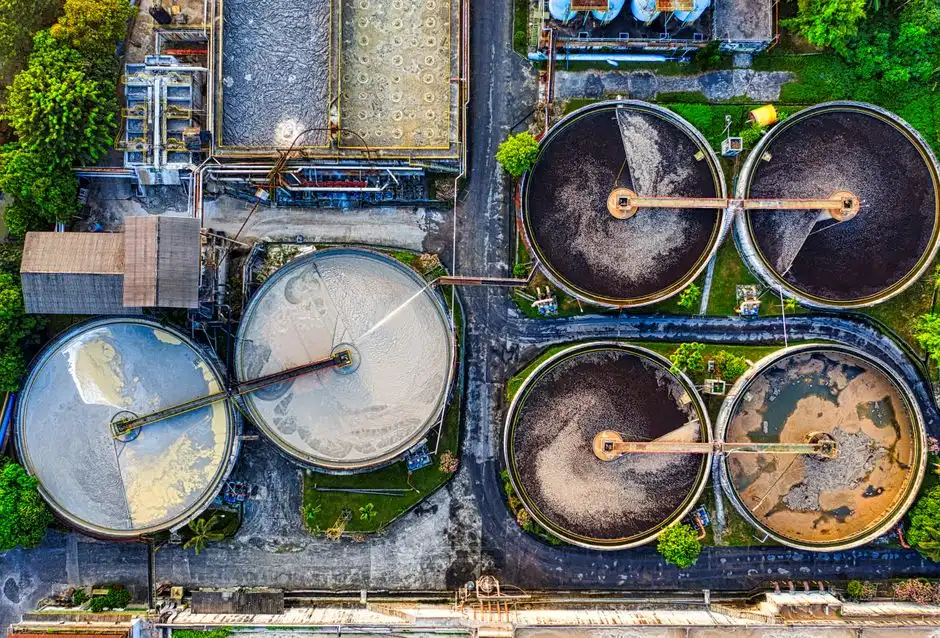
DAF sizing is driven by a small set of variables that the engineer must define before issuing a vendor RFQ. These parameters function as a qualitative checklist for vendor-specific curves.
| Parameter | What it controls | Buyer input required |
|---|---|---|
| Design flow (m³/h) | Footprint and pump sizing | Average and peak shift flow, with diurnal multiplier |
| Hydraulic loading rate | Surface area of the flotation tank | Target m³/m²·h based on influent TSS and oil |
| Recycle ratio | Air delivery to the tank | Vendor-recommended % of influent flow |
| Air-to-solids ratio | Bubble density vs. solids load | Derived from jar tests on actual wastewater |
| Flocculation contact time | Coagulant/polymer performance | Minutes required at winter viscosity |
| Micro-bubble size | 10–100 µm band (OpenBlueprint, quora.com, July 2025) | Vendor evidence of bubble size at site temperature |
The DAF acts as the protective barrier that stops emulsified oil and fine solids from suffocating the biomass in the aeration tank (OpenBlueprint, quora.com, July 2025). The DAF float itself becomes a sludge stream that must report to a holding tank and then to dewatering, typically a plate and frame filter press for sludge dewatering.
Cold-climate considerations specific to Yerevan require careful engineering. Lower winter temperatures increase water viscosity, slow the rise velocity of micro-bubbles, and may require enclosed or buried DAF tanks with covers and insulation. The same cold shifts the optimal coagulant and flocculant selection, so the engineer should ask vendors for cold-weather reference plants rather than tropical installations. A purpose-built DAF system for Yerevan industrial wastewater should be specified with these constraints on the data sheet.
Choosing Between DAF, MBR, and Conventional Activated Sludge for Yerevan
DAF is a pretreatment component, not a replacement for biological treatment. The choice is therefore which biological stage to pair it with—conventional activated sludge (CAS), a sequencing batch reactor (SBR), or a membrane bioreactor (MBR)—based on the wastewater profile, the discharge target, the available footprint, and the operator skill level on site.
| Driver | DAF only | DAF + CAS | DAF + MBR |
|---|---|---|---|
| High oil/FOG, TSS load | Not sufficient alone | Viable with strong pretreatment | Viable; MBR tolerates variability better |
| Discharge to sewer only | Acceptable if sewer accepts float | Standard choice | Optional; usually over-specified |
| Reuse-quality effluent target | Not sufficient | Reuse possible with tertiary polish | Best fit; MBR effluent suits reuse |
| Constrained footprint | Compact but incomplete | Larger clarifier/sludge return | Smallest biological footprint |
| Limited operator skill | Simple | Familiar, widely supported | Higher — membrane maintenance needed |
For most Yerevan factories targeting reuse, a DAF + MBR train with a tertiary polish is the most defensible choice; for high-flow sites with land available and discharge to sewer as the endpoint, DAF + CAS remains the lowest-risk standard. The MBR vs SBR comparison for the biological stage goes deeper on the biological-side trade-offs, and the MBR biological stage downstream of DAF is the matching product reference for an Yerevan packaged wastewater treatment context.
Pretreatment and Tertiary Equipment Around the DAF
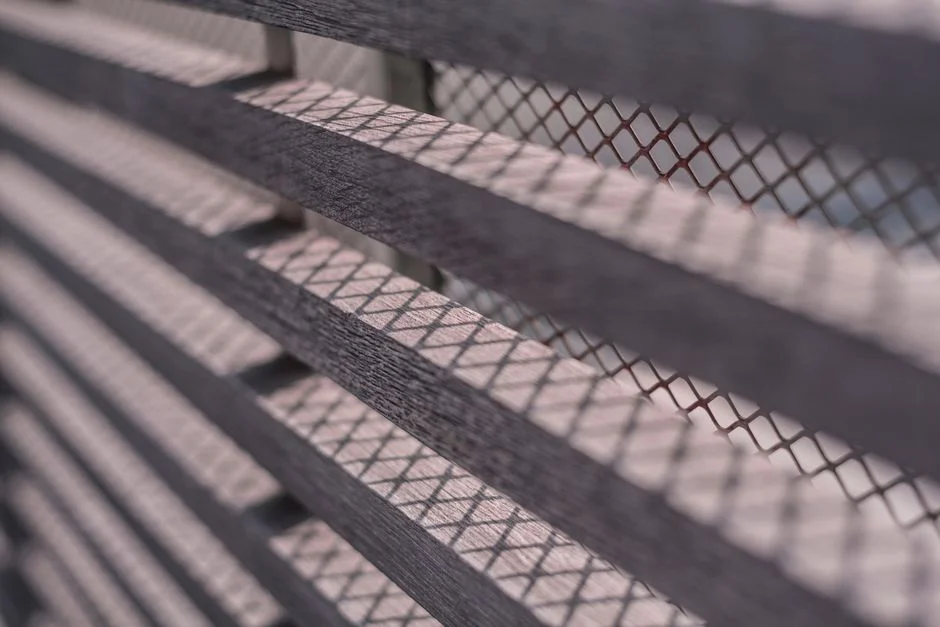
A DAF unit functions as one stage within a larger treatment train. Upstream, a rotary mechanical bar screen removes rags, plastics, and fibrous debris before the wastewater reaches the DAF, protecting the recycle pump and nozzles from ragging. The headworks bar screen ahead of the ETP should be specified for the peak shift flow plus a safety margin, and grit removal plus flow equalization should follow to damp out shock loads.
Chemical conditioning immediately ahead of the DAF is standard practice. Coagulant and flocculant dosing upstream of DAF destabilizes emulsified oil so the micro-bubbles can attach to the destabilized droplets (OpenBlueprint, quora.com, July 2025). The dosing skid should be PLC-controlled, pre-wired, and matched to the design flow, with pump curves set via jar tests on the actual wastewater.
Downstream of the biological stage, the train needs sludge dewatering to reduce handling volume—the DAF float and the biological waste both report here—plus a disinfection step to satisfy the tertiary level of the ETP structure (Ishanee Sharma, quora.com, 2019). A sludge dewatering press for DAF float and biological waste and a chlorine dioxide generator for tertiary disinfection close the loop. Sludge cake goes to authorized disposal; disinfected effluent goes to sewer or reuse.
2026 Supplier and Equipment Selection Checklist for Yerevan
The fastest way to turn the engineering content above into an RFQ is a supplier-capability checklist. The first column should be verifiable data the vendor can attach a document to: a documented DAF flow range, evidence of micro-bubble size in the 10–100 µm band (OpenBlueprint, quora.com, July 2025), hydraulic loading rate at Yerevan-relevant temperatures, PLC and automation level, materials of construction for the flotation tank and recycle pump, and a documented spill-containment and sludge-handling story for the DAF float.
The second column should be evidence of installed performance, not promises: reference plants in continental-climate or CIS-region installations, list of wastewater profiles treated, and operator-training scope. The 2026 DAF engineering specs and decision framework and the DAF oil-water separator specifications guide together cover most of the line items.
The third column is cost structure. Ask the supplier for line-item pricing—DAF unit, screens, chemical dosing, biological stage, sludge dewatering, disinfection, installation, commissioning, operator training, and a recommended spare-parts list—rather than a single lump sum. Bidders who refuse to break out the train should be down-weighted, since the buyer cannot evaluate risk without seeing where the cost sits.
Frequently Asked Questions
What is the realistic budget range for a packaged ETP with DAF in Yerevan today?
Vendor quotes depend on design flow, influent load, materials of construction, and whether biological treatment is CAS or MBR. The actionable step is to require every bidder to submit a line-item quote covering the DAF unit, headworks screen, chemical dosing, biological stage, sludge dewatering, disinfection, installation, commissioning, and operator training, and to compare those line items rather than the lump sum.
How do I pick the right ETP supplier for a Yerevan factory?
Verify installed reference plants in continental-climate or CIS-region projects, ask for documented micro-bubble size evidence in the 10–100 µm range (OpenBlueprint, quora.com, July 2025), and request a written scope for cold-weather operation, PLC/automation level, and operator training. Suppliers who cannot point to a working reference plant at similar winter temperatures and a similar influent profile should be down-weighted, because the Yerevan climate and altitude shift both aeration and flocculation behavior.
Why does the DAF sit ahead of biological treatment rather than after it?
DAF removes emulsified oil, FOG, and fine suspended solids that would otherwise enter the biological reactors and "coat the bacteria in a suffocating film, preventing oxygen transfer and destroying the entire microbial colony" (OpenBlueprint, quora.com, July 2025). The DAF is therefore a protective barrier between physical separation and biological polishing, not a polishing step on its own.
What should I confirm with the local utility and regulator before finalizing the equipment list?
The engineer must request discharge limits and reuse acceptance criteria directly from the relevant authorities. Confirm the current sewer