

What an Industrial ETP for a Luanda Factory Must Include
A factory in Luanda, Angola typically needs a three-stage industrial ETP — primary physical-chemical treatment (screening, equalization, pH control, flocculation), secondary treatment (DAF for oils, FOG and suspended solids, followed by biological reactors), and tertiary disinfection — because Angolan climate and a mixed industrial-port effluent profile demand robust oil/solid removal before biology. A Dissolved Air Flotation unit sits between an API-style oil interceptor and the biological stage, lifting emulsified oils and fine solids on micro-bubbles measuring 10–100 microns (Quora/OpenBlueprint, Jul 2025) before they can damage the bacterial colony. Sizing depends on peak flow in m³/h, influent oil/grease and TSS load, and required removal efficiency, not on a single catalogue number.
The three-level structure is the standard reference frame in industrial wastewater engineering: primary treatment uses both physical and chemical methods to settle suspended solids and control pH, secondary treatment applies biological processes under aerobic or anaerobic conditions, and tertiary treatment handles final polishing with chlorine and alum to strip residual inorganics and pathogens (Quora/Ishanee Sharma, 7y). For Luanda, none of the three levels is optional. Tropical ambient temperatures accelerate biological kinetics, which is helpful only if the upstream oil and TSS loads are low enough that bacteria can function; coastal/port factories in the Luanda industrial corridor frequently draw on saline, high-TDS feedwater, which must be screened explicitly and neutralized in pH control before it reaches the reactors.
Before any supplier is contacted, the engineer must collect site-specific data: peak and average flow in m³/h, influent BOD and COD, TSS, FOG, pH, temperature, salinity, and any seasonal swing in load. These numbers — not a vendor's standard product sheet — are what determine whether the train uses lamella pre-clarification, an industrial DAF system for oily and high-TSS wastewater, or a more compact configuration. Suppliers quoting a price before seeing this data are quoting on guesswork, and the engineer should treat that as a red flag. A defensible specification document for procurement starts with the influent characterization, the target discharge limits, and the operating envelope — and only then maps those onto equipment. For a deeper view of how DAF models are benchmarked in 2026, the best DAF unit for industrial wastewater in 2026 guide walks through the same decision logic in more detail.
Why a DAF Unit Belongs in the Luanda ETP Train
DAF is a physico-chemical flotation process in which pressurized recycle water saturated with air is depressurized inside the flotation tank, releasing micro-bubbles that attach to suspended solids and oil droplets and lift them to the surface for skimming (Quora/OpenBlueprint, Jul 2025; Quora/Roughman, 5y). In a refinery ETP, DAF sits as a secondary clarifier between the API separator and the biological reactors: the API basin is a gravity-based first pass that removes large free-floating oil and heavy sediment, while DAF captures the tight oil-in-water emulsions and ultrafine solids that gravity cannot resolve (Quora/OpenBlueprint, Jul 2025). The micro-bubbles are not a design choice — the physics of supersaturated water dropping to atmospheric pressure fixes them at 10–100 microns in diameter (Quora/OpenBlueprint, Jul 2025). What the engineer does control is the air-to-solids ratio, hydraulic retention time, and coagulant/flocculant dosing.
The functional reason DAF belongs in the train is that emulsified oil suffocates biomass. Crude desalting, catalytic cracking, edible-oil processing, and metalworking coolant streams all generate emulsions that pass straight through an API basin; if those emulsions reach the aeration tank, the oil coats the bacteria in a film that blocks oxygen transfer and collapses the colony (Quora/OpenBlueprint, Jul 2025). This is a documented failure mode, not a theoretical risk. For Luanda factories, the protective role of DAF is amplified because high ambient temperatures and variable feed composition already stress the biological stage, leaving little margin for upstream oil breakthrough.
DAF also lets the engineer target the colloidal fraction — the fine suspended solids that settle slowly and that gravity clarifiers handle poorly. When paired with appropriate coagulant and flocculant dosing, DAF lifts both oil and colloids in the same physical step, which is why it is the default secondary clarifier for refinery, food, textile, and metalworking plants rather than a special-case add-on. Treating DAF as optional is how projects end up with overloaded aeration tanks and chronic non-compliance on FOG and TSS.
Sizing the DAF for a Luanda Factory: Flow, Load, and Removal Target
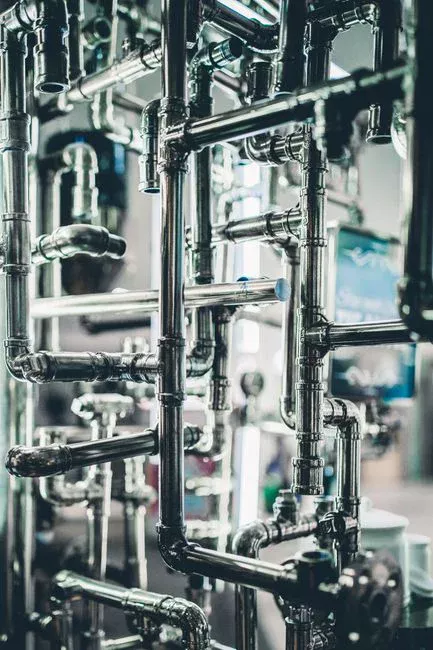
Sizing a DAF is driven by three site-specific inputs that no catalogue can supply: design flow in m³/h, influent TSS and FOG concentrations, and the removal efficiency required to meet either the discharge permit or an internal reuse target. The first decision is whether to size to average day flow or peak wet-weather flow; for a Luanda coastal plant that sees tropical storm surges and batch process discharges, peak flow is the correct basis, because an undersized DAF during a peak event dumps emulsified oil straight into the biological stage. The second decision is influent characterization — a refinery desalter effluent at 200–500 mg/L FOG behaves nothing like a food-processing washwater at 50 mg/L FOG, and the same DAF model will not deliver the same removal across both.
The micro-bubble size range of 10–100 microns in diameter is fixed by the physics of supersaturated water depressurizing to atmospheric pressure (Quora/OpenBlueprint, Jul 2025), so it is not a variable the engineer can tune. What the engineer does tune is the air-to-solids ratio (typically expressed as grams of air released per gram of solids in the feed) and the hydraulic retention time, which together control how much floatable material reaches the surface before the clarified water exits over the weir. Standard DAF model ranges scale from 4 m³/h up to 300 m³/h across roughly 13 standard configurations, which means a Luanda factory has to pick a specific model from a defined product family rather than asking for a custom unit. The supplier's published model range — 4 m³/h to 300 m³/h, 13 standard models — gives the engineer the framework to match peak flow to a model number once the site flow is known.
Removal efficiency is influent-dependent. DAF can deliver high TSS, FOG, and colloidal removal when paired with appropriate coagulant/flocculant dosing, but the exact percentage must be confirmed by jar tests on the buyer's own wastewater. A vendor who quotes a removal figure without referencing a jar test on the buyer's sample is extrapolating from another site's data, and that extrapolation rarely holds. The procurement specification should require jar-test results from each short-listed supplier, run on a representative composite of the Luanda factory's actual effluent, before any commercial commitment. The table below summarizes the sizing inputs the engineer must gather and the design choices that follow.
| Sizing input | Unit / format | Source | Design implication |
|---|---|---|---|
| Design flow (peak) | m³/h | Site flow survey, 24-h composite | Select DAF model from 4–300 m³/h product range |
| Influent TSS | mg/L | Site sampling, ≥3 days composite | Sets air-to-solids ratio and coagulant dose |
| Influent FOG / oil | mg/L or ppm | Site sampling, batch + continuous streams | Confirms DAF over lamella; sets polymer dose |
| Target removal efficiency | % for TSS and FOG | Angolan discharge permit or reuse spec | Drives HRT, recycle ratio, and jar-test acceptance |
| Micro-bubble diameter | 10–100 µm | Process physics, Quora/OpenBlueprint, Jul 2025 | Fixed; not a design variable |
| Operating temperature envelope | °C ambient and feed | Site climate data, Luanda | Verify vendor rating above 30 °C ambient |
Angola-Specific Design Constraints for an ETP or DAF System
Luanda imposes design constraints that the generic DAF explainer ignores. The first is climate. Year-round ambient temperatures above 25–30 °C accelerate biological kinetics in the aeration basin, but they also reduce dissolved-oxygen solubility and shift coagulant dosing rates; equipment specified for temperate conditions often under-performs in Luanda unless the vendor confirms continuous-duty ratings above 30 °C ambient. The second constraint is feedwater quality. The Luanda industrial zone sits on a coastal aquifer, and surface-water intakes in the port corridor can show saline intrusions; trade effluents from other tenants on a shared industrial park can also push influent chloride and TDS well above typical design assumptions. The ETP must include explicit screening for chlorides and a defined reject strategy for any RO concentrate if reuse is being targeted — this is not a problem a European DAF datasheet anticipates.
The third constraint is power and spares. Angola's grid stability is variable, and the lead time on imported spares is long compared with Asian or European sourcing hubs. Specify the ETP with generator compatibility, PLC controls with remote diagnostics so a vendor can troubleshoot from another continent, and a documented spare-parts package sized for 24 months of operation. The fourth constraint is regulatory. An Angolan industrial discharge permit typically references general industrial effluent limits published in the Diário da República; the engineer must request the current standard from the environmental authority before finalizing design, because the limits applied at commissioning may differ from those in a generic datasheet. These four constraints — climate, feedwater, power, regulation — are why a Luanda specification document is not interchangeable with one written for a temperate-coastal European site.
Choosing Between a DAF and Alternative Primary Clarifiers
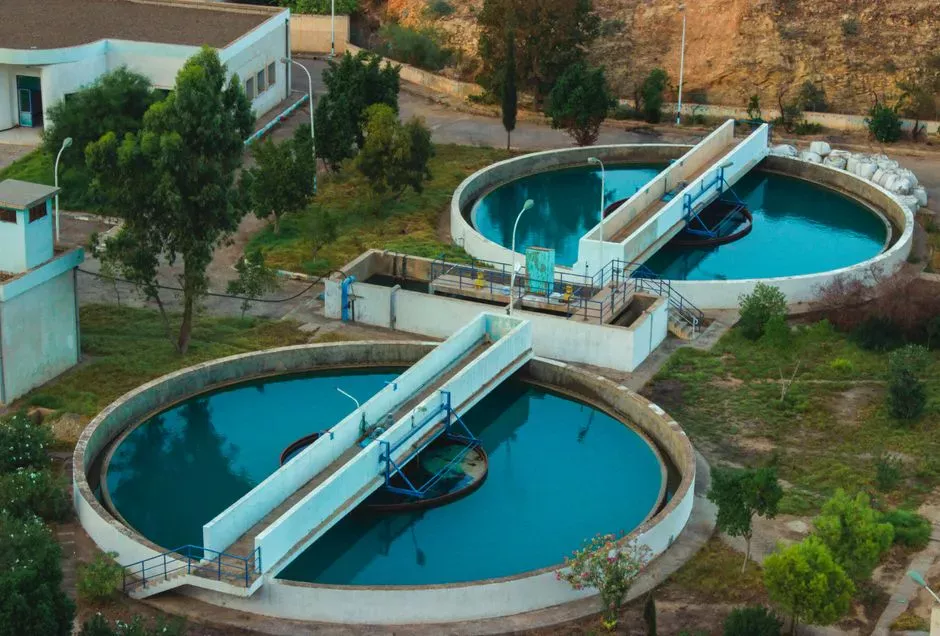
DAF is the right unit operation when the influent contains emulsified oil, FOG, or low-density colloidal solids that settle slowly under gravity (Quora/OpenBlueprint, Jul 2025). A lamella clarifier is the right unit operation when the influent is dominated by heavy, settleable suspended solids with little oil — a lamella clarifier for grit and settleable solids handles that stream at lower capital cost than a DAF. An API oil-water separator is a gravity-based pre-DAF stage, not an alternative to it; the API basin removes large free-floating oil and heavy sediment, and DAF is layered downstream to capture what the API cannot — emulsified oil and ultrafine solids (Quora/OpenBlueprint, Jul 2025). For a Luanda factory in the food, refinery, textile, or metalworking sector, the influent is almost always oily and colloidal, which puts DAF squarely in the train.
The decision rule for a Luanda engineer is straightforward. If the influent has free oil plus emulsified oil plus more than roughly 200 mg/L TSS, the specification should call for an API separator followed by a DAF, with biology downstream. If the influent has heavy grit and settleable solids with little oil — a quarry wash stream, a concrete batch plant, a mineral-processing slurry — a lamella clarifier may suffice upstream of biology and DAF is not required. The two are not interchangeable. The table below maps influent character to the right unit operation.
| Influent character | Free oil | Emulsified oil / FOG | Heavy settleable solids | Low-density colloids | Recommended primary / secondary train |
|---|---|---|---|---|---|
| Refinery desalter, edible-oil plant, metalworking coolant | Yes | Yes | Low–moderate | Yes | API separator → DAF → biology |
| Food washwater (FOG-bearing) | Yes | Yes | Low | Yes | Screen/equalize → DAF → biology |
| Textile dyehouse effluent | Low | Low–moderate | Moderate | Yes | Equalize/pH → DAF or lamella → biology |
| Quarry wash, mineral slurry, concrete batch | None | None | High | Low | Lamella clarifier → biology; DAF typically not required |
For a deeper comparison of DAF against induced-air flotation and other alternatives, the DAF vs alternatives engineering comparison applies the same logic to a wider unit-operation menu. Operationally, the same rules apply regardless of influent: jar-test the chemistry first, then size the hydraulic envelope to peak flow, then specify the controls.
Buyer-Side Checklist for Sourcing a DAF in Luanda
The technical specification is only half the procurement problem. The other half is whether the vendor can actually ship, install, and commission in Angola, and whether the unit will run for the next decade without exotic spare parts. The first item the Luanda buyer should demand is site-specific performance guarantees tied to jar tests on the buyer's own wastewater, not generic catalogue removal figures. The supplied research only confirms the DAF mechanism — it does not provide a universal removal percentage, and a vendor who quotes one without a jar test on the buyer's sample is making a sales claim, not an engineering guarantee.
The second item is documentation. Require FAT (Factory Acceptance Test) videos, material certificates for wetted parts (SS304 is acceptable for most food and refinery service, but SS316 is the correct selection for elevated chloride exposure in a coastal Luanda site), and a PLC program with English or Portuguese HMI. The third item is regional track record: confirm the vendor has shipped and commissioned in Angola or an equivalent West-African port, because that experience de-risks container logistics, customs clearance at the Port of Luanda, and on-site commissioning travel. A vendor with no Sub-Saharan reference list is asking the buyer to be the test case, and the engineering fee for that lesson is high.
The fourth item is the spare-parts package. Ask for a documented 24-month spares list sized to the duty cycle, including saturator nozzles, recycle pump seals, skimmer blades, and control-board spares. Angola lead times on these items are long, and a six-month wait for a saturator nozzle is enough to take a DAF offline for the rest of the quarter. Pair the spares list with the DAF maintenance protocol from the DAF maintenance guide for plant operators, and make the operating team walk through it before the FAT. For broader supplier-evaluation context, the best DAF unit for industrial wastewater in 2026 guide frames the same decision points a procurement director will raise in the sign-off meeting.
Frequently Asked Questions
How do I decide between a DAF and a lamella clarifier for my Luanda factory?
Match the unit operation to the influent. If the wastewater carries free oil, emulsified oil or FOG, and more than roughly 200 mg/L TSS — typical of refinery, food, edible-oil and metalworking streams in the Luanda port corridor — a DAF is the correct choice, typically preceded by an API separator. If the stream is heavy on grit and settleable solids with little oil, a lamella clarifier handles it at lower capital cost and DAF is not required. Jar tests on the actual wastewater are the only way to confirm which route meets the discharge permit; request them from every short-listed vendor before pricing.
What should I budget for a DAF system sized to a Luanda factory's peak flow?
The supplied research confirms the DAF mechanism and the 4–300 m³/h model range, but it does not contain a quotation or a price band. A defensible budget request must include peak flow in m³/h, influent TSS and FOG, target removal efficiency, material of construction (SS304 vs SS316), and whether installation, commissioning, and a 24-month spares package are in scope. Send those five inputs to at least three short-listed vendors and require line-item pricing for the skid, the controls, the shipping terms to the Port of Luanda, and the commissioning engineer days on site. Without those inputs, any quoted number is a placeholder, not a budget.
How do I screen DAF suppliers for delivery and commissioning in Angola?
Ask for documented evidence of prior shipments and commissioning in Angola or an equivalent West-African port. Confirm the vendor has a logistics partner that handles Luanda container clearance, that the commissioning engineer is available within an agreed mobilization window, and that the PLC program supports remote diagnostics so the vendor can troubleshoot from outside the country. A vendor without Sub-Saharan reference sites is asking the buyer to absorb the learning-curve cost; treat that as a commercial risk and price it into the evaluation.
What influent data must I collect before I can finalize the DAF specification?
Collect a minimum of three days of composite sampling covering average and peak production periods: flow in m³/h, TSS in mg/L, FOG in mg/L or ppm, pH, temperature, and salinity or chloride if the site is on the coastal aquifer. Add any batch discharges that swing the load — tank cleaning, desalter dumps, regeneration flows. Without these numbers, the DAF model selection, the air-to-solids ratio, and the jar-test dosing matrix are guesses, and the discharge permit compliance becomes uncertain. Hand the dataset to the short-listed vendors and require each to size against it.
Related Equipment
- automatic coagulant and flocculant dosing system — specifications, capacity range, and technical data