What an Effluent Treatment Plant in Doha Has to Deliver in 2026
An effluent treatment plant in Doha in 2026 is engineered around three forces: Qatar's MOECC discharge limits, the high-temperature, high-salinity industrial influent typical of oil & gas, petrochemical, food and construction sites, and the growing push from Ashghal and Kahramaa to reuse treated effluent for landscaping, cooling and district use. A modern Doha ETP typically chains primary separation (DAF or settling), biological treatment (MBR or conventional activated sludge), and a polishing step such as ultrafiltration, reverse osmosis or nanofiltration to meet reuse thresholds. Membrane polishing to EU WFD-equivalent quality for agricultural or potable reuse is documented in the University of Twente thesis by Schrader (doi 10.3990/1.9789036523325).
The "generic ETP template" fails in Qatar because it ignores the local envelope. Doha's summer ambient temperatures push aeration basin biology toward thermophilic operating windows; saline groundwater infiltration raises TDS loadings; and the industrial mix — refinery desalter effluent, gas-plant condensate, food-process washwater, concrete-batching runoff — produces a pollutant cocktail that no single unit operation can handle alone. The 2026 design envelope is therefore a triangle with three corners: (1) MOECC discharge compliance, (2) a documented Kahramaa or Ashghal reuse end-use, and (3) the cost of brine and sludge handling in a hot, coastal environment where landfill and deep-well injection are both regulated and expensive.
The advanced-treatment menu widely cited for the GCC — primary sedimentation, flotation and oil/grease separation, aerobic and anaerobic biological reactors, chemical dosing, membrane filtration, advanced oxidation and nutrient recovery (per the Al Khabeer UAE process description, alkhabeerwt.com) — serves as the starting baseline. The actual block selection depends on the influent audit and the reuse letter. Qatar-specific numeric limits must be confirmed against the current MOECC schedule and the project-specific Kahramaa reuse letter; do not engineer from remembered thresholds.
The Treatment Train: From Primary Separation to Membrane Polishing
Every Doha ETP follows a sequence of removal steps, where each stage addresses contaminants the previous unit cannot remove. Proper sequencing is critical, as the cost of polishing a poorly pre-treated stream through membranes significantly inflates OPEX.
- Primary separation. A DAF unit for primary oil, grease and suspended-solids removal (or a lamella clarifier on lower-FOG streams) strips free and emulsified oil, settleable solids and colloids. The Al Khabeer process description (alkhabeerwt.com) confirms that primary treatment in GCC plants uses sedimentation tanks, flotation units and oil/grease separation to protect downstream biology.
- Biological treatment. Aerobic options — conventional activated sludge, sequencing batch reactors, or a compact MBR system for footprint-constrained Doha sites — oxidise dissolved organics; anaerobic digesters are used on high-strength streams for biogas recovery, again as described in the Al Khabeer process walkthrough.
- Chemical / tertiary stage. Targeted coagulant, flocculant and pH adjustment remove refractory COD, heavy metals and residual phosphorus. Nutrient (N/P) recovery is an optional add-on rather than a baseline requirement in most Doha industrial projects.
- Membrane polishing. A UF polishing step ahead of any RO train protects downstream nanofiltration or reverse osmosis from particulates and biomass. Direct nanofiltration of WWTP effluent is documented as a suitable polishing technique to meet EU WFD standards for agricultural or (in)direct potable reuse (Schrader, University of Twente PhD, doi 10.3990/1.9789036523325).
- Advanced polishing for micropollutants. Ozone, UV/H2O2 or constructed-wetland polishing is used where the reuse end-use demands trace-organics removal; the Wageningen PhD by Lei (23 Sept 2022, doi 10.18174/575408) treats constructed wetlands specifically for micropollutant removal from WWTP effluent.
Two stage choices deserve a Doha-specific flag. First, anaerobic digestion's biogas economics degrade in hot summer months when gas demand is flat; UASB or EGSB therefore often runs as a load-equaliser rather than an energy-recovery unit on a Doha site. Second, on refineries and upstream gas plants, a corrugated-plate interceptor (CPI) must precede the DAF — skip this and the DAF unit's polymer dose will spike.
Choosing the Right Process for a Doha Industrial Site
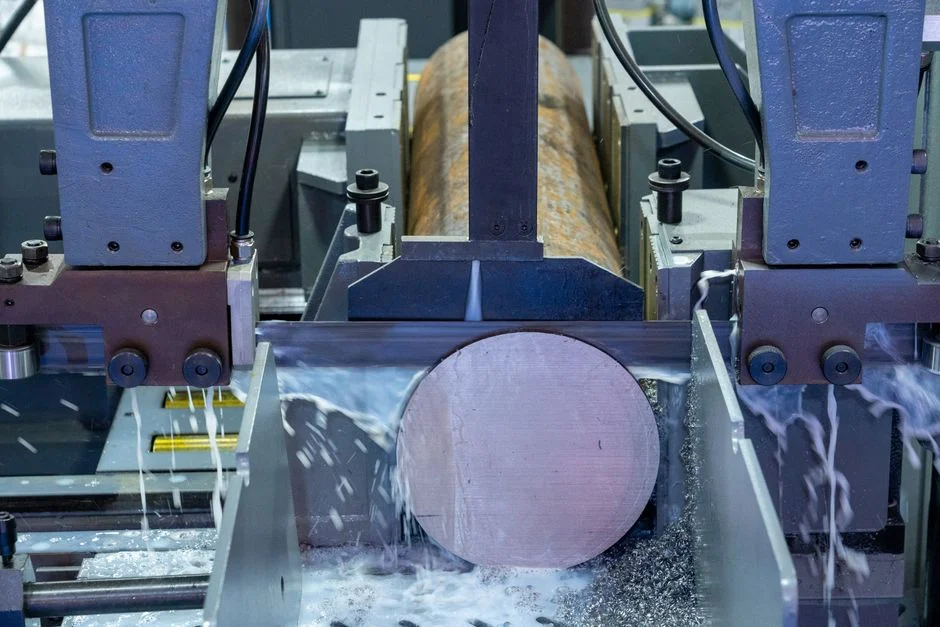
Process selection is driven by influent strength and variability, available footprint, reuse end-use, and brine management cost. Each factor maps to a design choice, and the table below provides the matrix for vendor discussions.
| Decision factor | DAF → CAS / SBR | DAF → MBR (± UF) | DAF → MBR → RO / NF |
|---|---|---|---|
| Influent strength & variability (oil & gas, food, construction) | Moderate, steady streams (food, construction washwater) | Variable or high-strength streams (refinery, F&B, gas-plant) | Variable streams with tight reuse limits |
| Footprint | Largest; multiple basins and clarifiers | Smaller; MBR replaces secondary clarifier with replaceable PVDF flat-sheet MBR modules | Smallest process block but adds membrane hall |
| Reuse end-use | Discharge-only or non-potable landscape | Cooling-tower make-up, toilet flushing, irrigation | Boiler feed, cooling, (in)direct potable reuse per EU WFD-class work (Schrader, Twente) |
| Brine / concentrate handling | Not generated | Not generated | Critical; concentrate disposal becomes a design driver in a coastal desert setting |
Understanding these variables ensures the treatment train aligns with site-specific constraints. Oil & gas produced water and refinery wastewater need robust oil/water separation first (CPI then DAF), because downstream biology is intolerant of even low-level hydrocarbon slugs. Food and beverage sites with relatively steady COD/BOD can move faster to biological treatment, but still need oil/grease removal to protect the MBR against fat fouling.
MBR delivers near-reuse-quality effluent on a smaller plot because the secondary clarifier and most of the effluent polishing collapse into one tank; this matters on constrained Doha industrial parks where land cost dominates the project NPV. Reuse end-use is the design switch. Closed-loop cooling or boiler feed justifies RO/NF polishing (Twente, doi 10.3990/1.9789036523325); landscape irrigation may only need UF + disinfection, with a lower CAPEX and simpler sludge line. Brine management is treated below in the procurement section, as concentrate-disposal costs are highly site-specific.
Sizing, Automation and Digital Controls for a 2026 Doha ETP
An ETP is mis-sized if it is sized on flow alone. The defensible sizing logic is two-axis: hydraulic flow (m³/h or m³/day, with a peak factor of typically 1.5–2.0 over the daily mean for industrial sites) and organic load (kg BOD/day or kg COD/day), checked against the toxicity profile. Hydraulic sizing determines pipework, equalisation, DAF, MBR tankage and RO skid count; load sizing determines aeration capacity, MBR MLSS, sludge yield and the digester's volumetric retention time. Both must be carried into the enquiry, otherwise equipment vendors will size to whichever number is more convenient for them.
Digital control is now a procurement line item. The Toxics 2025 deep-learning multi-source data-fusion model (doi 10.3390/toxics13050349) frames effluent-quality prediction as a multi-input regression problem; the Zenodo 2023 ANN study (doi 10.5281/zenodo.7631298) used five years of influent BOD5, pH, TDS, TSS, COD and coliform data from the Wupa WWTP in Abuja (2013–2017) to predict effluent BOD5 via multilayer perceptron ANNs. These models are useful as templates, but they must be retrained on Doha refinery, gas-plant or F&B data before deployment — a generic algorithm transferred to a Doha site will degrade quickly.
On the plant floor, the digital layer commands a PLC-controlled chemical dosing for pH, coagulant and floc adjustment. The dosing skid is where the model output becomes a setpoint: pH probe → PLC → dosing pump stroke. Without that closed loop, the most accurate effluent predictor on the control room screen cannot change a single kg of coagulant on the dosing line.
Cost, Procurement and Lead-Time Checklist for a Doha ETP
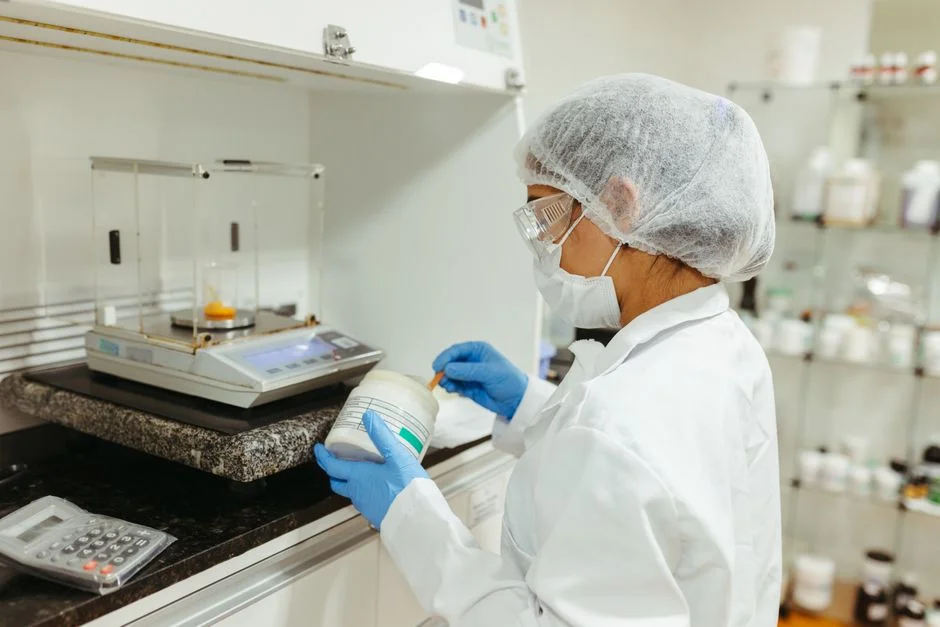
Cost transparency is essential for accurate planning, as industrial ETP pricing depends entirely on flow, load and reuse specifications. A budgetary offer should be requested against (a) average and peak hydraulic flow, (b) influent BOD/COD/TDS/FOG/heavy-metals characterisation, (c) target reuse end-use, and (d) sludge and concentrate disposal pathway. OPEX is dominated by energy (aeration + RO high-pressure pumps), membrane replacement (UF every 5–8 years, RO every 3–5 years depending on feed), chemical consumption, and sludge hauling to a licensed facility.
| Procurement checklist item | Why it matters for Doha 2026 | Buyer action |
|---|---|---|
| Influent characterisation report | Defines load basis; without it, the ETP is guessed. | Commission a minimum 7-day composite sampling campaign before enquiry. |
| MOECC discharge letter or target limits | Hard regulatory floor. | Request the current MOECC schedule from the consultant; do not rely on prior projects. |
| Kahramaa / Ashghal reuse confirmation | Defines polishing train; can shift the design from UF to RO. | Obtain a written end-use specification (cooling, irrigation, district). |
| Sludge and concentrate disposal plan | Recurring OPEX line; can dominate 5-year cost. | Identify the licensed hauler and concentrate disposal route in advance. |
| 5-year OPEX envelope | Energy, chemicals, membranes, sludge. | Request vendor OPEX model with membrane replacement schedule. |
| Long-lead items | RO/NF membrane elements, MBR modules, switchgear. | Confirm ex-works and CIF Doha terms before PO. |
Sludge handling is the line item that most often disappears from the headline CAPEX. A filter press for ETP sludge dewatering — installed and commissioned per the discipline in this field guide for filter press commissioning — reduces sludge volume by an order of magnitude and converts a hauling problem into a containerised-cake problem. For plants on neighbouring UAE sites, a comparable UAE ETP buyer's guide for 2026 offers a useful cost-band reference even though Qatar-specific numbers must still be re-quoted. For polishing alternatives, forward osmosis as an alternative low-fouling polishing option and the nanofiltration design guide for industrial reuse give context on the membrane decisions in the previous section.
Frequently Asked Questions
What is the realistic cost band for an effluent treatment plant in Doha in 2026?
Specific CAPEX figures vary based on flow, load and reuse specifications. Request a budgetary offer with the influent characterisation, MOECC limits, Kahramaa reuse end-use, and sludge/concentrate disposal plan attached. Cross-
Frequently Asked Questions
How much does an effluent treatment plant cost in Doha in 2026?
The capital expenditure for an industrial Effluent Treatment Plant (ETP) in Doha typically ranges from QAR 1.5 million for small-scale modular systems (50–100 m³/day) to over QAR 25 million for large-scale, high-capacity industrial facilities exceeding 2,000 m³/day. Costs are heavily influenced by the specific influent load (COD/BOD levels), required discharge standards, and site-specific civil engineering requirements.
Operational expenditure (OPEX) in 2026 is estimated between QAR 2.50 and QAR 5.50 per cubic meter of treated water, accounting for electricity, chemical dosing, membrane replacement cycles, and labor costs associated with Qatar's regulatory reporting requirements.
Which treatment process is best for an industrial ETP in Qatar — MBR, SBR or conventional activated sludge?
Membrane Bioreactor (MBR) technology is currently considered the optimal choice for industrial ETPs in Qatar due to the extreme scarcity of land and the requirement for high-quality permeate suitable for potential reuse. MBR systems provide a superior physical barrier that produces effluent with turbidity < 0.2 NTU, significantly outperforming conventional activated sludge systems.
Sequencing Batch Reactors (SBR) are viable for facilities with highly variable flow rates, but MBR remains the industry standard for complying with strict Qatari environmental regulations regarding Total Suspended Solids (TSS) and microbial content without requiring secondary tertiary filtration stages.
What MOECC or Kahramaa limits apply to industrial effluent discharge in Doha in 2026?
Discharge limits in Qatar are governed by the Ministry of Environment and Climate Change (MOECC) standards, which generally mandate a Biological Oxygen Demand (BOD) of < 20 mg/L and Chemical Oxygen Demand (COD) of < 150 mg/L for treated effluent discharge into the public sewerage network or treated sewage effluent (TSE) irrigation systems.
For discharge into coastal waters, the MOECC imposes stringent heavy metal limits and strict oil and grease concentrations of < 10 mg/L. Facilities must also adhere to specific salinity thresholds, as excessive Total Dissolved Solids (TDS) can lead to non-compliance penalties under the Qatar National Environmental Law.
What is the typical lead time to design, build and commission an ETP in Qatar?
The typical timeline for an industrial ETP project in Qatar ranges from 10 to 18 months. This includes 2–3 months for Front-End Engineering Design (FEED) and MOECC permitting, 6–10 months for procurement and civil construction, and 2–4 months for mechanical installation, instrumentation, and commissioning.
Lead times are subject to the availability of specialized imported equipment, such as membrane modules or high-efficiency blowers, and the duration of final environmental testing and regulatory certification required before the plant can achieve full operational status.
Can treated Doha industrial wastewater be reused for cooling tower make-up, and what quality is needed?
Yes, treated industrial wastewater can be successfully reused for cooling tower make-up provided the ETP includes a robust tertiary treatment stage such as Reverse Osmosis (RO) or advanced Ultrafiltration (UF). The primary challenge in the Doha climate is the concentration of salts, which necessitates strict control of TDS levels to prevent scaling and corrosion in heat exchangers.
To be suitable for cooling tower make-up, the treated water must maintain a conductivity below 1,000 µS/cm, keep silica levels below 50 mg/L, and ensure that the Langelier Saturation Index (LSI) is managed through precise chemical dosing to avoid mineral precipitation in the cooling circuit.