What a Closed Hydronic Loop Actually Is — and Why Treatment Still Matters
A closed hydronic loop is a sealed recirculating network of piping, pumps and heat-exchange equipment that moves temperature-controlled water through a facility indefinitely, in contrast to open loops where the water is consumed and replaced (Water, MDPI, 2018; EAI 2025). The loop water absorbs heat at the chiller or boiler, releases it through coils, and returns to the source on every cycle, so its treatment requirements are defined by chemistry stability, not by discharge limits.
Even though the system is sealed, trace oxygen enters through make-up water, loose fittings and maintenance events; suspended solids enter with the same water; and chemical imbalance builds through thermal cycling and corrosion byproducts. The documented consequences of not controlling these are rising pumping energy, reduced heat-transfer efficiency, shortened equipment life, and unplanned downtime (EAI 2025). Open-loop configurations, including potable-water combination systems, are not chemically treated and must be built entirely from potable-water-rated materials, which is why the rest of this article addresses only the closed configuration (Water, MDPI, 2018).
The Water-Chemistry Requirements Every Closed Loop Must Meet
Closed loop hydronic system water treatment requirements are defined by seven chemistry parameters that act together; any one of them drifting out of range undermines the others (EAI 2025). pH must be held in a stable band so the protective inhibitor film on steel, copper and aluminium remains intact, because acidic or alkaline excursions destabilise inhibitors and accelerate corrosion. Dissolved oxygen must be controlled because even small residual oxygen reacts with metal surfaces and drives pitting corrosion, leaks and reduced efficiency. A corrosion-inhibitor residual is required — typically drawn from nitrite, molybdate or organic film-forming chemistries — and the inhibitor must be held at the concentration specified for the metals present. Suspended solids and corrosion fragments must be kept low through filtration because they settle inside coils and heat exchangers, block narrow passages, and seed scale formation that reduces heat transfer. Microbial control is required even in closed loops, because biofilms interfere with heat transfer, increase pumping energy and trap impurities that accelerate corrosion. The table below summarises the parameter set an engineer should write into the specification.
| Parameter | Why it matters | Failure mode if out of range |
|---|---|---|
| pH | Stabilises inhibitor film on steel, copper, aluminium | Accelerated general corrosion, inhibitor breakdown |
| Dissolved oxygen | Dominant corrosion driver in sealed loops | Pitting corrosion, leaks, corrosion-product fouling |
| Inhibitor residual (nitrite, molybdate, or organic film-forming) | Forms passivating film on internal metal surfaces | Generalised wall loss, mixed-metal corrosion |
| Suspended solids | Source of deposits, scale seeds and under-deposit corrosion | Coil blockage, reduced heat transfer, pump wear |
| Conductivity | Proxy for dissolved ion load that drives galvanic activity | Higher galvanic corrosion rates, scale potential |
| Microbial count (CFU) | Indicator of biofilm risk and biocide demand | Biological fouling, trapped debris, MIC |
| Glycol concentration (where used) | Sets freeze protection and viscosity; affects inhibitor demand | Freeze damage, pH drift from glycol degradation |
The qualitative targets in the table are the parameters a specification must address; the numeric values are facility-specific and must be set by the water-treatment partner based on the make-up water analysis, the metals present, the operating temperature and the inhibitor family selected (EAI 2025).
Corrosion Inhibitor Chemistry and Material Compatibility
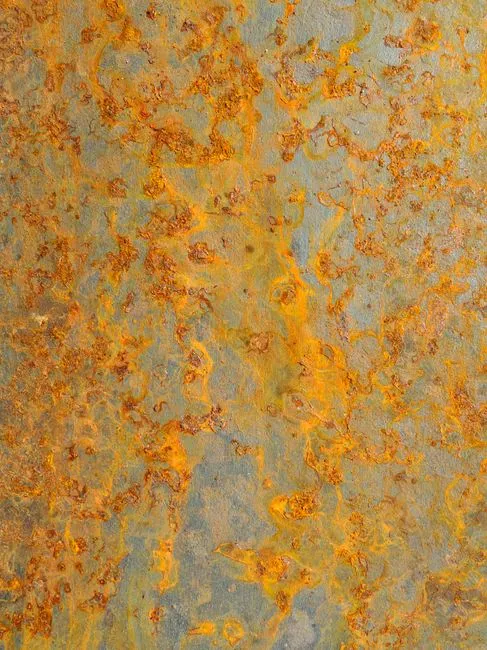
Selecting the correct inhibitor blend ensures long-term integrity for mixed-metal piping and heat-exchanger tubes (EAI 2025). Nitrite-based inhibitors form a passivating film on ferrous surfaces and are widely used where steel dominates the metallurgy, but the program must also include copper protection. Molybdate-based inhibitors provide anodic protection and are favoured in systems with significant copper content, while organic film-forming additives create a stable layer across multiple metal types. The inhibitor only functions when pH is in range and the residual is held; otherwise the protective layer breaks down and the metals revert to active corrosion. The program must therefore be designed for the specific mix of metals, make-up water quality and operating temperature of the loop, rather than copied from a generic bulletin. Implementing that program in practice usually means pairing the chemistry with a PLC-controlled chemical dosing skid for inhibitor and biocide injection so the residual is held automatically rather than relying on intermittent manual dosing.
Glycol Loops: Extra Requirements When You Add Freeze or Process Protection
Cold-climate and process-temperature applications often add propylene glycol or ethylene glycol to lower the freezing point of loop water, and the choice of glycol and its concentration becomes part of the system specification (EAI 2025). Adding glycol changes the inhibitor program; the inhibitor must remain stable in the glycol-water blend, and the program must monitor glycol concentration, not just inhibitor residual. Glycol degrades over time under thermal cycling, producing organic acids that lower pH and increase corrosion risk, so glycol condition — not only concentration — is a required test point. Filtration and air-separation requirements are unchanged, but the test frequency for pH, inhibitor residual and glycol condition typically needs to be higher than in a water-only loop, because the consequences of out-of-range chemistry are amplified by the glycol's reactivity. In practical terms, a glycol loop specification has to add at least three extra test points on top of the water-only parameter set, and the corrective-action thresholds for pH and inhibitor residual usually have to be tightened.
Filtration, Air Separation and Mechanical Side of the Treatment Program
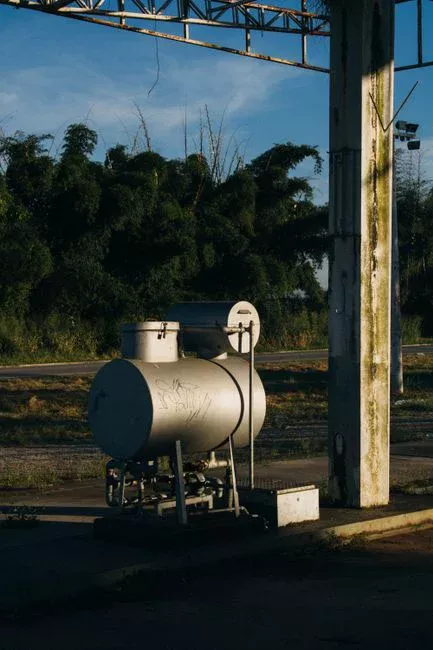
Mechanical components remove the particles and gases that chemistry alone cannot manage (EAI 2025). Side-stream filters, magnetic separators and strainers remove suspended solids, debris and corrosion fragments that would otherwise circulate, settle in coils and seed scale. Air and dissolved-oxygen control relies on airtight operation, proper venting and removal of oxygen at the make-up water point, because dissolved oxygen is the dominant corrosion driver in nominally sealed loops. Modern programs use automated monitoring with alerts on pH, conductivity and temperature so operators can respond before chemistry drifts out of range. Mechanical and chemical control must be specified together: a chemical inhibitor program without filtration and air separation will still fail, and a filtration system without inhibitor chemistry will not stop general corrosion. The same dosing skid that feeds inhibitor and biocide typically ties into the conductivity and pH sensors, so the chemical and mechanical halves of the program respond to the same data stream — a useful consolidation when the engineer is also planning side-stream solids removal with DAF for closed hydronic loops on a heavier industrial system.
Testing Cadence, Documentation and the 2026 Audit Trail
A 2026 program requires a robust, verifiable audit trail to ensure compliance (EAI 2025). The documented tests in a modern closed-loop program are pH, conductivity, temperature, inhibitor residual, dissolved oxygen, suspended solids, microbial count and glycol concentration where applicable. Automated alerts on pH, conductivity and temperature let operators respond before issues develop rather than after a failure. Records of test results, inhibitor doses and filter changes form the audit trail that demonstrates the loop is being maintained to a published standard, which is increasingly required by facility insurers and sustainability programs. A compliant 2026 program should define not only what to test, but how often, who reviews the data, and what the corrective-action thresholds are, so that chemistry drift triggers action before equipment damage occurs. Without that documentation, even a well-treated loop is difficult to defend in a warranty or insurance review.
What a Good Program Buys You — and What Skipping It Costs
A structured treatment program functions as a form of insurance against avoidable capital and operational costs (EAI 2025). Consistent treatment limits the chain of corrosion, fouling and efficiency loss that research identifies as the dominant failure mode in closed hydronic loops, supporting longer equipment life and more stable heat transfer. Poor water quality gradually raises pumping energy, reduces heat-transfer efficiency, shortens equipment life, and can lead to early pump failures, clogged heat exchangers and leaks — each of which translates into direct operating cost. Facilities that run a structured program benefit from low-dose chemical blends that protect metal components while reducing environmental impact, and from sensor calibration, controller programming and remote monitoring that keep the loop in spec. The business case for the program is therefore framed as avoided pump replacement, avoided heat-exchanger rebuild, and avoided unplanned downtime. For facilities also working on broader water-reduction targets, the loop program lines up naturally with closed-loop water recycling and reuse strategies for manufacturing; for high-purity hydronic systems, the same chemistry discipline extends into ultrapure water polishing loops for high-purity hydronic systems.
Sourcing Checklist: Choosing a Treatment Partner and the Equipment That Supports the Program
The right supplier makes the specification defensible through comprehensive on-site support (EAI 2025). Look for a partner whose offering includes an on-site system evaluation covering function, water chemistry and operating conditions, not only a chemical quotation. Require evidence of low-dose chemistry, on-site testing capability, sensor calibration, controller programming and remote monitoring, because these are the documented building blocks of a compliant program in 2026. Confirm the supplier's hardware can support the program: precise chemical injection for inhibitor and biocide dosing, and filtration that handles the suspended-solids and corrosion-fragment load typical of hydronic loops. Ask for a written water-chemistry specification, a test schedule, and defined corrective-action thresholds before commissioning, so the loop leaves the handover with an auditable program attached.
Frequently Asked Questions
What does a closed loop hydronic system actually need in its water-chemistry specification?
The specification must address pH, dissolved oxygen, corrosion-inhibitor residual, suspended solids, conductivity, microbial count, and — where used — glycol concentration, with defined test frequency and corrective-action thresholds for each parameter (EAI 2025). Numeric target values are facility-specific and must be set against the metals present, the make-up water analysis and the operating temperature; request those values in writing from the treatment partner as part of the handover package.
How does adding glycol change the inhibitor program?
Adding propylene or ethylene glycol changes the inhibitor demand because the inhibitor must remain stable in the glycol-water blend, and the program must monitor glycol concentration and condition — not only inhibitor residual — since glycol degradation produces organic acids that lower pH and increase corrosion risk (EAI 2025). The practical effect is that a glycol loop needs at least three additional test points and usually tighter corrective-action thresholds than a water-only loop.
What does a closed loop treatment program cost to run, and how do I budget for it?
Engineering input for a budget should request a written annual program cost broken down into chemistry, on-site testing, sensor calibration, controller programming and remote monitoring (EAI 2025). Frame the budget conversation around avoided pump replacement, avoided heat-exchanger rebuild and avoided unplanned downtime, which research identifies as the dominant cost drivers when treatment is skipped, rather than around the chemical line item alone.
How do I choose a treatment partner and what hardware do I need them to supply?
Select a partner that performs an on-site system evaluation covering function, water chemistry and operating conditions before quoting, and that can deliver low-dose chemistry, on-site testing, sensor calibration, controller programming and remote monitoring as a single program (EAI 2025). Confirm the hardware: precise chemical injection for inhibitor and biocide dosing and filtration sized for the suspended-solids and corrosion-fragment load typical of hydronic loops, and require a written water-chemistry specification, test schedule and corrective-action thresholds as deliverables before commissioning.