Why Indirect Discharge Changes the Compliance Question
A pulp or paper plant that sends wastewater to a municipal sewer in the West Carrollton/Miami Valley area is an indirect discharger, and the rulebook it lives under is therefore different from a mill with its own outfall. EPA's 40 CFR Part 430 effluent guidelines for the pulp, paper and paperboard category are written so that the limits are "incorporated into NPDES permits for direct dischargers, and permits or other control mechanisms for indirect dischargers" (EPA, 40 CFR Part 430). For an indirect discharger, that "other control mechanism" is the local POTW's pretreatment program, sewer use ordinance, and industrial user (IU) permit. EPA explicitly defines an indirect discharger as a facility that discharges pollutants to a publicly owned treatment works.
The practical consequence is that the mill carries two parallel compliance layers. The federal layer is the categorical pretreatment standard for the relevant 40 CFR Part 430 subcategory; the local layer is whatever the receiving POTW has set in its sewer use ordinance and individual permit. POTW limits are often stricter on parameters such as pH, temperature, oil and grease, and certain metals, and they are enforced through a pretreatment program that the POTW itself operates, with monitoring, reporting, and enforcement authority delegated from EPA. A West Carrollton-area engineer should treat the stricter of the two numbers as the binding compliance target on every parameter — a framing consistent with the EPA effluent guidelines compliance guide for industrial dischargers more generally.
For a 2026 audit, the first question is not "do we meet 40 CFR Part 430?" but "which subcategory are we, and what does our POTW's ordinance add on top?" Get that wrong and the rest of the pretreatment design is pointed at the wrong target.
Identifying Your 40 CFR Part 430 Subcategory
"Pulp and paper" is not one rule under 40 CFR Part 430. The category is split into subparts, and the regulated pollutants, BMP expectations, and self-monitoring requirements all depend on which subpart a mill falls into. EPA's subcategory list for Part 430 (Subparts A through L) is the starting point; for a West Carrollton-area operation, the most commonly encountered subparts are Subpart B (Bleached Papergrade Kraft and Soda), Subpart C (Unbleached Kraft), Subpart H (Papergrade Sulfite), Subpart I (Groundwood, including thermo-mechanical and chemi-mechanical), and Subpart J (Deink) (EPA, 40 CFR Part 430 subcategory list).
The reason the subcategory matters is that the categorical standard is written around the process flow, not around "paper" in the abstract. WesTech's reference on the Kraft process describes wood chips cooked at 150–165 °C under pressure in a liquid solution of caustic (NaOH) and sodium sulfide (Na2S) — the "white liquor" — followed by black liquor concentration in multiple-effect evaporators, combustion in a recovery boiler, smelt dissolving to green liquor, green liquor clarification with a dregs filter, slaking and causticising to regenerate white liquor, and lime mud dewatering on a rotary vacuum filter ahead of the lime kiln (WesTech, pulp & paper process reference). That flow generates the pollutant signature (high BOD/COD, color, sulfide, residual lignin, and AOX if bleaching is present) that the categorical limits are designed to control.
A deink mill recycling wastepaper faces a fundamentally different rule than a virgin-fiber bleached kraft mill. The two operations have different regulated pollutants, different expected BMPs, and different self-monitoring schedules, so the subcategory identification is not paperwork — it sets the engineering target.
| 40 CFR Part 430 subpart | Mill type relevant in West Carrollton/Miami Valley | Process anchor |
|---|---|---|
| Subpart B — Bleached Papergrade Kraft and Soda | Market pulp, paperboard, tissue, and fine paper at bleached kraft or soda mills | Kraft or soda cook plus bleaching |
| Subpart C — Unbleached Kraft | Linerboard, bag paper, and unbleached kraft / semi-chemical cross-recovery mills | Kraft cook, no bleaching |
| Subpart H — Papergrade Sulfite | Papergrade sulfite mills using blow pit washing or drum washing | Sulfite cook, blow pit or drum pulp wash |
| Subpart I — Groundwood | Groundwood chemi-mechanical, thermo-mechanical, and other mechanical pulp mills | Mechanical fibre separation, no cooking chemicals |
| Subpart J — Deink | Recycled fibre mills producing fine paper, tissue, or newsprint from deinked pulp | Repulping, deinking, secondary fibre |
The Standard Pretreatment Train for a West Carrollton Mill
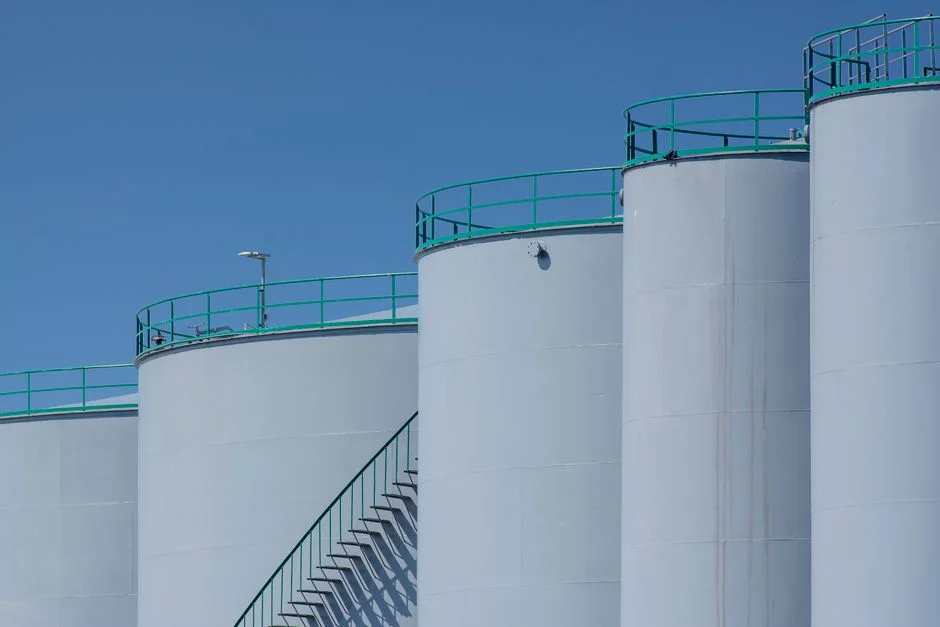
The unit operations a mill specifies should follow the same order regardless of subcategory: headworks, primary separation, biological treatment, and polishing. The BioResources review of pulp and paper industry practices and opportunities states that "conventional wastewater treatment systems, often comprising primary clarification followed by activated sludge processes, have been widely implemented in the P&P industry," and that "higher levels of pollutant removal can be achieved by supplementary treatments, which can include anaerobic biological stages, advanced oxidation processes, bioreactors, and membrane filtration technologies" (Hubbe et al., BioResources review). The point of the train is to remove contaminants in the order they are easiest to remove — large solids first, then colloidal and dissolved organics, then trace pollutants — and to keep each stage's influent within the design range of the next.
Headworks should start with a rotary mechanical bar screen to remove rags, plastics, and fibrous debris that would otherwise rag up downstream pumps and biological tanks. Flow equalization immediately downstream dampens BOD and pH swings so the biological stage does not see shock loads. For primary separation, primary clarification handles settleable solids; where the load is high in fibre, FOG, or colloidal material, a dissolved air flotation system is the preferred step, and the BioResources review explicitly identifies DAF systems as an upstream process change used to reduce pollutant load and effluent volume. The biological stage is typically activated sludge, with an anaerobic stage added either upstream or as a side-stream when the goal is energy-positive BOD reduction; chemical-pulping effluents are reported to contain more than 40% poorly biodegradable organics (Dahlman et al. 1995, cited in BioResources review), which is why anaerobic and advanced biological configurations are common. Polishing typically uses a multi-media filter, a sand-ballasted clarifier such as a RapiSand system, or membrane filtration where the mill is closing the water loop; the WesTech reference notes that ballasted flocculation followed by dual-media filtration can produce clarified water with less than 1 mg/L TSS suitable for cooling-tower make-up or further treatment by reverse osmosis.
Upstream of the end-of-pipe train, the BioResources review identifies DAF save-alls, filtration save-alls, and "kidney-like" process-water purification loops as the most cost-effective interventions. A process-water MBR such as an MBR membrane bioreactor system is one option for closing a kidney loop, and bar screens plus DAF units are the typical first stage of a new end-of-pipe train. The cheapest kilogram of BOD removed is the one that never reaches the sewer at all.
Parameters You Must Self-Monitor Before Sewer Discharge
The parameter list a West Carrollton engineer should walk into a POTW meeting with falls into three tiers. Tier 1 is always on: flow, pH, and temperature. Local sewer use ordinances almost always cap pH and temperature, and a mill cooking chips at 150–165 °C in white liquor (WesTech) must cool and neutralise before anything can go to the sewer. Tier 2 is the conventional pollutant set: BOD/BOD5, COD, and TSS. The BioResources review identifies these as the parameters most P&P treatment trains are designed to remove and notes that Canada's Pulp and Paper Effluent Regulations "set limits on the amounts of total suspended solids (TSS) and biochemical oxygen demand (BOD), and prohibit the discharge of effluents that display acute lethality to fish" — the same regulatory logic that US POTWs apply by analogy. Tier 3 is category-specific: AOX for any bleached chemical pulping, sulfide for Kraft mills using Na2S-bearing white liquor, and color for mills with a chlorine-bleaching history. AOX emissions from pulp and paper mills have been reduced by over 80% since 1990 (Friere et al. 2003, cited in BioResources review), but the parameter is still on the categorical list for bleached subparts. Sampling frequency and point are anchored in 40 CFR Part 430, with the rule's self-monitoring framework around 40 CFR 430.45 as the authority the POTW will reference; the exact frequency is subcategory-dependent and must be confirmed against the current IU permit. The BOD water treatment process guide covers the underlying reduction methods.
| Parameter | When it applies | Regulatory anchor |
|---|---|---|
| Flow, pH, temperature | All indirect discharges | Local sewer use ordinance; 40 CFR Part 430 subcategory limits |
| TSS, BOD, COD | All P&P subcategories | 40 CFR Part 430 categorical standards; local POTW IU permit |
| AOX | Bleached chemical pulping (Subpart B, etc.) | 40 CFR Part 430 cluster rule limits |
| Sulfide | Kraft and sulfite mills using sulfide-bearing liquor | 40 CFR Part 430 subcategory limits |
| Color | Bleached mills, historically chlorine-bleached operations | 40 CFR Part 430 subcategory limits; local ordinance |
Upstream Process Changes That Shrink the End-of-Pipe Bill
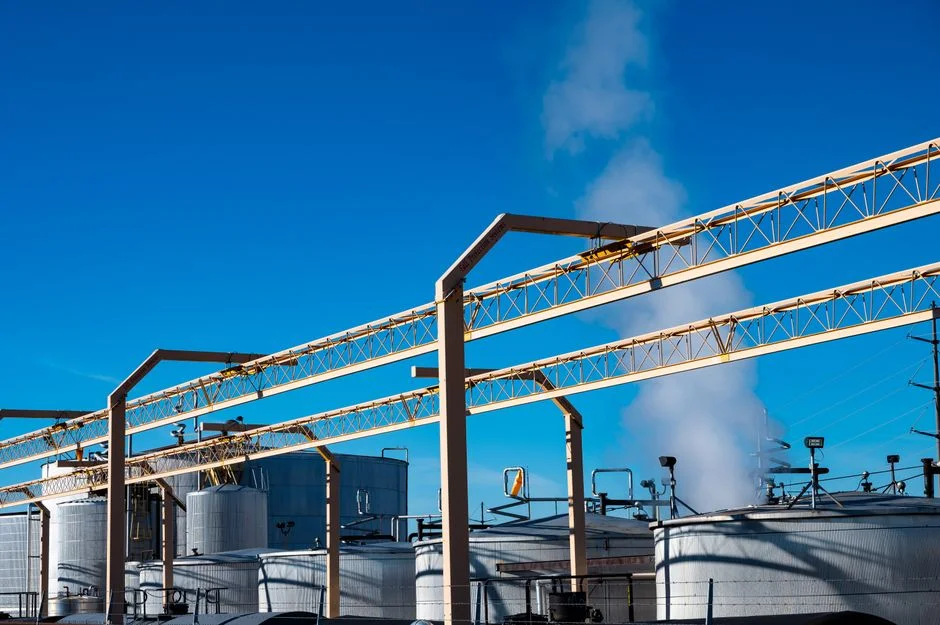
Water recirculation and in-process fibre recovery are almost always cheaper than adding a new biological tank at the back end, and the industry has decades of data showing the approach is mature. The BioResources review reports that the P&P sector has "reduced water consumption over the past 20 years by nearly a half and over the past 30 years by an impressive 95% per tonne of paper (Blanco et al. 2004)" — proof that internal recirculation is technically and economically established. The same review identifies DAF save-alls, filtration save-alls, and kidney-like process-water purification loops as the specific upstream process changes that "intercept contaminants before they reach the sewer."
For the engineer, the implication is straightforward. Every percentage point of internal reuse reduces the hydraulic and pollutant load on the end-of-pipe biological stage, which directly cuts aeration energy and sludge-handling cost — the two largest operating-cost lines in a pulp-mill ETP. For a 2026 budget cycle, that means screening the upstream kidney loop first and only then sizing new biological or polishing capacity. The two levers are not equivalent in cost; they are often a factor of three or more apart.
2026 Pretreatment Checklist for a West Carrollton Mill
Use this short list as a pre-audit pass before the next POTW inspection or internal review.
- Confirm your 40 CFR Part 430 subcategory and pull the current categorical standards from the EPA Effluent Limitations Guidelines page; do not rely on a 2010s-era copy of the rule.
- Obtain your POTW's sewer use ordinance and the facility's IU permit; map every local limit against the federal categorical standard and identify the stricter of the two — that is your binding number.
- Audit the unit-operation chain (bar screen → equalization → primary clarification or DAF → biological (activated sludge ± anaerobic) → polishing) and identify the single weakest link for TSS, BOD, or pH.
- If bleaching is on site, confirm AOX and color monitoring and review whether elemental-chlorine-free (ECF) or totally-chlorine-free (TCF) bleaching would reduce the AOX compliance burden, an industry trend since 1990 documented in the BioResources review.
- Document a 12-month rolling self-monitoring record that can be handed to the POTW pretreatment inspector on request, with sampling points and chain-of-custody consistent with 40 CFR Part 430 self-monitoring expectations.
Frequently Asked Questions
What does a 2026 pretreatment upgrade typically cost a West Carrollton pulp and paper mill?
The research does not supply a 2026 CAPEX figure for a pulp-and-paper pretreatment train, and any number cited here would be invented. A defensible budgeting pass requires three vendor inputs the engineer should request in writing: (1) a sized equipment list with itemised cost for a DAF unit, bar screen, biological stage, and polishing step; (2) an installed-cost estimate that includes civil works and instrumentation; and (3) an annual operating-cost projection covering aeration energy, polymer, and sludge handling. The cheapest baseline comparison is a kidney-loop upgrade versus an additional biological tank, because the two options have very different installed costs and operating profiles.
How should we select a pretreatment equipment supplier for a 2026 retrofit?
Use three checks supported by the research. First, confirm the supplier can document prior deliveries of dissolved air flotation (DAF) systems and rotary mechanical bar screen equipment to mills operating under 40 CFR Part 430, not just to general industrial sites. Second, require reference installations with measured effluent TSS at the design flow, comparable to the WesTech-documented sub-1 mg/L TSS performance from ballasted flocculation followed by dual-media filtration. Third, ask for a written performance guarantee tied to the binding POTW limit on every relevant parameter, not to a generic design figure. As a delivery and lead-time check, request a current shop-fabrication schedule and a sanctioned drawing date in writing; pretreatment retrofits that miss a POTW inspection window are a compliance risk, not just a schedule risk.
How do we know if our mill should be classified as Subpart B, C, H, I, or J?
Match your dominant process to the 40 CFR Part 430 subcategory list (EPA). A bleached kraft or soda mill is Subpart B; an unbleached kraft mill is Subpart C; a papergrade sulfite mill is Subpart H; a thermo-mechanical or chemi-mechanical mill is Subpart I; and a mill recycling deinked wastepaper is Subpart J. The subcategory determines the regulated pollutant list and the self-monitoring frequency, so the match has to be done before the parameter table in the prior section is finalised.
What is the single highest-leverage change we can make in 2026 to reduce compliance risk?
Confirm in writing that the binding compliance number on every parameter is the stricter of the federal categorical standard and the local POTW limit, then audit the unit-operation chain for the weakest link. In practice, the largest compliance-risk reductions in 2026 come from closing a fibre-recovery or white-water kidney loop upstream, which directly cuts the load on every downstream unit operation, rather than from adding polishing capacity to a biological stage that is already running at design limit.
Related Equipment
- rotary mechanical bar screen — specifications, capacity range, and technical data
- MBR membrane bioreactor system — specifications, capacity range, and technical data