What 'Contractors Sludge Treatment Systems' Actually Means in 2026
Contractor-grade sludge treatment systems fall into three procurement categories: mechanical dewatering trains (plate and frame filter presses at 1–500 m²), high-rate anaerobic reactor packages such as UASB, EGSB, and IC units, and full-service digester or lagoon cleaning contracts. The right choice depends on the cake dryness target, daily wet-sludge volume, and whether the scope is EPC supply, retrofit, or recurring maintenance.
For U.S. bidders, the downstream liability is fixed by 40 CFR Part 503, the EPA rule titled "Standards for the Use or Disposal of Sewage Sludge." Under that rule, biosolids have only three legal end-uses: land application, landfilling, or incineration. The EPA collects biosolids annual reports from roughly 2,350 facilities across 41 states, the District of Columbia, and tribal lands where EPA is the permitting authority — that is the population whose contract flow drives equipment demand. The U.S. sanitary sewer system produces about 62.5 billion gallons (≈235 million tons) of wastewater per day from 16,000 publicly owned treatment works, yielding biosolids with a calorific value around 12 MJ/kg (International Plasma Technology Center). At that scale, the gap between a 25% dry-solids cake and a 35% cake is the difference between a viable landfill haul and a land-applicable product, and it is set by the equipment a contractor bids.
Comparing the Three Equipment Trains Contractors Bid
Procurement categories for sludge treatment prioritize different feed conditions, end-uses, and contract models.
| Parameter | Mechanical Dewatering (Plate & Frame) | High-Rate Anaerobic (UASB / EGSB / IC) | Service / Dredging Contract |
|---|---|---|---|
| Typical feed | Continuous wet sludge, 1–4% DS | High-strength industrial wastewater, COD > 2,000 mg/L | Lagoon sediment, digester residuals |
| Daily capacity range | 1–500 m³/h wet sludge, depending on filtration area | 5–500 m³/h wastewater feed | Project-based, hundreds to thousands of m³ per campaign |
| Cake dryness / output | 25–35% DS cake (filter press) | 1–3% excess granular sludge + biogas | 20–60% DS after dewatering on-site |
| Footprint | Compact skid or frame; small units fit inside existing buildings | Tall reactors, 6–15 m height; needs biogas handling | Amphibious/barge rigs, no permanent site footprint |
| Energy use | Electric only (feed pumps, hydraulics, PLC) | Net energy positive — biogas recovery | Diesel-powered mobile plant |
| CapEx band (2026) | Low to high, scales with m² | Medium to high, scales with reactor volume | OpEx only (no asset purchase) |
| Best-fit contract type | EPC supply, retrofit, plant upgrade | Industrial WW EPC, energy-recovery project | Lagoon restoration, 3–5 year dredging cycle |
Mechanical dewatering fits continuous municipal or industrial bids where a guaranteed cake dryness matters for haul economics. The plate and frame filter press, in sizes from 1 m² to 500 m², is the most-bid unit in this category and remains the workhorse for contractors specifying sludge dewatering equipment on a 2026 plant upgrade.
High-rate anaerobic reactors dominate when the feed is hot, high-strength, and steady — agro-food, beverage, brewery, distillery, pulp and paper, and dairy wastewaters. The 40-year review of anaerobic sludge bed technology (van Lier, 2008, via Reviews in Environmental Science and Bio/Technology) confirms more than 4,000 high-rate reactors installed worldwide, with UASB and EGSB reactors and their derivatives holding about 90% of the installed market share.
Service and dredging contracts are the right answer for an existing lagoon or digester with accumulated solids, not for greenfield dewatering duty. Most wastewater lagoons and ponds need dredging on a 3–5 year cycle, with high-volume plants requiring more frequent campaigns (Bullock Construction field data). A contractor scoping this as a service rather than a system purchase should price it per cubic meter removed plus disposal.
Plate and Frame Filter Presses: The 2026 Workhorse for Contractor Dewatering
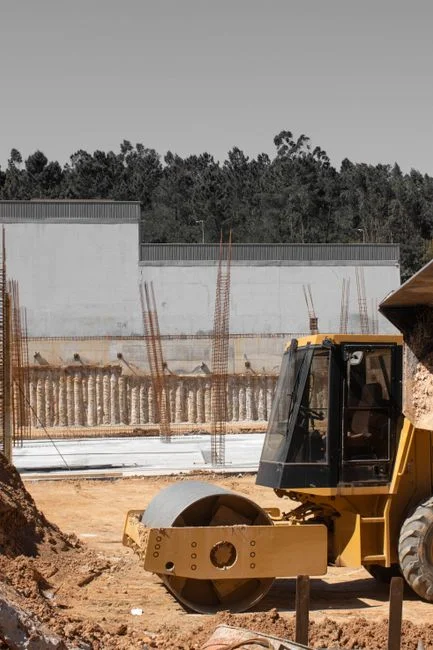
A plate and frame filter press sized in m² of filtration area is the most specified mechanical dewatering unit on contractor bids in 2026. Operating modes run from manual (small units, labor-heavy sites), through hydraulic (mid-range, semi-automatic), to fully automatic PLC-controlled (unmanned or low-staff plants). Mode selection should follow the contract labor model: a service-contractor fleet running multiple sites per week is rarely justified on full PLC, while a centralized municipal EPC almost always is.
Standard press sizes span 1 m² to 500 m² in roughly 13 increments. The translation from wet-sludge flow to required filtration area uses a flux rule of thumb of 2–4 kg dry solids per m² per cycle-hour, which depends on feed solids, polymer conditioning, and cake target. For a 50 m³/h feed at 2% DS, the dry-solids load is 1,000 kg DS/h; at 4 kg DS/m²·h, that maps to a 250 m² press, and at 2 kg DS/m²·h, a 500 m² unit. Real cake dryness for conditioned mixed sludge is 25–35% DS, with the upper end driven by polymer dose (typically 3–10 kg active polymer per tonne DS), feed temperature, and pressing time.
For contractors quoting a 2026 EPC line, the HydropureWater plate and frame filter press covers the 1–500 m² range in manual, hydraulic, or PLC-controlled modes and is sized to the same 2–4 kg DS/m²·h flux band. A regional cost reference for sizing dewatering fleets against 40 CFR Part 503 and polymer economics is given in this regional sludge dewatering equipment cost and compliance guide, which walks through the same 25–35% cake dryness target against African municipal bids.
When Anaerobic Digestion or Sludge-to-Energy Beats Mechanical Dewatering
Anaerobic treatment is the preferred bid when the influent COD is high, steady, and the client prioritizes energy recovery or reduced haul volume of stabilized biosolids. UASB, EGSB, and IC reactors and their derivatives hold about 90% of the installed high-rate anaerobic reactor market (van Lier, 2008, as cited in Reviews in Environmental Science and Bio/Technology, 2015).
The energy math is concrete. Anaerobic conversion yields about 13.5 MJ CH₄ per kg COD removed, which converts to roughly 1.5 kWh-electric at 40% electric conversion efficiency. Against an activated-sludge baseline that consumes about 1 kWh of fossil energy per kg COD removed for aeration, anaerobic treatment saves roughly 1 kWh of grid energy per kg COD removed while generating usable biogas. In the Netherlands, the resulting over 90% reduction in sludge production materially changed plant economics.
Beyond biogas, plasma-assisted sludge gasification models thermal efficiency approaching 85% in the most efficient configuration (International Plasma Technology Center). This is not a commodity 2026 bid; it sits in the demonstrator-to-first-commercial tier, and contractors should treat it as a future scope rather than a current procurement line. For a sense of where municipal fecal-sludge plant pipelines are moving in 2026, see the recent 2026 emerging-market fecal sludge plant news on the Greater Lomé program.
Sizing and Cost Bands Contractors Should Quote in 2026
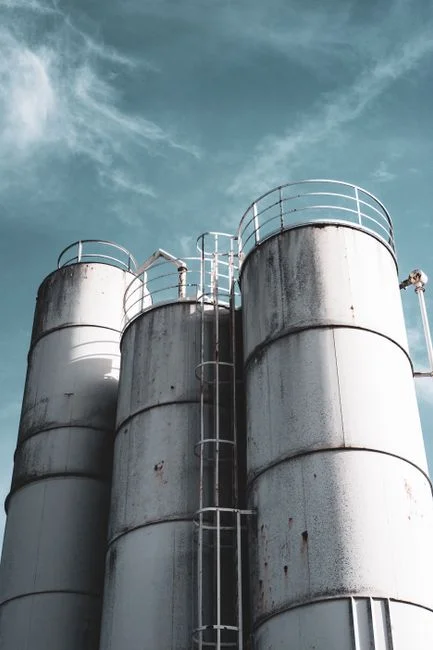
A defensible 2026 bid converts the technical comparison into a worked sizing and a cost band. Take a 50 m³/h wet-sludge feed at 2% DS: that is 50,000 L/h × 20 g/L = 1,000 kg DS/h. Applying the 2–4 kg DS/m²·h flux rule, the required filtration area is 250 m² at the high-flux end and 500 m² at the conservative end. At 25–35% cake dryness, that 1,000 kg DS/h compresses to roughly 2.9–4.0 m³/h of cake for haul — a number that drives the OpEx side of the contract.
| Press Size Band | Typical Application | Procurement Driver |
|---|---|---|
| 5–20 m² | Mobile service-contractor fleet, small industrial sites | Mobility, single-operator deployment |
| 50–150 m² | Municipal WWTPs, mid-size industrial plants | Daily throughput, PLC automation |
| 200–500 m² | Centralized regional dewatering hubs, large industrial EPC | Minimum cake haul, landfill avoidance |
No public 2026 price list exists for plate and frame filter presses at this size, so cost is described qualitatively by band rather than by line item. The dominant OpEx drivers on a dewatering contract — and the levers for protecting margin — are polymer dose, power per cycle, washwater, and cake haulage. On a 40 CFR Part 503 land-application outlet, every extra point of cake dryness below 25% DS is paid for in polymer and haul; above 30% DS, every extra point is hard-won and must be priced.
Selecting a Sludge Treatment System: A 4-Step Decision Framework
Step 1 — Classify the feed. Continuous wet sludge from a WWTP or industrial process line points to mechanical dewatering. Digester or thickener residuals in a one-off cleaning campaign point to a service or dredging contract. High-strength, steady industrial wastewater with COD in the multi-thousand mg/L range points to anaerobic digestion or a combined AD-plus-dewatering train.
Step 2 — Pick the end-use outlet under 40 CFR Part 503. The three legal end-uses for biosolids in the U.S. are land application, landfilling, or incineration. Land application generally demands the highest biosolids quality and a 25–35% cake; landfill can accept wetter cake but charges by mass and water content; incineration is indifferent to dryness and can monetize the 12 MJ/kg calorific value. Work backward from the required end-use to required cake dryness and equipment spec.
Step 3 — Match capacity to daily wet-sludge flow using the sizing math above (kg DS/h, m² at 2–4 kg DS/m²·h, m³ cake/h for haul).
Step 4 — Choose the supply model. Equipment-only suits a buyer with in-house commissioning staff. Equipment plus commissioning suits most EPC and retrofit scopes. Full recurring service suits lagoons and seasonal or low-throughput sites where a 3–5 year dredging cycle (per Bullock Construction field data) is acceptable and CapEx is not.
Frequently Asked Questions
What does "contractors sludge treatment systems" actually cover on a 2026 bid?
It covers three procurement categories: mechanical dewatering equipment (plate and frame filter presses, 1–500 m², cake DS 25–35%), high-rate anaerobic reactor packages (UASB/EGSB/IC, about 90% of installed high-rate anaerobic capacity per van Lier 2008), and recurring digester or lagoon cleaning service contracts. The right category is set by feed type, end-use under 40 CFR Part 503, and contract model — equipment sale, EPC supply, or service.
How do I size a plate and frame filter press from a wet-sludge flow?
Convert wet flow to dry-solids load: m³/h × DS% × 10 = kg DS/h. Divide by 2–
Frequently Asked Questions
What is the best sludge treatment system for a small contractor in 2026?
For small-scale operations, a containerized, automated mobile filter press remains the industry standard due to its balance of capital expenditure and performance. In 2026, modular screw presses are increasingly preferred over traditional presses for sites processing less than 50 cubic meters of sludge per day because they offer lower energy consumption, typically operating at 0.5 to 1.5 kW per hour, and require minimal operator intervention via PLC-based remote monitoring.
How do you size a plate and frame filter press for a given sludge flow?
Sizing is determined by calculating the total solids mass loading per cycle, typically targeting a cake dryness of 30% to 45% solids. Engineers use the formula: Volume = (Flow Rate × Solids Concentration × Cycle Time) / (Cake Density × Solids Capture Efficiency). For most contractor applications, sizing is based on a standard 2-hour cycle time, ensuring the plate count provides sufficient cubic footage to accommodate the anticipated daily sludge volume without exceeding the hydraulic feed pressure of 100 psi.
What is the difference between mechanical dewatering and anaerobic digestion for contractors?
Mechanical dewatering is a physical separation process that utilizes filter presses or centrifuges to remove water and increase solids concentration, typically for transport or disposal. Anaerobic digestion is a biological stabilization process that uses microbial action in an oxygen-free environment to break down organic matter, reducing the volatile solids content by 40% to 60% and producing biogas, which is rarely feasible for mobile contractor service models due to the high infrastructure requirements and long hydraulic retention times of 15 to 30 days.
How often do wastewater lagoons need to be dredged under a service contract?
Lagoon dredging frequency is dictated by the rate of biosolids accumulation, which is measured via annual sludge level surveys. Most municipal and industrial lagoons require professional dredging every 5 to 10 years to prevent the sludge blanket from reaching the lagoon's hydraulic capacity or interfering with aerobic treatment zones. If the sludge depth exceeds 25% of the total lagoon depth, operational performance significantly degrades, necessitating immediate maintenance.
Are biosolids from a contractor's dewatering operation regulated under 40 CFR Part 503?
Yes, any biosolids generated from wastewater treatment processes that are land-applied, surface-disposed, or incinerated must comply with 40 CFR Part 503. Contractors must ensure that the final sludge product meets specific pathogen reduction levels (Class A or Class B) and vector attraction reduction requirements, while strictly adhering to pollutant concentration limits for heavy metals such as arsenic, cadmium, lead, and mercury as defined in the EPA’s regulatory tables.