What a Chemical Injection Pump Does in an Industrial Plant
A chemical injection pump is a positive-displacement metering device that delivers a precise, repeatable volume of reagent per stroke or revolution, in contrast to a centrifugal transfer pump that moves bulk fluid. In a 2026 industrial facility, that precision is the difference between meeting a discharge permit and paying a penalty: a ±1% accuracy shift on a $200,000/year sodium hypochlorite budget moves roughly $2,000 of reagent annually, and it can swing residual chlorine, pH, or total phosphorus above or below the limit set in your NPDES permit.
Five core functions dominate plant dosing: pH adjustment with sulfuric acid, sodium hydroxide, or sodium bisulfate; coagulation and flocculation with alum, polyaluminum chloride, or emulsion polymer; disinfection with sodium hypochlorite or chlorine dioxide; corrosion and scale inhibitor feed for cooling and boiler systems; and polymer or emulsion injection for sludge conditioning. Global sales of chemical injection equipment reached approximately $32 billion in 2022 and are projected to exceed $65 billion by 2032 (per itcpumps.us, 2024), while the EPA's most recent assessment of US drinking-water infrastructure needs places the 20-year capital and operational gap above $470 billion (per itcpumps.us citing EPA). Those two figures are why 2026 specification choices are commercially and environmentally significant — every plant audit and every rate case now leans on documented dosing accuracy.
For a broader view of how dosing packages fit into a 2026 plant treatment train, see this comparison of industrial wastewater treatment solutions in 2026.
The Five Pump Families Used for Industrial Chemical Injection
Five architectures cover virtually every chemical injection duty in a US plant. Each has a different pressure ceiling, accuracy profile, and wetted-material story, so the engineering trade-off is rarely about which pump is "best" and almost always about which is best for a specific chemistry and pressure point.
Diaphragm pumps (electric and pneumatic) are the workhorse. A PTFE or flexible elastomer diaphragm isolates the motive fluid from the process chemical, the pump is self-priming, and the liquid end can be built from PP, PVDF, or SS316 (per carewater.solutions, 2025). They handle corrosive acids, sodium hypochlorite, caustic, and mid-viscosity polymers. Piston pumps use a plunger in a cylinder to generate higher discharge pressures with finer flow control, which is why they are specified for reverse osmosis and membrane filtration duty where pressures routinely exceed 250 PSI. Peristaltic pumps compress a flexible hose so no seal or check valve ever touches the chemistry, making them the default for shear-sensitive flocculants, abrasive slurries, and sterile dosing.
Gear pumps use meshing rotors to move low-viscosity fluids at constant flow and moderate pressure; they are accurate enough for transfer duty but lack the turndown and chemical isolation of a diaphragm. Centrifugal injection pumps use an impeller to push high volumes at low pressure and dominate wastewater transfer, but their flow control is weaker than any positive-displacement design (per carewater.solutions, 2025). In a 2026 shortlist, expect diaphragm, piston, and peristaltic to cover roughly 85% of industrial chemical injection applications.
Side-by-Side Specifications: How Each Pump Type Compares
The table below consolidates the parameters a procurement or engineering team needs to shortlist pump families before requesting quotes. Flow, pressure, and stroke figures for diaphragm metering pumps reflect Iwaki America's published ratings: 80 GPH at 250 PSI (140 SPM) and 856 GPH at 145 PSI (116 SPM) (per Iwaki America catalog). Accuracy bands below are typical engineering ranges for each architecture, not a guarantee of any specific vendor's performance.
| Pump family | Flow range | Max discharge pressure | Typical dosing accuracy | Viscosity tolerance | Chemical compatibility notes | Self-priming | Maintenance interval | Capital cost band |
|---|---|---|---|---|---|---|---|---|
| Diaphragm (electric) | 0.1–856 GPH (per Iwaki) | Up to ~250 PSI | ±1% | Up to ~5,000 cP with reinforced diaphragm | PTFE-faced diaphragms for aggressive acids; PVDF/PP liquid ends for caustics and NaOCl | Yes | Diaphragm rebuild 4,000–8,000 h | $ |
| Piston (metering) | 1–500 GPH typical | Up to ~5,000 PSI | ±0.5% | Up to ~10,000 cP | SS316/Hastelloy liquid ends; packing or seal flush required for slurries | Yes | Packing/seal service 2,000–4,000 h | $$ |
| Peristaltic | 0.01–500 GPH | Up to ~200 PSI (element-dependent) | ±1–2% (varies with hose life) | Excellent for high-viscosity and shear-sensitive fluids | Hose material (Norprene, Viton, PTFE) defines chemistry | Yes | Hose replacement 1,000–2,000 h | $ |
| Gear | 5–500 GPH | Up to ~200 PSI | ±2–5% | Limited to low-viscosity (under ~1,000 cP) | SS or alloy body; avoid with abrasives | Limited | Gear/bearing service 4,000–8,000 h | $ |
| Centrifugal (injection duty) | 100–10,000+ GPH | Up to ~150 PSI | ±5–10% | Low to moderate | Alloy/liner selection; poor for slurries | No (flooded suction) | Bearing/seal service 8,000+ h | $ |
Two practical takeaways from the matrix. First, dosing accuracy falls in a clear hierarchy — piston (±0.5%) > diaphragm (±1%) > peristaltic (±1–2%) > gear (±2–5%) > centrifugal (±5–10%) — and that hierarchy should drive selection whenever the chemistry is aggressive and the permit is tight. Second, the maintenance column is where most buyers underestimate 5-year cost: a peristaltic hose is cheap, but replacing it every 1,500 hours across a plant fleet adds up fast.
How to Match Pump Type to Your Application
The fastest way to a defensible shortlist is to anchor the duty to the chemistry, not the other way around. For pH adjustment with sulfuric acid, sodium hydroxide, or sodium bisulfate, the default is an electric diaphragm metering pump with a PTFE diaphragm and a leak-detection double-diaphragm option (per carewater.solutions, 2025). For coagulation and flocculation, choose a diaphragm or peristaltic with a low-shear path; emulsion polymers are shear-sensitive and lose activity if the pump overworks them.
Disinfection with sodium hypochlorite or chlorine dioxide requires a diaphragm with a PVDF or PTFE liquid end and a degassing valve, because off-gas from NaOCl accumulation rapidly attacks standard elastomer diaphragms. For RO and membrane antiscalant or biocide feed, the discharge pressure must sit above the RO feed pressure, which usually pushes the choice toward a piston or high-pressure diaphragm rated above 250 PSI. Cooling tower and boiler inhibitor feed typically settles on a low-flow diaphragm driven by conductivity feedback. For oil and gas or hazardous-area service, the standard is an explosion-proof (ATEX/IECEx/UL Class I Div 1) pneumatic diaphragm with API 675 documentation, especially on a chemical injection skid. Engineers can review a skid package such as the HydropureWater automatic chemical dosing system to see how these duty choices map to a factory-built package.
US Compliance Standards That Should Drive Pump Selection in 2026
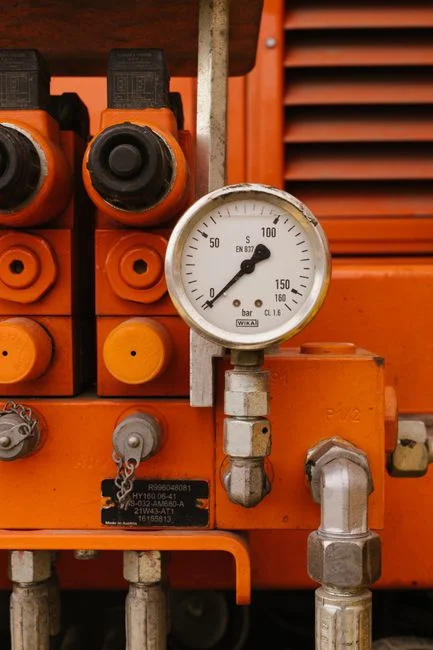
US buyers cannot shortlist dosing pumps purely on flow and pressure in 2026; compliance paperwork drives the PO. 40 CFR Part 136 defines EPA-approved methods for wastewater sampling and analysis, and accurate dosing is what makes that analytical chemistry defensible. 40 CFR Part 403 (General Pretreatment Regulations) governs Significant Industrial User (SIU) compliance, which means the chemical feed has to be repeatable and documented, not just "approximately right." NSF/ANSI 61 certification is required for any wetted component in contact with potable water — coagulants, fluoride, pH adjusters — so a 316 stainless head without the certification will not pass a drinking-water specification. API 675 is the American Petroleum Institute's standard for reciprocating positive-displacement chemical metering pumps and is routinely called out in oil and gas and heavy-industry RFQs.
Add OSHA 1910.119 (Process Safety Management) and NEC Class I Division 1 or 2 hazardous-area requirements whenever a flammable chemical is being dosed at scale. The EPA's 20-year, $470B US drinking-water infrastructure gap (per itcpumps.us citing EPA) means more pretreatment and potable dosing projects are landing under audited, publicly-tracked budgets in 2026, which raises the documentation bar for every pump on the skid.
Automation, Controls and Remote Monitoring in 2026
A dosing package in 2026 is no longer a bare pump head. Modern systems integrate PLC controllers with 4–20 mA, pulse, and fieldbus (Modbus, Ethernet/IP, Profinet) I/O, and they run closed-loop control off pH, ORP, or conductivity probes (per HydropureWater product documentation, 2025). Remote monitoring via SCADA, cloud dashboards, and mobile apps is now standard on most factory-built skids, which is what makes unmanned operation of remote wellheads, lift stations, and oilfield injection points economically viable (per itcpumps.us, 2024).
Two 2026 differentiators are worth weighing during evaluation. First, AI-driven leak detection and predictive maintenance are emerging on premium units — the controller flags diaphragm fatigue or hose wear before the pump fails (per carewater.solutions, 2025). Second, skid-mounted, pre-wired, and factory-tested packages cut field installation time and commissioning risk substantially versus stick-built panels. For a worked example of how a PLC-driven dosing skid is wired and commissioned, the automatic pH control system overview for 2026 walks through the signal path from probe to pump stroke.
5-Year Lifecycle Cost: What the Cheapest Pump Really Costs
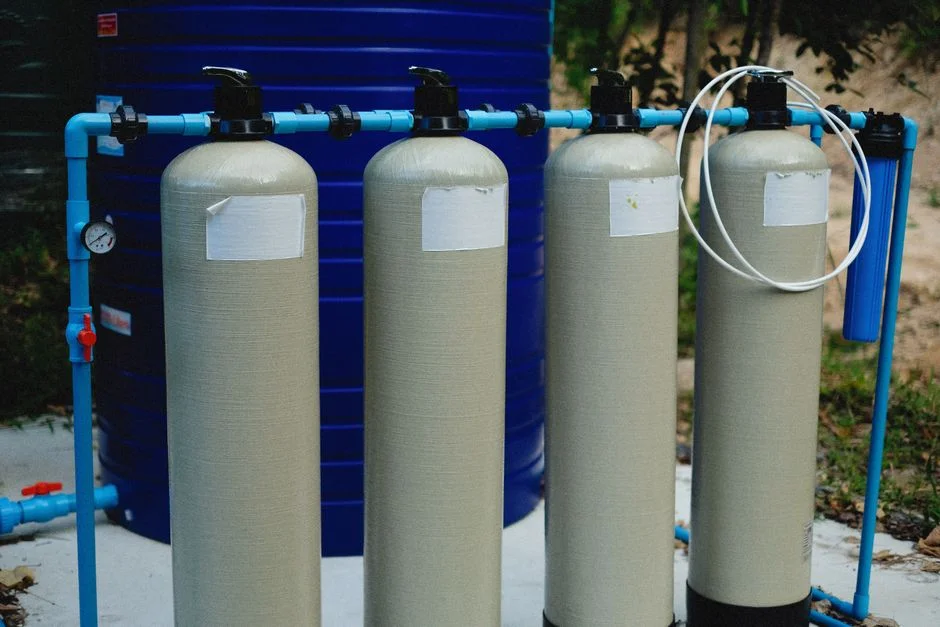
Capital cost is typically only 20–35% of 5-year total cost of ownership on a chemical injection pump. Chemical consumption, energy, spare diaphragms or hoses, seals, and unplanned downtime dominate the rest. A ±1% accuracy improvement on a $200,000/year sodium hypochlorite budget saves roughly $2,000/year in chemistry, and that calculation multiplied across coagulant, polymer, acid, and caustic lines is what makes the case for a higher-accuracy piston or diaphragm to a finance team.
Maintenance intervals matter as much as sticker price. A peristaltic hose change every 1,000–2,000 hours versus a diaphragm rebuild every 4,000–8,000 hours changes the spare-parts budget significantly across a multi-pump skid. Capital bands for packaged systems are illustrative engineering ranges, not quotes: a small skid with 1–3 pumps and a basic panel lands in the $15,000–$60,000 range; a mid-range packaged system with multiple pumps, a controller, and a calibration column runs $60,000–$200,000; an engineered multi-pump skid with PLC, redundant feeders, and full API 675 documentation typically starts above $200,000 and can exceed $500,000.
| Pump family | CAPEX band (per pump) | Typical annual maintenance | Chemical waste penalty (relative) | Notes |
|---|---|---|---|---|
| Diaphragm (electric) | $ – $$ | Low (diaphragm, check valves) | Low | Best balance of accuracy and OPEX for general chemical feed |
| Piston | $$ | Moderate (packing, seals) | Lowest | Best when accuracy dominates the cost case and pressures are high |
| Peristaltic | $ | Moderate to high (hoses) | Low to moderate | Hose inventory and labor offset low CAPEX |
| Gear | $ | Low to moderate | Moderate to high | Weak accuracy penalty shows up in chemistry waste |
| Centrifugal (injection duty) | $ | Low | Highest | Use for transfer, not precision dosing |
How to Specify and Buy a Chemical Injection Pump in 2026
Define the duty before you talk to vendors. Capture the chemical, concentration, flow range (GPH or LPH), discharge pressure (PSI), viscosity, temperature, and solids content. Match that envelope to a pump family using the comparison table, then verify wetted-material compatibility against the chemistry — PP, PVDF, PTFE, SS316, and Hastelloy cover the vast majority of industrial feedstocks but are not interchangeable.
Require compliance certificates on the PO: NSF/ANSI 61 for any potable contact, API 675 for oil and gas metering, and ATEX/IECEx/UL for hazardous-area enclosures. Specify the control interface up front — analog 4–20 mA, pulse input, or fieldbus (Modbus, Ethernet/IP, Profinet) — and confirm the skid will integrate with the plant SCADA without a custom gateway. Finally, demand a factory acceptance test (FAT), published performance curves, and a documented commissioning plan as table-stakes deliverables, and shortlist suppliers who offer them in writing. To review a pre-engineered 2026 dosing package, the HydropureWater automatic chemical dosing system is a useful reference for what a complete skid specification should include.
Frequently Asked Questions
Which pump type is most accurate for chemical dosing in 2026?
Piston metering pumps are the most accurate of the five families, typically achieving ±0.5% steady-state accuracy, with electric diaphragm pumps close behind at ±1% (per carewater.solutions, 2025). For general chemical feed where discharge pressure stays under 250 PSI, an electric diaphragm delivers the best balance of accuracy and OPEX.
What US compliance standards apply to chemical injection pumps?
The four that come up on almost every 2026 US RFQ are 40 CFR Part 136 (EPA wastewater sampling methods), 40 CFR Part 403 (General Pretreatment Regulations for SIUs), NSF/ANSI 61 (potable-water wetted components), and API 675 (positive-displacement chemical metering pumps for oil and gas). Hazardous-area sites also need ATEX/IECEx or UL Class I Div 1/2 enclosures and OSHA 1910.119 PSM coverage.
How much does a packaged chemical dosing skid cost in 2026?
A small skid with 1–3 pumps and a basic panel typically falls in the $15,000–$60,000 range, mid-range packaged systems with multiple pumps and a controller run $60,000–$200,000, and engineered multi-pump skids with PLC control, redundant feeders, and full API 675 documentation start above $200,000 and can exceed $500,000. Figures are illustrative engineering bands; actual pricing depends on materials, flow, and certification scope.
How do I translate pump accuracy into annual chemical savings?
Take the annual chemical spend, multiply by the accuracy improvement as a decimal, and you have a first-pass chemical-waste reduction estimate. A shift from ±5% to ±1% on a $200,000/year sodium hypochlorite budget is roughly $8,000/year in avoided over-dosing, before factoring in reduced permit excursions and lower sludge handling. For a deeper breakdown of OPEX drivers on a dosing package, see the lifecycle section above and the broader comparison of industrial wastewater treatment solutions in 2026.