Why Water-Industry Automation Controls Are Being Bought, Not Just Built
The global water-and-wastewater automation and control market is sized at USD 3,810.44M in 2024, USD 4,020.79M in 2025, and is forecast to reach USD 6,881.27M by 2035 at a 5.52% CAGR (Market Research Future, 2025). Inside that envelope, the advanced-automation sub-segment — IoT-enabled sensors, AI-driven process optimisation, and SCADA-integrated digital twins — is expanding at over 10% CAGR, which is where most of the M&A premium is currently being paid. Three structural forces are pulling strategic acquirers into the category: water scarcity affecting over 2 billion people globally, multi-billion-dollar annual infrastructure investment in treatment and reuse, and tightening regulatory compliance under the U.S. EPA NSPS framework, the EU Industrial Emissions Directive 2010/75/EU, the EU Drinking Water Directive 98/83/EC, and the European Green Deal. SCADA remains the technology backbone of the category, so any acquirer evaluating a controls business will underwrite the SCADA book of business first and value the rest of the stack against it. For a distributor weighing whether to sell, partner, or hold, the message is direct: the bid environment is active now, not in some hypothetical 2028.
What Makes an Acquirer a 'Best' Fit for a Water-Industry Controls Target
Four screening criteria separate a strategic acquirer that will pay a premium from a financial buyer that will underwrite to a spreadsheet. Apply these before signing an NDA.
Criterion 1 — Water-specific installed base. A buyer with municipal and industrial water customers extracts 2–3× more cross-sell per acquired account than a general factory-automation platform, because the regulatory buyer, the end user, and the maintenance contractor are often the same person. General-industrial conglomerates routinely discount water exposure as a "vertical", which is the first sign they will not be the highest bidder.
Criterion 2 — Regulatory and standards coverage. The certifications that move a buyer from interested to committed are: EPA NSPS alignment, EU IED 2010/75/EU familiarity, EU Drinking Water Directive 98/83/EC, IEC 61131-3 for PLC programming, and ISA-95/ISA-88 batch integration for plants that mix continuous and discrete processes. A target whose documentation is audit-ready against these frameworks shortens diligence by 4–6 weeks, which is itself a price lever.
Criterion 3 — Recurring service-revenue mix. Acquirers pay materially higher multiples for businesses where service, retrofits, and SCADA support contracts push the recurring share above ~30%. Anything below ~25% caps valuation, because the buyer is then paying growth-multiple prices for project revenue that walks out the door at contract end.
Criterion 4 — Channel footprint. North America holds 40% of demand and Europe 30% (Market Research Future, 2025) — those are the geographies acquirers most want to densify. Asia-Pacific (20%) and MEA (10%) are the expansion frontier, and a target that already has a registered entity, local stock, and a working service partner in those regions is worth a real premium.
| Criterion | What the buyer underwrites | Threshold that triggers a premium bid |
|---|---|---|
| Water-specific installed base | Municipal + industrial water accounts | ≥ 60% of revenue from named water end-users |
| Regulatory coverage | EPA NSPS, EU IED 2010/75/EU, EU DWD 98/83/EC, IEC 61131-3, ISA-95/88 | Documentation audit-ready, no open non-conformities |
| Recurring service revenue mix | Service + retrofit + SCADA support | > 30% of total revenue, > 35% to clear a competitive bid |
| Channel footprint | Local stock, service partners, registered entity | Coverage in NA and EU, with APAC or MEA as upside |
The Acquirer Archetypes Distributors Should Benchmark Against
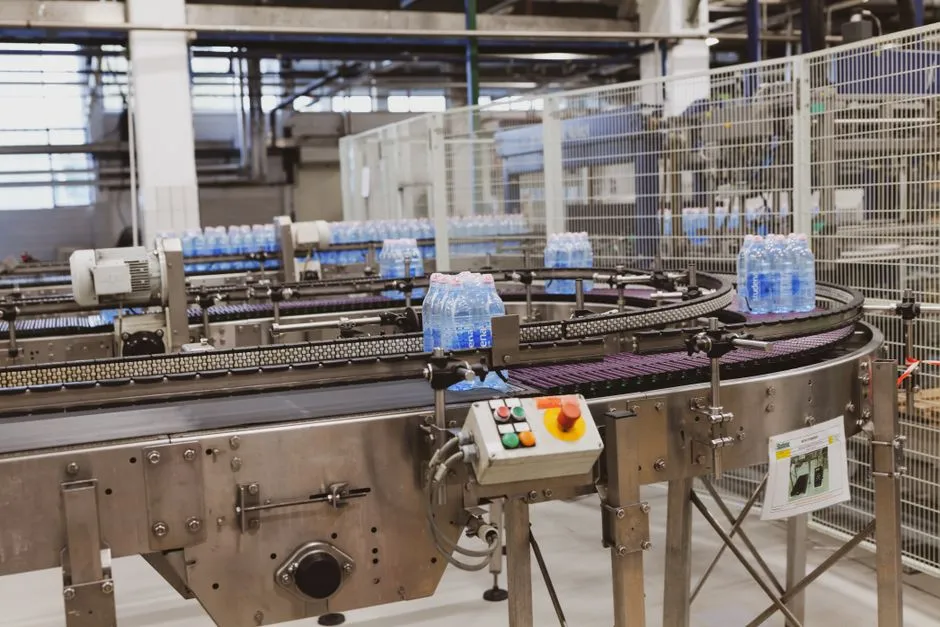
Named M&A targets in water-automation shift quarterly, so the durable answer to "who is buying" is an archetype shortlist, not a roster. Four buyer types account for the bulk of strategic activity in 2026.
Archetype A — Diversified industrial-automation platforms. Large multi-product groups adding water as a vertical. Typical deal logic: bolt a water franchise onto a factory-automation base to lift blended margins. They look for USD 50–200M revenue targets with strong SCADA exposure and named municipal accounts. The single biggest reason deals fail diligence here is a "water-vertical" that turns out to be 12% of revenue rather than the 40–50% the buyer assumed at teaser stage. Cross-sell the buyer's existing PLC base into a packaged MBR wastewater treatment system bid to test strategic intent early.
Archetype B — Water-utility pure-plays. Specialists whose entire thesis is water and wastewater automation. They pay the highest strategic premium because every customer is referenceable into the next sale, but they demand the cleanest regulatory track record and will walk away from any open EPA consent decree. These acquirers are the natural home for a distributor with > 70% water exposure and an audit-ready compliance file.
Archetype C — Process-controls and instrumentation conglomerates. Buyers bundling controls with sensors, valves, and dosing skids. They favour targets with strong dosing and chemical-feed integration — a PLC-controlled chemical dosing skid business is a textbook fit. The diligence-killer here is a controls book that is too tightly coupled to a single OEM's sensor line, which compresses synergy estimates and lengthens the carve-out discussion.
Archetype D — EPC platform consolidators. Engineering, procurement and construction firms absorbing controls capability to win more turnkey plant contracts. Especially active in MEA and Southeast Asia where new wastewater and reuse capacity is being built, often under sovereign-funded programmes. They underwrite to project pipeline, not to recurring revenue, so the price multiple is lower but certainty of close is higher once an EPC master agreement is signed.
| Archetype | Typical deal logic | Target profile | Most common diligence-killer |
|---|---|---|---|
| A — Diversified industrial-automation platforms | Add water as a vertical to lift blended margin | USD 50–200M revenue, strong SCADA | Water exposure lower than teaser implied (< 15%) |
| B — Water-utility pure-plays | Deepen referenceable water book | > 70% water revenue, clean compliance file | Open EPA consent decree or unresolved DWD non-conformity |
| C — Process-controls & instrumentation conglomerates | Bundle controls with sensors, valves, dosing | Dosing / chemical-feed integration strength | Single-OEM sensor lock-in limiting synergy math |
| D — EPC platform consolidators | Win more turnkey plant contracts | Project pipeline in MEA, SE Asia, desalination | No transferable EPC prequalification or bonding capacity |
Regional M&A Hotspots: Where the Best Acquirers Are Looking in 2026
The Market Research Future regional split — NA 40%, EU 30%, APAC 20%, MEA 10% (Market Research Future, 2025) — translates directly into acquirer demand intensity. Map your outreach to where bidders are most active, not where your headquarters sits.
North America (40%). Ageing municipal SCADA installed bases (much of it 1990s-era) and EPA-driven consent decrees are forcing utilities to upgrade, which is producing a wave of platform consolidations. Typical deal profile: USD 20–80M revenue distributors with multi-state service coverage and an installed Rockwell/Schneider/AVEVA SCADA book.
Europe (30%). The Water Framework Directive and the European Green Deal are forcing capex on municipal and industrial users, and acquirers want to bolt on regional distributors with strong municipal relationships and EU DWD 98/83/EC compliance depth. The CE-marking audit trail is the screening item that determines whether a European target gets to second round.
Asia-Pacific (20%). Smaller share but the fastest growth rate, with new MBR and RO capacity creating greenfield-plus-retrofit demand. Acquirers chase this via local platforms rather than direct entries, so a distributor with PRC, Indian, or Vietnamese entity coverage is positioned for a control-premium bid.
Middle East & Africa (10%). Smallest share but rising fast, with mega-project EPCs acquiring controls capability as part of desalination and reuse build-outs. Multiples are lower than NA, but deal velocity is rising because sovereign-funded programmes compress the decision timeline.
| Region | Share of demand | Primary acquirer demand driver | What bidders underwrite first |
|---|---|---|---|
| North America | 40% | Ageing SCADA + EPA consent decrees | Multi-state service coverage, named municipal accounts |
| Europe | 30% | Water Framework Directive + European Green Deal | EU DWD 98/83/EC and CE-marking audit trail |
| Asia-Pacific | 20% | New MBR / RO capacity, retrofit demand | Local entity, stock, and service partners |
| Middle East & Africa | 10% | Desalination and reuse mega-projects | EPC prequalification, project pipeline, sovereign-buyer relationships |
Distributor Self-Audit: Are You a Target the Best Acquirers Will Fight Over?
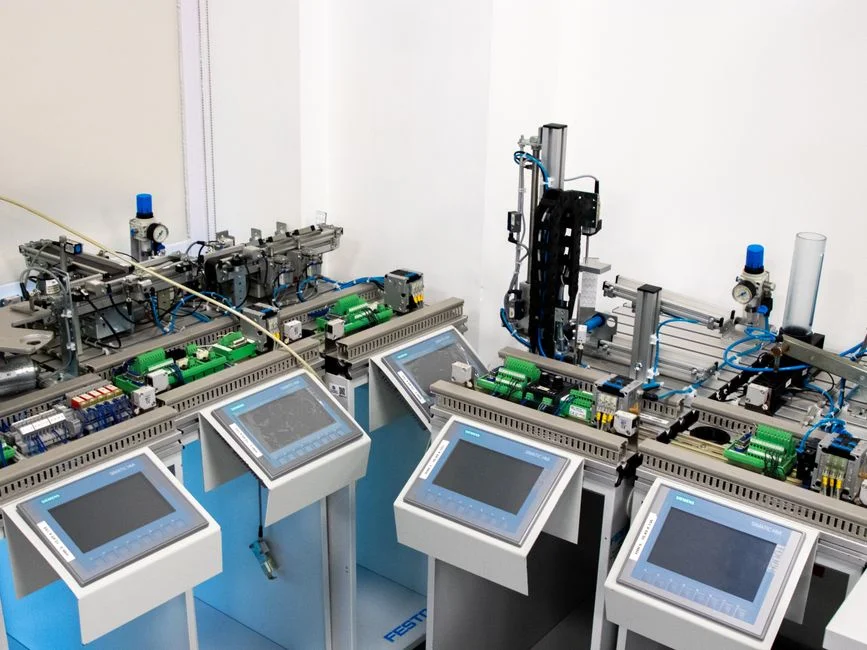
Five numbers tell a strategic acquirer whether your business is a "must-bid" or a "pass". Run this audit before you talk to anyone on the buy side.
- Recurring service-revenue percentage. Below ~25% caps valuation. Above ~35% is what bidders compete on. Retro-fit work, SCADA support contracts, and recurring calibration revenue all count.
- Customer concentration. No single customer above 15–20% of revenue is the rule of thumb acquirers apply. Above that, a buyer will haircut synergies or insert an earn-out clause tied to that account's renewal.
- Regulatory documentation depth. EPA NSPS records, EU IED 2010/75/EU compliance files, and EU Drinking Water Directive 98/83/EC paperwork being audit-ready is a non-negotiable screening item. A target with 18 months of clean compliance evidence shortens diligence by 4–6 weeks and is treated as lower integration risk.
- Technology stack coherence. A coherent PLC + SCADA + HMI story beats a patchwork of legacy products in diligence. Stack coherence also makes the eventual SCADA-integrated digital twin comparison for water utilities story easier to write into the bid book.
- Talent retention plan. Acquirers discount targets that cannot name a successor for the founder or principal engineer. A written retention plan, with named individuals and term, removes a standard 10–15% valuation haircut.
Two adjacent items that get looked at next: whether your installed base is tied to a single proprietary OEM platform (compresses price), and whether your recurring work is anchored on a 2026 cloud monitoring platform cost and buyer's guide-shaped OPEX model that a strategic buyer can scale. The 2026 comparison of industrial wastewater treatment solutions is also a useful benchmark for how bidders view adjacent product lines — see the 2026 comparison of industrial wastewater treatment solutions for the framework acquirers themselves use to size your competitive position.
What the Best Acquirers Will Demand After Close
Headline price is the easy part. The operational reality of being acquired is where most post-close disappointments live, and it is decided in the SPA, not at signing.
Earn-out tied to order-intake growth. Standard structure is a 12–24 month earn-out benchmarked to order intake in the acquired entity. The fix: agree the order-intake definition (booked vs. shipped, FX treatment, intercompany elimination) before signing, not during the audit.
Channel-conflict and non-compete clauses. Founders typically face a 24–36 month non-compete and a customer-handover commitment that locks them into supporting the top 20 accounts through the earn-out. Acquirers will also require non-solicit of named employees.
Platform migration. Migration of the acquired SCADA/PLC stack onto the acquirer's platform is where most post-close integration risk lives. Targets with a multi-vendor SCADA book (e.g. mixed AVEVA, Ignition, WinCC) face longer migration tails than single-platform houses. Build the migration plan and resourcing into the deal model from the start.
Year-one regulatory audits. Where the target has EPA NSPS or EU IED exposure, acquirers will commission an independent compliance audit in the first 12 months. Pre-empt this with your own audit report — it both de-risks the buyer and sets a defensible baseline for any earn-out disputes.
Frequently Asked Questions
What is a water-industry automation controls acquirer?
A strategic buyer whose primary thesis is acquiring SCADA, PLC, and DCS franchises — plus the recurring service revenue attached to them — that serve municipal and industrial water and wastewater end-users. The four archetypal buyer types are diversified industrial-automation platforms, water-utility pure-plays, process-controls conglomerates, and EPC consolidators.
Which companies acquire water-automation firms?
Rather than naming specific companies (the M&A target list shifts every quarter), benchmark against the four archetypes in this article and match your business to the one whose deal logic aligns with your installed base, regulatory file, and recurring revenue mix. The named buyers rotate, the archetypes do not.
What multiples do water-automation targets fetch?
Multiples are driven by recurring service-revenue mix: a target with < 25% recurring revenue is priced on EBITDA, while targets with > 35% recurring revenue attract a revenue-multiple premium that compensates for higher synergy potential. Concrete deal multiples are not in the public SERP data and are deal-specific, so focus on improving the recurring mix rather than chasing a headline number.
How does a distributor prepare for sale?
Run the five-point self-audit in the previous section: lift recurring service revenue above ~30–35%, reduce any single-customer concentration below 15–20%, get regulatory documentation (EPA NSPS, EU IED 2010/75/EU, EU DWD 98/83/EC) audit-ready, rationalise the technology stack, and write a named talent retention plan. Each item on its own moves the bid; together they move the multiple.
Is now a good time to sell a water-automation distributor?
Yes. The headline market is compounding at 5.52% CAGR through 2035, the advanced-automation sub-segment above 10% CAGR, and regulatory drivers (EPA NSPS, EU IED 2010/75/EU, EU DWD 98/83/EC, Water Framework Directive) are forcing capex across NA, EU, APAC, and MEA. Strategic acquirers are active now because compliance deadlines are forcing utility upgrades on a 3–5 year clock, and the bid environment for audit-ready targets remains competitive through at least 2027.