Why Gujarat’s Industries Are Switching to Package Wastewater Treatment Plants
Package wastewater treatment plants in Gujarat offer a compact, modular solution for industrial and municipal sewage, with capacities ranging from 1 to 80 m³/h and compliance with Gujarat PCB’s 2025 discharge standards (e.g., BOD < 30 mg/L, TSS < 100 mg/L). These pre-engineered systems combine biological treatment (e.g., MBR, SBR, MBBR) with sedimentation and disinfection in a single unit, reducing footprint by up to 60% compared to conventional plants. Costs in Gujarat average ₹15–25 lakhs per m³/day capacity, depending on technology and automation level, with payback periods of 3–5 years for industrial applications.
Gujarat’s industrial areas, such as Surat, Vapi, and Ankleshwar, face regulatory pressure. The Gujarat Pollution Control Board (GPCB) updated its compliance framework under Notification No. GPCB/2023/128, mandating stricter discharge limits for industrial effluents (BOD < 30 mg/L, COD < 250 mg/L, TSS < 100 mg/L). For a factory manager in a Surat textile unit, these regulations often result in compliance delays and heavy penalties when aging, conventional treatment systems fail to meet peak load requirements. Traditional civil-work-heavy plants struggle with the extreme space constraints found in GIDC (Gujarat Industrial Development Corporation) zones in Ahmedabad and Vadodara.
A recent case study of a textile factory in Surat illustrates the shift. The facility was facing frequent compliance violations due to fluctuating influent quality (BOD ranging from 350 to 500 mg/L). By replacing their conventional activated sludge plant with a modular MBR package system, they reduced footprint by 55% and achieved consistent effluent BOD levels below 10 mg/L. This transition reduced compliance violations by 40% within the first six months of operation. The modular nature of these plants allows Gujarat’s growing SMEs to scale capacity from 5 m³/h to 50 m³/h without extensive civil construction, making them the preferred choice for rapid industrial expansion.
Package Wastewater Treatment Plant Technologies: MBR vs SBR vs MBBR for Gujarat’s Needs
Selecting the right technology for a package plant in Gujarat depends on the specific influent characteristics and the desired reuse quality. In industrial zones where land prices are high, such as the Sanand or Savli industrial estates, the footprint-to-efficiency ratio is the primary technical driver. Membrane Bioreactor (MBR) technology is increasingly dominant for pharmaceutical and chemical applications due to its superior filtration capabilities.
MBR (Membrane Bioreactor) systems provide near-reuse-quality effluent with TSS < 1 mg/L and turbidity < 0.2 NTU. This is critical for industries aiming for Zero Liquid Discharge (ZLD). While MBR offers a 60% smaller footprint compared to conventional systems, it carries a higher CAPEX (₹22–28 lakhs/m³/day) and requires membrane replacement every 3-5 years, costing approximately ₹5–7 lakhs for a 50 m³/h system. For high-density projects, an MBR package plant for Gujarat’s high-effluent-quality requirements (e.g., pharmaceuticals, textiles) is often the most viable long-term investment.
SBR (Sequencing Batch Reactor) is a time-controlled process where all treatment steps occur in a single tank, reducing the need for separate clarifiers. It has a lower CAPEX (₹12–18 lakhs/m³/day) but requires sophisticated automation and skilled operators. In Gujarat, where trained technicians command salaries of ₹15,000–20,000 per month, the O&M costs must be carefully balanced against initial savings. SBR is highly effective for nutrient removal, making it ideal for municipal sewage projects.
MBBR (Moving Bed Biofilm Reactor) utilizes plastic media to provide a surface for biofilm growth. It is a robust, "set-and-forget" technology that handles variable organic loads well—perfect for seasonal industries like food processing. The CAPEX ranges from ₹15–20 lakhs/m³/day. While it requires media replacement every 8–10 years (costing ₹3–5 lakhs for a 50 m³/h system), its low maintenance requirements make it popular for hotels and residential townships. For sites with restricted surface area, an underground package sewage treatment plant for Gujarat’s space-constrained sites utilizing MBBR technology can be installed beneath parking lots or green belts.
| Parameter | MBR (Membrane Bioreactor) | SBR (Sequencing Batch) | MBBR (Moving Bed) |
|---|---|---|---|
| Effluent BOD (mg/L) | < 5 | < 20 | < 30 |
| Effluent TSS (mg/L) | < 1 | < 20 | < 30 |
| Footprint Requirement | Very Low (100%) | Medium (180%) | Low (140%) |
| CAPEX (₹/m³/day) | 22 – 28 Lakhs | 12 – 18 Lakhs | 15 – 20 Lakhs |
| Energy Use (kWh/m³) | 0.8 – 1.2 | 0.5 – 0.7 | 0.4 – 0.6 |
Gujarat PCB Compliance Checklist for Package Wastewater Treatment Plants
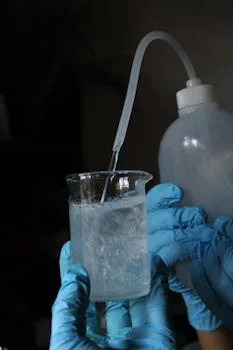
Gujarat Pollution Control Board (GPCB) compliance requires a rigorous technical approach to plant design and documentation. Engineers must verify that the package plant is designed to meet the 2025 discharge limits, which vary slightly between industrial and municipal applications but generally emphasize low nutrient and organic levels.
The primary regulatory hurdles are the Consent to Establish (CTE) and the Consent to Operate (CTO). The CTE must be obtained before any construction or equipment procurement begins. GPCB typically takes 60–90 days to process these permits, with fees ranging from ₹50,000 to ₹2 lakhs depending on the plant capacity and the capital investment of the parent facility. Once the plant is commissioned, a CTO is required, which involves on-site inspections and performance testing by GPCB-authorized personnel.
Sampling protocols are another critical area. For package plants, GPCB mandates daily monitoring of pH and flow, with weekly analysis of BOD, COD, and TSS. For municipal projects, fecal coliform must remain below 1000 MPN/100mL. To ensure data accuracy, plants should utilize accredited labs in Gujarat such as Pollucon Laboratories (Surat), Detox Corporation (Surat), or Gujarat Laboratory (Ahmedabad). A common pitfall in Gujarat is the underestimation of disinfection requirements; many plants fail compliance because they rely on manual chlorine dosing rather than automated systems like an on-site chlorine dioxide disinfection for Gujarat’s package wastewater plants.
| Parameter | GPCB 2025 Limit (Industrial) | GPCB 2025 Limit (Municipal) | Typical Package Plant Performance |
|---|---|---|---|
| pH | 6.5 – 8.5 | 6.5 – 9.0 | 7.0 – 8.0 |
| BOD (3 days at 27°C) | < 30 mg/L | < 20 mg/L | 5 – 15 mg/L |
| COD | < 250 mg/L | < 100 mg/L | 30 – 60 mg/L |
| TSS | < 100 mg/L | < 50 mg/L | < 10 mg/L (MBR) |
| Oil & Grease | < 10 mg/L | < 10 mg/L | < 2 mg/L |
A Vadodara-based chemical plant recently faced a fine of ₹12 lakhs after exceeding COD limits during a surprise GPCB inspection. The root cause was an undersized equalization tank in their package system, which failed to buffer a surge in organic load. Corrective actions included retrofitting the plant with advanced biological carriers and improving the sludge management plan to ensure regular removal of excess biomass.
Cost Breakdown: Package Wastewater Treatment Plants in Gujarat (2025 Data)
Budgeting for a package wastewater treatment plant in Gujarat requires a multi-faceted cost model that accounts for CAPEX, OPEX, and localized infrastructure costs. While the initial equipment cost is the largest component, the long-term ROI is heavily influenced by Gujarat’s utility rates and water scarcity. For a detailed cost breakdown for Vadodara’s industrial zones, engineers must consider the specific electricity tariffs, which currently range from ₹8 to ₹12 per kWh.
CAPEX for a package plant includes the pre-fabricated treatment units, pumps, blowers, and automation panels. However, "hidden" costs often account for 20-30% of the total project budget. These include civil foundation work (₹5–10 lakhs), shed construction, and GPCB permit fees. Sludge disposal is another significant factor; in Gujarat, industrial sludge must be sent to TSDF (Treatment, Storage, and Disposal Facilities), with costs ranging from ₹2,000 to ₹4,000 per ton depending on the moisture content and toxicity.
The Return on Investment (ROI) is most attractive for industries that reuse treated water for cooling towers or landscaping. With industrial water tariffs in Gujarat priced between ₹40 and ₹60 per m³, a 50 m³/h MBR plant can save a facility over ₹60 lakhs annually in water procurement costs alone. This leads to a payback period of approximately 3.5 years. Additionally, SMEs can leverage Gujarat government subsidies under the Swachh Bharat Mission or industrial incentive schemes, which can cover up to 30% of the plant cost.
| Plant Capacity (m³/h) | MBR CAPEX (₹ Lakhs) | SBR CAPEX (₹ Lakhs) | Annual OPEX (₹ Lakhs) |
|---|---|---|---|
| 5 m³/h | 35 – 45 | 25 – 30 | 4 – 6 |
| 20 m³/h | 85 – 110 | 60 – 75 | 12 – 18 |
| 50 m³/h | 240 – 320 | 180 – 220 | 35 – 50 |
Top 5 Package Wastewater Treatment Plant Suppliers in Gujarat: Technical Comparison
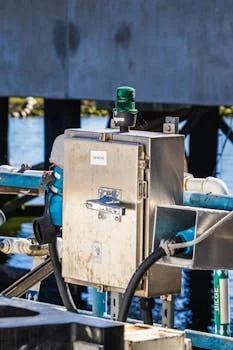
Selecting a supplier in Gujarat requires evaluating their local engineering presence and their ability to provide rapid after-sales support. Procurement teams should prioritize suppliers with a proven track record in GPCB-sensitive zones. When comparing, look for technical differentiators such as membrane pore size, blower efficiency (IE3 motors), and PLC automation capabilities. For broader regional context, you may also review