What Counts as Domestic Sewage Treatment in Chennai
Domestic sewage in Chennai is the combined blackwater (toilet) and greywater (bath, kitchen, laundry) flow from residential blocks, hotels, hospitals, IT parks, schools, and commercial kitchens — and it is regulated separately from industrial process wastewater, which falls under TNPCB Consent Orange/Red category. The statutory utility for sewerage in the Chennai Metropolitan Area is the Chennai Metropolitan Water Supply and Sewerage Board, which also publishes the SOP for mechanized septic-tank desludging for off-network properties. A 2026 design rule of thumb for Chennai domestic sewage is 100-150 L per capita per day (cpd), with a peaking factor of 2.0-2.5 for hotels and IT parks where occupancy swings sharply between day and night shifts.
Effluent from any on-site STP — or a tie-in to a CMWSSB sewer — must meet the 2026 TNPCB General Standards for discharge into inland surface water and CMWSSB sewers: pH 6.5-9.0, BOD ≤30 mg/L, COD ≤250 mg/L, TSS ≤50 mg/L, oil & grease ≤10 mg/L, and fecal coliform ≤100 MPN/100 mL. These are the canonical 2026 design targets; verify against the latest TNPCB schedule on the official site before final design. Any packaged STP in the 10-500 m³/day range quoted for a hotel, hospital, IT park, or apartment complex in Chennai should be designed against these numbers from day one.
Chennai's Sewerage Reality: CMWSSB Network vs Decentralized Sites
Core Chennai zones — old city, Guindy, T. Nagar, Mylapore, and the Perungalathur catchment — are CMWSSB-served with trunk sewers within reach. Suburban industrial clusters — Sriperumbudur, Oragadam, Maraimalai Nagar, and Mahindra World City — typically have no trunk sewer; these sites need a packaged STP sized at 50-500 m³/day, typically a WSZ underground A/O package STP for landscaped-over buried installation or an MBR skid where reuse-quality effluent is required.
CMWSSB's public-facing services — "Apply for New Water/Sewer Connection" and "Book a Sewage Tanker" on cmwssb.tn.gov.in — are the entry points for sewered and off-network properties respectively. Mechanized septic-tank desludging (the same site publishes the SOP) is a maintenance answer, not a treatment answer; it does not deliver sustained discharge compliance and cannot substitute for a working biological STP where the TNPCB General Standards apply.
Decision rule: if the development sits inside the CMWSSB sewered area and the building can connect by gravity or lift within 200 m of a trunk, prefer the sewer tie-in (lower 20-year lifecycle cost, no on-site operator). Otherwise, budget a packaged 50-500 m³/day STP with a 1.2× summer-infiltration safety factor, and plan for TNPCB consent and reuse-permit paperwork in parallel. For context on decentralized design outside the metro, see the decentralized STP engineering guide for India 2026.
TNPCB & CPCB Discharge Standards for Domestic STP Effluent (2026)
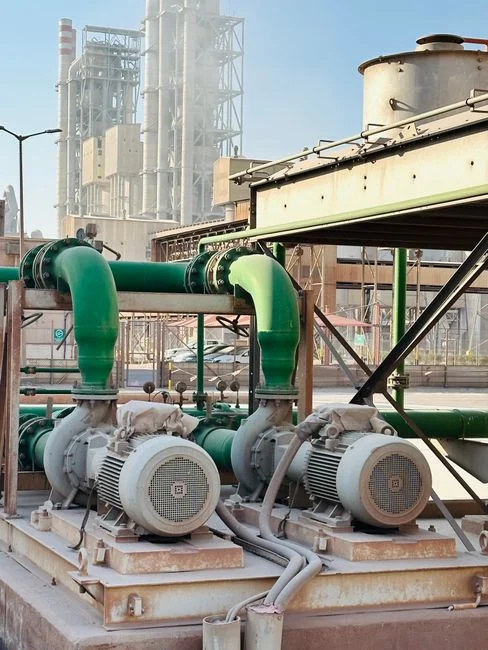
The 2026 TNPCB General Standards for discharge of effluents into inland surface water and CMWSSB sewers are the binding compliance baseline for any B2B domestic STP in the Chennai metropolitan area. Design the biological, tertiary, and disinfection stages so the worst-effluent sample at the outlet chamber meets the limits in the table below — these are the numbers that TNPCB field officers will test against during consent renewals and surprise inspections.
| Parameter | Unit | Inland surface water / CMWSSB sewer (TNPCB General Standards) | Reuse target (toilet flush, landscape, cooling make-up) |
|---|---|---|---|
| pH | — | 6.5-9.0 | 6.5-8.5 |
| BOD (3-day, 27 °C) | mg/L | ≤30 | ≤10 |
| COD | mg/L | ≤250 | ≤50 |
| TSS | mg/L | ≤50 | ≤10 |
| Oil & grease | mg/L | ≤10 | ≤5 |
| Fecal coliform | MPN/100 mL | ≤100 | ≤10 (non-detect for cooling make-up) |
| Turbidity | NTU | — | ≤2 |
Reuse parameters are tighter and apply when the effluent goes to toilet flushing, gardening, or cooling-tower make-up — typically BOD ≤10 mg/L, TSS ≤10 mg/L, turbidity ≤2 NTU. That delta is what pushes the technology choice from conventional activated sludge (CAS) toward MBR + UV or ClO₂ polishing. Air, noise, and sludge obligations also apply: sludge must be dewatered and disposed per CPCB/MoHUA sludge management rules, which is what drives the sludge dewatering filter press spec on the STP yard rather than open drying beds.
Influent Characteristics of Chennai Domestic Sewage
Chennai domestic sewage runs warm (25-32 °C) and moderately strong by Indian metro standards, but the actual numbers vary sharply by building type. Vendors who design every Chennai project against a textbook 250 mg/L BOD will undersize a hotel kitchen line and oversize a flush-heavy IT park — both of which cost the buyer money. Use the table below as a sanity check against any vendor's design basis before signing a P&O.
| Parameter | Unit | Typical domestic (Chennai) | Hotel / resort (kitchen-heavy) | Hospital (clinical) | IT park / large office (flush-heavy) |
|---|---|---|---|---|---|
| BOD | mg/L | 200-300 | 250-400 | 200-350 | 150-220 |
| COD | mg/L | 400-600 | 500-800 | 400-700 | 300-450 |
| TSS | mg/L | 250-400 | 300-500 | 250-450 | 200-350 |
| Oil & grease | mg/L | 30-80 | 150-200 | 30-60 | 20-40 |
| NH₃-N | mg/L | 30-50 | 30-50 | 40-60 | 20-35 |
| Fecal coliform | MPN/100 mL | 10⁶-10⁷ | 10⁶-10⁷ | 10⁶-10⁷ | 10⁶-10⁷ |
| Temperature | °C | 25-32 | 28-34 | 25-32 | 24-30 |
Hotel influent skews higher on oil & grease (kitchen effluent up to 150-200 mg/L); insist on a properly sized grease trap upstream of the biological stage, or the MBR membranes will foul inside 12 months. Hospital influent carries pharmaceutical and personal-care residues (PPCPs) — a recognized concern in Indian STPs per peer-reviewed Indian STP studies — so an MBR skid plant with chlorination or UV polishing is the safer specification for hospital projects. IT park influent is comparatively dilute; verify before specifying an MBR sized on an assumed 250 mg/L BOD, or you will over-aerate and over-blow for the life of the plant.
Packaged STP Technologies Compared for Chennai Projects
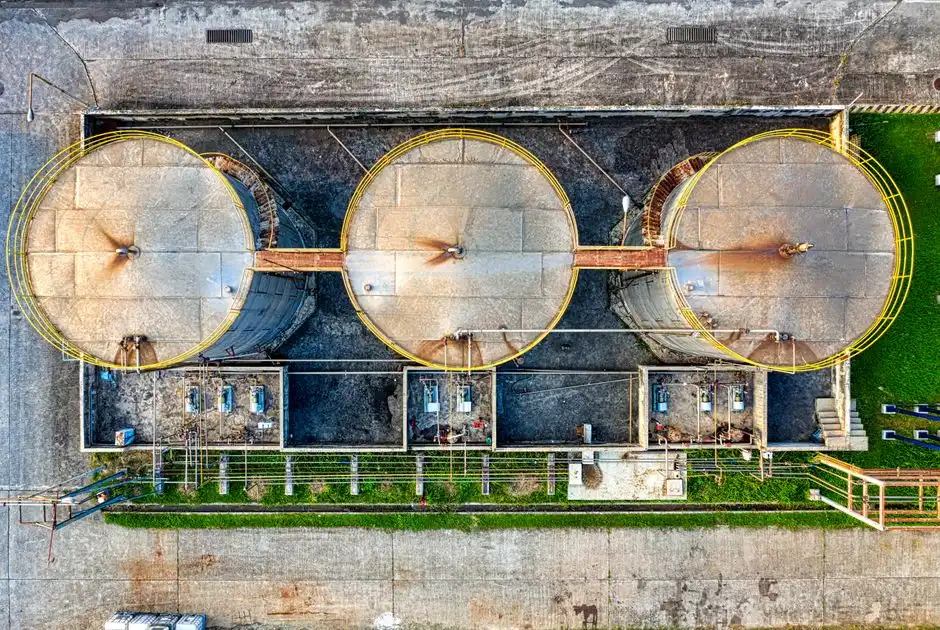
Four packaged options dominate 2026 quotations for Chennai B2B sites: submerged MBR, WSZ underground A/O, MBBR, and SBR. Each has a defensible niche; the wrong choice usually shows up in year 2 as fouled membranes, odorous equalization tanks, or an oversized civil footprint. The table below scores all four on the six axes a Chennai consultant or EPC contractor actually quotes against: effluent quality, footprint, operator skill, reuse suitability, CAPEX, and OPEX.
| Axis | MBR (submerged PVDF) | WSZ underground A/O | MBBR (moving carrier biofilm) | SBR (batch) |
|---|---|---|---|---|
| Capacity range | 10-2,000 m³/day | 1-80 m³/h (~24-1,920 m³/day) | 50-5,000 m³/day | 50-500 m³/day typical |
| Effluent quality | BOD ≤5, TSS ≤5 mg/L, <1 μm filtrate | BOD ≤20, TSS ≤30 mg/L (with tertiary) | BOD ≤20, TSS ≤30 mg/L (with clarifier) | BOD ≤20, TSS ≤30 mg/L |
| Footprint | ~40% of CAS footprint | Buried; surface can be landscaped or used as parking | ~70% of CAS footprint | ~80% of CAS footprint (needs equalization) |
| Operator skill | Moderate (membrane CIP) | Low — fully automated, buried, no on-site operator | Moderate (carrier management) | High (PLC, decanter, batch logic) |
| Reuse suitability | Excellent — reuse-grade direct from membrane | Good with tertiary filter + UV/ClO₂ | Good with tertiary + UV | Good with tertiary + UV |
| CAPEX (order of magnitude) | ₹18-35 Lakh per 10 m³/day (HydropureWater MBR catalog data) | ₹8-15 Lakh per 10 m³/day (HydropureWater WSZ catalog data) | ₹10-20 Lakh per 10 m³/day | ₹9-18 Lakh per 10 m³/day |
| OPEX drivers | Aeration energy + membrane replacement every 5-7 years | Lowest — minimal aeration, no membranes | Moderate; carrier loss top-up | Higher PLC maintenance; equalization tank cost |
WSZ underground A/O is the default for 50-500 m³/day community and small-hotel STPs that need a buried, landscaped-over, fully automated package with no on-site operator. MBR is the right answer for 100-1,000 m³/day Chennai hotels, hospitals, and IT parks where the client wants reuse-quality effluent (BOD ≤10, TSS ≤10) in a footprint roughly 60% smaller than CAS. MBBR suits retrofit and capacity-expansion on existing civil tanks; SBR suits 50-200 m³/day sites with intermittent flow (schools, resorts) but carries higher automation and equalization-tank cost. Technology-selection rule: reuse duty → MBR; buried + minimal operator → WSZ A/O; retrofit on existing civil → MBBR; intermittent flow → SBR. For hospitality-specific sizing detail, see the Chennai hotel STP sizing and technology guide.
Sizing and Spec Checklist for a 2026 Chennai Domestic STP
Size a Chennai domestic STP in four steps: collect population/occupancy, apply 100-150 L/capita/day, multiply by the peaking factor (2.0-2.5 for hotels and IT parks), then add a 1.2× safety margin for summer infiltration into the sewer. Convert the result to KLD, then size the biological stage to a BOD loading of 0.15-0.30 kg BOD/kg MLSS/day for MBR and 0.25-0.45 for CAS. The spec list below is what a Chennai B2B buyer should hand to every vendor on the shortlist so quotes are apples-to-apples.
| Spec item | MBR target | CAS / WSZ A/O target | Why it matters |
|---|---|---|---|
| Aerobic HRT | 8-12 h | 6-8 h | Drives tank volume and civil cost |
| MLSS | 8,000-12,000 mg/L | 2,500-4,000 mg/L | Higher MLSS = smaller tank, higher aeration |
| SRT (sludge age) | 20-30 days | 15-20 days | 20+ days needed for nitrification |
| Membrane pore | 0.1 μm (PVDF flat-sheet) | N/A | Defines reuse-grade filtrate quality |
| Membrane area per skid | 80-225 m² (DF-series) | N/A | Reference: DF-series PVDF flat-sheet MBR modules deliver 32-135 m³/day per module at 0.1 μm |
| Power consumption | 0.5-0.8 kWh/m³ | 0.3-0.5 kWh/m³ | OPEX line item; 20-year power cost rivals CAPEX |
| Footprint (per 100 m³/day) | ~25-35 m² | ~60-80 m² | Drives civil cost on tight Chennai plots |
| Noise at boundary | ≤55 dB(A) daytime, ≤45 dB(A) night (CPCB) | Same | Acoustic enclosure or buried design for hotels/hospitals |
MBR uses more aeration energy but eliminates the secondary clarifier and tertiary filter; the net footprint saving typically offsets the OPEX delta over a 10-year horizon. For higher-end aerobic MABR process comparison, see the MABR design guide for 2026.
Reuse, Sludge Handling & Cost Snapshot
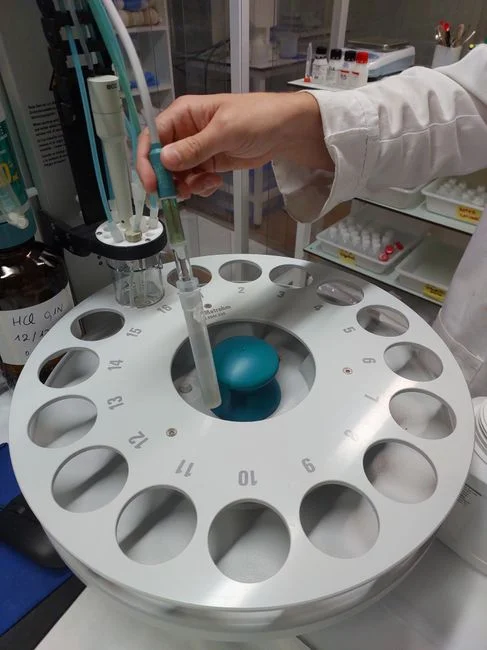
Reuse hierarchy for a 2026 Chennai domestic STP: toilet flushing → landscape irrigation → cooling-tower make-up → industrial process water. Each tier tightens the effluent spec and pushes the technology toward MBR + UV or ClO₂ polishing for fecal-coliform non-detect on cooling make-up. Sludge should be dewatered on a plate-and-frame sludge dewatering filter press to 30-35% dry solids (HydropureWater press range 1-500 m²); the cake is disposed per CPCB/MoHUA sludge management rules, not landfilled raw.
2026 cost-of-ownership anchors (order-of-magnitude only — validate per site): packaged STP CAPEX is roughly ₹8-15 Lakh per 10 m³/day for conventional A/O and ₹18-35 Lakh per 10 m³/day for MBR. OPEX is dominated by power (0.3-0.5 kWh/m³ for CAS, 0.5-0.8 for MBR), sludge hauling, and membrane replacement every 5-7 years. Always include a one-page operational-risk note in the RFQ covering membrane fouling, UV/ClO₂ lamp life, blower failure redundancy, and a CMWSSB/TNPCB-compliant sampling schedule. For anaerobic pretreatment upstream of the biological stage, see the UASB installation and commissioning guide.
Frequently Asked Questions
What are the TNPCB discharge limits for a domestic STP in Chennai in 2026?
TNPCB General Standards for discharge into inland surface water and CMWSSB sewers require pH 6.5-9.0, BOD ≤30 mg/L, COD ≤250 mg/L, TSS ≤50 mg/L, oil & grease ≤10 mg/L, and fecal coliform ≤100 MPN/100 mL; reuse targets tighten BOD and TSS to ≤10 mg/L each.
How is a 100 m³/day domestic STP sized for a Chennai hotel or IT park?
Apply 100-150 L per capita per day, multiply by a 2.0-2.5 peaking factor, add a 1.2× summer-infiltration safety margin, and size the biological stage to 0.15-0.30 kg BOD/kg MLSS/day for MBR or 0.25-0.45 for CAS at 8,000-12,000 mg/L MLSS.
MBR vs MBBR vs SBR — which packaged STP suits a Chennai hotel or hospital?
MBR is the right answer for 100-1,000 m³/day Chennai hotels, hospitals, and IT parks that need reuse-grade effluent (BOD ≤10, TSS ≤10 mg/L) in a 60% smaller footprint than CAS; MBBR suits retrofits on existing civil tanks; SBR suits 50-200 m³/day intermittent-flow sites like schools and resorts.
What does a packaged domestic STP cost in Chennai in 2026?
Packaged STP CAPEX runs roughly ₹8-15 Lakh per 10 m³/day for conventional A/O and ₹18-35 Lakh per 10 m³/day for MBR, with OPEX of 0.3-0.8 kWh/m³ dominated by power, sludge hauling, and membrane replacement every 5-7 years.