What Makes Paint and Coating Wastewater Different from Other Industrial Streams
Paint and coating wastewater contains four interacting pollutant groups that defeat a single-technology treatment train: pigments (TiO₂, carbon black, iron oxides) that contribute suspended solids and color; resins and binders (acrylic, epoxy, polyurethane, alkyd) that drive the bulk of the COD load; emulsified oils and coalescing solvents that resist gravity separation; and heavy-metal catalysts (Cu, Zn, Co) that foul biological stages and trigger metals discharge limits. Across a single facility, pigment loading, resin chemistry, and wash volume shift with every batch, so a coagulant dose optimized for a water-based acrylic run under-doses on a solvent-borne alkyd cleanup (per ALAR's framing of paint waste as one of the more complex compliance challenges in industrial manufacturing, 2025). The standard regulated parameters for paint and coating facilities are Cu, TSS, FOG, and pH, with COD sitting behind these as the integrating indicator of total organic load. Because influent composition moves daily, any treatment train must be sized on pilot data from the actual stream rather than on assumed averages.
Typical Influent Characteristics and Discharge Targets for Paint Plants
Paint and coating wastewater spans a wide influent range. Water-based latex production, e-coat rinse water, spray-booth overflow, and adhesive wash water all fall in the several-thousand to tens-of-thousands mg/L COD band, with peak values during product changeovers. The 710 mg/L influent used in the Wasit electrochemical study is a representative mid-range figure for oily industrial wastewater (Wasit University, doi:10.31185/ejuow.vol11.iss1.433). For adsorption-based polishing, alkaline conditions (pH > 7) are the operating optimum: the thermally activated paint-sludge adsorbent study reported 86.9% pollutant removal under alkaline conditions with a Langmuir capacity of 77.21 mg/g (Sci Rep, 2026-06, PMC13462732). Sewer-discharge COD targets typically fall at 250-500 mg/L for indirect discharges, with stricter limits for direct surface-water discharge or in-plant reuse. The pretreatment train described in this article targets <50 mg/L COD to support reuse and tighter local limits.
| Stream | Typical COD (mg/L) | Key co-contaminants | Discharge target |
|---|---|---|---|
| Water-based latex wash water | 3,000-15,000 | TiO₂, acrylic resins, surfactants | <500 mg/L (indirect); <50 mg/L (reuse) |
| E-coat rinse water | 2,000-8,000 | Pb/Sn catalysts, resin emulsions | <500 mg/L; metals to local limit |
| Spray-booth overflow | 5,000-25,000 | Overspray pigments, solvents, FOG | <500 mg/L; FOG <100 mg/L |
| Adhesive wash water | 4,000-20,000 | PU/epoxy prepolymers, phenols | <500 mg/L; phenol to local limit |
Technology 1: Dissolved Air Flotation for Oil, FOG, and Suspended Solids
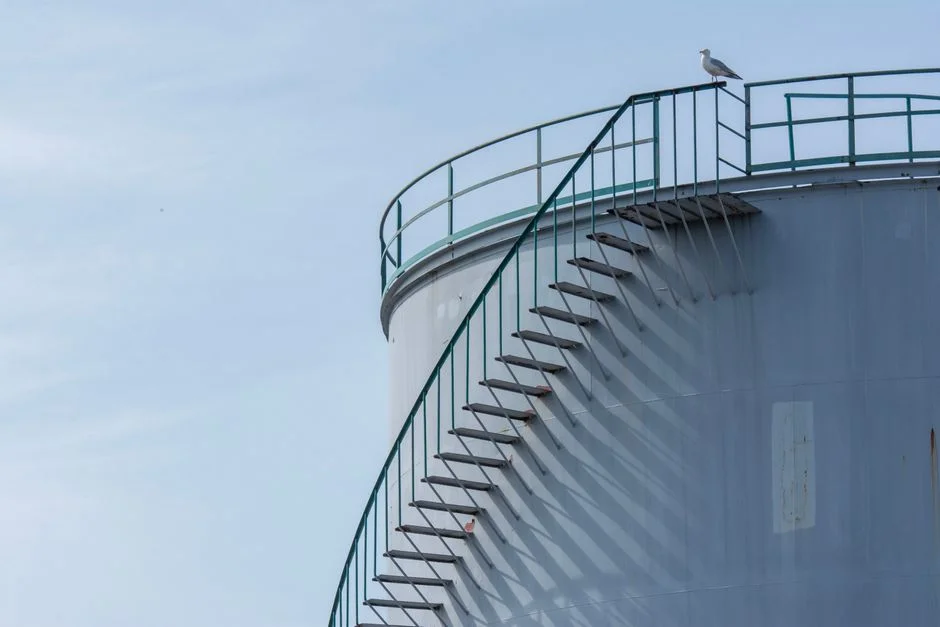
DAF removes free and emulsified oil, FOG, and a fraction of TSS by attaching 20-80 µm micro-bubbles to droplets and flocs, which then float to the surface for skimming. DAF alone is not a COD removal technology: it typically cuts 50-80% of FOG and TSS but only 20-40% of total COD, because dissolved resins and coalescing solvents stay in the aqueous phase. The dissolved air flotation system covers 4-300 m³/h across 13 standard models and is widely deployed in paint and coating pretreatment lines. DAF's real value is preconditioning: it strips the emulsified oil and TSS shock loads that would otherwise foul electrocoagulation cells and inhibit biomass in downstream biological reactors. Without DAF upstream, no paint-line COD train is reliable.
Technology 2: Electrocoagulation as the Primary COD Reduction Stage
Electrocoagulation generates coagulant species in situ by sacrificing Al/Fe anodes, so it breaks oil emulsions and sweeps dissolved organics into floe without external chemical dosing. In the Wasit refinery study, paired aluminum-iron electrodes achieved 99.5% COD removal at 710 mg/L influent under a defined operating window: 4 Al + 4 Fe electrodes, 2 cm spacing, 12 cm depth, 10.5 V, 50 min, 0.5 g/L NaCl, 12 kWh/m³, with residual TSS at 73 mg/L and 94.2% oil removal (Wasit University, doi:10.31185/ejuow.vol11.iss1.433). RSM optimization of refinery electrocoagulation predicted 94.2% COD removal and confirmed 93.9% experimentally, with a continuous-flow operating point at 58 mA/cm² with 0.5 g/L electrolyte (Current Pollution Reports, doi:10.1007/s40726-016-0035-3). For paint-line design, an automatic chemical dosing system for pH and conductivity trim keeps the cell inside its operating window as resin chemistry shifts batch to batch. The practical trade-offs are real: electrode consumption, passivation in high-hardness water, and a higher sludge mass than biological treatment, which is why the dewatering stage must be sized in parallel. Operating cost is dominated by electrode wear and kWh/m³ rather than reagent purchases.
| Parameter | Wasit refinery study | RSM-confirmed refinery study |
|---|---|---|
| Influent COD | 710 mg/L | ~9,150 mg/L (phenolic) |
| Electrode configuration | 4 Al + 4 Fe, 2 cm gap | Al plates, optimized |
| Voltage / current density | 10.5 V | 58 mA/cm² (continuous) |
| Residence time | 50 min | Batch, RSM-optimized |
| Electrolyte | 0.5 g/L NaCl | 1.12 g/L NaCl |
| COD removal | 99.5% | 93.9% (confirmed) |
| Oil removal | 94.2% | n/a |
| Energy use | 12 kWh/m³ | Optimized via RSM |
| Residual TSS | 73 mg/L | Reported low |
Technology 3: Advanced Oxidation (Fenton, Ozone, BDD) for Refractory COD and Color
Advanced oxidation processes (AOPs) are the polishing step for the residual resin fragments, dyes, and phenols that survive electrocoagulation. Fenton chemistry (Fe²⁺ + H₂O₂) is the lowest-CAPEX option for refractory organics: the refinery review reported 82.5% polyphenol removal at pH 3.5 over 8 h, producing an effluent suitable for downstream anaerobic treatment (Current Pollution Reports, doi:10.1007/s40726-016-0035-3). Ozone and ozone-coupled systems (O₃-UV-TiO₂) reach 100% COD removal in 240 min on 100 mg/L phenol, with the fastest kinetics at pH 7. For electrochemical AOPs, boron-doped diamond (BDD) and dimensionally stable anodes (DSA-Cl₂) behave differently: BDD removed 71% TOC without chloride, while DSA-Cl₂ only reached 43% under the same conditions; adding chloride lifted DSA-Cl₂ to 96% TOC removal. AOPs must be sized for the residual COD after electrocoagulation, not for raw influent, because per-kWh mineralization cost scales steeply with influent load. For high-COD paint streams, the right role for AOPs is a final polish in front of a reuse membrane, not a primary workhorse.
Technology 4: Biological Treatment for the Final COD Polish
Membrane bioreactors (MBR) combine activated sludge with a submerged PVDF membrane, typically <1 µm nominal pore size, polishing effluent to <50 mg/L COD when fed a stable influent. A conventional MBR treating 1,000 mg/L synthetic phenolic wastewater at 13 h HRT held final phenol at 301 mg/L (71% removal) and COD at 822 mg/L before membrane fouling at 0.6 bar; a biofilm-enhanced MBR extended that to 21 days of operation with 99% phenol removal and 200 mg/L COD (Current Pollution Reports, doi:10.1007/s40726-016-0035-3). For paint-line design, the HydropureWater MBR membrane bioreactor system with DF series PVDF flat sheet membrane modules typically runs 6-12 h HRT at 6,000-10,000 mg/L MLSS, sized from general MBR practice rather than the research data. Biology is the lowest operating-cost step per kg COD removed, but it is the most sensitive to upstream variability: a slug of uninhibited resin, solvent, or Cu will kill the biomass, so DAF and electrocoagulation must keep the influent inside the inhibition envelope.
Recommended Process Train for a Paint or Coating Plant
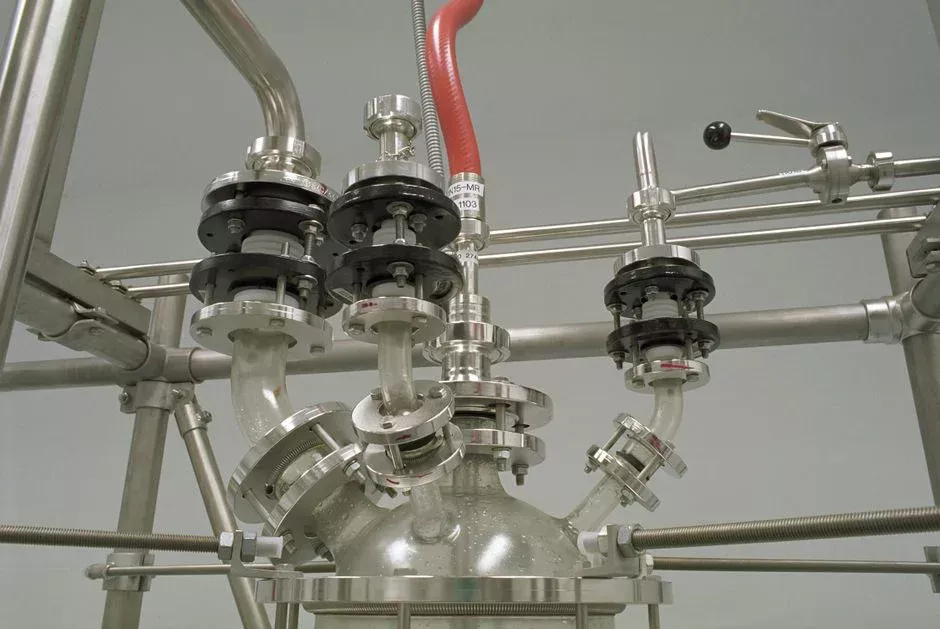
The reliable paint-line train runs in seven stages: equalization → DAF → electrocoagulation → pH correction → MBR → optional AOP polish → sludge dewatering. Expected cumulative COD removal is 20-40% across DAF, 85-95% across electrocoagulation, and a polish to <50 mg/L across the MBR. Where space is constrained or discharge limits are sub-50 mg/L, an AOP polish (Fenton or O₃-UV) between the MBR and reuse tank closes the gap on refractory color and trace phenols. For a comparison of MBR against conventional activated sludge on chemical plant wastewater, see the MBR vs conventional activated sludge for chemical plant wastewater engineering guide. Sludge from both DAF and electrocoagulation is dewatered on a HydropureWater plate and frame filter press, and the dewatered paint sludge can itself be pyrolyzed at 700 °C to produce thermally activated sludge (TAS), an in-house adsorbent that hit 86.9% removal under alkaline conditions with a Langmuir capacity of 77.21 mg/g (Sci Rep, 2026-06, PMC13462732). That closes the loop: the treatment plant's own waste becomes a polishing media for the next batch.
Choosing the Right COD Removal Train for Your Facility
Technology selection maps to four plant-specific factors. Below 2,000 mg/L influent COD with a stable product mix, DAF plus a conventional biological stage is the lowest-cost path. Above 5,000 mg/L, or with batch-to-batch resin variability, electrocoagulation must be the primary stage because biological systems cannot absorb the shock. Discharge destination controls the effluent target: indirect sewer discharge allows 250-500 mg/L COD, but direct surface-water discharge or in-plant reuse pushes the design below 50 mg/L, which is where MBR polishing earns its capex. Sludge disposal cost is the often-missed factor: electrocoagulation generates more dry solids per kg COD than biological treatment, so plate-and-frame dewatering capacity must be specified in parallel with the electrocoagulation cell, not added later. For reactor sizing and cycle timing on the biological side, the 2026 SBR design guide with cycle calculations and reactor sizing is a useful reference, and a broader perspective on electrochemical COD reduction in manufacturing is given in the 2026 electrocoagulation engineering guide for battery manufacturing wastewater.
| Decision factor | Condition | Recommended primary stage | Why |
|---|---|---|---|
| Influent COD | <2,000 mg/L | DAF + biological | Low load, biomass handles it |
| Influent COD | 2,000-5,000 mg/L | DAF + MBR | MBR closes the gap |
| Influent COD | >5,000 mg/L | DAF + electrocoagulation + MBR | EC takes the bulk load |
| Discharge | Indirect sewer | DAF + EC | Hits 250-500 mg/L target |
| Discharge | Direct or reuse | DAF + EC + MBR (+ optional AOP) | Drives <50 mg/L COD |
| Batch variability | High (resin changeovers) | Electrocoagulation primary | Fast rest, no seed biomass |
| Sludge disposal cost | High | Size plate press with EC | EC sludge exceeds bio-sludge mass |
Frequently Asked Questions
What COD removal can electrocoagulation achieve on paint and coating wastewater?
Electrocoagulation with paired Al-Fe electrodes has demonstrated 99.5% COD removal at 710 mg/L influent in the Wasit refinery study (10.5 V, 50 min, 12 kWh/m³), and 93.9% COD removal in an RSM-confirmed refinery study at 58 mA/cm² continuous current density, both within the operating windows the research actually reports.
Is DAF alone enough to meet paint wastewater COD limits?
No. DAF typically removes 50-80% of FOG and TSS but only 20-40% of total COD, because dissolved resins and coalescing solvents stay in the aqueous phase. DAF must precede a dedicated COD stage such as electrocoagulation or biological polishing, not replace it.
How does Fenton or ozone AOP perform on paint-line refractory COD?
Fenton at pH 3.5 removed 82.5% polyphenol over 8 h, and O₃-UV-TiO₂ reached 100% COD removal in 240 min on 100 mg/L phenol per the Current Pollution Reports review. AOPs are sized for the residual COD after electrocoagulation, not for raw influent, because per-kWh mineralization cost rises steeply with load.
Can paint and coating wastewater be treated to reuse standards below 50 mg/L COD?
Yes, with a DAF → electrocoagulation → MBR train, optionally polished by an AOP stage. The combined train targets cumulative removal of 20-40% (DAF) plus 85-95% (electrocoagulation) plus a membrane polish to under 50 mg/L COD, which is the band the research data and reuse projects actually operate in.