
Why a packaged MBR is the default choice for Osaka hotels
Osaka urban hotels face a binding constraint that a conventional activated-sludge (CAS) plant cannot meet: a typical 200-room property has 80-120 m² of service-yard or basement space for treatment equipment, while a CAS train with primary, aeration, and final clarifiers typically demands 200-300 m² for the same 250 m³/d duty. A packaged MBR (membrane bioreactor) collapses clarification into the membrane tank, removing the need for a separate clarifier and the gravity separation footprint that comes with it (Imemflo hotel MBR specification). That footprint delta — often 50-65% smaller than CAS — is decisive on a tight Osaka parcel where land cost can exceed JPY 1,000,000/m².
The design basis for any municipal wastewater facility in Japan is the JSWA Design Standard for Municipal Wastewater Treatment Plants (Japan Sewage Works Association, 2nd Edition issued 2013-01-25), which mandates that "effluent quality shall meet law requirements" (§1.1 Fundamentals) and lays out process selection rules in §2 and reactor design in §5. A packaged MBR is therefore not an exotic choice for Japan — it is one of the explicitly covered process trains when the design follows JSWA §2 selection logic and §5.1-5.19 reactor and blower criteria. Osaka's local sewer-acceptance limit for BOD is < 120 mg/L for discharges to the municipal sewer, but a quality 4-5 star property typically targets reuse-quality effluent (BOD ≤ 10 mg/L, COD ≤ 20 mg/L, TSS ≤ 5 mg/L) to feed toilet flushing, landscape irrigation, and in some cases laundry make-up. Imemflo's reference 200-bed 5-star plant runs at 250 m³/d and produces treated water that meets the wastewater reuse standard, with 90-95% pollutant removal reported across BOD, COD, and TSS (Imemflo, hotel MBR solution). For Osaka developers sizing a 100-300 room property, a packaged MBR STP is the default technology of record.
How to size a packaged MBR for a hotel: flow and load design basis
Hotel sewage is dominated by three hydraulic streams, each with a different load profile. Guest rooms generate the largest volume, typically 150-200 L per guest-night at 4-5 star properties (Imemflo reference data for a 200-bed, 5-star hotel = 250 m³/d, equivalent to ~1.25 m³/bed-day). F&B outlets add a smaller volume but a disproportionate organic load — high BOD from food waste, high oil/grease, and temperature shocks. Laundry is the third stream: many Japanese hoteliers install a separate grey-water plant for laundry waste rather than route it through the main MBR, because detergents and high-temperature discharge destabilize MLSS (mixed liquor suspended solids) and foul membranes faster (Imemflo, hotel MBR specification).
Peak hydraulics drive the equalization design, not average flow. A morning check-out and breakfast peak can deliver 2.0-2.5× the average hourly flow in a 60-90 minute window, so size the equalization basin to absorb at least 4-6 hours of average flow and to limit pump-out rates to the membrane train's rated flux. JSWA §3 (Dry weather flow equalization) governs basin selection, shape, number, mixing, and outflow — the §3.2 equalization capacity clause is the line item that typically decides whether a packaged unit will ride out a hotel peak without flux collapse.
For influent design, use typical hotel ranges rather than municipal averages: BOD 250-350 mg/L, COD 500-700 mg/L, TSS 250-400 mg/L, and a fat/oil/grease allowance of 30-80 mg/L unless a grease trap is sized upstream. The influent envelope sits inside JSWA §1.2 (Design inflow and influent quality) for medium-strength wastewater. The table below summarizes the sizing inputs an Osaka engineer should put into a vendor RFQ.
| Parameter | Design value (Osaka hotel, 4-5 star) | Source / clause |
|---|---|---|
| Average daily flow | 200-300 m³/d for 200 rooms; 1.0-1.5 m³/bed-day | Imemflo 200-bed 5-star = 250 m³/d |
| Per-guest-night | 150-200 L | Imemflo reference data |
| Peak factor (morning) | 2.0-2.5× hourly average | Hotel hydraulics, JSWA §3.2 |
| Influent BOD | 250-350 mg/L | JSWA §1.2, hotel typical |
| Influent COD | 500-700 mg/L | JSWA §1.2, hotel typical |
| Influent TSS | 250-400 mg/L | JSWA §1.2, hotel typical |
| Equalization volume | 4-6 h of average flow | JSWA §3.2 equalization capacity |
| Oil/grease (FOG) | 30-80 mg/L upstream of MBR | Hotel F&B typical |
Hollow-fiber vs flat-sheet MBR: which fits an Osaka hotel
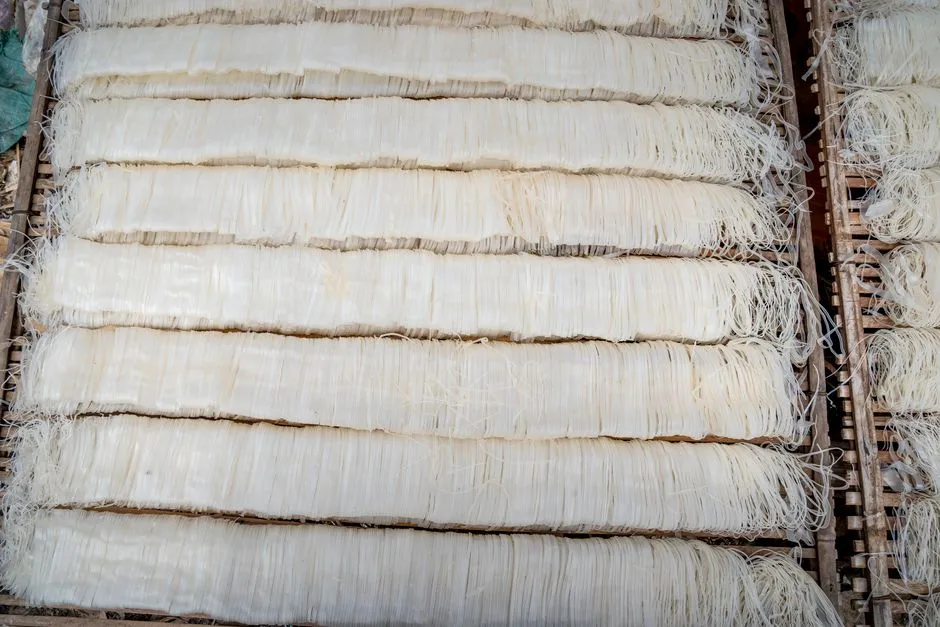
The two membrane geometries used in hotel MBRs are hollow-fiber (HF) and flat-sheet (FS), and the choice is not aesthetic — it changes footprint, fouling behavior, and spare-parts logistics. Imemflo's hotel MBR offering uses Mitsubishi hollow-fiber modules and Toray flat-sheet modules, with Suez, Dow, and DuPont as imported alternatives. For an Osaka hotel, the local supply chain argument is real: Mitsubishi and Toray modules carry shorter lead times and domestic technical support than imported elements, which matters when a membrane cassette fails during a high-occupancy week.
Hollow-fiber gives the highest packing density (m² membrane area per m³ tank volume), tolerates hydraulic and load shock better because the fibers can flex under backwash, and is the geometry most vendors default to for variable flows. Flat-sheet (Toray-style) is mechanically more robust against fouling in high-MLSS conditions, is easier to clean in place with a simple foam-ball wipe or hand-spray, and allows individual element replacement — which can reduce lifetime spare-parts cost for a hotel that wants to keep the asset running for 15-20 years. For a 100-300 room Osaka property, the decision framework is: pick hollow-fiber if your site is severely footprint-constrained and your load is highly variable; pick flat-sheet if you have a service corridor wide enough to pull a cassette and your operations team prefers CIP (clean-in-place) over chemical soak. For a deeper look at the engineering parameters of the hollow-fiber geometry, the hollow fiber MBR engineering guide covers flux, backwash, and aeration demand in detail. If the shortlist trends toward flat-sheet, vendor options for a flat-sheet MBR membrane module should be requested with Japanese-language manuals and a domestic service agent.
| Parameter | Hollow-fiber (e.g. Mitsubishi) | Flat-sheet (e.g. Toray) |
|---|---|---|
| Typical packing density | High (~800-1,200 m²/m³) | Moderate (~400-600 m²/m³) |
| MLSS tolerance | 8,000-12,000 mg/L | 10,000-15,000 mg/L |
| Hydraulic shock tolerance | Good (flexible fibers) | Moderate |
| Cleaning in place | Backwash + chemical soak | Surface wipe + CIP |
| Element replacement | Cassette-level | Individual sheet |
| Footprint (250 m³/d) | Smaller | ~15-25% larger |
| Lead time in Japan | Short (domestic) | Short (domestic) |
Effluent quality, MLSS, and operating parameters for hotel duty
MBR sustains 8,000-12,000 mg/L MLSS versus 2,000-4,000 mg/L in a conventional activated-sludge process, and the higher biomass concentration is what lets the membrane barrier deliver reuse-quality effluent in a small tank. JSWA §5.4 (MLSS) sets the conventional baseline; MBR operation is documented as a "design example" in §5's extended design discussion. Dissolved oxygen in the aerobic chamber should be held at 1.5-2.5 mg/L — high enough to keep nitrification running, low enough to avoid excessive blower energy — and blowers are sized per JSWA §5.13-5.18 (selection, capacity, number, air flow rate, air pressure, housing). For a 250 m³/d hotel MBR, expect blower power in the 7-15 kW range depending on membrane geometry and aeration strategy.
Target effluent for a hotel planning reuse: BOD ≤ 5-10 mg/L, COD ≤ 15-20 mg/L, TSS ≤ 1-5 mg/L, NH₃-N ≤ 5 mg/L, and turbidity consistently below 1 NTU off the membrane train. If the hotel is discharging to the Osaka municipal sewer instead of reusing, the floor is the local sewer-acceptance limit (BOD < 120 mg/L) — but in practice every packaged MBR in this class will land well under that, so the design point is reuse, not compliance. Hold hydraulic retention time (HRT) at 6-8 hours and sludge retention time (SRT) at 20-40 days to ensure complete nitrification of the variable hotel load. The operating envelope that should appear in a written specification is summarized below.
| Operating parameter | Target / range for hotel MBR | Source |
|---|---|---|
| MLSS | 8,000-12,000 mg/L | MBR design practice; cf. JSWA §5.4 baseline |
| DO (aerobic chamber) | 1.5-2.5 mg/L | Nitrification requirement |
| HRT | 6-8 h | Hotel load profile |
| SRT | 20-40 d | Nitrification stability |
| Effluent BOD | ≤ 5-10 mg/L | Reuse target |
| Effluent COD | ≤ 15-20 mg/L | Reuse target |
| Effluent TSS | ≤ 1-5 mg/L | Reuse target |
| Effluent NH₃-N | ≤ 5 mg/L | Reuse target |
| Sewer-acceptance BOD | < 120 mg/L | Osaka local rule |
Footprint, CAPEX and OPEX: what a packaged MBR actually costs in Osaka
Packaged MBR plants in the 50-300 m³/d class typically fit inside a 30-80 m² footprint, including pre-treatment screens, the MBR tank itself, and a disinfection skid. A 250 m³/d Imemflo-class hotel reference plant sits near the upper end of that range once you add the equalization basin called for under JSWA §3.2. Underground or partially buried layouts (the underground packaged STP configuration) add civil cost — excavation, waterproofing, and Building Standards Act setbacks — but recover surface area for landscaping or parking, which on an Osaka hotel parcel usually outweighs the civil premium.
Indicative CAPEX for a packaged MBR in 2026 yen runs roughly JPY 350,000-650,000 per m³/d for a 100-300 m³/d hotel plant, versus JPY 200,000-400,000 per m³/d for a CAS-plus-clarifier plant of the same duty — the MBR premium is typically 40-70% on equipment cost, partially offset by footprint savings and the absence of a separate clarifier structure. OPEX is dominated by aeration energy (often 50-65% of OPEX), chemical cleaning of membranes (sodium hypochlorite and citric acid cycles, typically monthly to quarterly), and membrane replacement every 7-10 years. For a 250 m³/d plant, a membrane replacement event in 2033-2036 can run JPY 8-15 million depending on geometry and module count. Water-reuse savings on toilet flushing (typically 30-40% of hotel potable demand) and irrigation generally deliver a simple payback of 4-7 years versus a sewer-discharge baseline, before any regulatory or ESG premium is applied. For a benchmarked 2026 yen-denominated CAPEX range across plant sizes, the 2026 municipal STP price reference is a useful cross-check.
| Item | Packaged MBR (50-300 m³/d) | CAS + clarifier (same duty) |
|---|---|---|
| Footprint | 30-80 m² | 200-300 m² |
| CAPEX (JPY/m³/d, 2026) | ~350,000-650,000 | ~200,000-400,000 |
| OPEX driver #1 | Aeration energy (50-65%) | Aeration + sludge handling |
| Membrane replacement | Every 7-10 y (JPY 8-15M event) | None |
| Reuse-grade effluent | Standard | Requires tertiary add-on |
| Payback vs sewer discharge | 4-7 y (reuse credit) | Not applicable |
Procurement and compliance checklist for an Osaka hotel STP
The procurement sequence below maps directly to JSWA clauses and to the Osaka-specific permits that catch foreign EPC consultants out. The kanko hatto (Hotel Business Act) governs the operational permit, while the Building Standards Act sets the setback kyodo (setback distance) for buried treatment tanks from property lines and structures. Run this checklist into your RFQ and your building-permit filing in parallel.
| # | Item | Reference / clause |
|---|---|---|
| 1 | Design basis matches JSWA §1-5 (general, process selection, equalization, sedimentation, reactor) | JSWA 2nd Ed. (2013-01-25) |
| 2 | Effluent meets Osaka prefectural sewer-acceptance limits (BOD < 120 mg/L) | Osaka local rule |
| 3 | Buried equipment respects Building Standards Act setback (setback kyodo) from property line | Building Standards Act |
| 4 | Hotel Business Act (kanko hatto) permit and operational notification filed | Hotel Business Act |
| 5 | Factory witness test of MBR skid, PLC automation, telemetry/remote monitoring | Pre-delivery QA |
| 6 | 2-year membrane performance warranty (flux, TSS, turbidity) in writing | Vendor contract |
| 7 | Japanese-language O&M manual and local service capability within 4 h | Vendor contract |
| 8 | Spare membrane cassette and chemical cleaning kit on site at handover | Commissioning |
Frequently asked questions about packaged MBR STPs for Osaka hotels
What size packaged MBR does a 200-room Osaka hotel need?
A 200-room 4-5 star Osaka hotel typically generates 200-300 m³/d of mixed sewage, which maps to a 250 m³/d packaged MBR — the same duty as Imemflo's 200-bed, 5-star reference plant installed and running since commissioning.
What effluent limits must a packaged MBR meet in Osaka?
For municipal sewer discharge, Osaka's local rule is BOD < 120 mg/L; for reuse, target BOD ≤ 5-10 mg/L, COD ≤ 15-20 mg/L, TSS ≤ 1-5 mg/L, NH₃-N ≤ 5 mg/L — all inside the JSWA §1.1 "effluent quality shall meet law requirements" envelope.
Which Japanese membrane suppliers should an Osaka hotel shortlist?
Mitsubishi for hollow-fiber and Toray for flat-sheet are the standard domestic options; Suez, Dow, and DuPont are imported alternatives typically used when a specific flux or chemistry requirement rules out Japanese modules.
What is the indicative 2026 CAPEX for a packaged MBR in Osaka?
For a 100-300 m³/d hotel plant, expect roughly JPY 350,000-650,000 per m³/d in equipment CAPEX, with an additional civil premium for underground WSZ-class installations and Building Standards Act setback work.
Frequently Asked Questions
What size packaged MBR STP do I need for a 200-room hotel in Osaka?
For a standard 200-room hotel in Osaka, you should plan for a hydraulic capacity of approximately 100 to 150 cubic meters per day (m³/day). This calculation assumes an average water consumption rate of 0.5 to 0.75 m³ per occupied room per day, incorporating typical occupancy fluctuations and peak flow management requirements.
Ensure the system is sized based on the peak load rather than average occupancy to maintain performance during high-season periods. Consulting with a local engineer to verify the specific water usage intensity of your facility type—business vs. luxury—is recommended to avoid under-sizing the bioreactor volume.
What effluent standards does a packaged MBR STP have to meet in Japan?
Packaged MBR systems in Osaka must comply with the Sewerage Act and local municipal ordinances, which typically mandate treated effluent BOD (Biochemical Oxygen Demand) levels below 20 mg/L and suspended solids (SS) below 10 mg/L. Many high-end hotel installations aim for reclaimed water standards, targeting turbidity of less than 2 NTU and total coliform counts of non-detectable levels to allow for reuse in toilet flushing or cooling tower makeup.
Hollow fiber or flat sheet MBR — which is better for a hotel?
For hotel applications, hollow fiber membranes are generally preferred due to their higher packing density, which allows for a smaller physical footprint in space-constrained urban environments like Osaka. They offer high flux rates and are typically easier to clean via back-pulsing, which is critical for maintaining consistent throughput in facilities with limited maintenance staff.
Flat sheet membranes are more resilient to high-solids loading and hair/lint contamination often found in hotel greywater, but they require a larger tank footprint and more complex manual cleaning procedures. If your hotel influent has high lint content from industrial-grade laundry, flat sheet systems may offer a lower risk of irreversible membrane fouling.
How much does a packaged MBR STP cost per m³ per day in Japan?
The capital expenditure (CAPEX) for a packaged MBR system in Japan typically ranges from 250,000 JPY to 450,000 JPY per m³/day of capacity, depending on the level of automation, materials of construction, and the inclusion of tertiary disinfection stages. Costs vary based on whether the system is provided as a containerized unit or a site-assembled modular plant.
Operational expenditure (OPEX) should be budgeted at approximately 30 to 60 JPY per m³ of treated water. This includes energy for aeration and permeate pumps, membrane cleaning chemicals, and periodic sludge disposal fees, which are significant in the Osaka metropolitan area due to strict waste transport regulations.
Do I need a separate grey water treatment plant for hotel laundry in Osaka?
While not strictly required by law, treating hotel laundry wastewater separately is highly recommended. Laundry effluent contains high concentrations of surfactants, phosphates, and lint that can cause rapid fouling of MBR membranes and interfere with biological nutrient removal processes, potentially compromising the overall effluent quality of the main STP.
If you choose to integrate laundry waste into the main MBR system, you must implement a robust primary pretreatment stage, such as a fine-mesh drum screen (typically 0.5 mm to 1.0 mm) and a dedicated equalization tank to buffer the high-pH, high-temperature surges associated with commercial laundry discharge.