What is a Package Wastewater Treatment Plant for Commercial & Industrial Use?
A package wastewater treatment plant in Northern Ireland and the UK is a compact, pre-engineered system designed for efficient on-site treatment of commercial and industrial wastewater, suitable for residential communities, hotels, hospitals, and factories with flows typically ranging from 1 to 80 m³/h, ensuring compliance with local discharge regulations. Unlike larger, site-specific infrastructure, these systems are factory-assembled and integrated into a single unit or a series of interconnected modules. This modular approach simplifies installation and allows for a smaller physical footprint, making them ideal for locations where space is limited or where traditional, large-scale treatment facilities are not feasible or cost-effective. The HydropureWater WSZ Series, for example, embodies this concept, offering a self-contained solution that incorporates multiple treatment stages within a single, robust enclosure. This integrated design typically includes anoxic and aerobic biological contact oxidation processes, followed by sedimentation and disinfection stages, all managed through automated control systems. The primary benefit for commercial and industrial entities is the ability to achieve reliable wastewater treatment with minimal site disruption and operational oversight, directly addressing the complex effluent requirements mandated by UK environmental authorities.
Key Benefits of Package Plants for Northern Ireland & UK Businesses
For commercial and industrial operations in Northern Ireland and the UK, package wastewater treatment plants offer distinct advantages over conventional, site-built treatment systems. Their factory-assembled, modular nature translates into significantly faster installation and commissioning timelines. This is a critical factor in project management, reducing downtime and accelerating the operational readiness of a facility. The compact footprint and reduced civil works requirements of package plants are particularly beneficial in urban environments or rural sites where space may be constrained. This efficiency in design often leads to greater cost-effectiveness for specific flow ranges, providing greater predictability for project budgets. The high degree of automation inherent in modern package plants, such as the "Fully automated with no operator required" capability of the WSZ Series, minimizes the need for extensive on-site training and reduces ongoing labour costs. This also contributes to consistent performance and improved effluent quality, which is paramount for meeting stringent regulatory compliance. The scalability and flexibility of package plants also allow for future expansion or even relocation if business needs change, offering a long-term strategic advantage.
To explore these comparisons further, consider this B2B comparison guide to prefabricated wastewater plants versus alternatives.
Core Technologies in Modern Package Wastewater Treatment Plants
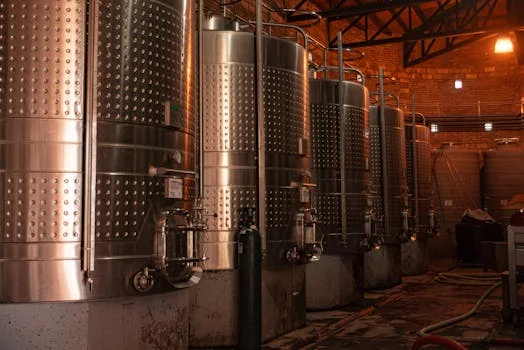
Modern package wastewater treatment plants integrate several core technologies to effectively treat wastewater. A prominent biological treatment process is the A/O (Anoxic/Aerobic) biological contact oxidation process, as implemented in the HydropureWater WSZ Series. This method utilizes microorganisms attached to a media within anoxic and aerobic zones to efficiently remove organic matter and significantly reduce nitrogen levels through nitrification and denitrification. Following biological treatment, a sedimentation stage separates the treated effluent from settled sludge. Disinfection is a crucial final step to eliminate pathogens before discharge. For applications demanding exceptionally high effluent quality and an even smaller footprint, Integrated MBR membrane bioreactor systems offer advanced filtration capabilities, achieving near-reuse quality with filtration down to <1 μm. Other essential components include preliminary screening, such as the HydropureWater Rotary Mechanical Bar Screen, which removes larger solids, and equalization tanks to buffer flow and load variations. Sludge management is often handled by units like the HydropureWater Plate and Frame Filter Press. Advanced automated controls ensure optimal process performance and minimal operator intervention.
| Technology | Primary Function | Typical Effluent Quality (BOD/TSS) | Key Benefits |
|---|---|---|---|
| A/O Biological Contact Oxidation | Organic matter and nitrogen removal | < 20 mg/L BOD, < 30 mg/L TSS | Cost-effective, robust, good nitrogen removal |
| MBR (Membrane Bioreactor) | Organic matter, nutrient removal, and advanced solids separation | < 5 mg/L BOD, < 5 mg/L TSS (often lower) | Superior effluent quality, very compact footprint, suitable for water reuse |
| Sedimentation | Separation of treated effluent from suspended solids | N/A (enhances downstream clarity) | Removes settleable solids |
| Disinfection (e.g., UV, Chlorine Dioxide) | Pathogen inactivation | < 10 CFU/100mL E. coli (typical target) | Ensures public health and environmental protection |
For detailed specifications on biological treatment, refer to the HydropureWater WSZ Series underground package sewage treatment plants and Integrated MBR membrane bioreactor systems.
Navigating Wastewater Discharge Regulations in Northern Ireland & the UK
Compliance with wastewater discharge regulations is critical for any commercial or industrial facility in Northern Ireland and the UK. The primary regulatory bodies include the Northern Ireland Environment Agency (NIEA) for Northern Ireland, and the Environment Agency (EA) in England, SEPA in Scotland, and Natural Resources Wales (NRW) in Wales. Any discharge of treated wastewater, whether to a public sewer or directly to a watercourse or the ground, requires a formal consent or permit. In Northern Ireland, this typically involves obtaining a discharge consent from NI Water for sewer discharges or from the NIEA for discharges to surface water or land. These consents specify stringent effluent quality parameters that must be met, commonly including limits for Biochemical Oxygen Demand (BOD), Total Suspended Solids (TSS), ammonia, and pH. Depending on the discharge location and environmental sensitivity, limits on nutrients like phosphates and nitrates may also apply.
Selecting the Right Package Wastewater Treatment Plant for Your Project
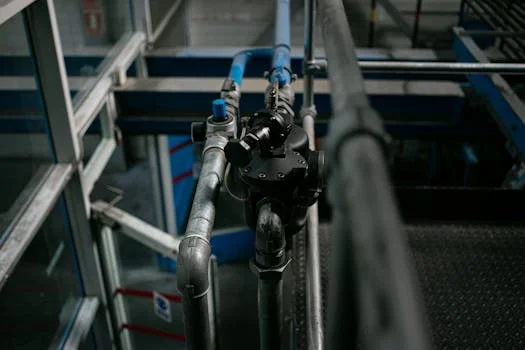
Choosing the appropriate package wastewater treatment plant requires a systematic evaluation of several key factors. The first step is a thorough assessment of the influent wastewater characteristics, including the average and peak flow rates (for the HydropureWater WSZ Series, this typically ranges from 1 to 80 m³/h), as well as the concentration of organic matter (BOD, COD), Total Suspended Solids (TSS), nutrient load, and any specific industrial pollutants that may be present. Equally important is determining the required effluent quality. This is dictated by the discharge consent granted by the relevant environmental agency and the sensitivity of the receiving environment. Site constraints must also be considered; while package plants are inherently compact, the available footprint, accessibility for installation and ongoing maintenance, and local power availability are crucial. Operational factors such as the desired level of automation, energy consumption, potential chemical usage, and the practicalities of sludge management should also influence the decision.
| Project Factor | Key Considerations | Impact on Package Plant Selection |
|---|---|---|
| Influent Characteristics | Flow rate (peak/average), BOD, COD, TSS, nutrients, specific pollutants | Determines plant capacity, technology type (e.g., A/O vs. MBR), and pre-treatment needs |
| Effluent Quality Requirements | Discharge consent limits (BOD, TSS, NH3, P, N), receiving environment sensitivity | Dictates the level of treatment required, influencing technology choice (e.g., MBR for higher standards) |
| Site Constraints | Available footprint, site access, ground conditions, proximity to discharge point | Influences plant size, configuration, and installation method |
| Operational Factors | Automation level, energy consumption, chemical use, sludge disposal logistics | Affects operating costs, staffing needs, and maintenance planning |
| Lifecycle & Support | Maintenance schedule, spare parts availability, manufacturer warranty, service support | Ensures long-term reliability and minimizes unexpected downtime |
For a deeper understanding of how to evaluate these factors, consult resources on modular sewage treatment system specifications and ROI.
Cost-Effectiveness & ROI for Package Plants in the UK Commercial Market
The investment in a package wastewater treatment plant for commercial and industrial applications in the UK represents a strategic financial decision with significant long-term benefits. Key cost drivers include the plant's capacity, the chosen technology (e.g., A/O versus MBR), the level of automation, installation complexity, and the inclusion of any ancillary equipment. Operational costs are also a critical consideration, encompassing energy consumption, regular maintenance, sludge disposal fees, and consumables. However, the return on investment (ROI) is often substantial. By ensuring consistent compliance with environmental regulations, businesses can avoid costly fines and legal penalties associated with non-compliance. Advanced systems, particularly MBR technology, can enable water reuse, leading to savings on fresh water procurement.
When considering the overall investment, it's advisable to compare the real modular sewage treatment system cost price. Package plants typically offer lower upfront civil construction costs compared to traditional, site-built systems, contributing to a more favourable initial capital expenditure.
Frequently Asked Questions
What are the main types of package wastewater treatment plants available?
The primary types include those based on aerobic and anoxic biological processes (like A/O contact oxidation), and more advanced systems such as Membrane Bioreactors (MBR), which offer superior effluent quality and a smaller footprint.
How do package plants compare to septic tanks for commercial properties in NI?
Septic tanks are basic primary treatment systems that only separate solids; they do not achieve the same level of effluent quality as package plants, which are designed to meet stringent discharge consent standards required for commercial and industrial sites in Northern Ireland.
What are the typical maintenance requirements for an industrial package wastewater treatment plant?
Maintenance typically involves routine checks of mechanical components, monitoring of biological processes, desludging, and periodic disinfection system servicing. A comprehensive guide can be found on how to master package sewage treatment plant maintenance.
How long does it take to install a package wastewater treatment plant in the UK?
Installation times vary depending on the plant size and site conditions but are generally much shorter than for traditional systems due to their pre-engineered and factory-assembled nature, often ranging from a few days to a few weeks.
What are the discharge limits for commercial wastewater in Northern Ireland?
Discharge limits are set by NI Water or NIEA through a discharge consent and typically include parameters like BOD, TSS, and ammonia. These limits are site-specific and depend on the receiving environment.