Prefabricated wastewater plants are modular, factory-built systems offering significant advantages over traditional site-built alternatives, including faster deployment, reduced upfront costs, and a smaller footprint. They often produce higher-quality effluent suitable for reuse and require less frequent maintenance, making them ideal for diverse industrial, commercial, and decentralized municipal applications.
What is a Prefabricated Wastewater Treatment Plant?
Prefabricated wastewater treatment plants are fully integrated, skid-mounted or containerized systems designed and assembled in a controlled factory environment before being transported to the project site. These units function as self-contained "package plants" that include all necessary mechanical components, such as aeration blowers, submersible pumps, internal piping, and Programmable Logic Controllers (PLCs), pre-installed within a durable carbon steel or fiberglass reinforced plastic (FRP) shell. By shifting the bulk of the construction process from the field to the factory, these systems eliminate the variability and weather-related delays common in traditional civil engineering projects.
The core configuration of a prefabricated plant typically integrates multiple treatment stages into a single footprint. This often includes primary clarification, an anaerobic/anoxic zone for nutrient removal, an aerobic biological reactor (such as MBR or MBBR), and a final disinfection stage. Because they are modular, HydropureWater WSZ Series prefabricated wastewater plants can be installed above ground or buried to save space, providing a versatile solution for decentralized wastewater management where land availability is restricted. According to HydropureWater technical data (2025), these systems can achieve up to 95-98% BOD (Biochemical Oxygen Demand) removal and significant reductions in COD (Chemical Oxygen Demand) and Total Suspended Solids (TSS), ensuring compliance with stringent environmental discharge standards.
Unlike traditional site-built plants that require extensive on-site concrete pouring and manual component integration, prefabricated plants arrive as "plug-and-play" modules. This standardization ensures high quality control, as every weld, coating, and electrical connection is inspected under factory conditions. This approach is particularly beneficial for industrial facilities and commercial developers who need a reliable, high-performance treatment solution without the months-long construction timelines associated with conventional infrastructure.
Key Alternatives to Prefabricated Wastewater Treatment Plants
Traditional site-built plants remain the primary alternative for large-scale municipal applications requiring custom-poured concrete infrastructure and capacities exceeding 10,000 cubic meters per day. These systems are engineered for long-term permanence and are typically designed from the ground up to meet the specific hydraulic and organic loading requirements of a specific city or massive industrial complex. While they offer the highest level of customization, they involve significant civil engineering costs and lengthy environmental permitting processes.
For high-strength industrial effluent, Membrane Bioreactor (MBR) systems represent a high-performance alternative that replaces the secondary clarifier of a traditional plant with membrane filtration. MBR technology is known for producing exceptionally clear effluent with a turbidity of less than 0.2 NTU, making it the gold standard for water reclamation and reuse projects. When evaluating biological treatments, engineers often ask: Which is better SBR or MBBR? While MBBR (Moving Bed Biofilm Reactor) uses suspended media to increase biomass concentration, SBR (Sequencing Batch Reactor) utilizes a fill-and-draw process within a single tank, offering flexibility for facilities with highly variable flow rates.
Physical-chemical treatment alternatives like Dissolved Air Flotation (DAF) systems are frequently used as pre-treatment for industrial wastewater containing high levels of fats, oils, and grease (FOG) or suspended solids. DAF systems use micro-bubbles to float contaminants to the surface for mechanical skimming, a process that is often faster than biological treatment for specific waste streams like food processing or petrochemical effluent. Broadly, wastewater treatment plants can be classified into three types: physical-chemical, biological, and advanced tertiary systems, each serving a distinct role in the treatment train.
Finally, advanced decentralized septic systems or aerobic treatment units (ATUs) serve as low-cost alternatives for very small-scale applications, such as remote office buildings or small rural developments. While these systems are more sophisticated than basic septic tanks, they generally lack the processing power and nutrient removal capabilities of industrial-grade prefabricated plants. These alternatives are often selected when effluent requirements are minimal and the volume of wastewater is low enough to be handled by soil absorption fields.
Prefabricated vs. Traditional Site-Built Wastewater Plants: A Direct Comparison
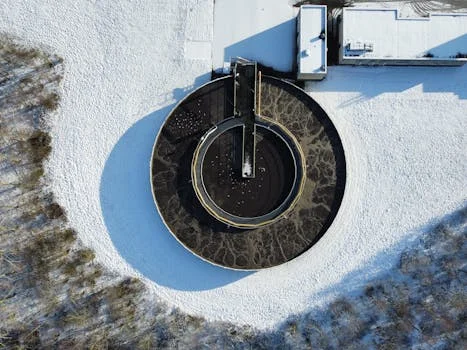
Prefabricated wastewater systems reduce installation timelines by up to 80% compared to traditional site-built concrete plants, primarily because factory production and site preparation occur simultaneously. In a B2B context, this speed translates directly into a faster return on investment (ROI) and reduced operational downtime. For example, a 500 m³/day prefabricated unit can often be commissioned within 4 to 6 weeks of arrival, whereas a site-built plant of the same capacity might require 6 to 12 months for excavation, concrete curing, and component installation.
Cost structures differ significantly between the two. Prefabricated plants have higher equipment-to-civil-work cost ratios, meaning more of the budget goes toward high-efficiency hardware rather than concrete and labor. While site-built plants may offer better economies of scale for massive municipal flows, package wastewater treatment plant costs and specs for small to medium-sized industrial applications (10–2,000 m³/day) are generally more competitive due to reduced site labor and standardized engineering. the footprint of a prefabricated system is typically 40-60% smaller than a conventional plant, allowing it to be integrated into existing industrial layouts or buried under parking lots.
| Feature | Prefabricated (Package) Plant | Traditional Site-Built Plant |
|---|---|---|
| Construction Timeline | 4–8 weeks (Factory + Site) | 6–18 months (On-site) |
| Footprint Requirement | Compact; often 50% less space | Large; requires extensive land |
| Civil Engineering Cost | Minimal (Slab or pit only) | High (Extensive concrete work) |
| Effluent Quality | High & Consistent (MBR/MBBR) | Variable; dependent on operation |
| Scalability | High (Add modules) | Low (Requires reconstruction) |
| Relocatability | Yes (Skid-mounted/Containerized) | No (Permanent infrastructure) |
Operational maintenance also favors the prefabricated model for many B2B buyers. These systems are designed for high levels of automation, reducing the need for constant on-site supervision. Because components are standardized, following an industrial package sewage treatment plant maintenance guide is straightforward, ensuring that plant managers can maintain compliance without employing a large team of specialized wastewater engineers. In contrast, site-built plants often require custom maintenance protocols for their unique configurations of pumps and valves.
Comparing Prefabricated Plants with Advanced Technologies (MBR, SBR, DAF)
Integrating Membrane Bioreactor (MBR) technology into a prefabricated unit allows for a 60% reduction in footprint compared to conventional activated sludge systems while producing effluent suitable for irrigation or cooling tower makeup. An integrated MBR membrane bioreactor system utilizes membranes with pore sizes typically below 0.1 microns to provide a physical barrier against bacteria and viruses. This technology eliminates the need for secondary clarifiers and sand filters, making it the preferred choice for industrial clients who face strict discharge limits or wish to implement water recycling programs.
For applications involving high concentrations of solids or oils, a dissolved air flotation (DAF) system provides an essential physical-chemical treatment step. DAF units operate by dissolving air into water under pressure and then releasing it at atmospheric pressure in a flotation tank. The resulting micro-bubbles (20–50 microns) attach to suspended solids and oil droplets, bringing them to the surface. When integrated into a prefabricated solution, DAF acts as a powerful pre-treatment that protects downstream biological processes from fouling and shock loads, particularly in the food, beverage, and textile industries.
| Technology | Primary Removal Mechanism | Best Use Case | Effluent Quality (BOD) |
|---|---|---|---|
| Prefabricated MBR | Biological + Ultrafiltration | Water reuse, high-density areas | < 5 mg/L |
| Prefabricated SBR | Batch Biological Treatment | Fluctuating flows, small towns | < 20 mg/L |
| Prefabricated DAF | Physical-Chemical Flotation | FOG, TSS, Oil removal | Pre-treatment only |
| Standard Prefab (A/O) | Continuous Biological | General sewage, workforce camps | < 30 mg/L |
The choice between these technologies within a prefabricated shell depends on the raw influent characteristics. While an MBR provides the highest quality water, it requires more intensive membrane cleaning and higher blower pressure. SBR systems offer excellent flexibility for variable loads but may have a slightly larger footprint than MBR. For industrial buyers, selecting an MBR wastewater treatment system often involves a cost-benefit analysis of the higher energy consumption against the value of the reclaimed water and the reduced footprint.
Cost Analysis: Prefabricated vs. Other Wastewater Treatment Options
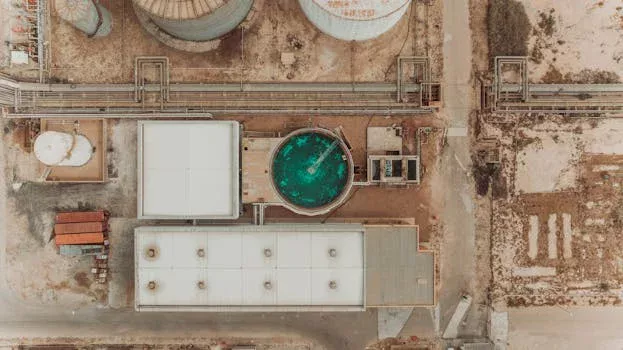
Factory-built modular plants typically offer a 20-30% lower initial capital expenditure for capacities under 500 m³/day compared to custom-engineered site-built solutions. This cost advantage stems from the "productization" of wastewater treatment; by using standardized designs and bulk-purchasing components, manufacturers can pass savings to the end user. In contrast, site-built plants incur high costs for custom architectural design, specialized on-site labor (welders, electricians, concrete crews), and extended project management overhead.
Operational and Maintenance (O&M) costs must be analyzed through the lens of automation and energy efficiency. Prefabricated plants are often equipped with smart sensors and automated sludge wasting, which reduces labor costs—often the largest component of O&M. While MBR-integrated systems have higher power requirements for membrane scouring, the overall lifecycle cost is often lower when considering the avoided fines for non-compliance and the potential savings from water reuse. For instance, a facility recycling 70% of its process water through an MBR can see a full ROI on the equipment in as little as 24 to 36 months, depending on local water utility rates.
| Cost Category | Prefabricated Plant | Site-Built Concrete Plant | Advanced Septic (ATU) |
|---|---|---|---|
| Initial CapEx | Moderate ($$$) | High ($$$$) | Low ($$) |
| Installation Labor | Low | High | Moderate |
| Energy Usage | Moderate to High | Moderate | Low |
| Sludge Disposal | Low (Optimized) | Moderate | High (Frequent pumping) |
| Lifecycle (20 yrs) | Lowest TCO | Moderate TCO | Variable |
When asking how much more expensive is an alternative septic system?, it is important to note that while a basic septic system is the cheapest upfront, its inability to meet industrial discharge standards makes it irrelevant for most B2B applications. Advanced aerobic septic systems can be 2-3 times more expensive than basic ones but still fall short of the robust processing power found in industrial prefabricated units. For true industrial or municipal compliance, the prefabricated plant offers the most balanced financial profile when considering total cost of ownership (TCO).
Choosing the Right System: A Decision Framework for B2B Buyers
Selecting a wastewater treatment system requires balancing raw influent characteristics, required discharge limits, and available land area. For plant managers and developers, the decision-making process should begin with a clear understanding of the wastewater volume. If the flow rate is between 1 and 80 m³/h, a prefabricated WSZ series unit is typically the most efficient choice. For flows exceeding several thousand cubic meters per day, the economies of scale may start to favor site-built infrastructure, though multiple prefabricated modules can be used in parallel to handle significant loads with greater redundancy.
Site constraints are the next critical factor. In urban environments or developed industrial parks where land is at a premium, the compact nature of a prefabricated system—especially one that can be buried—is often the deciding factor. If the project timeline is urgent, such as a new factory opening or a municipal system reaching capacity, the rapid deployment of a package plant (weeks vs. months) provides an unmatchable advantage. buyers must evaluate the level of on-site technical expertise; automated prefabricated systems are designed for "set it and forget it" operation, whereas complex site-built plants may require a full-time, certified operator.
Finally, it is essential to distinguish between a Sewage Treatment Plant (STP) and an Effluent Treatment Plant (ETP). While an STP is designed for domestic-strength waste from residential or commercial developments, an ETP is specifically tailored to handle the complex chemicals, heavy metals, and high organic loads found in industrial wastewater. Prefabricated systems can be configured as either, but the internal processes (such as adding a DAF for oil removal or specialized media for chemical COD) must be matched to the specific waste stream to ensure long-term performance and regulatory compliance.
Frequently Asked Questions
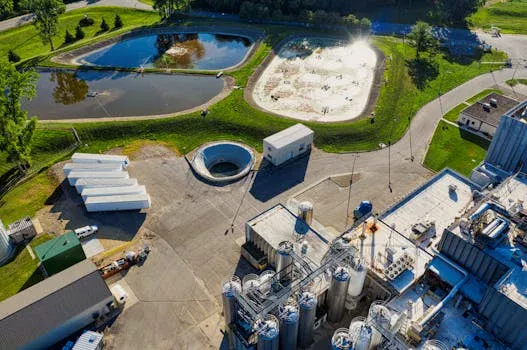
Which is better SBR or MBBR?
The choice depends on your specific goals. MBBR is generally better for projects with very limited space and a need for consistent, continuous flow treatment. SBR is often preferred for applications with highly variable wastewater volumes (e.g., resorts or factories with single shifts) because it treats water in batches, allowing for greater operational flexibility.What are the three types of wastewater treatment plants?
Wastewater plants are broadly categorized as physical-chemical plants (using flotation or coagulation), biological plants (using bacteria to break down organic matter), and advanced/tertiary plants (using membranes or UV for high-level purification). Most modern prefabricated units combine these into a single integrated system.What is the difference between STP and ETP?
An STP (Sewage Treatment Plant) handles domestic waste from toilets and kitchens, focusing on BOD and pathogen removal. An ETP (Effluent Treatment Plant) is designed for industrial wastewater, which may contain oils, heavy metals, or complex synthetic chemicals that require specialized pre-treatment like DAF or chemical dosing.
Related Equipment
- HydropureWater WSZ Series prefabricated wastewater plants — view specifications, capacity range, and technical data
- integrated MBR membrane bioreactor system — view specifications, capacity range, and technical data
- Dissolved air flotation (DAF) system — view specifications, capacity range, and technical data
Need a customized solution? Request a free quote with your specific flow rate and pollutant parameters.