Why Hospital Wastewater in Germany Requires Special Treatment
Hospital wastewater in Germany, while legally classified as domestic sewage with no mandatory pre-treatment regulations, presents a unique environmental challenge due to its disproportionately high concentration of pharmaceuticals and pathogens. Despite accounting for a smaller volume compared to general domestic wastewater, hospital effluents contribute an estimated 10–20% of pharmaceutical residues entering the treatment chain. These micropollutants, including common drugs like carbamazepine and contrast agents, often persist through conventional municipal treatment processes, posing significant risks to aquatic ecosystems. Studies have documented endocrine disruption in fish and other aquatic life due to these persistent chemicals. The presence of viral RNA fragments, such as SARS-CoV-2, in raw hospital wastewater underscores the critical need for advanced on-site treatment to mitigate public health risks and prevent the spread of infectious agents into the environment. This necessitates a departure from standard wastewater management practices towards more robust, specialized solutions. The sheer variety of active pharmaceutical ingredients (APIs) found in hospital wastewater, ranging from antibiotics and analgesics to cytotoxic drugs and hormones, further complicates treatment, as different compounds require diverse degradation pathways. For instance, antibiotics can contribute to antimicrobial resistance in the environment, a growing global health concern, while endocrine disruptors can have subtle yet profound impacts on the reproductive systems of aquatic organisms even at very low concentrations.
For comprehensive guidance on maintaining such systems, refer to our Medical Wastewater Treatment System Maintenance Guide.
Regulatory Framework for Hospital Effluent Discharge
Hospital wastewater management in Germany operates within the broader European Union Urban Waste Water Treatment Directive 91/271/EEC, which mandates treatment for agglomerations exceeding 2,000 Population Equivalents (PE). However, this directive does not specify unique pre-treatment requirements for hospital effluents. Consequently, discharge permits, known as Abwassereinleitungsrecht, are issued at the local level and may impose stricter, site-specific limits. These permits often target key parameters such as Chemical Oxygen Demand (COD), Biochemical Oxygen Demand (BOD5), suspended solids, and increasingly, micropollutants. While not universally mandated, emerging monitoring programs are beginning to track specific pharmaceuticals like diclofenac and iodinated contrast media at select hospitals, signaling a growing regulatory focus. For example, some regional authorities have established maximum permissible concentrations for specific pharmaceutical classes in discharged water. Hospitals seeking to demonstrate environmental leadership may also pursue voluntary certifications, such as the Blue Angel ecolabel, which encourages exceeding baseline discharge standards and implementing best available technologies for wastewater treatment. This proactive approach not only enhances their environmental profile but also anticipates future regulatory tightening.
For advanced treatment solutions designed to meet stringent discharge requirements, explore our Medical & Hospital Wastewater Treatment System.
A bridge to the next section: Effective treatment solutions are crucial for hospitals to meet regulatory requirements and mitigate environmental impacts.
Proven Treatment Technologies for German Hospitals
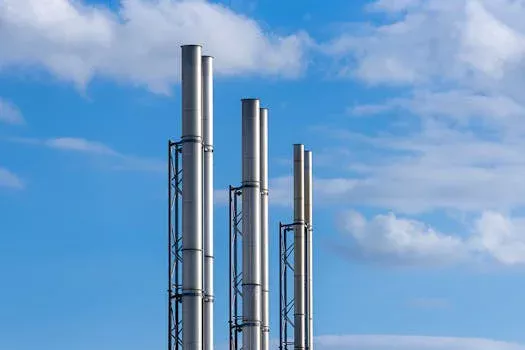
Effective management of hospital wastewater in Germany typically involves a multi-stage approach leveraging advanced technologies. Membrane Bioreactor (MBR) systems are a cornerstone, achieving over 90% removal of pharmaceutical residues and significant pathogen reduction (up to 6-log10 units) through a combination of biological degradation and ultrafiltration via 0.1 μm PVDF membranes. This advanced filtration is crucial for removing fine particulate matter and microorganisms. Following biological treatment, ozonation is frequently employed as a post-treatment step. Doses typically range from 5–20 mg/L with contact times of 10–30 minutes, effectively breaking down recalcitrant organic compounds, including complex pharmaceuticals and antibiotics that resist biological degradation. For disinfection, chlorine dioxide (ClO₂) offers a chemical-free alternative, achieving 99%+ pathogen kill rates with a significantly lower formation of disinfection by-products (DBPs) compared to traditional chlorine-based methods, aligning with standards like the EU Drinking Water Directive 98/83/EC. In facilities with high concentrations of fats, oils, and greases (FOG) or suspended solids, Dissolved Air Flotation (DAF) is often implemented as a pre-treatment step, capable of removing 92–97% of TSS and protecting downstream processes. Granular Activated Carbon (GAC) filtration can also be a valuable polishing step, adsorbing residual micropollutants that may have escaped earlier treatment stages, further enhancing effluent quality.
Our offerings include robust solutions such as the MBR Membrane Bioreactor Wastewater Treatment System, the Chlorine Dioxide Generator, and the Dissolved Air Flotation (DAF) Machine.
Comparison of On-Site Treatment Systems for Hospitals
Selecting the optimal on-site treatment system for a German hospital requires careful consideration of performance, footprint, and operational demands. Integrated MBR systems deliver superior effluent quality, often achieving COD levels below 10 mg/L and effectively removing particles down to 1 μm, making the water suitable for reuse in some applications such as irrigation or toilet flushing, thereby reducing overall water consumption. However, MBRs necessitate skilled maintenance and significant energy input for aeration and membrane backwashing. Ozonation, while requiring substantial capital investment and energy, offers unparalleled degradation of micropollutants, breaking down complex organic molecules into simpler, less harmful compounds. Dissolved Air Flotation (DAF) systems excel at handling fluctuating influent loads and safeguarding downstream processes by efficiently removing FOG and suspended solids, though they do generate a sludge stream that requires dewatering and disposal. Advanced Oxidation Processes (AOPs), which combine ozone with UV or hydrogen peroxide, can achieve even higher degradation rates for particularly stubborn micropollutants but come with increased complexity and cost.
| Technology | Primary Function | Pharmaceutical Removal (%) | Pathogen Reduction (Log) | Footprint | Operational Complexity | Key Benefit |
|---|---|---|---|---|---|---|
| MBR | Biological degradation & ultrafiltration | >90% | 6-log (bacteria) | Moderate to High | High (skilled maintenance, energy) | High effluent quality, compact footprint |
| Ozonation | Oxidation of recalcitrant compounds | >85% (compounds dependent) | Variable (oxidative effect) | Low to Moderate | Moderate (dosing control, safety) | Effective micropollutant degradation |
| Chlorine Dioxide (ClO₂) | Chemical disinfection | N/A | >99% | Low | Low to Moderate (dosing) | Chemical-free disinfection, low DBP formation |
| DAF | FOG & TSS removal | Low | N/A | Moderate to High | Moderate (sludge handling) | Handles fluctuating loads, protects downstream |
For tailored solutions, consider our compact ozone-based hospital wastewater systems and the integrated MBR system for hospital wastewater.
Designing a Compliant Hospital Wastewater Solution
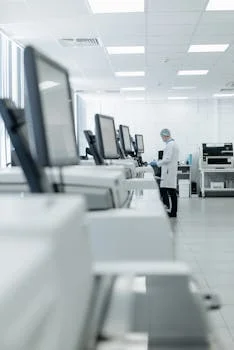
A systematic approach beginning with thorough influent characterization is essential to design a compliant hospital wastewater treatment solution in Germany. This involves testing for key parameters such as COD, BOD5, total suspended solids (TSS), specific pharmaceutical residues (e.g., carbamazepine, ibuprofen), nitrogen and phosphorus compounds, and pathogen indicators. Sizing the treatment system to accommodate peak flow rates, typically 1.5 times the average daily load, and incorporating buffer tanks for surge control is critical for operational stability. Integrating automatic monitoring systems for parameters like pH, Oxidation-Reduction Potential (ORP), and residual oxidants is vital for meeting permit reporting requirements and ensuring consistent treatment performance. Implementing redundancy in critical components, such as dual blowers or backup ozone generators, enhances system reliability and minimizes the risk of non-compliance due to equipment failure. Regular calibration of sensors and analyzers is also a crucial aspect of maintaining system accuracy and compliance. A comprehensive operational and maintenance plan, including routine sampling and laboratory analysis, is indispensable for demonstrating ongoing compliance and optimizing treatment efficiency.
Essential components for robust wastewater management include our Automatic Chemical Dosing System and Rotary Mechanical Bar Screen (GX).
Frequently Asked Questions
How is hospital wastewater treated in Germany? Most hospitals discharge their wastewater to municipal systems. However, advanced on-site plants, often employing Membrane Bioreactors (MBR) followed by ozonation or activated carbon filtration, are increasingly being adopted, particularly for effective pharmaceutical removal and to meet stricter local discharge limits.
What is the difference between MBR and MBBR? MBR (Membrane Bioreactor) uses submerged membranes for solid-liquid separation, achieving a high effluent quality suitable for reuse. MBBR (Moving Bed Biofilm Reactor) utilizes plastic carriers to enhance biofilm growth for biological degradation; MBR generally delivers superior effluent quality but at a higher operational cost and complexity, especially regarding membrane maintenance.
Which country has the best hospital wastewater treatment? Germany and Switzerland are recognized leaders in advanced wastewater treatment, particularly for micropollutant removal, with full-scale ozonation plants operational for many years and extensive research into advanced oxidation processes.
Where does hospital sewage go in Germany? Typically, hospital sewage is directed to municipal wastewater treatment plants. However, larger healthcare facilities are increasingly installing on-site systems to meet sustainability targets, manage specific effluent challenges like high pharmaceutical loads, and reduce their environmental footprint.
Can ozone remove pharmaceuticals from hospital wastewater? Yes, ozonation is highly effective at degrading a wide range of pharmaceutical compounds, including contrast media and antibiotics. With proper dosing and contact times, efficiencies exceeding 85% for many micropollutants can be achieved, contributing significantly to how ozone systems ensure compliance in medical facilities. Advanced oxidation processes, combining ozone with other agents, can further enhance removal rates for particularly persistent compounds.
For detailed insights into MBR selection, consult our guide to selecting MBR systems for medical applications.