

Which Federal and Broward County Rules Govern a Petroleum Bulk Plant Discharge
Petroleum bulk plants in the Fort Lauderdale area are regulated federally under 40 CFR Part 413 — the EPA's Effluent Limitations Guidelines for the Petroleum Marketing Terminals point source category — and are controlled locally by Broward County's Industrial Pretreatment Program (IPP) under Chapter 34 of the County Code, with the City of Fort Lauderdale and City of Hollywood operating separate delegated IPPs inside their service footprints. The federal categorical standard sets oil and grease (O&G) at 100 mg/L daily maximum / 50 mg/L monthly average, total suspended solids (TSS) at 200 mg/L daily maximum, pH between 6.0 and 9.0 standard units, and a "no visible sheen" requirement on the discharge. 40 CFR Part 403 (the General Pretreatment Regulations) authorizes a local POTW to operate an approved IPP and enforce local limits at least as stringent as the federal categorical standard.
The local authority depends on which sewer the plant discharges to. Most unincorporated Broward sites fall under the County's Chapter 34 program; plants inside Fort Lauderdale city limits are governed by the city's Utilities Department IPP; terminals in Hollywood, Dania Beach, or Pompano Beach may sit under those cities' own delegated programs. Permit reviewers should be shown the exact POTW connection permit alongside any FDEP Industrial Wastewater Permit if the site has on-site disposal or a process wastewater side-stream. Historically, the receiving POTW headroom is real but tight: per the 1977 EPA Region IV technical assistance report on Fort Lauderdale's three wastewater plants, the Sixth Street "A" WTP operated under weekly-average NPDES limits of 24 mg/L BOD₅ and 45 mg/L TSS, while the Executive Airport "E" WTP operated under stricter limits of 13 mg/L BOD₅ and 20 mg/L TSS (source: EPA-904/9-77-025). That headroom is what local limits are calibrated to protect, which is why a bulk plant cannot discharge more than 100 mg/L O&G without pushing the receiving plant toward permit excursions.
What a Petroleum Bulk Plant Actually Discharges to the Sewer
A South Florida bulk plant generates four discrete wastewater streams, each with a different characteristic signature, and the design of the treatment train depends on capturing the right ones and segregating them from clean stormwater. The largest volume stream is loading-rack runoff — fuel drippage, hose purge water, and rainwater falling on the loading pad — which typically runs 50–500 mg/L O&G with high TSS from pad grit and tire wear. Tank-bottom water and draw-off is the most concentrated stream: settled water and sludge from storage tank inspection and cleaning, often 1,000–10,000 mg/L O&G with stable emulsified layers that will not break in a simple gravity separator.
These primary streams require careful management alongside the site’s remaining wastewater. The remaining two streams are lower-strength but operationally important. Hydrostatic test water is periodic — pipeline and tank testing typically once every 5–10 years per API 653 inspection cycles — high in volume (often millions of gallons), low in oil, and almost always handled separately under an FDEP or local utility discharge authorization rather than routed to the pretreatment train. Equipment wash water and spill containment sump water is intermittent but slug-prone, and must be piped to the treatment train rather than the storm sewer; a single 50-gallon fuel release into a containment sump can spike the influent above the equalization basin's design assumption in minutes.
Process-versus-storm segregation is non-negotiable in Florida. Bulk plants with above-ground storage exceeding the EPA Multi-Sector General Permit (MSGP) thresholds must comply with Sector M (Petroleum Refining and Related Industries) and physically segregate contaminated process water from clean rooftop and parking-lot runoff. The standard tool is a locked stormwater diversion valve at the property's lowest drain, kept in the closed position except during documented clean-rainfall discharge events; the same valve feeds the OWS/DAF train during and after any loading-rack or transfer event.
The Standard Treatment Train at a South Florida Bulk Plant
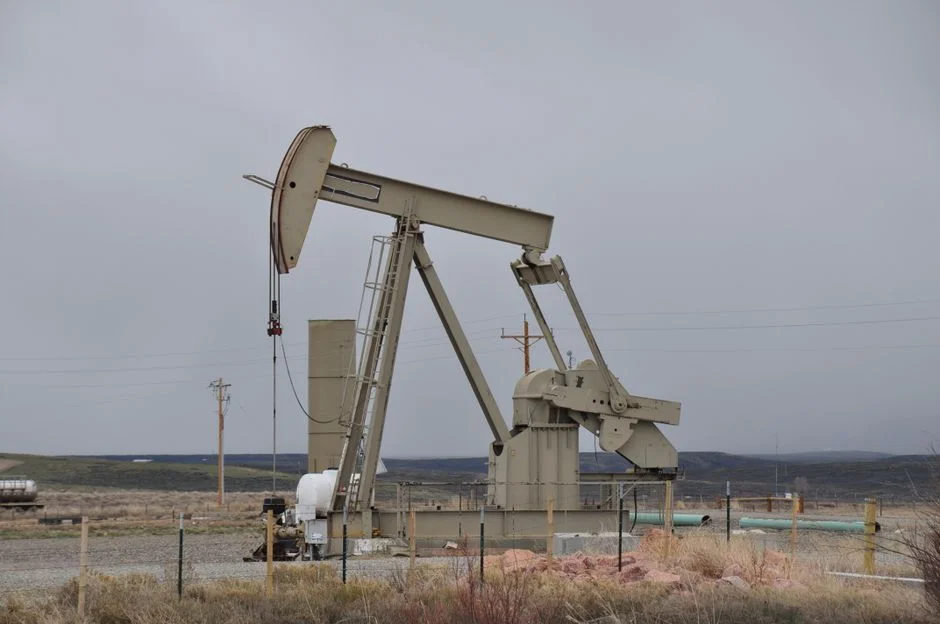
The conventional five-step train at a Broward County bulk plant is (1) API/CPI oil-water separator, (2) equalization/slug-control basin, (3) dissolved air flotation, (4) multi-media filtration, and (5) pH adjustment with effluent monitoring. The API/CPI oil-water separator handles free oil by gravity; design rule-of-thumb is roughly 1,440 ft² of plate area per 1,000 bbl/day of throughput, and a properly sized unit achieves >90% free-oil removal before downstream polishing. The equalization basin sized for at least 24 hours of design flow dampens shock loads from a fuel delivery or a tank draw-off and gives operations a buffer to react to a slug before it hits the polish steps. The dissolved air flotation system in the third stage targets emulsified FOG and fine suspended solids that pass through the separator; operating envelope is 4–300 m³/h with an air-to-solid ratio of 0.005–0.015 lb air per lb SS, which is the range that produces the 20–50 micron micro-bubbles needed to attach to neutrally buoyant oil droplets. A multi-media filtration polish step with sand/anthracite/GAC removes residual sheen, trace hydrocarbons, and TSS to meet the 200 mg/L TSS ceiling. The final stage is inline pH adjustment and an effluent monitoring port for daily self-monitoring and POTW compliance sampling; chlorination is not typically required for petroleum pretreatment unless the receiving POTW has a residual chlorine limit, in which case dechlorination with sodium bisulfite is standard.
| Stage | Unit Operation | Typical Removal / Performance | Design Sizing Basis |
|---|---|---|---|
| 1 | API / CPI oil-water separator | >90% free oil removal | ~1,440 ft² plate area per 1,000 bbl/day |
| 2 | Equalization / slug basin | Dampens >5x design flow shocks | ≥24 hours at design flow |
| 3 | DAF unit | Emulsified O&G to <50 mg/L; TSS to <100 mg/L | 0.005–0.015 lb air/lb SS; 4–300 m³/h |
| 4 | Multi-media filter (sand/anthracite/GAC) | Sheen removal; TSS polish to <30 mg/L | 5–15 m/h filtration velocity |
| 5 | pH adjust + effluent monitoring | Discharge to pH 6.0–9.0; sample port for TR-360 / POTW | Inline probe + automated sampler |
Most permit failures at existing bulk plants trace back to a missing third stage — the site has a separator and a clarifier but no DAF, so emulsified FOG carries through and the effluent O&G trends above 100 mg/L on grab samples. Adding the DAF polish is the highest-leverage retrofit for a 2026 permit cycle.
DAF vs Lamella Clarifier for Petroleum Bulk-Plant FOG
DAF is the default for the FOG-removal stage at a petroleum bulk plant because micro-bubble flotation attaches to neutrally buoyant oil droplets that lamella plates cannot capture by gravity alone. A lamella clarifier is a high-rate sedimentation device using inclined plates at 55–60° to increase the effective settling area; it is well-suited to high-TSS, low-oil streams, or as a pre-thickener ahead of sludge dewatering. Surface loading rates for an efficient lamella are typically 20–40 m/h (HydropureWater field data, 2026), which makes the unit compact, but its oil-removal mechanism is strictly gravity and is ineffective on emulsified FOG below roughly 50 µm droplet size.
The operational requirements of these systems often dictate the final equipment selection. Footprint and operating cost swing the decision decisively toward DAF in this service. A DAF typically achieves equivalent oil removal in 30–50% of the footprint of a lamella clarifier at the same design flow, because the rising bubble velocity (~1 m/h) is faster than the equivalent settling velocity of an oil droplet. On energy, a DAF uses 0.5–1.5 kWh/m³ for the recycle pump and saturator; a lamella uses less energy but consumes 2–3x the polymer in FOG service, which shifts the operating-cost line depending on local polymer pricing. The DAF side is reinforced by the broader petroleum and organic chemicals literature — see DAF vs clarifier for petroleum and organic chemicals wastewater and DAF vs clarifier selection for petroleum wastewater — and the pattern is consistent: DAF for the FOG-removal stage, lamella reserved for sludge thickening downstream. A site retrofit that tries to substitute lamella for DAF to save CAPEX usually finds the O&G numbers drift above 100 mg/L within one wet season.
| Criterion | DAF | Lamella Clarifier |
|---|---|---|
| Best-fit stream | Emulsified FOG + fine TSS | High TSS, low oil; or sludge thickening |
| Footprint at same flow | Baseline | 2–3x larger for equivalent oil removal |
| Air/solids ratio | 0.005–0.015 lb air/lb SS | N/A |
| Surface loading | N/A (rising bubble ~1 m/h) | 20–40 m/h |
| Energy use | 0.5–1.5 kWh/m³ | <0.2 kWh/m³; higher polymer dose |
| Default for petroleum bulk plants | Yes | Only for sludge thickening downstream |
The 2026 Compliance Workflow for a Broward County Bulk Plant
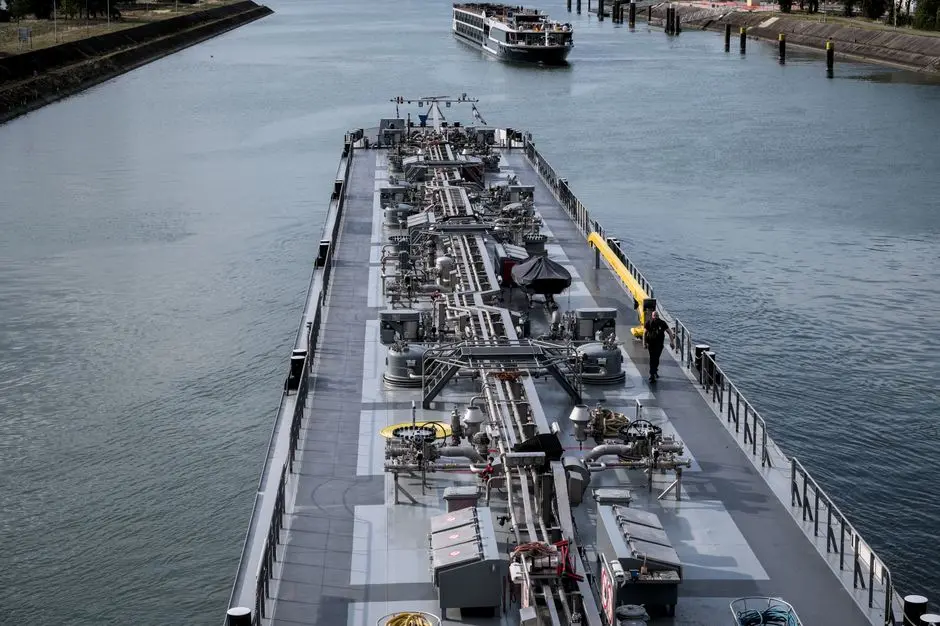
A defensible 2026 compliance workflow for a Broward County bulk plant runs through five steps, each tied to a citable rule. Step 1: confirm coverage — verify that the site discharges under a Broward County IPP permit, a city POTW permit (Fort Lauderdale, Hollywood, Dania Beach, Pompano Beach), or, if there is on-site disposal, an FDEP Industrial Wastewater Permit. Step 2: baseline characterization per 40 CFR Part 403 Appendix B — develop a slug-control plan that maps every possible discharge source (loading rack drip, tank-bottom draw, hydrostatic test water, sump pump-out) and conduct 24-hour composite sampling for O&G, TSS, pH, BTEX, and TPH. Step 3: self-monitoring at the cadence the local POTW requires — typically daily visual sheen check, weekly grab sample, monthly 24-hour composite, with full chain of custody for any sample that goes to a contract lab.
Operational diligence ensures these compliance measures remain effective over time. Step 4: implement Best Management Practices (BMPs) at the loading rack — spill containment sized for the largest single-compartment tanker, dedicated eyeball/drain seals on each loading bay, covered berms on all tank farm secondary containment, and locked stormwater valves that physically enforce process/storm segregation; this is the same BMP framework that petroleum plant pretreatment in comparable US jurisdictions uses and it satisfies both the IPP inspector and the EPA MSGP Sector M auditor. Step 5: reporting — file the annual IPP report with the controlling POTW on its calendar (most Broward POTWs use a January–December reporting year with a March submittal window), and respond to any Significant Noncompliance (SNC) notice inside the FDEP-mandated response window, which is typically 30 days from issuance.
Frequently Asked Questions
What federal rule controls oil and grease discharge from a petroleum bulk plant to a POTW?
40 CFR Part 413 sets the federal categorical standard for petroleum marketing terminals, bulk plants
Frequently Asked Questions
What is the oil and grease discharge limit for a petroleum bulk plant discharging to a Florida POTW?
Most local limits for petroleum bulk plants discharging to Publicly Owned Treatment Works (POTWs) in Florida, including those in the Fort Lauderdale service area, cap oil and grease at 100 mg/L. This limit is generally enforced based on the HEM (n-hexane extractable material) analytical method to ensure compliance with local sewer use ordinances designed to prevent interference with biological treatment processes.
Do I need a DAF or just an oil-water separator to meet Broward County pretreatment limits?
For most standard petroleum bulk plant operations, a high-efficiency API or coalescing plate oil-water separator is sufficient to meet pretreatment requirements. Dissolved Air Flotation (DAF) units are typically only required if the facility handles high volumes of emulsified oils or if the influent concentration consistently exceeds the 100 mg/L threshold due to site-specific operational variables.
Which federal regulation covers a petroleum bulk plant — 40 CFR Part 413 or 40 CFR Part 419?
Petroleum bulk plants are generally regulated under 40 CFR Part 419, which covers the Petroleum Refining Point Source Category. While bulk plants are distinct from refineries, the effluent guidelines and pretreatment standards for subcategories related to petroleum handling often reference the performance standards established within this framework to ensure the removal of conventional and non-conventional pollutants.
How often does a petroleum bulk plant have to sample its discharge to the sewer in Broward County?
Sampling frequency is determined by the facility’s Industrial Wastewater Permit issued by the local control authority. Typically, categorical industrial users are required to perform self-monitoring at least twice per year, though facilities with a history of non-compliance or those discharging high-strength waste streams may be mandated to conduct quarterly or monthly sampling to ensure ongoing adherence to pretreatment standards.
Can a petroleum bulk plant send hydrostatic test water to the sanitary sewer in Fort Lauderdale?
Hydrostatic test water can generally be discharged to the sanitary sewer, but it requires prior written authorization from the Fort Lauderdale utility department. The facility must provide analytical data demonstrating that the water does not contain prohibited levels of petroleum hydrocarbons, benzene, or other regulated contaminants, and the discharge must be metered or estimated to ensure it does not exceed hydraulic capacity limits.