Industrial activated carbon filter maintenance centers on four controls: differential pressure tracking, scheduled backwash, protected pretreatment, and effluent breakthrough monitoring. Granular activated carbon (GAC) beds typically run 12-24 months between media changes when solids loading stays low and empty-bed contact time stays inside the design window. Most plants we size for solvent or TOC polishing replace media earlier when influent spikes or pre-filters are neglected.
Activated Carbon Filter Maintenance That Protects Discharge Limits
Industrial GAC filters stay compliant when operators backwash on a 5-10 PSI differential-pressure rise, keep pretreatment online, and replace media at breakthrough—usually within 12-24 months. Daily DP logs, monthly TOC or COD checks, and annual capacity tests prevent channeling and premature exhaustion. Spent carbon must be handled as potentially hazardous waste under local EPA-aligned disposal rules.
GAC removes fuel oil, solvents, PCBs, dioxins, many industrial organics, some radioactive species, and low levels of certain metals by adsorption onto a large internal pore surface. Contact times are short—often only minutes for water or vapor through the bed—so bed condition and flow distribution matter as much as media grade. Coconut-shell GAC is common where hardness, low dust, and small-molecule organics dominate taste, odor, or general organic polishing duties on process and wastewater trains.
Catalytic carbon goes further than physical adsorption alone. It supports chloramine and hydrogen sulfide reduction and can aid iron or manganese oxidation when plain GAC falls short on those reactions. Matching media chemistry to the target contaminant is the first design decision, before any service schedule is written. For process theory and adsorption data behind an activated carbon filter for wastewater treatment, use the companion engineering guide rather than treating this page as a design primer.
Rapid bed turnover without those controls shows up first as unstable DP, then as permit-risk organics in the polished stream. Keeping the four controls above on one shift log is usually enough to catch both failure modes before a forced shutdown.
What Preventive Maintenance Do Industrial Carbon Filters Need?
Preventive maintenance for industrial carbon filters follows a fixed cadence: daily differential-pressure checks, weekly visual inspections, backwash on DP or timer, monthly pre-filter service, and quarterly gauge calibration. Structured protocols are estimated to extend operational life by 25-40% and cut unscheduled downtime when crews treat backwash and pretreatment as non-negotiable. These steps are not only about media swaps; they keep porosity, contact time, and effluent quality inside the design envelope day after day.
Backwashing removes trapped suspended solids, limits channeling, and restores bed porosity after each solids load cycle. Automatic filters usually trigger at a 5-10 PSI rise across the bed or on a timed cycle every 1-3 days, depending on influent solids. Manual units often run every 1-2 weeks when turbidity is moderate and operators can staff the valve sequence. Reverse flow at about 8-12 GPM/sq. ft. for 10-15 minutes fluidizes the bed, lifts fines, and sends solids to drain. Too little backwash leaves channels; too much washes carbon out of the vessel and thins the working bed depth.
Upstream sediment or multi-media filters shield the GAC from premature clogging by grit and colloids. Clean or replace those cartridges and beds monthly or quarterly based on turbidity and pre-filter DP. Skipping that step shortens the life of the more expensive carbon and advances breakthrough even when the vessel still looks full. Detailed steps sit in the Multi-media filter maintenance guide. Media replacement timing should follow breakthrough curves, contaminant loading, or lab effluent trends—not a calendar alone. Many plants still plan a 12-24 month changeout as a floor, then advance the date when TOC, COD, or a target VOC climbs in the polished stream.
Spent GAC may hold adsorbed hazardous substances and must be disposed under local environmental rules aligned with EPA guidance. Weekly walk-downs catch leaks, tank corrosion, and stuck valves before they strand a train. Calibrate pressure gauges quarterly so the 5-10 PSI backwash trigger remains real rather than a false comfort reading. Track influent and effluent TOC, COD, and target organics such as VOCs or phenols so exhaustion is visible before discharge limits are breached.
Industrial water filter maintenance services on multi-unit sites should keep GAC work orders distinct from softener, sand, or dewatering tasks. Shared contractors still need carbon-specific acceptance checks: bed height after backwash, DP baseline, and the latest effluent organics before they sign off a visit.
Plants that also run dewatering trains should keep solids handling on a separate SOP. A plate-and-frame crew following a written filter press maintenance checklist should not borrow GAC backwash timers or carbon-bed DP setpoints; the failure modes differ. The same site’s filter press maintenance manual covers cloth wash, hydraulic checks, and cake release—work that never substitutes for carbon breakthrough testing on the polishing skid.
Industrial GAC Filter Service Schedule
| Maintenance Task | Frequency | Rationale / Key Action |
|---|---|---|
| Check Differential Pressure | Daily | Indicates clogging/backwash need. Action: If >5-10 PSI increase, initiate backwash. |
| Visual System Inspection | Weekly | Check for leaks, corrosion, valve positions. Action: Address any anomalies immediately. |
| Backwash GAC Filter | 1-3 Days (Auto) / 1-2 Weeks (Manual) | Remove solids, prevent channeling, restore bed. Action: Adjust frequency based on DP rise and influent quality. |
| Pre-filter Cleaning/Replacement | Monthly / Quarterly | Protect GAC bed from premature clogging. Action: Replace if pressure drop is excessive or visibly fouled. |
| Effluent Quality Testing (TOC, COD, Specifics) | Monthly / Quarterly | Monitor contaminant removal efficiency, detect breakthrough. Action: If levels rise, prepare for media replacement. |
| Pressure Gauge Calibration | Quarterly | Ensure accurate pressure readings for system diagnostics. Action: Calibrate or replace faulty gauges. |
| GAC Media Lab Analysis | Annually / As Needed | Assess remaining adsorption capacity, predict exhaustion. Action: Use data for precise replacement scheduling. |
| GAC Media Replacement | 12-24 Months (Avg.) / As Indicated by Breakthrough | Restore full adsorption capacity. Action: Plan for timely replacement and proper disposal of spent carbon. |
Monitoring Performance and Predicting Media Exhaustion in Industrial GAC Systems
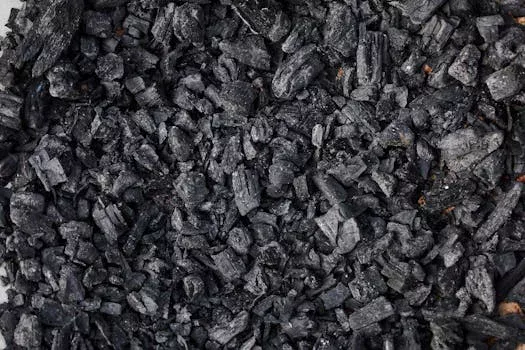
Proactive monitoring of industrial GAC systems predicts media exhaustion early enough to schedule changeouts before contaminant breakthrough. Logging DP, effluent organics, and contact time together is more reliable than any single alarm on the panel. Plants that only watch pressure still miss dissolved-organic breakthrough when the bed is hydraulically open but chemically spent.
Differential pressure across the bed is the first field signal for solids-related trouble. A gradual rise usually means particulate buildup, compaction, or early channeling after incomplete backwash. A sharp jump often means fines migration or severe clogging and needs immediate backwash or inspection of distributors. Keep a written baseline so a 5-10 PSI increase is unambiguous for shift crews. Effluent testing remains the decisive check for adsorption life. TOC, COD, and target compounds measured by GC/MS or HPLC show when capacity is fading under a known influent load.
Rising effluent values under stable influent load confirm exhaustion and protect discharge permits better than runtime counters. Breakthrough curve work is the planning tool for larger trains and multi-vessel lead-lag setups. Continuous target-contaminant monitoring starts near zero in the effluent, then climbs in an S-shaped curve as the bed saturates along the flow path. The breakthrough point is set at a defined fraction of influent concentration or at the regulatory limit for that compound.
Replacing media just before that point keeps treatment continuous without wasting unused capacity. Higher influent load shortens life in nearly linear fashion for many organics. Higher flow cuts contact time and advances breakthrough even when mass loading looks acceptable on paper. Lower temperature generally favors adsorption kinetics for common industrial solvents. Catalytic grades follow their own exhaustion pattern for oxidative targets and should not be timed with general organic beds on the same calendar.
Lead-lag vessel pairs give operators a practical buffer: swing the lag vessel online when the lead approaches breakthrough, then change the spent vessel offline. That pattern keeps discharge stable during media handling and avoids weekend emergency changeouts on single-vessel plants.
Key Performance Indicators (KPIs) for Industrial GAC Systems
| Parameter | Monitoring Method | Indication of Issue | Action Threshold |
|---|---|---|---|
| Differential Pressure (DP) | Pressure gauges (influent/effluent) | Clogging, channeling, compaction | DP increase of 5-10 PSI over baseline |
| Effluent TOC/COD | Online analyzer / Lab analysis | Decreased organic removal, media exhaustion | Exceeds regulatory limit or 10-20% increase from baseline |
| Target Contaminant Conc. | Online analyzer / Lab analysis (e.g., GC/MS, HPLC) | Adsorption breakthrough, media exhaustion | Exceeds breakthrough point or discharge limit |
| Contact Time | Flow rate / Bed volume calculation | Insufficient adsorption, premature breakthrough | Below manufacturer's recommended minimum |
| Bed Depth / Settling | Visual inspection after backwash | Media loss, poor backwash, channeling risk | Noticeable reduction in bed height |
Which Activated Carbon Specs Matter for Filter Performance?
Activated carbon specs that drive filter performance are iodine number or surface area for organics, hardness for backwash durability, mesh size for pressure drop, and catalytic activity when chloramine or sulfide is the target. Spec sheets without influent chemistry are incomplete for industrial buyers. Coconut-shell grades with high hardness and low dust suit small-molecule organics and frequent fluidization cycles on automatic valves.
Softer coals may dust under aggressive backwash and raise DP even when residual adsorption capacity remains on paper. Catalytic carbon is specified when physical adsorption alone cannot meet chloramine, H2S, or selected metal-oxidation duties in the same vessel. Always confirm empty-bed contact time and design flow against the manufacturer minimum before blaming the media grade or ordering an early changeout. Mesh selection also sets headloss; finer meshes raise surface kinetics but climb DP faster when pretreatment slips.
Ask vendors for abrasion number or hardness data when automatic backwash is frequent. Low-hardness media can lose bed volume quietly over a few months and create the same channeling risk as a poor distributor plate.
Troubleshooting Common Activated Carbon Filter Issues in Industrial Settings
Premature contaminant breakthrough and high differential pressure account for over 70% of common operational issues in industrial activated carbon filtration systems. Fast response keeps permits intact and avoids cascading damage to downstream polishing units such as RO or ion exchange. Most callouts we see start as ignored DP trends or skipped pre-filter changes rather than sudden media failure.
Premature breakthrough appears when effluent contaminants rise well before the planned media life on the work order. Typical causes are influent overload, short contact time from excess flow, or channeling that bypasses active carbon along the wall or through compacted zones. Reset flow to design, strengthen upstream pretreatment, and re-level the bed if channels persist after a full fluidization backwash. Confirmed breakthrough still requires media replacement; operating past the knee of the curve rarely recovers on its own.
High DP means flow resistance from solids, carbon fines, or biofouling inside the working bed. Raise backwash frequency or intensity first, then inspect upstream Multi-media filters for robust pretreatment for bypass or exhausted cartridges. Suspected biofouling may need controlled pre-disinfection that the carbon grade can tolerate without destroying catalytic sites. Severe compaction usually ends in media change because porosity does not return after routine backwash alone.
Channeling lets untreated water short-circuit the bed and shows up as early effluent hits with only modest DP rise. Causes include weak or infrequent backwash and localized high velocity at poor distributors. Fluidize fully during backwash and redistribute media evenly; severe cases need professional leveling or replacement. Organic and biological fouling cut capacity and lift DP when pretreatment is weak or warm recycle loops seed growth. Strong upstream filtration plus suitable disinfection—see Water disinfection equipment maintenance—limits biomass growth before it coats the granules.
Process-water odor or taste problems usually mean organic breakthrough or biofilm byproducts rather than a sensor fault. Confirm with effluent tests for the odor-active fraction, then replace exhausted media and correct disinfection or empty-bed contact time. Document the event load so the next carbon fill is sized for the true peak, not the average day.
What Are Practical Alternatives to Activated Carbon?
Practical alternatives to activated carbon include multi-media or dual-media filtration for solids, reverse osmosis for dissolved salts and many organics, and oxidation or biological stages when adsorbable load is not the binding constraint. GAC remains the usual pick for low-level dissolved organics, taste and odor, and selected priority pollutants after solids are already controlled. Choosing an alternative without a contaminant map usually recreates the same breakthrough problem in a different vessel.
A carbon-plus-multi-sand train is not the same as a dual-media filter (DMF): multi-sand or dual-media beds target turbidity and protect downstream GAC, while DMF-style graded sand/anthracite trains are sized for particulate polishing, not adsorption duty. When dissolved organics dominate, GAC or catalytic carbon still carries the duty after solids are stripped. When TDS or ionic rejection matters, an RO skid such as a dedicated RO water treatment system is the cleaner fit downstream or in parallel. Packaged trains that combine clarification, filtration, and polishing—such as an Integrated Water Purification System (JY Series)—reduce handoffs between standalone vessels on smaller industrial sites with limited operators.
Extending Activated Carbon Media Lifespan and Optimizing Operational Costs
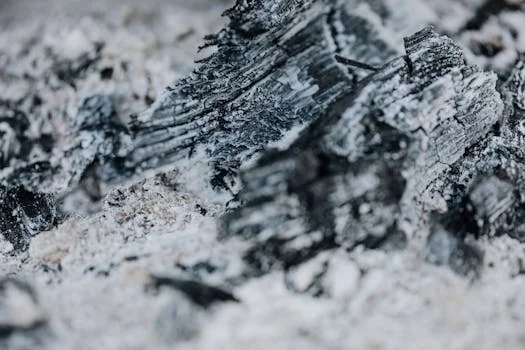
Robust pretreatment and correct media selection can extend industrial activated carbon media life by up to 100%, cutting replacement frequency and disposal cost on high-flow trains. Design, flow control, and service discipline must move together; one weak link spends the bed early and erases the Capex advantage of a larger vessel. Most plants we size for food, chemical, or electronics wastewater run longest when pre-filter DP is alarmed as tightly as the carbon bed itself.
Upstream particulate control is the highest-leverage step on existing skids. Multi-media filters for robust pretreatment, cartridge filters, or equivalent solids barriers keep colloids off the carbon so pores stay available for dissolved organics. Hold flow and contact time inside design limits during production peaks, not only at average day rates. Over-rate a vessel and breakthrough arrives early even with fresh media and perfect backwash. Match carbon type to the contaminant: coconut-shell GAC for general organics and taste/odor; catalytic carbon for chloramine or hydrogen sulfide where reaction pathways matter.
Large users with high spent-carbon volume should compare off-site thermal regeneration with virgin replacement on a landed-cost basis. Regeneration desorbs and destroys adsorbed load and restores a large share of capacity, lowering disposal cost and virgin carbon demand when logistics and permits support the loop. Small sites with infrequent changeouts usually stay on virgin replacement because drum transport and reactivation fees erase the savings. Either path still needs the same DP, effluent, and pretreatment discipline while the bed is online.
Cost drivers that dominate the five-year view are media mass per changeout, disposal or regeneration fees, downtime labor, and pretreatment cartridge spend. Cutting any one of those without watching breakthrough risk usually shifts cost into permit exposure or emergency freight for virgin carbon.
Selection checklist before you change media or redesign the train
- Confirm influent TOC/COD and target contaminant peaks against design load.
- Verify empty-bed contact time at actual peak flow, not average flow.
- Prove pretreatment DP and turbidity are inside the GAC vendor’s solids limits.
- Log bed DP baseline and the 5-10 PSI backwash trigger with calibrated gauges.
- Decide replacement vs off-site regeneration using spent-carbon volume and hazard class.
- Assign ownership for monthly effluent TOC/COD and annual capacity lab tests.
- Separate GAC SOPs from unrelated solids equipment so crews do not mix setpoints.
Who This Is For / Next Step
Plant engineers, EPC contractors, and procurement managers who already run or specify industrial GAC polishing after solids removal are the primary audience. Teams chasing only TSS or cake dryness should stay on dewatering documentation instead of this adsorption workflow. If you need a sized polishing train tied to measured organics and flow, share those numbers through a request for quote. Bed volume, pretreatment, and media grade can then be checked against your discharge limit.
Frequently Asked Questions
How often should industrial activated carbon filter media be replaced?
Replacement typically falls in the 12-24 month window, but influent load, flow, and carbon type can move that date. Use breakthrough curves or rising effluent TOC, COD, or target organics—not the calendar alone—to schedule changeouts. Plants with weak pretreatment or frequent load spikes often replace earlier even when the vessel still looks clean after backwash.
What are the signs of an exhausted activated carbon filter?
Rising target contaminants in the effluent are the clearest sign of exhaustion. TOC or COD climbing 10-20% above baseline, return of odor or taste in process water, or loss of removal efficiency under stable influent all point to a spent bed. Confirm with lab or online analyzers before ordering media so temporary channeling is not mistaken for full exhaustion.
How do you properly backwash an industrial activated carbon filter?
Reverse flow at about 8-12 GPM/sq. ft. for 10-15 minutes to fluidize the bed, lift trapped solids, and restore porosity. Trigger backwash on a 5-10 PSI differential-pressure rise or on the timed interval suited to influent solids—often every 1-3 days for automatic units. Insufficient fluidization leaves channels; excessive rates wash carbon to drain.
Can industrial activated carbon filters be regenerated instead of replaced?
Yes. Off-site thermal regeneration can restore a large share of adsorption capacity for many industrial carbons. It is most economical at high spent-carbon volumes where disposal and virgin media costs dominate. Confirm contaminant chemistry and local transport rules before choosing regeneration over virgin replacement.
What causes high differential pressure across an activated carbon filter?
High differential pressure usually means solids clogging, bed compaction, channeling, carbon fines, or biofouling. Weak upstream filtration is the most common root cause. Increase backwash intensity, service pre-filters, and inspect for biomass; replace media if compaction or fouling has already collapsed working porosity.