How Often Should Wastewater Equipment Be Maintained? Industrial Protocols 2025
Industrial wastewater equipment should be maintained daily to annually depending on component type: seal water systems daily, vibration analysis monthly, and full mechanical seal replacement per manufacturer specs (typically 12–24 months). For high-load systems like DAF or MBR, weekly filter and screen cleaning is critical to sustain 90%+ removal efficiency and avoid $15k+ unplanned downtime events. Neglecting these intervals often leads to catastrophic failures, such as a recent case in a food processing plant where a neglected mechanical seal in a sludge pump failed during peak production, resulting in a 48-hour shutdown and over $50,000 in environmental fines and lost output.
Why Maintenance Frequency Varies by Equipment Type
Maintenance intervals for industrial wastewater systems are primarily dictated by the mechanical complexity of the components and the total suspended solids (TSS) loading of the influent stream. Unlike municipal systems that handle relatively predictable biological loads, industrial environments face aggressive chemical profiles, high temperatures, and abrasive particulates that accelerate wear on moving parts. Active mechanical systems, such as an industrial DAF system with automatic skimming and micro-bubble flotation, require significantly higher touchpoints than passive units like gravity clarifiers or equalization tanks because they rely on precise mechanical synchronization and high-pressure saturation loops.
The nature of the waste stream itself is a primary driver of frequency. Systems handling high concentrations of fats, oils, and grease (FOG) or fibrous waste—common in food processing and textile manufacturing—require weekly or even bi-weekly screen cleaning to prevent hydraulic bottlenecks. According to Lakeside Equipment best practices, a clogged screen can increase headloss and reduce system throughput by as much as 40%, forcing pumps to run at higher speeds and shortening their motor life. Conversely, chemical-heavy streams in pharmaceutical plants may require more frequent sensor calibration rather than mechanical cleaning, as pH and ORP probes can drift rapidly when exposed to volatile organic compounds (VOCs).
Automation level also shifts the maintenance paradigm. Modern facilities utilizing PLC (Programmable Logic Controller) systems reduce the need for manual hourly checks but introduce a requirement for monthly software diagnostics and sensor verification. While the PLC can flag an immediate failure, it cannot predict mechanical fatigue. Industrial operators must balance the data provided by automation with physical inspections of process parameters like hydraulic retention time (HRT) and sludge volume index (SVI) to ensure the system is operating within its design duty cycle (HydropureWater field data, 2025).
Daily and Weekly Maintenance Tasks for Critical Systems
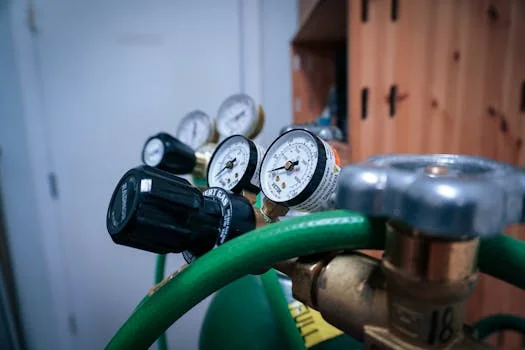
Daily inspection of seal water systems prevents 90% of premature mechanical seal failures in high-pressure centrifugal pumps. For maintenance supervisors, the daily walkdown is the first line of defense against systemic failure. Operators should verify that seal water pressure remains at least 15-20 PSI above the pump discharge pressure to ensure a clean barrier that prevents abrasive sludge from entering the seal faces. Additionally, checking PLC alarm logs and cross-referencing sensor readings—such as pH, dissolved oxygen (DO), and level switches—during these walkdowns allows for the early detection of sensor drift before it triggers a process upset.
Weekly tasks focus on the physical removal of debris and the verification of chemical delivery systems. In high-load environments, cleaning filters, screens, and micro-strainers is mandatory to maintain flow efficiency. Following a step screen wastewater maintenance guide 12-step protocol ensures that fine solids do not bypass the primary treatment stage and damage downstream membranes or aeration diffusers. Weekly inspections should also include the chemical dosing lines; coagulants and flocculants are prone to scaling and "crystallization" within the tubing, which can lead to inconsistent dosing and poor effluent quality.
For facilities managing subsurface infrastructure, integrating a step-by-step underground sewage treatment system maintenance guide into the weekly schedule is vital for identifying odors or surface saturation that indicate a failing lift station or blocked inlet. Monitoring the amperage draw of pumps weekly can also serve as a "canary in the coal mine," as a steady increase in amps often signals a partial clog or an impeller that is beginning to wear. These small, recurring actions prevent the accumulation of minor issues that eventually culminate in an emergency repair call.
Monthly and Quarterly Preventive Maintenance Protocols
Monthly vibration analysis on rotating equipment can identify bearing degradation and shaft misalignment up to six months before a catastrophic failure occurs. This proactive approach is a standard best practice in industrial O&M, particularly for large motors, screw pumps, and blowers. By utilizing a handheld vibration meter, maintenance teams can establish a baseline and track the health of critical assets. If vibration levels exceed manufacturer thresholds, it typically indicates that the bearings require replacement or the shaft needs re-alignment, preventing a snapped shaft or motor burnout that could cost upwards of $10,000 in parts alone.
Quarterly maintenance is the optimal time for more invasive mechanical servicing. This includes the lubrication of gearboxes, drive chains, and bearings. However, engineers must exercise caution; over-lubrication is as damaging as under-lubrication, as excess grease can attract sludge and grit, creating an abrasive paste that accelerates wear. Quarterly intervals are also the industry standard for calibrating high-precision sensors. Dissolved oxygen (DO) probes in a submerged MBR system with automated aeration and filtration must be calibrated every 90 days to ensure the blowers are not over-oxygenating the biomass, which wastes energy and can disrupt floc formation.
Quarterly inspections should target aeration diffusers and membrane modules. In activated sludge or MBR systems, biofouling can significantly reduce oxygen transfer efficiency. Implementing a step-by-step MBR membrane maintenance protocol every quarter—including a clean-in-place (CIP) cycle if trans-membrane pressure (TMP) rises—is essential for maintaining 99% uptime. For dewatering equipment, a screw press dewatering maintenance guide recommends quarterly checks of the spray bar nozzles and the condition of the screw flighting to ensure optimal cake dryness and solids capture.
Annual and Long-Term Maintenance for Asset Longevity
Annual structural integrity audits of steel and concrete tanks are required to identify micro-cracking and corrosion that can lead to catastrophic containment loss. While daily and monthly tasks focus on moving parts, annual maintenance addresses the "static" assets of the plant. This includes a full visual inspection of all piping supports, valve actuators, and electrical panels. For disinfection systems, following an industrial ClO₂ generator maintenance checklist annually ensures that the reaction chamber is free of precipitates and that the fail-safe venting systems are operational, which is a critical safety requirement under OSHA and EU IED standards.
Long-term maintenance planning must also account for the replacement of "wear items" that have a multi-year lifespan. Mechanical seals, for example, should be replaced every 12 to 24 months regardless of apparent condition to prevent unexpected pump failure. Similarly, gearbox oil should be changed annually to remove metallic micro-shavings that accumulate during continuous operation. For sludge management, adhering to a belt filter press maintenance protocol involves an annual check of the roller bearings and belt tracking sensors to prevent expensive belt mistracking events that can ruin a $3,000 belt in minutes.
| Component/System | Replacement/Service Interval | Action Required | Impact of Neglect |
|---|---|---|---|
| Mechanical Seals | 12–24 Months | Full replacement | Pump flooding, motor damage |
| Gearbox Oil | 12 Months | Drain and refill (synthetic) | Gear teeth pitting, seizure |
| Aeration Diffusers | 3–5 Years | Full replacement or acid wash | 50% increase in energy costs |
| PLC Backup Battery | 24 Months | Battery swap | Loss of logic during power fail |
| Tank Coatings | 5–10 Years | Sandblast and re-coat | Structural corrosion/leaks |
Equipment-Specific Maintenance Intervals (with Data Table)
Industrial-scale wastewater systems require a tiered maintenance matrix that aligns mechanical servicing with specific process risks and regulatory compliance deadlines. A missed maintenance window on a disinfection system, for instance, doesn't just risk equipment failure; it can violate the EPA National Pollutant Discharge Elimination System (NPDES) or the EU Drinking Water Directive 98/83/EC, leading to heavy fines. The table below provides a cross-system reference for planning these intervals based on manufacturer-backed data and real-world failure risk analysis.
| Equipment Type | Daily Task | Monthly Task | Annual Task | Failure Risk |
|---|---|---|---|---|
| DAF Systems | Skimmer alignment | Vibration analysis | Saturation tank NDT | High (FOG buildup) |
| MBR Systems | Permeate flow check | Sensor calibration | Membrane integrity test | High (Irreversible fouling) |
| Chemical Dosing | Pump stroke check | Tubing inspection | Diaphragm replacement | Medium (Compliance drift) |
| Filter Presses | Cake discharge check | Hydraulic oil check | Plate/Frame alignment | Medium (Mechanical wear) |
| ClO₂ Generators | Precursor levels | Leak detection test | Eductor cleaning | High (Safety/Compliance) |
This matrix should be used as a baseline for creating a facility-specific Computerized Maintenance Management System (CMMS). By linking these intervals to compliance requirements, plant managers can justify the necessary labor and parts budget to corporate stakeholders, demonstrating that preventive maintenance is not a cost center, but a risk mitigation strategy (HydropureWater field data, 2025).
Frequently Asked Questions
How often should preventive maintenance be performed on wastewater equipment?
Preventive maintenance should be performed daily (seal checks), weekly (screen cleaning), monthly (vibration analysis), and annually (full structural inspection). The exact frequency depends on the equipment's mechanical complexity and the solids load of the wastewater.
Do industrial septic tanks need maintenance?
Yes. Industrial pretreatment tanks require monthly visual inspections and professional pumping every 6–12 months, depending on sludge accumulation rates and FOG (fats, oils, grease) levels, to prevent solids carryover into secondary treatment stages.
What is the 10 rule in maintenance?
The "10 Rule" (or 1:10 rule) states