
Belt Filter Press Maintenance Basics for Stable Cake Solids
Belt filter press maintenance is a fixed daily-to-annual routine: visual checks, belt washing, tension control, bearing lubrication, and hydraulic service. Clean gravity-zone belts typically remove 60-70% of free water before the wedge zone. A full rebuild costs about 30% less than a new machine, and documented overhauls often push service life past 25 years.
The press exists to cut sludge volume before hauling. When belts blind or tension drifts, cake solids fall and disposal tons rise. Even a 1% drop in final cake solids concentration can add thousands of dollars in disposal fees each year at a busy plant. Keeping the gravity zone, wedge zone, and high-pressure shear zone in balance protects solids recovery and limits filtrate solids carryover.
Neglect shows up as bearing seizures, drive-motor trips, and early frame corrosion. Consistent sludge treatment equipment maintenance stops those failures before they force a full replacement. Most plants we size for run wash pressure and belt speed at the lower end of the manufacturer band when sludge is sticky, then raise only after drainage recovers.
How Does Belt Press Dewatering Work?
Belt press dewatering moves conditioned sludge through three zones that remove free and bound water under rising pressure. In the gravity zone, flocculated sludge rests on an open-mesh belt so free water drains by gravity. The wedge zone gently squeezes the mat between converging belts. The high-pressure shear zone then uses roller nips to force remaining water through the mesh.
Drainage fails first when polymer flocs are weak or the gravity belt is blinded. Operators should see clear filtrate and a mat that holds shape before the wedge. If the mat still looks soupy at the wedge entrance, check dosing and belt cleanliness before raising nip pressure. Raising pressure on a wet, unconditioned feed only packs fines into the mesh and accelerates blinding.
Essential Components and Their Care Needs
The filter belt is the primary wear part and needs daily tension checks plus high-pressure washing to prevent blinding. Modern presses use two or three woven polyester or polypropylene belts that must stay under uniform pneumatic or hydraulic tension across the full width. Uneven tension tears edges and drives tracking faults within a single shift.
Drive, idler, and compression rollers carry the mechanical load, so their bearings need scheduled grease and temperature checks. Rubber-coated drive rollers lose grip when the coating glazes or wears thin, which shows up as belt slip under load. Wash-water spray bars, nozzles, and booster pumps clean the mesh; clogged nozzles leave solid streaks that blind the belt within hours. Many plants pair the press with a precision polymer dosing systems unit so floc strength stays stable before sludge hits the gravity zone.
| Component | Primary Function | Key Maintenance Requirement |
|---|---|---|
| Filter Belts | Support sludge and facilitate drainage | Daily high-pressure washing and tension checks |
| Main Bearings | Support roller rotation under high pressure | Weekly lubrication and temperature monitoring |
| Wash Water Nozzles | Remove residual solids from belt mesh | Weekly cleaning and spray pattern verification |
| Scraper Blades | Remove dewatered cake from the belt | Monthly edge sharpening or replacement |
| Pneumatic/Hydraulic Cylinders | Maintain belt tension and alignment | Check for seal leaks and fluid quality monthly |
Daily Checklist for Belt Presses

Daily visual inspections and sensor verification prevent up to 80% of catastrophic mechanical failures in wastewater treatment facilities. Start each shift with a walk-around for hydraulic oil leaks, vibration, or grinding that signals bearing fatigue. Sludge left on frames and conduits drives rapid corrosion in this wet environment, so a full frame wipe-down is a core daily task.
Gravity-zone performance is the fastest health check. About 60-70% of the water should leave in that stage; a soupy mat entering the wedge means polymer or belt cleaning needs attention now. Confirm a continuous spray pattern across the belt width, because solid streaks after the wash box mean clogged nozzles. Test every emergency-stop pull cord and button before production starts.
| Checklist Item | Action Required | Expected Observation |
|---|---|---|
| Visual Leak Check | Inspect all hoses, fittings, and seals | No visible oil or water dripping |
| Belt Tracking | Observe belt position on rollers | Belt stays centered within 1 inch of limit |
| Cake Discharge | Check scraper blade contact | Clean separation of cake from belt |
| Flocculation Quality | Observe sludge in the gravity zone | Large, clear flocs with rapid drainage |
| Wash Water Pressure | Check gauge at the spray header | Pressure within manufacturer specs (typically 60-100 psi) |
Weekly and Monthly Preventative Protocols
Bearing lubrication and roller alignment checks are the primary defense against motor overload and belt mistracking. Grease each bearing block with the manufacturer-specified lubricant; over-greasing blows seals and pulls abrasive grit into the race. Clean and calibrate ultrasonic, mechanical, or infrared belt-alignment sensors every week. A sludge-blocked sensor lets the belt run off the rollers and ruin the edges in minutes.
Monthly work goes deeper into auxiliaries. Check hydraulic oil for a milky look that signals water, or a burnt smell that signals overheating. Following wastewater treatment equipment maintenance protocols, remove spray bars and soak them in a descaling solution or mild phosphoric acid to clear mineral scale that spray alone cannot remove. Open the control panel, retorque vibration-loosened terminals, and clean cooling fans or filters so the PLC does not overheat.
| Frequency | Task | Details |
|---|---|---|
| Weekly | Lubricate Bearings | Apply 2-3 pumps of high-quality lithium grease |
| Weekly | Nozzle Deep Clean | Remove and brush each nozzle manually |
| Monthly | Hydraulic Oil Analysis | Check for particulate and water content |
| Monthly | Scraper Blade Rotation | Flip or sharpen blades to maintain edge |
| Monthly | Frame Washdown | Thoroughly clean sludge from under-carriage and trays |
What Drives Belt Filter Press Capital Cost?
Belt filter press capital cost scales with belt width, number of pressure rollers, materials of construction, and the duty required for a given solids load. For a 0.5 MGD (about 1,890 m3/d) plant feeding roughly 2% solids, engineers size on dry-solids throughput (kg/h), not nameplate flow alone. Higher grit, longer operating hours, and stainless frames raise price faster than a modest width increase.
Ownership cost is usually dominated by polymer, wash water, belt life, labor, and cake hauling—not the purchase invoice. A 1% gain in cake solids often pays for better wash nozzles and dosing control within a year. When batch duty or footprint favors plates, compare the line against a Plate and Frame Filter Press for Sludge Dewatering during the annual review rather than waiting for a forced replacement.
Budget owners often ask how much a 2 ton filter press costs; answer with capacity and duty first. Two wet tons per hour of cake is not the same duty as two dry tons of feed solids. Specify feed solids %, target cake %, operating hours per day, and belt or plate area before requesting quotes, or price bands will not be comparable.
Annual and Biennial Overhaul Guide
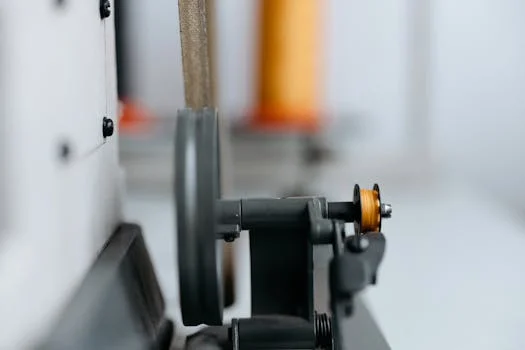
A comprehensive equipment rebuild typically costs 30% less than a new unit while restoring original performance specifications. During the annual shutdown, measure roller run-out and parallelism; small misalignment creates chronic tracking that burns operator hours. Flush the full hydraulic system, replace filters, and change the entire oil volume so tension response stays crisp.
Biennial overhauls should replace high-wear items on schedule, not only after failure. Swap main drive bearings and scraper assemblies even when they still look serviceable. On abrasive, sandy sludge, inspect roller walls for thinning or pitting. Plants weighing a line upgrade should also benchmark current cake solids against modern industrial sludge dewatering solutions before writing the capital request. Documented annual work is what lets a press clear a 25-year service life.
| Interval | Overhaul Task | Objective |
|---|---|---|
| Annual | Full Hydraulic Flush | Remove contaminants and prevent valve sticking |
| Annual | Structural Integrity Check | Inspect welds and frame for corrosion/stress cracks |
| Biennial | Drive Motor Service | Check windings, replace brushes, and test torque |
| Biennial | Belt Replacement | Replace belts to ensure maximum drainage porosity |
| Biennial | Roller Re-coating | Restore grip on drive rollers to prevent slippage |
Troubleshooting Common Belt Press Issues
Poor dewatering performance is most frequently caused by improper polymer conditioning or belt blinding rather than mechanical failure. For a wet cake, run a jar test first to confirm polymer still matches the feed. Industrial sludge can shift by season or by hour, so dosing must follow the feed, not last month's setpoint. If flocs look strong but cake stays wet, deep-clean blinded belts with sodium hypochlorite plus detergent, then high-pressure rinse.
Belt tracking drift usually traces to uneven sludge loading or roller misalignment. Heavy feed on one side of the gravity zone raises local tension and pulls the belt off center. Set chicanes or plows so the mat spreads evenly across the width. Persistent drift after even loading points to alignment sensors or the pneumatic/hydraulic tracking valve. High amps or motor trips often mean a seized bearing or excess tension; drop tension to the minimum that still dewaters to cut load.
- Symptom: Solids leaking from the sides of the belt. Cause: Overloaded gravity zone or worn side-seal skirts. Solution: Reduce feed rate or replace rubber seals.
- Symptom: Rapid belt wear on edges. Cause: Constant contact with limit switches or misaligned rollers. Solution: Recalibrate tracking system and check roller parallelism.
- Symptom: Excessive noise/screeching. Cause: Lack of lubrication in main bearings or scraper blade chatter. Solution: Grease bearings or adjust scraper blade angle.
- Symptom: Polymer "carryover" in filtrate. Cause: Over-dosing or poor mixing. Solution: Adjust polymer feed and check injection ring for clogs.
How Does Plate and Frame Filter Press Troubleshooting Differ?
Plate and frame filter press troubleshooting centers on chamber sealing, cloth blinding, and fill/pressure cycle timing rather than continuous belt tracking. Look for drip leaks at cloth overlaps, slow fill from feed-pump wear, and cake that sticks when air-blow or core-blow steps are skipped. Cloth washing frequency and correct plate shifting still decide uptime, but there is no gravity-belt wash box to clear mid-shift.
Safety Practices for Operators
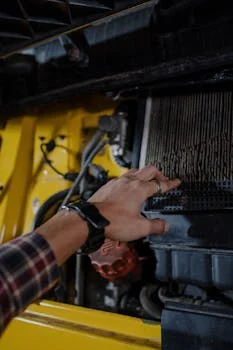
Lockout/Tagout (LOTO) procedures are mandatory for all work on these presses to prevent accidental engagement of high-torque rollers. Electrical motor power, hydraulic or pneumatic tension energy, and wash-water pressure must each be isolated. Never clear a jam or wipe a roller in Auto or Remote mode. Tensioned belts still store energy when the drive is stopped, so a released component can move without warning.
PPE is the last barrier against biological and chemical exposure. Use chemical-resistant gloves, eye protection against spray rebound, and hearing protection where pumps and motors exceed safe noise levels. Polymer spills are extremely slippery; keep spill kits or drying agents at the skid. Reinstall every guard and nip-point cover before returning the press to service.
Who This Is For and Next Step
This guide is for plant engineers, operators, and EPC teams running continuous belt presses on municipal or industrial sludge. Facilities that need very high cake solids in short batch cycles, or that lack wash-water capacity, should evaluate plate-and-frame duty instead. Use this selection checklist before changing parts or capital plans:
- Confirm gravity-zone water removal stays near 60-70% on a clean belt.
- Record wash-header pressure against the 60-100 psi manufacturer band.
- Log bearing grease (2-3 pumps) and oil condition each week or month.
- Track cake solids % and polymer dose after every process change.
- Measure roller parallelism and belt edge wear at each annual shutdown.
- Compare rebuild cost (about 30% below new) against remaining frame life.
- Size any replacement on kg/h dry solids, feed %, and operating hours.
If you need help matching belt width, polymer dose, or a plate-and-frame alternative to your sludge data, request a dewatering equipment review with feed solids, target cake, and daily runtime.
Frequently Asked Questions
What are the most common causes of belt filter press downtime?
Belt mistracking, clogged wash nozzles, and bearing failures cause most unplanned stops. These faults usually start as skipped daily washing or missed lubrication, not sudden mechanical collapse. Clean sensors, verify spray patterns each shift, and grease to the maker's pump count. Catching edge wear early prevents a full belt tear that can idle the dewatering line for days.
How often should belt filter press belts be replaced?
Belts typically last 2,000 to 4,000 operating hours under normal municipal sludge. Abrasive grit, poor washing, and chronic mistracking cut that range sharply. Replace sooner if porosity is lost after chemical cleaning or if edges fray from limit-switch contact. Logging hours with cake-solids trend data is more reliable than calendar months alone.
What is the best way to clean a belt filter press belt?
Daily high-pressure washing across the full belt width is the baseline method. For heavy blinding, soak with water, detergent, and a mild oxidant such as sodium hypochlorite, then rinse at high pressure. Streaks after the wash box mean nozzles need brushing before the next shift. Never raise nip pressure to compensate for a blinded mesh.
Can preventative maintenance reduce polymer consumption?
Yes. Clean belts and an open gravity zone drain free water faster, so less polymer is needed for the same cake target. Blinded mesh forces operators to overdose to fake drainage that mechanical cleaning should provide. Pair wash discipline with stable dosing control to hold dose while cake solids stay on specification.
What are the signs that a belt filter press needs a rebuild?
Chronic tracking that adjustment cannot fix, noise from multiple bearing sets, thinned roller walls, and frame corrosion all signal rebuild time. When those appear together, a full rebuild at about 30% below new-unit cost often restores capacity faster than piecemeal part swaps. Document findings during the annual shutdown so procurement can plan parts before a forced outage.