Industrial wastewater treatment in Brasília involves adhering to Brazil's stringent environmental regulations, particularly CONAMA resolutions, and implementing advanced physical, chemical, and biological processes. Effective solutions often combine technologies like Dissolved Air Flotation (DAF) for suspended solids removal and MBR systems for high-quality effluent, crucial for meeting discharge limits or enabling water reuse in the Federal District.
Understanding Industrial Wastewater Challenges in Brasília
Industrial activity in the Federal District generates complex effluents that directly impact the Paranoá Lake basin, a critical hydrological resource that serves as both a recreational hub and a secondary water supply for Brasília. The industrial sector in Brasília is diverse, ranging from large-scale food and beverage processing and pharmaceutical manufacturing to construction material production and specialized service industries. Each sector produces wastewater with distinct chemical profiles; for instance, the food processing sector typically generates high Biochemical Oxygen Demand (BOD) and Chemical Oxygen Demand (COD) loads, while manufacturing facilities often discharge effluents containing heavy metals, synthetic polymers, and high concentrations of Total Suspended Solids (TSS).
The environmental sensitivity of the Federal District is heightened by the Cerrado biome's unique hydrological cycle. During the prolonged dry season, the dilution capacity of local receiving water bodies significantly decreases, making the discharge of even partially treated wastewater a major risk to aquatic ecosystems. Untreated discharge can lead to eutrophication in the Paranoá Lake, characterized by harmful algal blooms that deplete oxygen and threaten local biodiversity. Consequently, there is an intensifying demand for industrial wastewater treatment solutions in developing regions that can adapt to seasonal water availability.
Water scarcity is no longer a theoretical threat in Brasília but a recurring operational challenge. Industrial facilities are increasingly pressured by the Regulatory Agency for Water, Energy and Sanitation of the Federal District (ADASA) to implement water reuse initiatives. Moving beyond simple disposal toward a circular water economy requires advanced treatment stages that can produce "Class A" reclaimed water suitable for cooling towers, industrial cleaning, and irrigation, thereby reducing the facility's reliance on the municipal grid and mitigating the impact of potential water rationing.
Navigating Brazil's Industrial Wastewater Regulations and Compliance in Brasília
CONAMA Resolution 430/2011 dictates that industrial effluents must not exceed a BOD limit of 60 mg/L or must achieve a minimum removal efficiency of 80% before discharge into Brazilian water bodies. This federal mandate serves as the baseline for all industrial operations in Brasília, but it is often supplemented by more stringent local requirements enforced by the Brasília Environmental Institute (IBRAM). Compliance is not merely a matter of meeting discharge limits; it involves a rigorous process of environmental licensing (Licenciamento Ambiental), which requires detailed characterization of the effluent and a proven engineering plan for its treatment.
In Brasília, the classification of the receiving water body—as defined by CONAMA Resolution 357/2005—determines the level of treatment required. For industries discharging into Class 2 water bodies, which are common in the Federal District, the standards for parameters such as ammoniacal nitrogen, phosphorus, and specific heavy metals are particularly tight to prevent nutrient loading. Continuous monitoring and the submission of Self-Monitoring Reports (Relatórios de Automonitoramento) are mandatory for maintaining a valid operating license. Failure to comply can result in heavy fines, mandatory production halts, and legal action under the Environmental Crimes Law.
The following table outlines the key discharge parameters and typical limits applicable to industrial facilities in the Federal District based on CONAMA 430/2011 and regional benchmarks:
| Parameter | Standard Limit (CONAMA 430) | Typical Industrial Target (Brasília) | Monitoring Frequency |
|---|---|---|---|
| pH | 5.0 to 9.0 | 6.5 to 8.5 | Continuous/Daily |
| Temperature | < 40°C | < 35°C | Daily |
| BOD (5 days, 20°C) | Max 60 mg/L (or 80% removal) | < 30 mg/L | Weekly |
| COD | Not federally fixed (State dependent) | < 150 mg/L | Weekly |
| Total Suspended Solids (TSS) | Not fixed (Site specific) | < 100 mg/L | Weekly |
| Oils and Grease (Mineral) | Max 20 mg/L | < 10 mg/L | Bi-weekly |
| Oils and Grease (Vegetable/Animal) | Max 50 mg/L | < 30 mg/L | Bi-weekly |
Key Technologies for Industrial Wastewater Treatment in Brasília
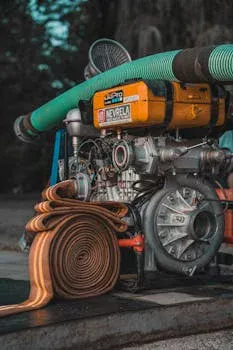
Implementing high-efficiency Dissolved Air Flotation (DAF) systems can remove up to 99% of total suspended solids (TSS) and oils and grease (FOG) from industrial process water, making it a cornerstone of physical-chemical treatment. DAF technology is particularly effective for Brasília’s food and beverage industries, where traditional sedimentation might fail due to the low density of organic particles. By introducing microbubbles (20-50 microns) into the wastewater, pollutants are floated to the surface for mechanical skimming, significantly reducing the downstream organic load on biological systems.
For organic matter reduction, advanced MBR Membrane Bioreactor systems offer a superior alternative to conventional activated sludge processes. MBR technology combines biological degradation with membrane filtration (typically ultrafiltration with pore sizes < 0.1 μm), resulting in an effluent of such high quality that it is often suitable for immediate reuse. In the space-constrained industrial zones of the Federal District, MBR systems are highly valued because they operate at higher Mixed Liquor Suspended Solids (MLSS) concentrations, allowing for a footprint that is 60% smaller than traditional clarifier-based systems. When selecting an MBR wastewater treatment system, engineers must consider the peak flow rates and the specific flux of the membranes to ensure long-term stability.
Sludge management remains a critical operational cost for Brasília's industries. The use of efficient plate and frame filter presses for sludge dewatering allows facilities to convert liquid sludge into a dry "cake" with a solid content of 30-40%. This significantly reduces the volume of waste that must be transported to licensed landfills or composting facilities, lowering logistics costs and environmental liability. precise automatic chemical dosing systems are essential for optimizing the coagulation and flocculation stages, ensuring that polymer consumption is minimized while maximizing solid-liquid separation efficiency (HydropureWater field data, 2025).
For facilities requiring ultra-pure water or aiming for zero liquid discharge (ZLD), tertiary treatments such as Reverse Osmosis (RO) and disinfection are required. To ensure microbial safety in reused water, reliable Chlorine Dioxide (ClO₂) Generators for disinfection provide a powerful oxidizing agent that remains effective over a wide pH range and does not produce harmful chlorination by-products, which is vital for maintaining the integrity of Brasília’s groundwater systems.
| Technology | Target Pollutants | Removal Efficiency | Best Use Case |
|---|---|---|---|
| DAF (Dissolved Air Flotation) | TSS, FOG, Insoluble COD | 90-99% | Pre-treatment for Food & Beverage |
| MBR (Membrane Bioreactor) | BOD, COD, Bacteria, TSS | 95-99.9% | High-quality reuse; Small footprints |
| UASB (Anaerobic) | High-load soluble COD | 70-85% | High-strength organic waste |
| Filter Press | Sludge volume reduction | Up to 40% DS | Waste disposal cost optimization |
| Reverse Osmosis | Dissolved salts, Heavy metals | 98-99.5% | Boiler feed or Process water reuse |
Designing and Implementing an Industrial Wastewater Treatment Plant in Brasília
Modular compact underground package sewage treatment plants reduce installation footprints by up to 60% compared to traditional on-site civil works construction, providing a rapid deployment solution for Brasília's growing industrial sectors. The design process must begin with a comprehensive wastewater characterization study, spanning at least 7 to 14 days to capture the variability in production cycles. This data informs the mass balance and the selection of the biological process, whether aerobic or anaerobic, to ensure the system can handle shock loads without compromising effluent quality.
The engineering phase in the Federal District must account for specific local factors such as the high altitude (approx. 1,100m), which affects oxygen transfer efficiency in aeration tanks. Designers should specify high-efficiency fine-bubble diffusers and variable frequency drives (VFDs) on blowers to optimize energy consumption—a major component of operational expenditure. The integration of automation through PLC (Programmable Logic Controller) systems allows for remote monitoring and real-time adjustments, reducing the need for constant on-site specialized labor and ensuring that the plant operates within the parameters defined in the IBRAM environmental license.
Successful implementation follows a structured sequence:
- Regulatory Assessment: Confirming discharge limits with IBRAM and ADASA.
- Pilot Testing: For complex chemical effluents, running a small-scale pilot of Dissolved Air Flotation (DAF) systems for industrial use can validate the chemical dosing requirements.
- Civil and Mechanical Integration: Coordinating the installation of package systems with existing facility piping.
- Commissioning and Training: Ensuring the operational staff understands the biological "seeding" process and the maintenance schedule for membrane cleaning (CIP).
Cost Considerations and ROI for Wastewater Treatment in Brasília
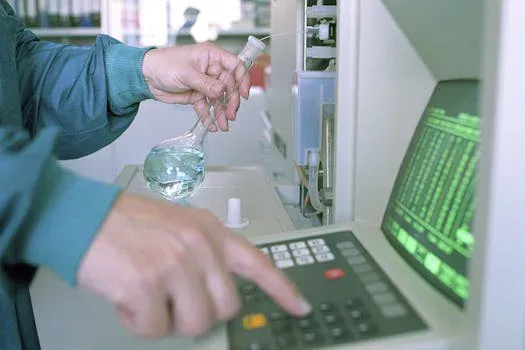
Industrial facilities in Brasília can achieve a return on investment within 24 to 36 months by implementing water reuse systems that reduce fresh water procurement costs by up to 50%. The initial Capital Expenditure (CAPEX) for a modern treatment plant includes the cost of equipment, such as MBR modules, DAF units, and automated dosing skids, as well as the civil works for balancing tanks and sludge storage. While advanced technologies like MBR have a higher initial cost compared to simple septic systems, the Operational Expenditure (OPEX) is often lower when considering the reduced chemical usage, lower sludge disposal fees, and the value of the reclaimed water produced.
Operational costs are primarily driven by energy consumption (aeration and pumping), chemical reagents (coagulants, flocculants, and pH adjusters), and membrane replacement cycles. However, the financial risk of non-compliance far outweighs these costs. In the Federal District, fines for environmental infractions can range from thousands to millions of Reais, depending on the severity of the impact on the Paranoá basin. Additionally,