Understanding DAF Systems for Romania's Industrial Landscape
A DAF (Dissolved Air Flotation) system in Romania is a highly effective wastewater treatment technology used by various industries to clarify effluents by removing suspended solids, oils, fats, and other contaminants with over 90% efficiency. These systems are crucial for compliance with national and EU environmental regulations, often requiring integration with chemical dosing and sludge dewatering for optimal performance and cost-effectiveness. In the Romanian industrial sector, where manufacturing and processing facilities must adhere to strict discharge limits, DAF technology serves as a primary clarification stage to prevent heavy fines and ensure environmental sustainability.
Romania's regulatory framework for industrial wastewater is primarily governed by Government Decision no. 188/2002, which implements the EU Urban Waste Water Directive 91/271/EEC. Specifically, industrial operators must comply with NTPA-001 (discharge into natural water bodies) and NTPA-002 (discharge into public sewerage systems). These standards set stringent limits on Total Suspended Solids (TSS), Chemical Oxygen Demand (COD), and Fats, Oils, and Grease (FOG). For example, NTPA-002 limits for FOG are typically set at 30 mg/dm³, a threshold that is difficult to meet without advanced flotation technology. DAF systems are particularly relevant for Romania's expanding food and beverage, petrochemical, textile, and metalworking sectors, where effluent often contains high concentrations of emulsified oils and organic matter.
DAF systems provide a robust solution for resource recovery. In the Romanian agricultural and meat processing industries, the ability to remove and concentrate organic solids allows for more efficient sludge management and, in some cases, the recovery of valuable fats for industrial use. By achieving over 90% removal efficiency for TSS and FOG (per Sigmadaf data), DAF units significantly reduce the load on downstream biological treatment processes, thereby lowering overall energy consumption and chemical demand for the entire treatment plant.
How Dissolved Air Flotation (DAF) Systems Work
The fundamental principle of a DAF system involves the reduction of the specific gravity of suspended particles by attaching them to microscopic air bubbles, causing them to float to the surface rather than sink. This process begins with the pretreatment of wastewater, where an automatic chemical dosing for DAF introduces coagulants and flocculants. These chemicals neutralize particle charges and encourage the formation of larger "flocs," which are more easily captured by air bubbles. The efficiency of the flotation process is heavily dependent on the precision of this chemical conditioning phase.
The core of the DAF mechanism is the air saturation system. A portion of the clarified effluent is recycled and pumped under high pressure (typically 4-6 bar) into a saturation vessel, where air is dissolved into the water. According to Henry’s Law, the solubility of air in water increases with pressure. When this air-saturated water is reintroduced into the main flotation tank at atmospheric pressure, the sudden depressurization creates a "whitewater" effect, releasing millions of micro-bubbles ranging from 10 to 100 microns in diameter. These bubbles provide a massive surface area for attachment to the flocculated contaminants.
As the bubble-particle aggregates rise to the surface, they form a stable sludge blanket. A mechanical skimming mechanism, often a chain-and-flight scraper, continuously removes this concentrated sludge into a collection hopper. Meanwhile, the clarified water is drawn from the bottom of the tank through an underflow weir. This process generates a highly concentrated sludge byproduct, often containing 3% to 6% solids, which is significantly drier than the sludge produced by conventional sedimentation tanks. This high solids concentration simplifies subsequent regional DAF implementation insights regarding waste handling and disposal.
Key Applications of DAF Systems in Romanian Industries
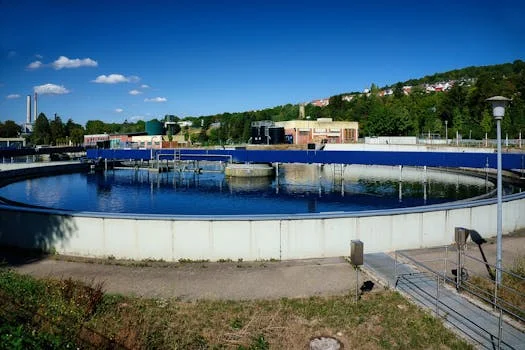
Industrial wastewater treatment in Romania requires specialized solutions for sectors that contribute significantly to the national GDP, such as food processing and heavy manufacturing. In the food and beverage industry—particularly in dairy, meat processing, and breweries—the primary challenge is high FOG and protein content. A HydropureWater DAF system is often the preferred choice here because it can handle fluctuating organic loads and high concentrations of emulsified fats that would otherwise clog biological filters or overwhelm activated sludge systems.
The pulp and paper industry in Romania also utilizes DAF for fiber recovery and white water clarification. By removing fine fibers and fillers from the process water, mills can reuse the clarified water in the production line, significantly reducing freshwater intake and decreasing the BOD (Biological Oxygen Demand) of the final discharge. Similarly, the textile industry, centered in regions like Arad and Prahova, employs DAF to remove dyes and suspended solids from dyeing and finishing processes. When combined with specific chemical precipitation, DAF can effectively reduce color intensity, a key requirement for NTPA-001 compliance.
In the petrochemical and metalworking sectors, DAF systems are essential for oil-water separation and the removal of heavy metal precipitates. Romanian refineries and automotive parts manufacturers use DAF to treat oily wastewater, ensuring that hydrocarbon levels remain within the strict 5 mg/dm³ limit for discharge into natural water bodies. DAF technology is increasingly applied in municipal wastewater pre-treatment to reduce the solids load on aging infrastructure, and in the pre-treatment of surface water for industrial process use or desalination, protecting sensitive equipment like reverse osmosis membranes from fouling.
DAF System Cost Factors & ROI in Romania
The capital expenditure (CAPEX) for a DAF system in Romania is influenced by the required flow rate (measured in m³/h), the materials of construction (e.g., AISI 304 or 316L stainless steel for corrosive environments), and the level of automation required. A fully automated system with PLC integration and remote monitoring will have a higher initial cost but offers lower operational risks. Additionally, the complexity of the pre-treatment stage—such as the need for specialized sludge dewatering filter presses to handle the generated float—must be factored into the total investment.
Operational expenditure (OPEX) is dominated by energy consumption and chemical costs. In the Romanian market, where industrial electricity prices have seen volatility, the efficiency of the saturation pump and air compressor is a critical factor in long-term viability. Chemical consumption (coagulants like PAC and flocculants like PAM) typically accounts for 30-50% of the annual OPEX. However, these costs are often offset by the reduction in "polluter pays" fees. Under Romanian law, exceeding discharge limits for COD or TSS results in heavy penalties that can exceed the monthly operating cost of a DAF system within a few days of non-compliance.
| Cost Component | Small Scale (5-10 m³/h) | Medium Scale (20-50 m³/h) | Large Scale (>100 m³/h) |
|---|---|---|---|
| Estimated CAPEX Range | €15,000 - €35,000 | €45,000 - €95,000 | €120,000 - €250,000+ |
| Primary OPEX Drivers | Chemicals, Labor | Energy, Chemicals | Energy, Sludge Disposal |
| Typical ROI Period | 18 - 36 Months | 12 - 24 Months | 10 - 18 Months |
| Maintenance Frequency | Monthly Checks | Bi-weekly Checks | Weekly/Continuous |
Return on Investment (ROI) is calculated not just through fine avoidance, but also through water reuse and sludge volume reduction. By concentrating sludge to 4-6% solids, a DAF system reduces the volume of waste that must be transported and treated, which is a significant cost in Romania where landfill and incineration fees are rising. For industries like dairy processing, the recovery of fats can sometimes provide a secondary revenue stream or be used as a high-caloric feedstock for anaerobic digesters, further improving the financial profile of the investment.
DAF vs. SAF: Choosing the Right Flotation Technology
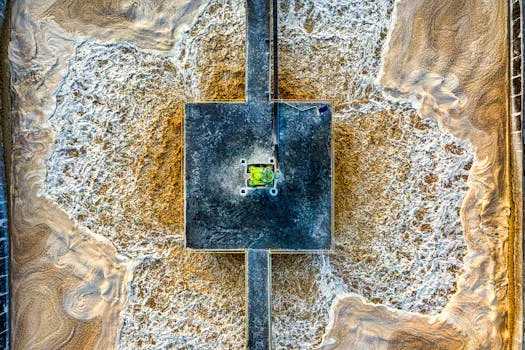
When evaluating flotation technologies, Romanian engineers often compare Dissolved Air Flotation (DAF) with Static Air Flotation (SAF), also known as Induced Air Flotation (IAF). The primary difference lies in how the air is introduced. DAF uses dissolved air that precipitates into micro-bubbles (10-100 microns), whereas SAF uses mechanical aeration or venturi injectors to create larger bubbles (typically 500-1000 microns). This technical distinction significantly impacts the removal efficiency of different types of contaminants.
DAF is generally superior for removing fine suspended solids and emulsified oils because the smaller bubbles have a higher surface-area-to-volume ratio, allowing them to attach to small flocs more effectively. SAF is often chosen for simpler applications where the primary goal is the removal of large, free-floating oils or coarse solids. While SAF systems typically have a lower CAPEX due to the absence of high-pressure saturation tanks and pumps, they may require higher chemical dosages to achieve the same effluent quality as a DAF system. When comparing DAF with other treatment technologies, the decision framework should focus on the particle size distribution of the influent and the required discharge limits.
| Feature | DAF (Dissolved Air Flotation) | SAF (Static/Induced Air Flotation) |
|---|---|---|
| Bubble Size | 10 – 100 microns (Micro-bubbles) | 500 – 1000+ microns (Macro-bubbles) |
| Removal Efficiency | Very High (>90% for TSS/FOG) | Moderate (60-80%) |
| Energy Consumption | Higher (due to pressure pumps) | Lower (mechanical aeration) |
| Chemical Demand | Optimized/Lower | Often Higher for fine particles |
| Best Use Case | Food/Dairy, Fine Solids, Emulsified Oil | Primary Oil/Water separation, Coarse solids |
Maintaining Your DAF System for Peak Performance and Longevity
Ensuring the longevity of a DAF system in an industrial environment requires a structured preventative maintenance protocol. Routine daily checks should focus on the air saturation tank pressure and the "whitewater" quality; if the water appears clear rather than milky, the saturation system may be failing. Operators must also monitor chemical dosing rates to ensure they match the current influent flow and characteristics. An industrial wastewater equipment maintenance guide suggests that even minor deviations in pH or polymer concentration can lead to a collapse of the sludge blanket, resulting in poor effluent quality.
On a weekly or monthly basis, the air saturation tank should be checked for sediment buildup, and the skimmer blades should be inspected for wear or misalignment. One of the most common questions from operators is "How often should a DAF be drained and cleaned?" While this depends on the solids loading, a full drain and internal inspection are typically recommended every 6 to 12 months. This allows for the cleaning of internal weirs and the inspection of the bottom of the tank for accumulated heavy solids that the skimmer cannot reach. Annual maintenance should include the calibration of flow meters and pressure sensors, as well as the servicing of high-pressure pumps and compressors to maintain the >90% removal efficiency expected of the system.
Frequently Asked Questions About DAF Systems in Romania
How much does a DAF system cost in Romania?
For a typical medium-sized industrial application (20-30 m³/h), a DAF system generally costs between €50,000 and €85,000 for the equipment alone. Total project costs, including installation and integration with sludge management, will vary based on