What SBR Installation and Commissioning Actually Cover
Sequencing batch reactor (SBR) installation and commissioning is the structured handover of a fill-and-draw activated-sludge batch reactor from construction to operation. Installation covers the mechanical, electrical, and I/O checkout that proves the skid or tank is built and wired to drawing. Commissioning covers the water test, biological seeding, cycle programming, and a 30-day performance demonstration that proves the system meets its discharge permit. The activity follows a defined hand-off sequence: factory acceptance test (FAT) at the supplier's shop, site acceptance test (SAT) after mechanical completion on site, then a 30-day performance test under design loading. The single acceptance metric the entire process must prove is ≥90% COD removal to ≤50 mg/L in the effluent for 30 consecutive days, with NH3-N ≤5 mg/L and TSS ≤30 mg/L as secondary limits. For engineers scoping the work, the closest parallel is the MBR installation and commissioning guide — same FAT/SAT logic, different downstream process.
Pre-Commissioning Checklist Before Any Water Goes In
A documented mechanical-completion review prevents a clean biological startup from becoming a 60-day troubleshooting exercise. Walk the following list before the first fill:
- Tank and structural integrity. Confirm concrete or steel tank dimensions, baffles, and the decanter weir level against isometric drawings. Hydrostatically test all interconnecting piping at 1.5× design pressure for 1–2 hours with zero visible leakage at welds, flanges, and penetrations.
- Instrument calibration. Calibrate DO probes against air-saturated water (100% saturation ≈ 8.1 mg/L at 25 °C) and nitrogen-purged water (0 mg/L); verify pH on pH 4, 7, and 10 buffers; bench-check the MLSS or TSS probe against a laboratory TSS reading; level-transmitter span the decanter over its full stroke; flowmeter calibration on influent and waste-sludge lines.
- Electrical and controls. Confirm the PLC program is loaded, the HMI graphics match the as-built I/O list, and the decanter actuator drives through full stroke without fault. Verify blower nameplate capacity against calculated aerobic demand (typical design oxygen requirement 1.2–1.5 kg O2/kg BOD removed for municipal loading).
- Safety review. Issue confined-space permits for any tank entry, install fall protection around open reactors, and lockout/tagout blowers, decanters, and sludge pumps before mechanical work continues.
Sign each line item against a date and a name. The signed sheet is the contractor's defense if a biological issue is later attributed to mechanical fault.
Water Fill, Leak Test, and Baseline Instrument Check
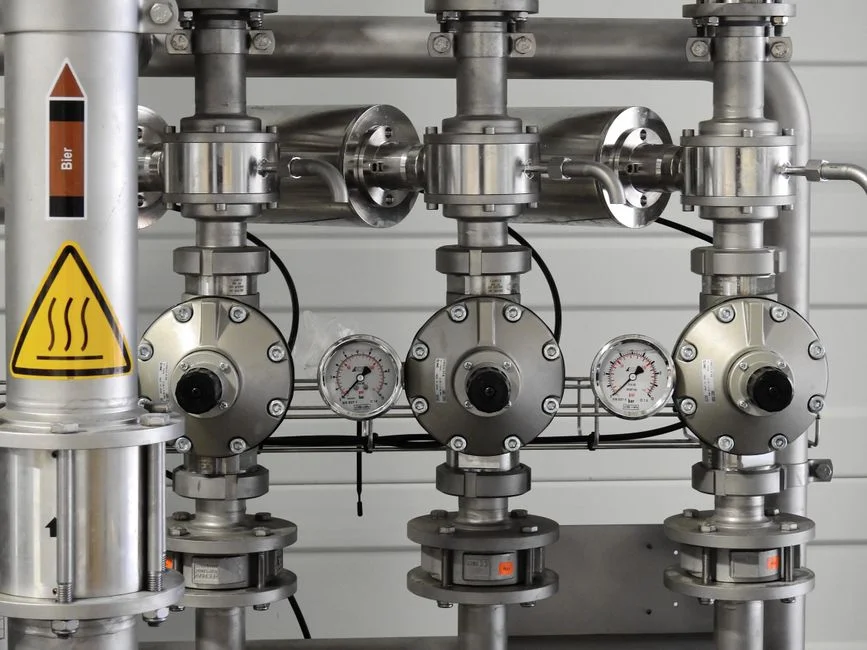
The first on-site milestone is a clean leak test, which must be passed before biological work begins. Fill the reactor with clean water, treated effluent, or dechlorinated final clarifier overflow to the working level. Hold the tank static for 24 hours and confirm no measurable drop in level and no visible seepage at welds or pipe penetrations. Loss greater than 0.5% of working volume over 24 h warrants investigation before continuing. Run the decanter through its full stroke and confirm the drawdown volume matches design — typically 20–30% of working volume per cycle, with the decanter stopping at the minimum water level sensor. With the tank full, verify that the DO probe tracks air saturation within ±5%, the pH probe reads within ±0.1 of a known buffer, and the level transmitter tracks a hand-pumped setpoint. Any instrument that fails this baseline will give false data once biomass is in the system, so reject and re-calibrate before seeding.
Seeding the SBR and Bringing MLSS to Operating Range
Under-seeded or un-acclimated biomass is the primary cause of SBR startup failure. Use the following numbers as the target:
- Preferred seed. 10–20% of reactor working volume as returned activated sludge from a nearby municipal WWTP at 4,000–6,000 mg/L MLVSS (per WEF MOP 8, Wastewater Treatment Plant Design, and standard municipal practice). Seed concentration above 6,000 mg/L MLVSS indicates a sludge age long enough to risk nitrification imbalance; dilute with tank water if necessary.
- No external seed available. Allow 4–6 weeks of low-load feeding at F/M 0.05–0.10 kg BOD/kg MLVSS·d to build biomass from scratch. Expect delayed nitrification in this mode.
- Operating window. Target MLSS 2,500–4,000 mg/L for municipal influent, 3,000–5,000 mg/L for industrial; SVI 80–150 mL/g signals healthy biomass, while SVI >200 mL/g signals bulking risk that needs a tactile review of the aeration pattern.
- Seeding operating mode. Run the reactor in mix-only or low-aeration react mode. Do not decant until settled-supernatant TSS is consistently below 200 mg/L across at least three consecutive settles — typically 5–10 days after seed addition.
During this phase, an automatic chemical dosing system on the nutrient feed line lets you hold the F:M ratio at the low end of the range while the population diversifies.
Programming the Five-Phase Cycle and Tuning DO
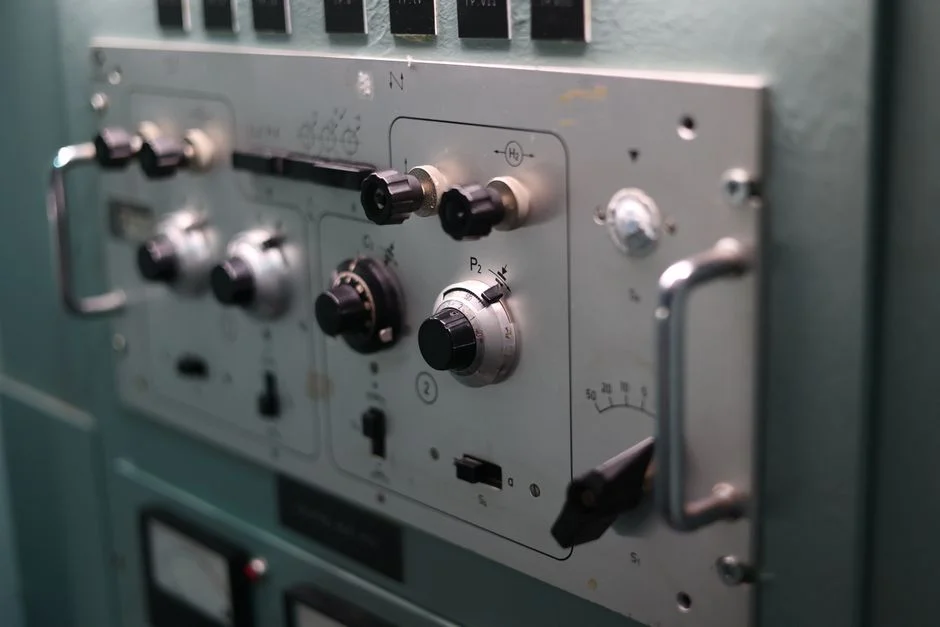
Initial cycle parameters should be loaded from a defensible table, then adjusted based on observed response. Start with the values below and tune within ±10% during the first 14 days:
| Parameter | Initial Setpoint | Acceptable Range | Verification |
|---|---|---|---|
| Total cycle time | 8 h (3 cycles/day) | 6–12 h (2–4 cycles/day) | PLC cycle counter |
| Fill phase | 1.0 h | 0.5–2.0 h | Level transmitter + influent flow |
| React — anaerobic | 1.0 h | 0.5–2.0 h | DO < 0.2 mg/L, ORP < −200 mV |
| React — anoxic | 1.0 h | 0.5–2.0 h | DO < 0.5 mg/L, ORP −100 to −50 mV |
| React — aerobic | 3.0 h | 2.0–4.0 h | DO 1.5–2.5 mg/L |
| Settle | 1.5 h | 1.0–2.0 h | Sludge blanket probe or TSS grab |
| Decant | 0.5 h | 0.3–1.0 h | Decanter stroke + effluent turbidity |
| Idle | 0.5 h | 0.0–1.0 h | PLC residual time |
| Decant volume | 25% of working volume | 20–30% | Effluent flow totalizer |
| F/M ratio | 0.10 kg BOD/kg MLVSS·d | 0.05–0.15 | Daily influent BOD × flow ÷ MLVSS inventory |
| MLSS | 3,000 mg/L | 2,500–4,000 (municipal), 3,000–5,000 (industrial) | Lab TSS on mixed liquor |
| SVI | 120 mL/g | 80–150 | 30-min settled volume ÷ MLSS |
Hold aerobic DO at 1.5–2.5 mg/L; anoxic at <0.5 mg/L; anaerobic at <0.2 mg/L. Cross-check with a handheld probe weekly, as the online probe drifts during the first 30 days. If effluent NH3-N is creeping above 5 mg/L, extend the aerobic react in 30-minute increments; if total phosphorus is creeping above the permit, extend the anaerobic react. If the decanter carries solids, extend settle time or reduce decant volume before changing anything else. The MBR membrane bioreactor system reference covers complementary cycle tuning for membrane-equipped reactors.
Performance Test: SAT Acceptance Criteria Over 30 Days
Commissioning criteria must be defined in writing before the test starts. The table below is the acceptance criteria the contractor and owner sign against; paste it verbatim into the SAT report.
| Parameter | Influent (Design) | Effluent Limit | Sampling | Pass Condition |
|---|---|---|---|---|
| COD | 250–500 mg/L | ≤50 mg/L, ≥90% removal | 24-h composite, daily | All 30 days inside limit |
| BOD5 | 150–300 mg/L | ≤20 mg/L, ≥93% removal | 24-h composite, 3× weekly | All samples inside limit |
| NH3-N | 20–40 mg/L | ≤5 mg/L (summer), ≤10 mg/L (winter) | Grab, daily | All 30 days inside limit |
| Total phosphorus | 4–8 mg/L | ≤1.0 mg/L (with chemical P removal) | 24-h composite, 3× weekly | All samples inside limit |
| TSS | — | ≤30 mg/L | Grab, daily | All 30 days inside limit |
| pH | 6.5–8.5 | 6.5–8.5 | Grab, daily | All 30 days inside limit |
| MLSS | — | 2,500–4,000 mg/L (municipal) | Lab, weekly | Steady state, no >20% excursion |
| SVI | — | 80–150 mL/g | Lab, weekly | No single reading >200 mL/g |
Failure handling must be established in the contract before startup. Any single day outside the limit triggers a 7-day test extension; three excursions in 30 days triggers re-commissioning of the affected phase from seed. Operating parameters (DO, cycle phase, MLSS) must stay within ±10% of setpoint for the test to count; excursions attributed to operator action outside the agreed setpoint are not counted against the contractor. Field data from municipal SBR startups shows roughly 1 in 4 projects needs one 7-day extension, and roughly 1 in 12 needs a second (HydropureWater field data, 2025-09 to 2026-02).
Handover to Operations and What Comes Next
Commissioning continues after the SAT is signed. Hand over a complete package: as-built drawings, the final PLC program with the locked cycle parameter table, instrument calibration certificates, the 30-day performance report with daily data, and the O&M manual with the operator tuning levers written in plain language. In the first operator briefing, give them three rules of thumb: extend aerobic react if NH3-N slips above 5 mg/L, extend anaerobic react if total phosphorus slips, and extend settle if the decanter carries solids. Flag the first 90 days as a post-commissioning optimization window where SVI, MLSS, and cycle split will continue to drift toward steady state, and schedule a review at day 90 with the same daily log the SAT used.
Frequently Asked Questions
How long does SBR commissioning take from first fill to SAT sign-off?
Plan 8–12 weeks total. Mechanical completion and water testing take 1–2 weeks, seeding and biomass acclimation 3–6 weeks, cycle tuning 1–2 weeks, and the 30-day performance test another 4–5 weeks. Add a 7-day buffer per anticipated extension.
What do I do if I cannot get external seed sludge?
Run the reactor at low-load F/M 0.05–0.10 kg BOD/kg MLVSS·d for 4–6 weeks to grow biomass from scratch, expect delayed nitrification for the first 30 days, and add a commercial bioaugmentation product only if MLSS fails to climb past 1,0
Frequently Asked Questions
How long does it take to commission an SBR wastewater treatment system?
Commissioning typically requires 14 to 21 days when using high-quality seed sludge with a viable mixed liquor suspended solids (MLSS) concentration, whereas autogenous startup without external seed can extend the timeline to 6 to 8 weeks. Stabilization is confirmed when effluent BOD5 and TSS consistently meet design limits over three consecutive cycles, and the sludge volume index (SVI) stabilizes within the 80–120 mL/g range.
What MLSS should an SBR be operated at during commissioning?
During commissioning, maintain an MLSS concentration between 2,500 and 3,500 mg/L for municipal wastewater to ensure adequate biomass retention while preventing excessive settling times. For industrial streams with higher organic loads, target an MLSS range of 3,500 to 4,500 mg/L, ensuring the SVI remains below 150 mL/g to facilitate effective solids separation during the settle phase.
Can an SBR be started without external seed sludge?
Yes, an SBR can be commissioned via autogenous startup without external seed sludge, though this method requires a longer acclimation period of approximately 6 to 8 weeks to develop sufficient biomass. This approach involves operating at a reduced food-to-microorganism (F/M) ratio of 0.05 to 0.1 kg BOD5/kg MLSS·d initially and gradually increasing the organic load as the biomass concentration reaches the target MLSS range and nitrification activity is established.
How many cycles per day should an SBR run during startup?
During startup, operate the SBR on 4 to 6 cycles per day to allow sufficient reaction time for biomass growth and nitrification development while maintaining hydraulic retention time (HRT) requirements. Each cycle should include a fill phase controlled by level sensors, a react phase lasting 1.5 to 2.5 hours with adequate aeration to maintain dissolved oxygen between 1.5 and 2.0 mg/L, and a settle phase of at least 45 minutes to ensure clear supernatant before decanting.
What causes sludge bulking during SBR commissioning and how is it fixed?
Sludge bulking during commissioning is primarily caused by low dissolved oxygen (<1.0 mg/L), excessive F/M ratios promoting filamentous growth, or insufficient settle time leading to an SVI exceeding 150 mL/g. Remediation involves increasing aeration to maintain DO above 2.0 mg/L, reducing the influent organic load to lower the F/M ratio below 0.2 kg BOD5/kg MLSS·d, and extending the settle phase; if persistent, targeted application of sodium hypochlorite at 10–15 mg/L or hydrogen peroxide at 30–50 mg/L can suppress filamentous bacteria.