Why Maintenance Is Critical for Containerized Systems
A containerized wastewater treatment maintenance guide ensures system reliability and compliance, preventing NPDES penalties that can reach up to $25,000 per day per violation. Following a structured maintenance protocol across daily, weekly, monthly, and annual cycles is essential, particularly for containerized units. These compact systems, while efficient, often have limited redundancy, meaning a single-point failure can lead to a complete shutdown. Their concentrated design increases the risk of issues like clogging, overheating, and chemical imbalances if not meticulously monitored. Data indicates that 67% of equipment failures are repeat events, often stemming from incomplete corrective actions. A robust, time-structured maintenance plan, focusing on critical subsystems like pumps, membranes, blowers, and chemical dosing, is the most effective strategy to prevent recurrence and ensure continuous, compliant operation.
Core Maintenance Zones in Containerized Units
Understanding the core maintenance zones within a containerized wastewater treatment system is key to mapping traditional plant operations to these compact, integrated units. Each zone requires specific attention to prevent bottlenecks and ensure overall system health. The preliminary zone, often featuring equipment like rotary bar screens (e.g., HydropureWater GX Series), demands daily cleaning to prevent clogging by larger debris. In the biological zone, particularly within MBR systems (such as our DF Series), daily checks of membrane aeration and weekly inspections are crucial for optimal microbial activity. Sludge handling components, like plate and frame filter presses (ranging from 1–500 m²), require monthly checks of seals and plate alignment to prevent leaks and maintain dewatering efficiency. Chemical dosing systems, including automatic units like the HydropureWater Automatic Chemical Dosing System, need weekly calibration to ensure accurate reagent delivery and regular checks for antifreeze in colder climates. Finally, the disinfection zone, which may include chlorine dioxide generators (e.g., HydropureWater 50–20,000 g/h models), necessitates monthly checks of electrodes and reagent levels for effective pathogen inactivation.
The various zones in a containerized wastewater treatment system require distinct maintenance approaches to ensure smooth operation.Daily Maintenance Checklist
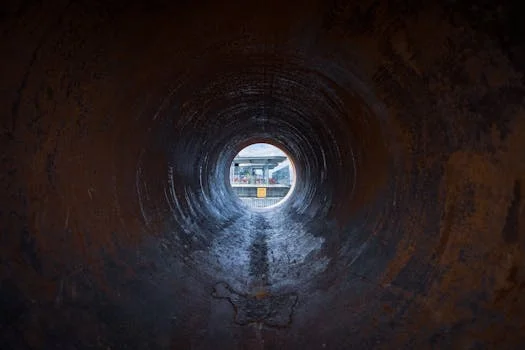
Implementing a rigorous daily maintenance checklist is the first line of defense against unexpected downtime and compliance breaches. These quick, per-shift tasks ensure that critical parameters are monitored and minor issues are addressed before they escalate. Operators should consistently inspect pumps for any signs of vibration, leaks, or abnormal noise, meticulously logging all readings. For Dissolved Air Flotation (DAF) systems (e.g., HydropureWater 4–300 m³/h units), hourly verification of skimmer operation and micro-bubble dispersion is vital for efficient oil and solids removal. In MBR systems, a daily check of transmembrane pressure (TMP) is paramount; a rise exceeding 10 kPa typically signals membrane fouling. Chemical dosing pumps must be confirmed to be delivering the correct dosage, within a ±5% tolerance of the setpoint, to maintain treatment efficacy. Lastly, a critical daily inspection of manhole covers and safety interlocks is required to ensure operator safety and prevent unauthorized access.
| Task | Subsystem | Frequency | Notes |
|---|---|---|---|
| Inspect pumps for vibration, leaks, abnormal noise | Pumps | Daily | Log all readings and observations. |
| Verify skimmer operation and micro-bubble dispersion | DAF System | Hourly | Ensure efficient solids removal. |
| Check MBR transmembrane pressure (TMP) | MBR Membranes | Daily | Note any rise >10 kPa as an indicator of fouling. |
| Confirm chemical dosing pump delivery | Chemical Dosing | Daily | Verify dosage is within ±5% of setpoint. |
| Inspect manhole covers and safety interlocks | General Safety | Daily | Ensure secure and operational. |
| Visual inspection of tanks and basins | All Zones | Daily | Check for leaks, unusual levels, or debris. |
| Monitor control panel alarms and indicators | Control System | Daily | Address any active alarms immediately. |
Weekly and Monthly System Inspections
Beyond daily checks, a structured weekly and monthly inspection schedule is essential for catching developing issues before they impact performance or lead to failure. MBR membrane modules require a Clean-in-Place (CIP) cycle every 2–4 weeks, utilizing solutions like citric acid or NaOCl to restore flux. Blower air filters require weekly inspection and should be replaced monthly or when the differential pressure (ΔP) exceeds 250 Pa, ensuring efficient aeration. Weekly calibration of pH and ORP sensors is crucial to guarantee the accuracy of chemical dosing adjustments. The DAF dissolved air tank pressure should be checked monthly, maintaining 3–4 bar for optimal micro-bubble formation and efficient flotation. For sludge thickeners, monthly verification of torque levels is important; a sudden increase can indicate an overload or mechanical issue. These mid-term inspections are critical for proactive maintenance and preventing the costly repeat failures that plague neglected systems.
| Task | Subsystem | Frequency | Notes |
|---|---|---|---|
| Perform MBR membrane CIP | MBR Membranes | Every 2–4 weeks | Use recommended cleaning agents (e.g., citric acid, NaOCl). |
| Inspect blower air filters | Blowers | Weekly | Replace monthly or when ΔP > 250 Pa. |
| Calibrate pH and ORP sensors | Chemical Dosing / Monitoring | Weekly | Ensure accurate treatment adjustments. |
| Check DAF dissolved air tank pressure | DAF System | Monthly | Maintain 3–4 bar for effective micro-bubble generation. |
| Verify sludge thickener torque levels | Sludge Handling | Monthly | Monitor for sudden increases indicating overload. |
| Inspect chemical storage tanks and levels | Chemical Dosing | Weekly | Ensure adequate supply and check for leaks. |
| Review SCADA system logs for trends and alarms | Control System | Weekly | Identify potential developing issues. |
Annual Shutdown and Preventative Maintenance
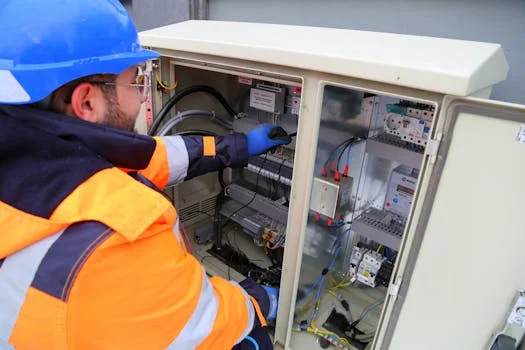
An annual shutdown for comprehensive preventative maintenance is vital for extending the lifespan of your containerized wastewater treatment equipment and preventing costly unplanned outages. This scheduled downtime allows for in-depth inspections and servicing that cannot be performed during routine operation. It is recommended to drain and inspect anaerobic zones annually to remove accumulated silt, which can impede performance. Critical components like UV sleeves or ClO₂ generator electrodes should be replaced every 12 months to ensure continued effectiveness. All mechanical seals, bearings, and drive chains require thorough inspection and lubrication to prevent wear and premature failure. A full electrical safety test on control panels and motor starters should be conducted to ensure the integrity of the electrical systems. Finally, updating PLC software and backing up SCADA data annually is crucial for maintaining system control and historical records.
Troubleshooting Common Containerized System Failures
Equipping plant operators with the knowledge to diagnose and resolve common issues quickly is paramount to minimizing downtime in containerized wastewater systems. A high transmembrane pressure (TMP) in an MBR system typically indicates membrane fouling; the solution involves performing a Clean-in-Place (CIP) cycle or initiating a backwash. If a DAF unit exhibits poor flotation, the primary suspects are insufficient air saturation or an imbalance in chemical dosing. Pump cavitation often stems from an obstructed inlet strainer or inadequate Net Positive Suction Head (NPSH); cleaning sewage pipes to remove silt can also resolve this. Persistent odors from anaerobic zones usually point to a pH imbalance or alkalinity issues, potentially indicating digester overload. Alarms on the chemical dosing system should prompt checks of tank levels and inspection for clogged injection lines.
Frequently Asked Questions
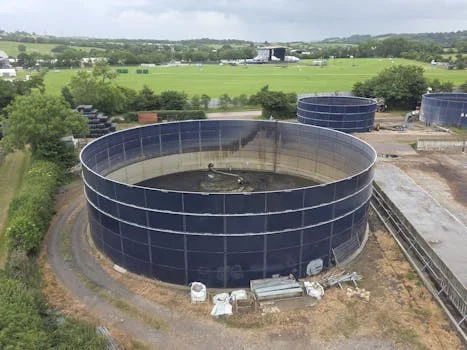
How often should containerized wastewater systems be serviced? Containerized wastewater systems require a multi-tiered maintenance approach: daily visual checks and parameter monitoring, weekly sensor calibration and log reviews, monthly mechanical inspections of key components, and a comprehensive annual shutdown for deep preventative maintenance.
What causes MBR membrane fouling and how can it be prevented? MBR membrane fouling is typically caused by high concentrations of Total Suspended Solids (TSS), insufficient aeration, or inadequate pretreatment. Prevention strategies include regular backwashing, performing CIP cycles every 2–4 weeks, and ensuring proper operation of upstream processes.
Can containerized plants handle industrial wastewater with high oil content? Yes, containerized plants can effectively handle industrial wastewater with high oil content when equipped with a Dissolved Air Flotation (DAF) unit, which is capable of achieving 92–97% FOG (Fats, Oils, and Grease) removal, and when appropriate chemical pretreatment is applied.
What are the compliance risks of poor maintenance? Poor maintenance directly increases the risk of NPDES violations, which can incur significant civil penalties. It contributes to repeat equipment failures, as 67% of such events are linked to the recurrence of the same underlying issues due to incomplete corrective actions.
How do I extend the life of a plate and frame filter press? To maximize the lifespan of a plate and frame filter press, it's essential to clean the filter cloths thoroughly after each cycle, conduct monthly inspections of the plates for wear or damage, and ensure the frames are properly aligned to prevent leaks and uneven pressure distribution.