Municipal Sewage Treatment Plant in Victoria Australia: Network and Duty
A municipal sewage treatment plant in Victoria Australia treats sewage through preliminary, primary, secondary, and tertiary stages before discharge or reuse. Melbourne Water runs the Western Treatment Plant at Cocoroc on 110 km² and the Eastern Treatment Plant, which supplies Class A recycled water. Regional plants cover the rest of the state under EPA Victoria rules.
South East Water and other regional authorities run the smaller plants inside the same permission system. Raw sewage is not released untreated into the ocean; it passes through those stages so pollutants drop before water reaches a bay, a river, or a reuse customer. Victoria's wastewater management Victoria choices and the sewage treatment technology Australia on tight sites keep that chain inside the licence.
Distributed towns do not share the Melbourne trunk sewers. The Package Wastewater Treatment Plants in Victoria Australia: 2026 Engineering Guide sets out how package plants serve those communities, including cost lines, compliance checks, and a supplier list.
Western Treatment Plant Melbourne Water Process and Lagoon Train
The Western Treatment Plant at Cocoroc uses lagoons to treat sewage for Melbourne Water. Completed in 1897, it covers a site quoted as 110 km² (42 sq mi), about 30 km west of the CBD. According to Melbourne Water (updated January 2023), the same site is 10,500 hectares, and the largest lagoon holds 600 million litres.
Sewage moves from covered anaerobic lagoons, where bacteria make biogas, into aerated aerobic ponds that strip nitrogen. According to Melbourne Water, the lagoon path takes about 30 to 35 days to reach Class C recycled water. Class A polishing uses the activated sludge plant plus those lagoons, then ultraviolet light and chlorine. The plant was the first in Victoria to make Class A, and it produces 40 billion litres of recycled water each year.
Final lagoon water is released to Port Phillip Bay under EPA Victoria conditions, or it is polished for customers. Biogas under the covers makes the plant energy self-sufficient, meeting all site power needs. On lagoon plants we size in cool months, retention sits at the long end of that 30-35 day band.
| Facility | Location | Operator | Key Output |
|---|---|---|---|
| Western Treatment Plant | Cocoroc, ~30 km west of Melbourne CBD | Melbourne Water | Lagoon/land-based treatment; biodiversity habitat |
| Eastern Treatment Plant | South-eastern Melbourne suburbs | Melbourne Water | Class A recycled water for non-potable reuse |
| Regional and smaller plants | Statewide network | Various water authorities | Compliant effluent for local discharge or reuse |
Nearly 300 bird species use the wetlands beside the lagoons, according to Melbourne Water. The pond system created that habitat while it treats sewage. Regional plants in the table do not copy this land area.
Eastern Treatment Plant Recycled Water Class A Production
Eastern Treatment Plant recycled water Class A is produced from the full incoming flow, about 400 million litres a day, not from a side stream. According to Melbourne Water (updated August 2025), that volume is nearly half of Melbourne's sewage, on a site about one-tenth the Western plant. The plant opened in 1975, and a 2012 upgrade added tertiary treatment so the full flow can meet Class A.
The three-stage train finishes in about 24 hours, against 30 to 35 days in the Western lagoons. Fine screens, grit aeration, and sedimentation form the primary step, and sludge goes to temperature-controlled digesters. Secondary tanks use aerobic and anoxic bacteria, then clarifiers. Tertiary treatment doses ozone, passes biological filters, cuts ammonia, and finishes with ultraviolet light and chlorine.
Some treated water stays on site or goes to customers, and the rest is released at Boags Rocks under EPA Victoria conditions. Class A recycled water Victoria from this plant supports garden and crop irrigation, toilet flushing, laundry, cooling towers, and firefighting. On tertiary trains we commission, ozone is trimmed to colour and odour, not to one fixed dose.
South East Water and Trility deliver that Class A supply to homes and businesses. End uses include food crops eaten raw, unrestricted sports-ground irrigation, and car washing. Melbourne Water states that its advanced processes remove more than 99.999% of pathogens, under a HACCP plan. Biogas has been captured here since 1975, and a solar farm of 39,000 panels was added in 2023.
The Comprehensive Process of Municipal Sewage Treatment in Victoria
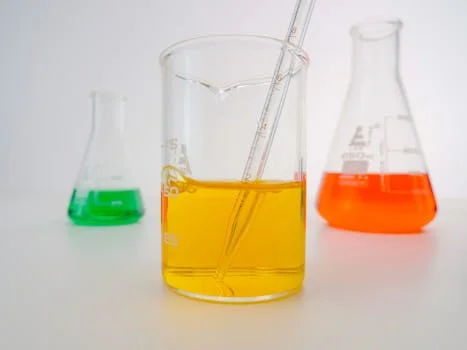
Victoria's treatment trains follow four progressive stages, whether the site is a lagoon farm or a 24-hour activated-sludge plant. Preliminary treatment uses rotary mechanical bar screens to capture rags, plastics, and debris. Grit chambers then drop sand, gravel, and coffee grounds at reduced velocity. Primary treatment settles solids in clarifiers; this stage typically removes 25-50% of biochemical oxygen demand (BOD) and 50-70% of suspended solids.
Secondary (biological) treatment uses microorganisms to break down dissolved and colloidal organics. Activated sludge systems aerate wastewater to grow aerobic bacteria. Space-constrained sites employ advanced MBR membrane bioreactor systems that filter below 1 μm in a smaller footprint. Tertiary treatment and disinfection adds sand or membrane filtration, nutrient removal for nitrogen and phosphorus, and pathogen kill using Chlorine Dioxide (ClO₂) Generators or UV.
After biology, secondary clarifiers separate microbial biomass from treated water, except where a membrane holds that biomass in the tank. Sludge is dewatered, commonly via filter press, and routed to composting, landfill, or anaerobic digestion for biogas. Most plants we size for Victorian councils run digesters at mesophilic temperatures (35-38 °C) with 15-20 day retention to stabilize biosolids before land application.
MBR Membrane Bioreactor Municipal Wastewater Treatment Choices
MBR membrane bioreactor municipal wastewater treatment combines activated sludge with membranes that filter below 1 μm, which suits reuse on a tight site. The same effluent can feed municipal irrigation and industrial process water. For an MBR vs Extended Aeration comparison, read the trade-off in footprint, power, and effluent solids. Operators should also keep the MBR membrane bioreactor maintenance guide beside the duty log.
Most package MBR skids we size for towns under 1,000 EP run flux at the low end to protect the sheets. Where a clarifier will not fit, specify MBR membrane bioreactor wastewater treatment systems rather than stretching an aeration tank. Membranes replace the secondary clarifier and hold a higher mixed-liquor concentration. Power and chemical cleaning are the cost you accept for that smaller pad.
Dissolved Air Flotation (DAF) removes suspended solids, fats, oils, grease, and colloids by sticking fine bubbles to particles for skimming. Decentralized sites use an Underground Package Sewage Treatment Plant (WSZ Series) when the whole train must sit in one skid or buried tank. Package wastewater treatment plant options are set out separately for buyers comparing containerized layouts. A remote Victorian town usually cares more about service visits than about copying a Melbourne lagoon.
Disinfection equipment, including Chlorine Dioxide (ClO₂) Generators, controls viruses and protozoa while limiting harmful disinfection byproducts. UV does the same job with no chemical residual, which some reuse schemes reject. Procurement teams comparing plants across Australia can use the top 10 wastewater treatment plants note as a separate national screen, then come back here for Victoria only.
| Technology | Typical Use | Key Performance |
|---|---|---|
| MBR | Urban sites, water reuse | Filtration <1 μm; compact footprint |
| DAF | Pre-treatment, FOG removal | High solids/FOG capture; protects downstream biology |
| Package STP (WSZ) | Decentralized and remote communities | Automated multi-stage; containerized install |
| ClO₂ / UV disinfection | Pathogen control for recycled water | Broad-spectrum kill; low DBPs (ClO₂) |
Lock six decisions before a tender goes out. A missing reuse class is the miss we see most often on Victorian municipal jobs.
- Design flow, and whether it exceeds 5,000 litres per day.
- End point: Class A, Class C, or licensed discharge only.
- Footprint: 30-35 day lagoons, a 24-hour train, or an MBR.
- FOG load: add DAF, or send it straight to biology.
- Disinfection: chlorine dioxide residual, or UV with none.
- Biosolids: digest near 35-38 °C, compost, or landfill.
EPA Victoria Wastewater Discharge Standards and A03 Licences
EPA Victoria wastewater discharge standards for a municipal plant are the limits written in that site's A03 operating licence, not one statewide BOD number. According to EPA Victoria (page updated May 2025), an A03 development licence and operating licence are required to treat, discharge, or deposit sewage above 5,000 litres per day. Surface-water limits sit in Appendix 6 of the licence, and wet-weather discharges follow EPA Publication 1322.
A land-only discharge at or below 100,000 litres per day can seek an A03 exemption if the operator holds an A14 or A15 permission. Supplying recycled water needs an A14 permit, and biosolids supply needs an A15 permit unless it stays inside the A03 licence. On licence reviews we do, Appendix 6 numbers change with the outfall, so we never copy one plant's limit onto another.
Discharges to sensitive waters and reuse schemes still need treatment beyond plain secondary effluent. Class A recycled water Victoria from the Eastern Treatment Plant meets the highest non-potable grade and supports agricultural irrigation, industrial processes, and toilet flushing. That reuse is what gives Melbourne a buffer in drought. Melbourne Water also follows Department of Health and Human Services and NHMRC recycled-water guides alongside EPA Victoria.
Licence holders must keep monitoring records for 5 years and call 1300 372 842 at once if a discharge may harm health or the environment. Administrative changes need a notice within 48 hours. An operating licence issued after 1 July 2021 can run up to 20 years, while earlier licences have no expiry on the EPA page.
Modern plants recover energy as biogas from anaerobic digestion, which cuts power cost and greenhouse gas. Nutrient programs look at phosphorus and nitrogen recovery for fertiliser. The same circular model appears in package wastewater treatment plants in Victoria Australia engineering work for smaller towns. Together, the large plants and the package sites turn a disposal duty into resource recovery.
Who This Is For and Next Step
Plant engineers at Melbourne Water and regional authorities, plus EPC contractors and procurement managers, use this brief, and it is not a price list. Capital cost moves with membrane area, digester volume, and disinfection capacity. Procurement teams we support usually freeze the reuse class before they freeze the equipment list.
Councils with only an onsite system under 5,000 litres per day deal with an A20 council permit, not an A03 licence, so this municipal brief is the wrong tool. Engineers sizing containerized plants below 1,000 EP should read the package wastewater treatment plants in Victoria Australia engineering guide before they lock a vendor.
Sizing a municipal sewage treatment plant in Victoria Australia starts from influent load, the A03 limit set, and the reuse class. Send that profile through our inquiry form for a sized process and equipment proposal: request a quotation for a Victorian municipal sewage treatment plant.
Frequently Asked Questions
Does Victoria have a sewage treatment plant?
Victoria does operate municipal sewage plants, led by Melbourne Water's Western Treatment Plant at Cocoroc and the Eastern Treatment Plant in the south-eastern suburbs, with regional plants under other water authorities. The Western site covers 10,500 hectares of lagoons. The Eastern plant treats about 400 million litres a day. Any plant above 5,000 litres per day needs an EPA Victoria A03 licence.
Does Victoria still pump raw sewage into the ocean?
Victoria does not pump raw sewage into the ocean. Municipal sewage is screened, settled, treated biologically, and disinfected before any release. The Eastern Treatment Plant finishes its train in about 24 hours and sends surplus Class A water to the ocean at Boags Rocks only under EPA Victoria conditions. The Western Treatment Plant releases lagoon effluent to Port Phillip Bay after about 30 to 35 days, also under EPA conditions.
Where does Melbourne's sewage go?
Melbourne's sewage is split between two Melbourne Water plants. The Western Treatment Plant at Cocoroc, about 30 km west of the CBD, treats flow in lagoons and can polish it to Class A. The Eastern Treatment Plant, opened in 1975, treats nearly half of Melbourne's sewage, about 400 million litres a day, to Class A in roughly 24 hours. Retail utilities then supply that recycled water to customers.
How does Victoria deal with sewage?
Victoria uses four stages: preliminary screening and grit removal, primary sedimentation, secondary biology, and tertiary filtration, nutrient removal, and disinfection. Primary clarifiers typically remove 25-50% of BOD and 50-70% of suspended solids. Secondary trains are activated sludge or an MBR where space is tight. Sludge is digested, often at 35-38 °C for 15-20 days, then dewatered for reuse or disposal.
Which advanced technology fits a space-constrained Victorian site?
An MBR fits best on a tight urban site that must hit reuse quality. It pairs biology with filtration below 1 μm and drops the secondary clarifier. Add DAF upstream when fats, oils, and grease are high. Finish with chlorine dioxide or UV when the recycled-water scheme needs a disinfectant residual or a chemical-free kill. For towns under 1,000 EP, a package unit is usually easier to staff than a full lagoon farm.