Why Connecticut Hospitals Face Tougher Wastewater Scrutiny in 2026
Connecticut hospitals discharging more than 5,000 gallons per day of process wastewater typically need a CT DEEP Section 22a-430b site-specific permit or coverage under the CT DEEP General Permit for Industrial Wastewater, with pretreatment-to-POTW and direct-to-surface-water pathways governed by separate rulesets. POTW discharges route through EPA 40 CFR Part 403 categorical standards plus the local sewer authority's pretreatment program; direct discharges to surface water route through CT's IPDES (state NPDES) program with effluent limits written into the permit. CT DEEP layers three constraints on top of federal categorical standards that most packaged hospital systems are not designed for: total residual chlorine (TRC) ≤0.1 mg/L, PFAS monitoring at the method-detection level in laundries and lab waste streams, and mercury limits triggered by on-site dental practices. The 2024–2025 expansion of CT DEEP's PFAS guidance to healthcare facilities means a Hartford-area hospital renewing a permit today must now segregate and characterize laundry, oncology, and imaging waste streams — historically treated as a single combined flow. The University of Connecticut's on-campus Water Resource Recovery Facility demonstrates that institutional-scale biological treatment has been operating practice in Connecticut for years, and the Connecticut Hospital Association has flagged PFAS source separation as a 2026 inspection priority.
Hospital Wastewater Influent Characteristics: What Designers Must Size For
Hospital effluent is roughly 1.5–2× stronger than domestic sewage, and a defensible CT design envelope is the first thing any vendor should put on the table. Designers should size biological units against the following typical ranges, with cold-weather conditions at 12°C as the controlling case:
| Parameter | Typical Hospital Influent Range | Design Basis (CT, 50–500 beds) |
|---|---|---|
| COD | 1,000–3,000 mg/L | 2,000 mg/L |
| BOD₅ | 250–600 mg/L | 400 mg/L |
| TSS | 100–400 mg/L | 250 mg/L |
| NH₃-N | 20–80 mg/L | 50 mg/L |
| Total Phosphorus | 5–20 mg/L | 12 mg/L |
| Fecal Coliform | 10⁶–10⁸ CFU/100 mL | 10⁷ CFU/100 mL |
| FOG (cafeteria/ kitchen waste) | 50–200 mg/L | 150 mg/L |
| Pharmaceutical Residues | 1–100 μg/L | Site-specific monitoring |
Three surge factors separate hospital design from municipal design. Weekday-to-weekend flow ratios run 1.5–2.5×; laundry batches hit 3× peak for 2–4 hours; and dietary FOG slugs from cafeteria dishwashers can spike grease to 200 mg/L in a 30-minute window. Equalization is non-optional, not optional, because disinfection contact time and biological loading both depend on a stable feed. Pharmaceutical residues — antibiotics, iodinated contrast media, cytotoxics from oncology wards — typically range 1–100 μg/L per compound, and a 2022 review of constructed-wetlands removal (Springer Environmental Science and Pollution Research) confirms that single-pass attached-growth systems do not reliably achieve sub-μg/L removal at low temperature. In Connecticut, winter sewer temperatures sit at 12–16°C for 4–5 months per year, and biological kinetics slow 30–40% below 15°C; this is the reason MBR and SBR dominate hospital design over conventional activated sludge in CT.
CT DEEP and EPA Discharge Limits That Drive Equipment Selection
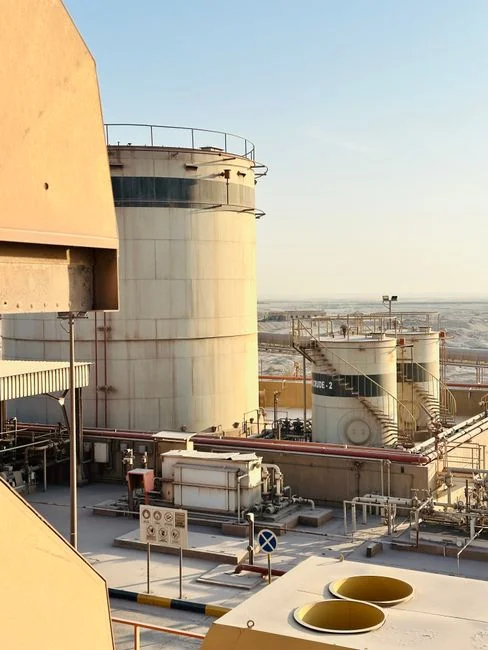
CT DEEP permit limits are not suggestions; they dictate equipment selection, chemical storage, and operator labor. The 2026 numbers a 50–500-bed hospital must design against are:
| Parameter | Direct Discharge (CT IPDES / Surface Water) | POTW Pretreatment (40 CFR 403) | Operational Implication |
|---|---|---|---|
| BOD₅ | ≤30 mg/L (30-day avg) / ≤50 mg/L (daily max) | ≤300 mg/L (local limits may be tighter) | Sets MLSS, SRT, and F:M ratio in biological stage |
| TSS | ≤30 mg/L | ≤200 mg/L | Forces membrane or high-rate clarification |
| Fecal Coliform | ≤200 CFU/100 mL (geometric mean) | N/A (POTW handles) | Defines disinfection dose and contact time |
| Total Residual Chlorine | ≤0.1 mg/L | ≤0.1 mg/L (most CT POTWs) | Eliminates sodium hypochlorite as primary disinfectant |
| pH | 6.0–9.0 | 6.0–9.0 | Reduces chemical demand with A/O biology |
| PFAS | Monitoring required; source segregation expected | Monitoring expected | Drives laundry and lab waste segregation |
The TRC ≤0.1 mg/L limit is the single decision point that pushes hospitals away from sodium hypochlorite and toward chlorine dioxide, UV, or ozone. CT DEEP has historically allowed dechlorination with sodium bisulfite, but the resulting DBP profile (THMs and HAAs) and the bisulfite consumption have made that path operationally unattractive for 2026. For PFAS, CT DEEP has not yet promulgated numeric effluent limits for hospitals, but the 2024–2025 permit-renewal cycle requires source monitoring and engineering alternatives analysis — a soft requirement that has hard procurement consequences (laundry segregation, activated carbon polishing, or discharge to POTW with PFAS-capable sludge handling).
The 2026 Process Train: Screening to Disinfection
The standard CT hospital process train in 2026 runs headworks → equalization → biological treatment → clarification (often integrated) → disinfection → pH adjust → sludge handling. Each stage has a defensible sizing logic:
- Headworks: A 3–6 mm aperture rotary mechanical bar screen removes rags, PPE, and laundry lint before the lift station. Hospital laundry effluent contributes 30–50% of the rag loading that municipal screens never see.
- Equalization: 8–24 hour HRT to dampen 2.5× peak flows. For a 50–500-bed facility, this is 40–250 m³ of usable buffer, sized to the largest single surge (typically a laundry batch).
- Biological treatment: A packaged MBR system for hospital wastewater at 10–25 m³/d for a 50-bed facility, scaling to 200–500 m³/d for a 500-bed facility, delivers <1 μm effluent and stable nitrification at 12°C. SBR and packaged A/O are viable alternates; selection is covered in the next section.
- Clarification: For A/O and SBR flows, a high-rate lamella or DAF stage (such as the DAF 4–300 m³/h range) handles FOG and colloidal stripping where cafeteria and laundry streams merge.
- Disinfection: ClO₂ at 0.5–2.0 mg/L with 15–30 minute contact time is the 2026 default; ozone is the alternative where chemical handling is restricted. Sludge is dewatered to 18–22% dry cake on a plate-and-frame filter press for regulated medical waste segregation.
The order matters: screening protects the membranes, equalization protects the biology, and disinfection is sized against the worst-case fecal loading — not the average.
MBR vs SBR vs Packaged A/O: Which System Fits a CT Hospital?
For procurement, the decision between MBR, SBR, and packaged A/O is driven by five variables: footprint, CAPEX, cold-weather performance, surge tolerance, and operator skill. The head-to-head below is what a CT hospital facilities director should put in front of a vendor:
| Criterion | MBR (DF Series) | SBR | Packaged A/O (WSZ) |
|---|---|---|---|
| Effluent Quality | <1 μm, BOD <5 mg/L | BOD <10 mg/L, TSS <10 mg/L | BOD <20 mg/L, TSS <20 mg/L |
| MLSS | 8,000–12,000 mg/L | 3,000–5,000 mg/L | 2,500–4,000 mg/L |
| SRT | 20–40 days | 10–20 days | 5–15 days |
| Footprint | ~60% smaller than CAS | Intermediate | Smallest (buried) |
| Cold-Weather (10°C) | Strong; high SRT buffers kinetics | Moderate; batch timing adjustable | Weaker; longer HRT required |
| Surge Tolerance | Excellent (equalization + buffer) | Good (batch flexibility) | Limited (no equalization) |
| Operator Skill | Moderate (membrane cleaning) | High (cycle tuning) | Low (mostly automated) |
| Best Fit | 200–500 beds, tight footprint | 50–200 beds with on-site staff | 1–80 m³/h, rural sites, small clinics |
MBR is the 2026 default for any CT hospital above 200 beds because the high MLSS and long SRT buffer the 30–40% cold-weather kinetic loss that conventional systems cannot compensate for. SBR is the right call for 50–200-bed facilities that have a dedicated operator willing to manage batch cycles. Packaged A/O — using WSZ underground units — wins on CAPEX and footprint for small rural hospitals and satellite clinics where the discharge is to a small POTW with no surface-water limit. Khan et al. (2021) demonstrated >90% COD removal with a submerged aerobic fixed-film reactor coupled with a tube settler, confirming that attached-growth systems can meet secondary limits, but MBR delivers more consistent pharmaceutical removal at low temperature — the controlling case in Connecticut.
Disinfection in CT: Why Chlorine Dioxide Is the Default in 2026
Sodium hypochlorite routinely breaks the CT DEEP 0.1 mg/L TRC ceiling and generates THMs and HAAs at doses high enough to handle hospital fecal loading. Chlorine dioxide at 0.5–2.0 mg/L with 15–30 minute contact achieves the 200 CFU/100 mL fecal coliform target without THM formation, and it degrades to chlorite/chlorate rather than halogenated organics — a meaningful difference for CT DEEP permit reviewers. An on-site chlorine dioxide generator sized from 50 g/h to 20,000 g/h covers everything from a 50-bed critical-access hospital to a 500-bed tertiary center, with EPA, 98/83/EC, and WHO drinking-water compliance as a baseline. For small clinics and dental suites where chemical handling is undesirable, the medical wastewater treatment system provides ozone-based disinfection at 99%+ kill in a 0.5 m² footprint with no chemical dosing.
2026 CAPEX and OPEX Benchmarks for Connecticut Hospitals
CT hospital CAPEX is higher than the U.S. average by 10–15% because of permitting engineering, structural codes, and union labor in the Hartford–New Haven corridor. Realistic 2026 ranges that a CFO will accept:
| Facility Size | Flow Range | Installed CAPEX | MBR OPEX | ClO₂ Add-On |
|---|---|---|---|---|
| 50-bed critical-access | 10–25 m³/day | $320,000–$520,000 | $0.18–$0.28/kg BOD | $45,000–$90,000 |
| 200-bed community hospital | 50–120 m³/day | $650,000–$1.1M | $0.22–$0.35/kg BOD | $80,000–$130,000 |
| 500-bed tertiary center | 200–500 m³/day | $1.2M–$1.8M | $0.25–$0.42/kg BOD | $120,000–$180,000 |
Permitting and engineering run 12–18% of equipment CAPEX under CT DEEP oversight, with a typical 6–10 month permit-to-commissioning timeline. OPEX is dominated by energy (MBR aeration and membrane scour air), membrane replacement every 7–10 years, and ClO₂ precursor chemical cost. The combined PFAS-monitoring burden is small (~$8,000–$15,000/yr) but adds staffing hours that should be acknowledged in the CFO conversation. For facilities exploring AI-driven process control to reduce OPEX, an AI process control framework for municipal wastewater plants can be adapted to hospital MBRs with measurable aeration-energy savings.
Procurement Checklist for a CT Hospital Wastewater Project
- Verify the CT DEEP Section 22a-430b permit pathway and confirm POTW pretreatment vs. direct surface-water discharge with the local sewer authority before sizing equipment.
- Match the vendor design basis to your influent envelope (BOD 400 mg/L, TSS 250 mg/L, NH₃-N 50 mg/L) and demand cold-weather performance guarantees at 10°C.
- Confirm TRC ≤0.1 mg/L compliance, DBP data, and reference installations in CT or the Northeast.
- Require PLC/SCADA remote monitoring and 24/7 alarm integration with the hospital facilities team.
- Validate that the manufacturer provides on-site commissioning in CT and supports CT DEEP permit documentation directly.
- Request a 10-year lifecycle cost model separating membrane replacement, chemical consumption, and energy.
- Confirm the vendor's lead time for replacement DF series PVDF flat-sheet membrane modules — a 12-week overseas lead time can shut down a 500-bed hospital.
Frequently Asked Questions
What permit does a Connecticut hospital need to discharge wastewater? Hospitals discharging more than 5,000 gpd typically need a CT DEEP Section 22a-430b site-specific permit or coverage under the General Permit for Industrial Wastewater, with the pathway depending on whether discharge is to a POTW (EPA 40 CFR Part 403 pretreatment) or directly to surface water (CT IPDES).
What BOD and TSS limits apply to Connecticut hospital effluent? Direct-discharge permits typically require BOD₅ ≤30 mg/L (30-day average), ≤50 mg/L daily max, and TSS ≤30 mg/L, per CT DEEP and EPA categorical standards; POTW pretreatment limits are commonly ≤300 mg/L BOD and ≤200 mg/L TSS but vary by local sewer authority.
Why are Connecticut hospitals moving from chlorine to chlorine dioxide? The CT DEEP total residual chlorine limit of ≤0.1 mg/L is impractical to meet with sodium hypochlorite at hospital fecal loading, and chlorination generates THMs and HAAs; an on-site ClO₂ generator operates at 0.5–2.0 mg/L with no THM formation and meets the 200 CFU/100 mL fecal coliform target.
What is the smallest hospital wastewater system for a 50-bed facility? A packaged 10–25 m³/day MBR with ClO₂ disinfection typically runs $320,000–$520,000 installed in CT, with a 6–10 month permit-to-commissioning timeline; smaller satellite clinics can use the medical wastewater treatment system with ozone disinfection at sub-$200,000 installed cost.
How does PFAS change hospital wastewater design in 2026? CT DEEP's 2024–2025 permit-renewal cycle requires monitoring and source-segregation analysis for laundry and lab waste streams; a defensible design now includes laundry diversion, activated carbon polishing for high-PFAS streams, and clear documentation of source reduction.