A complete RO water purification maintenance guide for industrial systems includes replacing pre-filters every 6–12 months, sanitizing annually, and calibrating pH/ORP sensors quarterly. For optimal performance, monitor SDI <5 and maintain differential pressure <15 psi across membranes to prevent fouling, extending membrane life to 5–7 years.
Why Industrial RO Maintenance Differs from Residential Systems
Industrial RO systems process significantly larger volumes of water, typically 10–2,000 m³/day, compared to residential units handling less than 1 m³/day, leading to distinct maintenance challenges. This substantial difference in throughput directly translates to a higher risk of fouling and scaling, demanding more sophisticated and frequent maintenance protocols. Unlike residential systems, industrial RO plants operate with high recovery rates, often reaching up to 95% in HydropureWater industrial RO water purification systems. While this efficiency is crucial for water conservation and cost savings, higher recovery concentrates impurities, thereby increasing the potential for scaling if antiscalant dosing and monitoring are not meticulously managed. Industrial systems are also characterized by their integration into complex plant processes, often featuring PLC-controlled automation. This automation relies heavily on accurate sensor data from pH, ORP, and conductivity probes. Consequently, these sensors require regular calibration, typically every three months, to ensure the integrity of the feedback loop, prevent operational errors, and maintain regulatory compliance. Neglecting these industrial-specific factors can lead to premature membrane failure, costly downtime, and non-compliance with stringent water quality standards.
Daily and Weekly Maintenance Tasks for RO Operators
Consistent daily and weekly monitoring of key operational parameters can prevent over 60% of common industrial RO system failures (HydropureWater field data, 2025). Daily checks should include verifying feed water pressure and permeate flow rate. A deviation greater than 10% from the established baseline for either parameter often indicates early-stage membrane fouling, scaling, or a potential issue with the high-pressure pump. Prompt identification allows for corrective action before system performance significantly degrades. Weekly, operators must inspect the cartridge filter housing for any signs of leaks or abnormal pressure spikes. For optimal performance, 5-micron sediment filters should be replaced every 6 months or whenever the differential pressure (ΔP) across them exceeds 10 psi, whichever comes first. This proactive replacement prevents particulate matter from reaching and damaging the RO membranes. Verifying the continuous and correct operation of chemical dosing pumps, such as those for antiscalant and biocide, is paramount. Industry failure logs indicate that under-dosing of antiscalant can increase the risk of scaling by as much as 40%, directly impacting membrane lifespan and system efficiency. HydropureWater offers automatic chemical dosing systems designed for precise and reliable chemical delivery, minimizing human error and optimizing system protection.
Monthly System Inspections and Performance Logging
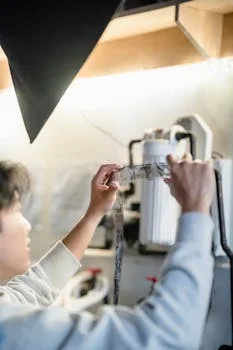
Proactive monthly inspections and detailed performance logging are critical for identifying subtle operational drifts that precede major industrial RO system malfunctions. Each month, plant engineers should record the normalized salt rejection rate. A consistent drop below 97% often signifies membrane degradation, O-ring failure, or bypass issues, necessitating further investigation. Simultaneously, measuring the Silt Density Index (SDI) of the feed water monthly is crucial for assessing particulate fouling potential. Sustained SDI values greater than 5 indicate inadequate pre-filtration and require immediate attention, potentially necessitating an upgrade to the pre-filtration system, such as incorporating a multi-media filter for RO pretreatment or ultrafiltration. Neglecting high SDI can lead to irreversible membrane fouling and significant reductions in permeate flow. Additionally, a thorough inspection of high-pressure pump seals and lubrication points should be performed monthly. DuPont field data shows that industrial pumps fail prematurely in 22% of cases due to neglected lubrication, highlighting the importance of this seemingly minor task. Maintaining detailed logs of these parameters allows for trend analysis, enabling predictive maintenance and preventing unexpected system downtime.
Quarterly Calibration and Sensor Maintenance
Accurate sensor calibration every 90 days is essential for maintaining the integrity of PLC-controlled industrial RO systems, directly impacting chemical dosing and system protection. For pH sensors, a two-point calibration using certified buffer solutions (e.g., pH 4.0 and 7.0) is recommended quarterly. A drift exceeding ±0.2 pH units from the true value can significantly impact the accuracy of chemical dosing, potentially leading to incorrect antiscalant or biocide concentrations, which can cause scaling or biofouling. ORP (Oxidation-Reduction Potential) sensors, critical for monitoring disinfectant levels and preventing membrane oxidation, must be cleaned and recalibrated every 90 days to prevent biofilm-induced signal lag. Biofilm accumulation on the sensor surface can lead to erroneous readings, compromising the effectiveness of biocide dosing. Conductivity probes, vital for monitoring feed water quality and permeate purity, require monthly verification using a certified standard solution (e.g., 1413 µS/cm at 25°C). Consistent, accurate sensor data ensures that the PLC system makes correct operational adjustments, protecting the RO membranes and ensuring the production of compliant water quality.
Annual Cleaning, Sanitization, and Membrane Audit
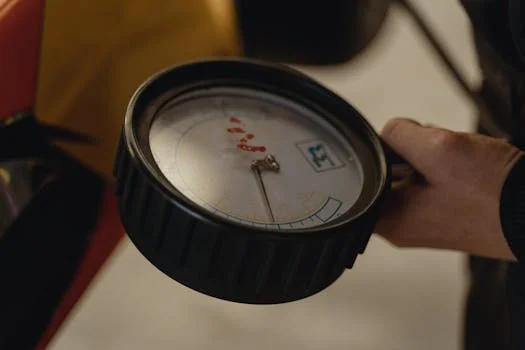
A comprehensive annual cleaning (CIP) and sanitization protocol can restore up to 90% of lost permeate flow and extend the useful life of industrial RO membranes by 2-3 years (HydropureWater field data, 2025). This critical annual shutdown procedure involves a multi-step Clean-in-Place (CIP) process. Typically, a low-pH solution, such as citric acid, is used to remove scale (e.g., calcium carbonate, iron oxides), followed by a high-pH solution, like sodium dodecyl sulfate (SDS) or caustic, to tackle organic fouling and colloidal deposits. CIP should also be performed whenever normalized permeate flow drops by 15% or normalized salt passage increases by 10% from the baseline, even if it's before the annual schedule. Following cleaning, sanitization with a 1% sodium bisulfite solution is crucial to control biofouling. Industrial systems, due to their large surface areas and nutrient-rich environments, can experience up to 30% biofilm regrowth within six months without proper biocide cycling and sanitization. During the annual audit, it is recommended to inspect 10–20% of the membrane elements, particularly those from the lead and tail positions, for signs of scaling, tearing, or O-ring damage. Membranes should be replaced if their salt passage increases by more than 15% from their initial baseline performance. This meticulous audit ensures the long-term health and efficiency of the entire industrial RO water purification system with 95% recovery rate.
| Membrane Inspection Criteria | Indication | Action Required |
|---|---|---|
| Visible Scaling/Deposits | Inadequate antiscalant, high feed water hardness | Enhanced CIP, adjust antiscalant dosing, check pretreatment |
| Physical Tears/Damage | High differential pressure, hydraulic shock, abrasive particles | Replace element, troubleshoot system hydraulics |
| Brine Seal/O-ring Damage | Salt passage increase, internal leakage | Replace seals/O-rings, check housing fit |
| Biofilm Slime | Insufficient biocide dosing, lack of sanitization | Biocide shock treatment, adjust dosing, sanitize |
| Salt Passage >15% Increase | Membrane degradation, fouling, damage | Replace element, investigate root cause |
Industrial RO Maintenance Checklist by Interval
Adherence to a structured, interval-based maintenance checklist can reduce unplanned downtime in industrial RO systems by up to 45% annually (industry benchmark, 2024). This systematic approach ensures that all critical components are regularly inspected, calibrated, and serviced, preventing minor issues from escalating into costly failures. The checklist integrates various tasks from basic operational checks to complex chemical cleanings, all vital for maintaining optimal system performance, extending equipment lifespan, and ensuring continuous compliance with water quality standards. This comprehensive ro plant maintenance checklist is designed for industrial environments, where high-stakes operations demand precision and reliability. It serves as a practical guide for plant engineers and maintenance supervisors, ensuring every aspect of the industrial ro system maintenance is covered, from monitoring silt density index ro to meticulous reverse osmosis membrane cleaning.
| Interval | Task Description | Key Performance Indicator (KPI) | Typical Failure Rate Impact (if neglected) |
|---|---|---|---|
| Daily | Check feed pressure, permeate flow, reject flow, system alarms. | Permeate Flow Stability, ΔP across pre-filters | 20% increase in short-term fouling incidents. |
| Weekly | Inspect pre-filters for ΔP, verify chemical dosing pump operation, check pump oil levels. | Pre-filter ΔP <10 psi, Antiscalant/Biocide concentration | 15% higher risk of scaling/biofouling. |
| Monthly | Log SDI, normalized salt rejection, normalized permeate flow, ΔP across membranes; inspect instrumentation. | SDI <5, Salt Rejection >97%, Flux Decline <10% | 30% increase in membrane degradation. |
| Quarterly | Calibrate pH, ORP, conductivity sensors. | Sensor Accuracy ±0.2 pH, ±10 mV ORP, ±5% Conductivity | 25% increase in incorrect chemical dosing leading to fouling/scaling. |
| Annually | Perform CIP cleaning, sanitization, membrane inspection (10-20% elements), full system audit. | Permeate Flow Recovery >85%, Membrane Lifespan 5-7 years | 50% reduction in membrane lifespan, significant downtime. |
Frequently Asked Questions
Addressing common queries about industrial RO maintenance clarifies best practices and empowers plant engineers to make informed operational decisions.
Can I service my RO purifier myself? Industrial RO systems require trained technicians due to high-pressure components, chemical handling, and complex PLC interfaces. While minor tasks like pre-filter changes can be done in-house with proper training, critical maintenance like membrane cleaning or high-pressure pump overhauls should be performed by certified personnel to ensure safety and system integrity. For comprehensive industrial equipment maintenance best practices, refer to our detailed guides on sludge press equipment maintenance and skid-mounted water treatment plant maintenance protocol.
How often should you flush your reverse osmosis system? Perform a 15–30 minute flush after extended shutdowns (e.g., more than 24 hours) or daily in high-fouling environments to prevent concentration polarization and reduce scaling. Full CIP cleaning cycles are typically performed every 6–12 months, depending on feed water quality and system performance monitoring.
How to maintain a RO purifier? To effectively maintain an industrial RO purifier, replace pre-filters every 6–12 months, sanitize the system annually, calibrate all critical sensors quarterly, and consistently monitor the Silt Density Index (SDI) of the feed water, maintaining values below 5 to protect membranes from particulate fouling.
Do you really need to purge your RO system for 24 hours? No, the concept of a 24-hour purge is largely outdated for modern industrial RO systems. Today's systems utilize sophisticated Clean-in-Place (CIP) protocols with recirculation, typically requiring 1–2 hour cleaning cycles when properly dosed with appropriate chemical solutions. Post-CIP, a thorough flush to remove cleaning chemicals is sufficient, not a 24-hour purge.