Hospital wastewater treatment in Russia requires multi-stage systems due to pathogen and pharmaceutical loads. With $20 billion allocated for water infrastructure modernization, facilities must meet SanPiN 2.1.3684-21 standards. Typical systems include MBR or A/O processes with chlorine dioxide or ozone disinfection, achieving 95–99% pathogen reduction and COD removal of 85–92%.
Why Hospital Wastewater in Russia Requires Specialized Treatment
Hospital wastewater contains a complex cocktail of pollutants, including antibiotics, antivirals, contrast agents, and antibiotic-resistant genes, which are not typically found in domestic sewage.This unique composition presents significant environmental and public health risks, necessitating advanced treatment beyond conventional municipal systems. For instance, during the peak of the pandemic, temporary facilities like the 500-bed coronavirus hospital near Moscow required immediate, robust wastewater containment strategies to prevent viral dissemination through sewage, demonstrating the urgent need for specialized systems.
Russia's urban centers often contend with aging municipal wastewater infrastructure; only 65% of wastewater nationwide is treated to a secondary level, according to Rosstat 2023 data. This means hospitals cannot reliably discharge untreated or minimally pre-treated effluent into public sewers without exacerbating environmental contamination. The typical composition of raw hospital effluent reflects its complexity: Biochemical Oxygen Demand (BOD) ranges from 150–300 mg/L, Chemical Oxygen Demand (COD) from 300–600 mg/L, and Total Suspended Solids (TSS) from 100–250 mg/L, alongside highly variable concentrations of pharmaceutical residues and pathogenic microorganisms. Effective hospital wastewater treatment in Russia must address these specific challenges to safeguard public health and comply with evolving environmental mandates, especially concerning pharmaceutical removal wastewater.
Russian Regulatory Standards for Medical Wastewater Discharge
SanPiN 2.1.3684-21 establishes stringent maximum permissible concentrations (MPCs) for hospital wastewater discharge in Russia, reflecting a commitment to public health and environmental protection.This comprehensive standard dictates effluent quality for facilities discharging directly into water bodies or after pre-treatment into municipal sewers. For direct discharge, the limits are particularly strict: BOD must be ≤ 20 mg/L, COD ≤ 30 mg/L, TSS ≤ 10 mg/L, and fecal coliforms ≤ 100 CFU/L after adequate disinfection.
Facilities that discharge into municipal sewers are required to implement pre-treatment systems to reduce the load on centralized plants. These pre-treatment standards typically mandate BOD ≤ 150 mg/L, COD ≤ 300 mg/L, and effective removal of solids via screening and sedimentation. Disinfection is a critical component of medical wastewater disinfection in Russia, with specific validation requirements. For instance, using chlorine dioxide (ClO₂), a contact time of at least 30 minutes is prescribed, with a CT value (concentration x time) of ≥ 45 mg·min/L at a pH range of 6–7 to ensure effective pathogen inactivation. While Russian guidelines align with the World Health Organization's recommendation for a minimum 4-log (99.99%) virus reduction, they currently lack detailed monitoring protocols for a broad range of emerging contaminants like specific pharmaceutical compounds, posing an ongoing challenge for comprehensive compliance.
| Parameter | SanPiN 2.1.3684-21 MPC (Direct Discharge) | Pre-treatment for Municipal Sewer (Typical) |
|---|---|---|
| BOD₅ | ≤ 20 mg/L | ≤ 150 mg/L |
| COD | ≤ 30 mg/L | ≤ 300 mg/L |
| TSS | ≤ 10 mg/L | ≤ 250 mg/L |
| Fecal Coliforms | ≤ 100 CFU/L (after disinfection) | N/A (disinfection often prior to discharge) |
| pH | 6.0 – 9.0 | 6.0 – 9.0 |
Proven Treatment Technologies for Russian Hospitals
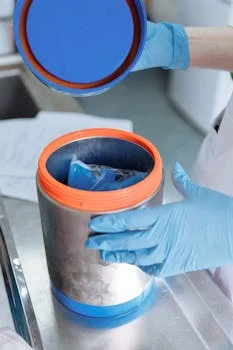
These compact systems integrate biological treatment with membrane filtration, offering a significant footprint advantage, often requiring 60% less space than conventional activated sludge systems. HydropureWater's high-efficiency MBR system with 0.1 μm filtration is engineered to meet these exacting standards.
For small to mid-sized hospitals, Anoxic/Aerobic (A/O) biological processes combined with advanced disinfection trains, such as HydropureWater’s WSZ series, are a prevalent choice. These packaged sewage plant Russia solutions are designed for capacities ranging from 1 to 80 m³/h, offering full automation that minimizes operator intervention. They are particularly effective in reducing organic loads and preparing effluent for final disinfection.
Disinfection is the final critical step in medical wastewater disinfection. Ozone disinfection systems achieve over 99% pathogen kill, including viruses and bacteria, without introducing chemical residues, which is ideal for environmentally sensitive locations. Alternatively, chlorine dioxide hospital use is widely adopted due to its potent antimicrobial properties and effectiveness against a broad spectrum of pathogens, even in the presence of ammonia. On-site chlorine dioxide generators, such as HydropureWater’s on-site chlorine dioxide disinfection generator, offer capacities from 50 to 20,000 g/h, ensuring a constant and safe supply of disinfectant. Before biological treatment, rotary bar screens (e.g., GX Series) play a crucial role in removing coarse solids, fibers, and rags from the influent, protecting downstream pumps, membranes, and other sensitive equipment from clogging and damage. The compact ozone-based medical wastewater system is another robust option for comprehensive treatment.
| Technology | Key Advantages | Typical Performance (COD Removal) | Footprint (vs. Conventional AS) | Primary Application in Russia |
|---|---|---|---|---|
| MBR (Membrane Bioreactor) | High effluent quality, small footprint, suitable for reuse | 90–95% | 60% smaller | New hospitals, stringent discharge limits, water reuse |
| A/O + Disinfection (WSZ Series) | Cost-effective, fully automated, reliable | 85–92% | Moderate | Small to mid-sized hospitals, pre-treatment for municipal sewers |
| Ozone Disinfection | High pathogen kill, no chemical residues, odor control | N/A (post-treatment) | Compact | Sensitive environments, advanced disinfection |
| Chlorine Dioxide Generation | Effective against broad pathogens, on-site production | N/A (post-treatment) | Moderate | Standard disinfection, robust against interference |
Comparing System Options: Performance, Cost & Footprint
Packaged wastewater treatment plants, such as the WSZ series, offer a cost-effective solution for capacities ranging from 10–50 m³/h in Russia, typically priced between $80–$150/m³ of installed capacity.These integrated units minimize civil works and installation time. In contrast, MBR for hospital effluent systems, while delivering superior effluent quality suitable for water reuse, command a higher capital expenditure, typically costing $180–$300/m³ of capacity. This higher upfront cost is often offset by reduced operational expenses in the long term, particularly through water recycling and compliance with stricter discharge limits.
Operational energy consumption is a significant factor in long-term cost. MBR systems typically consume 1.2–1.8 kWh/m³ due to membrane aeration and permeate pumping, whereas conventional A/O biological processes combined with disinfection generally operate at 0.6–1.0 kWh/m³. Installation timelines also vary considerably. Skid-mounted or containerized systems can be deployed and commissioned rapidly, often within 2–4 weeks, minimizing disruption to hospital operations. Conversely, in-ground plants requiring extensive civil works can take 3–6 months for construction and installation. The scalability of containerized units is a distinct advantage, allowing for phased expansion in growing medical complexes without major overhauls. For a detailed breakdown of costs, refer to our 2025 B2B pricing guide for medical wastewater systems, and for MBR-specific ROI, see our MBR cost and ROI guide.
| System Type | Typical Capital Cost (per m³/h capacity) | Energy Consumption (kWh/m³) | Installation Time | Footprint (Relative) |
|---|---|---|---|---|
| Packaged A/O + Disinfection | $80–$150 | 0.6–1.0 | 2–4 weeks (skid-mounted) | Medium |
| MBR System | $180–$300 | 1.2–1.8 | 4–8 weeks (modular) | Small |
| Conventional (Civil Works) | $100–$250 (variable) | 0.5–1.0 | 3–6 months | Large |
Future Trends: Decentralization and Water Reuse in Russian Healthcare
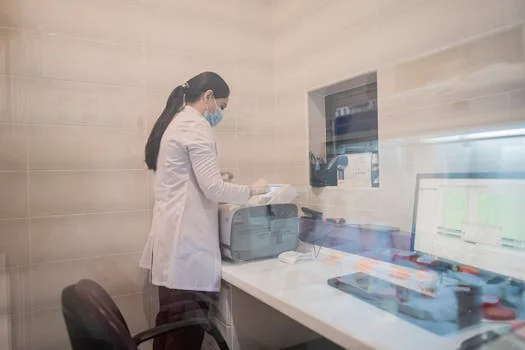
This strategy supports the development of self-sufficient medical facilities, particularly in remote areas where centralized sewage systems are absent or inadequate. The shift towards decentralized hospital treatment is driven by both economic considerations and the need for greater environmental control at the source.
Pilot projects in regions like Yaroslavl and Novosibirsk are exploring the feasibility of hospital water reuse. Treated hospital wastewater, after advanced purification, is being tested for non-potable applications such as landscaping irrigation, cooling tower make-up water, and toilet flushing. This initiative aligns with global sustainability trends and offers significant potential for reducing operational costs associated with fresh water consumption. The integration of digital monitoring is also gaining traction, with IoT-enabled systems allowing remote control, real-time performance tracking, and predictive maintenance capabilities, thereby reducing downtime and optimizing operational efficiency. For insights into similar advanced treatment applications, an EU-compliant hospital treatment case study offers valuable comparative data.
Frequently Asked Questions
- What is the required retention time for hospital wastewater disinfection in Russia? Minimum 30 minutes with chlorine dioxide at a pH of 6–7 is generally required for effective medical wastewater disinfection, ensuring adequate pathogen inactivation per SanPiN 2.1.3684-21.
- Can hospital wastewater be discharged into public sewers in Russia? Yes, hospital wastewater can be discharged into public sewers, provided it undergoes pre-treatment to meet specific municipal standards, typically BOD ≤ 150 mg/L and TSS ≤ 250 mg/L, as outlined by SanPiN regulations.
- What is the average cost of a hospital wastewater treatment plant in Russia? The