What Does an Effluent Treatment Plant Cost in Ghana in 2026?
Effluent treatment plant cost in Ghana in 2026 spans an order of magnitude: a 10 m³/day containerized skid lands at roughly US $80,000, while a 1,000 m³/day civil-built brewery or municipal facility exceeds US $4,000,000 fully erected. The four cost drivers behind that spread are flow rate (m³/day), influent pollutant load (BOD, COD, TSS, oil & grease), target effluent quality (EPA Ghana discharge vs. sewer), and the degree of automation — a manual bar-screen plant costs half what a SCADA-monitored MBR does. OPEX for biological systems typically runs $0.15–$0.45 per cubic metre treated, so over a 10-year life the operating bill often doubles the capital cost.
For imported skids arriving through Tema Port, add 17.5% to the FOB quotation: 0% import duty on most environmental treatment equipment, 15% VAT, and 2.5% NHIL (per Ghana Revenue Authority 2026 tariff schedule). A $100,000 skid therefore lands at $117,500 before inland transport to Accra, Kumasi, or Takoradi. A purpose-built WSZ series buried package sewage treatment plant handles 1–80 m³/h in a single buried tank and is the most common reference point for the micro and small capacity tier.
EPA Ghana Effluent Discharge Limits You Must Hit
Every cost number in this article is anchored to the EPA Ghana Environmental Quality Standards (per EPA Ghana guideline values). For discharge to inland surface waters, the binding parameters are BOD ≤50 mg/L, COD ≤250 mg/L, and TSS ≤50 mg/L — these three numbers decide whether you need primary clarification only, or a full biological stage plus tertiary polishing. Discharging to a municipal sewer (where Ghana Water Company limited collection exists in parts of Accra and Tema) loosens some limits but still requires pH 6–9 and oil & grease ≤10 mg/L.
Buyers routinely underestimate the secondary parameters. Total nitrogen ≤10 mg/L applies in sensitive receptor zones around the Weija and Barekese reservoirs; temperature must stay below 40°C to protect receiving fisheries; residual chlorine is capped at 0.5 mg/L. Breaching any of these triggers daily penalties under the Environmental Protection Agency Act, 1999 (Act 490) — a fact that makes cutting CAPEX on the biological stage a false economy, because a $50,000 compliance failure over six months wipes out the savings.
| Parameter | Discharge to inland water | Discharge to municipal sewer | Notes |
|---|---|---|---|
| BOD₅ | ≤ 50 mg/L | ≤ 250 mg/L | Drives biological stage sizing |
| COD | ≤ 250 mg/L | ≤ 500 mg/L | Used as design basis if BOD not measured |
| TSS | ≤ 50 mg/L | ≤ 200 mg/L | Clarifier + filter sizing |
| pH | 6 – 9 | 6 – 9 | Neutralisation always required |
| Oil & Grease | ≤ 10 mg/L | ≤ 20 mg/L | DAF or API separator upstream |
| Total Nitrogen | ≤ 10 mg/L (sensitive zones) | — | Adds nitrification/denitrification |
| Temperature | < 40°C | < 40°C | Cooling tower for >1,000 mg/L COD hot streams |
| Residual Cl₂ | ≤ 0.5 mg/L | — | Dechlorination step if chlorinating |
CAPEX Breakdown by Plant Capacity (USD, 2026)
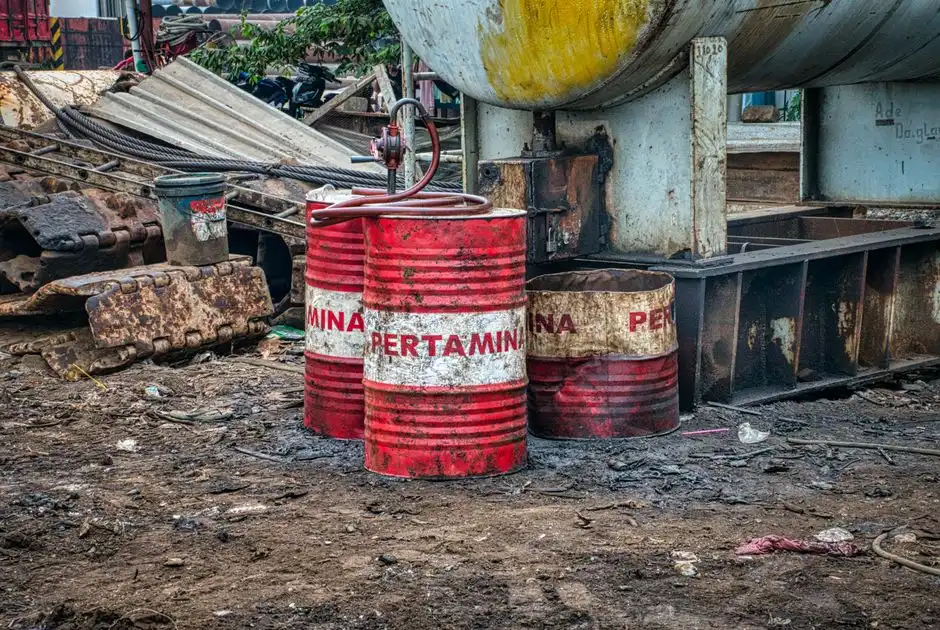
Three capacity tiers cover roughly 95% of Ghanaian industrial inquiries. Each tier below includes equipment, civil works for the 50–1,000 m³/day bands, instrumentation, and commissioning — but excludes the 17.5% Tema Port adder and a separate contingency line.
Lead time runs 8–14 weeks ex-works plus 6–10 weeks sea freight to Tema, so a Ghanaian buyer signing in Q1 2026 should plan for commissioning in Q3 2026 at the earliest. Add 15–25% for engineering, installation, and commissioning on civil-built plants, and 5–10% on skid systems where factory integration is already done.
| Tier | Flow (m³/day) | CAPEX (USD) | Typical construction | Typical buyer |
|---|---|---|---|---|
| 1 — Micro / Small | 5 – 50 | $80,000 – $350,000 | Containerized or skid-mounted, buried package | Clinics, small dairies, hospitality, hospital wards |
| 2 — Mid | 50 – 250 | $350,000 – $1,200,000 | Partial civil works + MBR or SBR | Breweries, food processors, mid-size textile |
| 3 — Large | 250 – 1,000 | $1,200,000 – $4,000,000 | Full civil build, SCADA, automated sludge handling | Municipal, large beverage, mining camps |
An MBR membrane bioreactor system in the 10–2,000 m³/day range is the workhorse for Tier 2 buyers because it delivers BOD ≤30 mg/L and TSS ≤5 mg/L in a single tank — comfortably below the EPA ceiling and avoiding a separate tertiary stage.
OPEX Per Cubic Metre: What the Plant Costs to Run
OPEX is where most Ghanaian buyers get caught. Electricity dominates, because Ghana's industrial tariff sits around $0.11/kWh and aeration alone draws 0.3–0.6 kWh per m³ treated. Chemicals run 15–25% of OPEX (coagulant, polymer, pH adjustment), sludge hauling 15–25%, and labour 10–20%. A dissolved air flotation system ahead of the biological stage cuts chemical consumption by 20–30% on high-oil streams and reduces the downstream sludge load to the plate and frame filter press.
The lifecycle math is unforgiving. A $200,000 plant treating 50 m³/day at $0.30/m³ × 330 operating days × 10 years = $495,000 in OPEX — roughly 2.5× the CAPEX. A $1.5M plant at $0.35/m³ × 500 m³/day × 330 days × 10 years = $5.78M, almost 4× the CAPEX. This is why a 5% efficiency gain on aeration is worth more over 10 years than a 5% discount on the original quotation.
| Treatment type | OPEX (USD/m³) | Removes BOD/ammonia? | Typical Ghana application |
|---|---|---|---|
| Biological (MBR, SBR, activated sludge) | $0.15 – $0.45 | Yes | Breweries, food, municipal |
| Physico-chemical only (DAF + dosing + filter) | $0.08 – $0.18 | No | Palm oil pre-treatment, textile colour removal |
| Anaerobic + aerobic polishing (UASB + MBR) | $0.10 – $0.25 | Yes (low energy) | Palm oil mill, brewery |
| Advanced oxidation + biological | $0.40 – $0.80 | Yes + colour | Textile dye houses |
Cost by Industry: Where Ghanaian Buyers Spend the Most
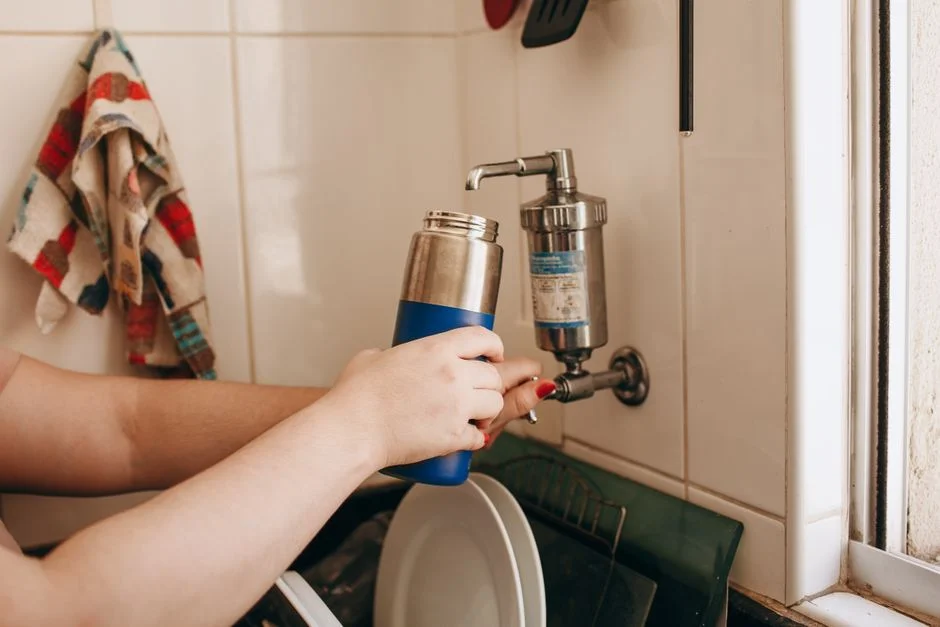
Four industries drive roughly 80% of ETP purchases in Ghana: brewery and beverage, palm oil and food processing, textile, and hospital. Each has a different pollutant signature, which is why identical flow rates produce very different price tags. Mining and oil-and-gas are a fifth, smaller segment with the highest per-m³ cost because of heavy-metal polishing.
| Industry | Typical flow | CAPEX range (USD, 2026) | Treatment train |
|---|---|---|---|
| Brewery & beverage | 200 – 1,500 m³/day | $250,000 – $2,500,000 | UASB or equalisation + MBR |
| Palm oil & food processing | 50 – 500 m³/day | $180,000 – $1,800,000 | Anaerobic pond + DAF + MBR |
| Textile | 100 – 800 m³/day | $300,000 – $3,000,000 | Coagulation + biological + ozone/Fenton |
| Hospital / medical | 5 – 50 m³/day | $60,000 – $250,000 | Equalisation + MBR + chlorine dioxide |
| Mining & oil & gas | 50 – 500 m³/day | $500,000 – $4,000,000 | Lime softening + biological + RO polishing |
For hospitals, pathogen kill is the binding constraint, not BOD, and a packaged medical wastewater unit with integrated chlorine dioxide disinfection generator hits the EPA Ghana microbiological target (E. coli < 100 CFU/100 mL) in a single skid.
7-Point Checklist for Choosing a Ghana ETP Supplier
- EPA Ghana performance guarantee, in writing. BOD ≤50 mg/L and COD ≤250 mg/L on your actual effluent, with liquidated damages for non-compliance. Verbal promises don't survive an Act 490 audit.
- Factory Acceptance Test report. A real BOD/COD removal certificate from the maker's lab, not a brochure. Ask for third-party witnessed FAT video if you cannot attend.
- Tema Port experience and West African reference plant. A supplier who has cleared 10+ containers through Tema in the last 24 months will not stumble on the Ghana Revenue Authority pre-shipment inspection.
- Influent-specific OPEX model. Generic $0.20/m³ numbers are useless. Demand a calculation based on your COD, BOD, NH₃-N, and flow profile.
- Automation level. PLC + remote monitoring cuts operator headcount in a market where skilled ETP operators are scarce in Accra and Kumasi.
- Spare parts lead time. Anything beyond 6 weeks from order to Accra is a production risk; confirm local stocking or regional hub in Lagos or Lomé.
- Commissioning, training, and warranty scope. One-year defects liability, two-week on-site training for your operators, and a service contract option should all be line items — not add-ons at the back end.
Frequently Asked Questions
What is the cheapest ETP for a small Ghanaian factory? A 10 m³/day containerized biological skid from a Chinese OEM lands at US $80,000–$120,000 ex-works, or US $94,000–$141,000 delivered through Tema Port after the 17.5% VAT and NHIL adder. Suitable for clinics, small dairies, and hospitality under 50 m³/day.
How much does a brewery wastewater treatment plant cost in Ghana? A 200–500 m³/day brewery plant with UASB equalisation and MBR polishing runs US $350,000–$900,000 in 2026. A 1,000 m³/day facility with full biogas capture and SCADA reaches US $2.0–2.5 million.
What are the EPA Ghana BOD and COD limits for industrial discharge? EPA Ghana guideline values set BOD ≤50 mg/L, COD ≤250 mg/L, and TSS ≤50 mg/L for inland surface water discharge, and BOD ≤250 mg/L, COD ≤500 mg/L for municipal sewer discharge. These limits are non-negotiable under Act 490.
How long does it take to import and install an ETP in Ghana? Allow 8–14 weeks ex-works manufacturing, 6–10 weeks sea freight to Tema Port, 1–2 weeks customs clearance and inland transport, and 4–8 weeks installation and commissioning. Total from purchase order to compliant discharge is typically 6–9 months.
Do I need a containerized ETP or a civil-built plant? Containerized skids are faster to install (3–6 weeks on site) and cheaper below 50 m³/day. Civil-built plants are more economical above 250 m³/day and easier to expand. The 50–250 m³/day band is a genuine choice — see the containerized wastewater treatment cost guide and the Accra wastewater treatment plant manufacturer guide for head-to-head numbers.
What is the OPEX per cubic metre for MBR versus DAF-only systems in Ghana? MBR systems run $0.20–$0.45/m³ at Ghana's $0.11/kWh industrial tariff; DAF-only physico-chemical trains run $0.08–$0.18/m³ but do not remove dissolved BOD or ammonia and therefore cannot meet EPA Ghana inland discharge limits alone. See the electrocoagulation OPEX breakdown for a third option.