Why Industrial Wastewater Treatment in Kigali Is a 2026 Compliance Priority
Industrial wastewater treatment in Kigali in 2026 must produce effluent meeting Rwanda REMA standards: BOD ≤50 mg/L, COD ≤100 mg/L, TSS ≤50 mg/L, oil/grease ≤10 mg/L, and pH 6–9. Rwanda's environmental oversight has been reorganized under RDMA (Rwanda Development Management Authority) and RSB (Rwanda Standards Board), with effluent limits anchored in Ministerial Order No. 002/2023 and tightened guidance issued through 2024–2026; fecal coliform ≤100 CFU/100 mL is the binding microbiological limit for any food-and-beverage or slaughterhouse facility (per Rwanda Ministerial Order on effluent standards, 2024 in-force parameters). Kigali Industrial Park (KIP) now hosts more than 100 manufacturers across food processing, beverage, textile, packaging, and light chemicals, and most need purpose-built industrial trains sized for COD loads that municipal package plants cannot absorb.
The recurring 2025–2026 failure mode we see in Kigali: a Chinese- or European-made municipal package plant is installed because it was cheap and quick to ship, then red-flagged by a REMA inspector because the biological stage is undersized for FOG surges from coffee wash or brewery effluent, or because there is no A/O nitrogen removal at all. The fix is almost always more expensive than the original equipment. A defensible 2026 design starts with the REMA parameter table, matches it to a sector-specific wastewater profile, and selects a train — MBR, buried WSZ, or DAF-led conventional — that has 20–30% headroom under the limits. For a deeper look at the OPEX math that flows from that train selection, the industrial wastewater plant operating cost breakdown for 2026 covers electricity, chemicals, membranes, and labor line by line.
Kigali Industrial Effluent Standards: 2026 Parameter Table
Every Kigali WTP design should be benchmarked against the same 12-parameter envelope; the table below is the canonical reference for 2026 procurement specs. All limits reflect Rwanda REMA Ministerial Order parameters in force from 2024 onward, with the analytical method cited so the spec can be written directly into a tender.
| Parameter | REMA 2026 Limit | Analytical Method |
|---|---|---|
| BOD₅ | ≤ 50 mg/L | APHA 5210 B (5-day BOD) |
| COD | ≤ 100 mg/L | APHA 5220 B (closed reflux) |
| TSS | ≤ 50 mg/L | APHA 2540 D |
| Oil & grease | ≤ 10 mg/L | APHA 5520 B (partition-gravimetric) |
| Total nitrogen (TN) | ≤ 20 mg/L | APHA 4500-N |
| Total phosphorus (TP) | ≤ 5 mg/L | APHA 4500-P |
| pH | 6.0 – 9.0 | APHA 4500-H⁺ |
| Temperature | ≤ 35 °C at discharge | APHA 2550 |
| Total coliform | ≤ 1,000 / 100 mL | APHA 9222 B |
| Fecal coliform | ≤ 100 / 100 mL | APHA 9222 D |
| Color | ≤ 100 Pt-Co | APHA 2120 C |
| Total residual chlorine | ≤ 0.5 mg/L | APHA 4500-Cl G |
Two numbers drive most of the engineering decisions downstream. Fecal coliform at 100/100 mL is the binding limit for any KIP food-and-beverage or slaughterhouse tenant, and it forces a dedicated disinfection stage after biological treatment. Total nitrogen at 20 mg/L and total phosphorus at 5 mg/L are the parameters that rule out a simple primary-clarifier + aerobic lagoon design; you need an A/O or A²/O biological stage with a real nitrification–denitrification cycle. Rwanda is also tightening toward EU BAT-AEL ranges by 2030, so any 2026 design should target 20–30% headroom below the current limits to avoid a near-term retrofit.
Wastewater Profiles by Sector: Coffee, Brewery, Textile, and Mining
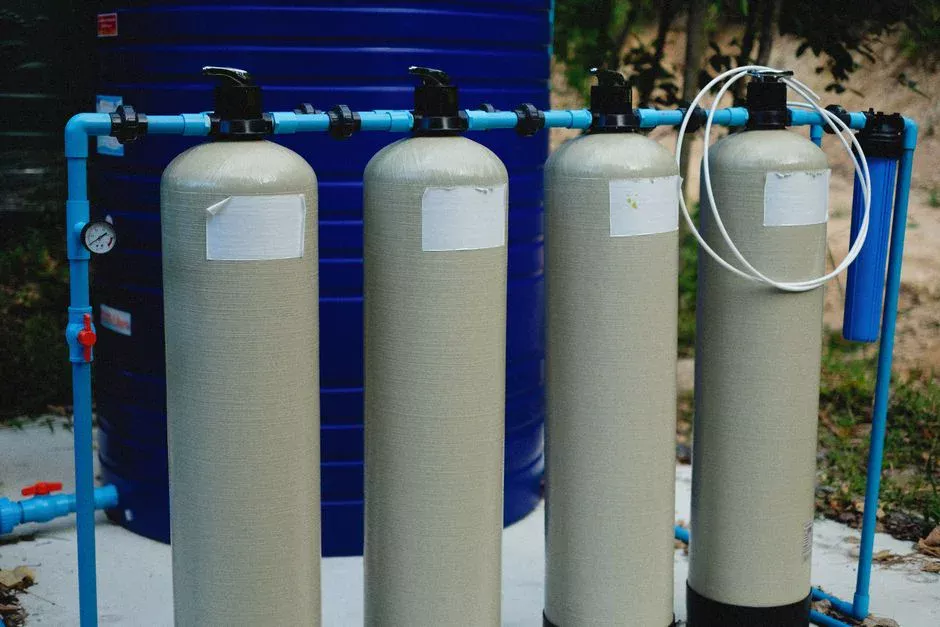
Sizing a biological stage without characterizing the influent is the most common cause of Kigali WTP underperformance. The four dominant industrial profiles at KIP and the surrounding Special Economic Zones are coffee wet-processing, brewery, textile, and mining/quarrying. Each has a distinct loading envelope and a different upstream unit operation.
| Sector | BOD (mg/L) | COD (mg/L) | TSS (mg/L) | pH | Key Constraint |
|---|---|---|---|---|---|
| Coffee wet-processing | 3,000 – 8,000 | 6,000 – 15,000 | 1,500 – 3,500 | 4.0 – 5.5 | High organics, acidic, FOG from mucilage |
| Brewery | 1,200 – 2,500 | 2,500 – 5,000 | 800 – 1,500 | 4.5 – 7.0 | 30 – 40 °C, intermittent FOG surges |
| Textile | 200 – 600 | 800 – 3,000 | 200 – 600 | 9 – 11 | Color 500 – 2,000 Pt-Co, sulfide risk |
| Mining / quarrying | < 50 | < 200 | 5,000 – 50,000 | 6 – 8 | Metals (Fe, Mn, sometimes Cu) |
Coffee wash effluent is the hardest of the four: a low-pH, high-COD stream with suspended mucilage that swings from 6,000 to 15,000 mg/L of COD across a single pulping day. The correct train is pH correction with NaOH or lime, a high-rate anaerobic stage (UASB or IC) for BOD reduction, and a polishing MBR to reach the 50 mg/L BOD ceiling. Brewery effluent is well-suited to MBR, with DAF pre-treatment handling the 30–40 °C FOG surges before biology. Textile streams need coagulation + a dissolved air flotation system for color and TSS, then biological treatment, then a polishing decolorization stage. Mining effluent is fundamentally a TSS problem: a HydropureWater lamella clarifier running at 20–40 m/h surface loading rates, with 30% chemical savings versus conventional clarifiers, followed by RO polishing when the water is targeted for reuse.
Choosing the Right Treatment Train: MBR vs Package STP vs DAF + Conventional
The right train in Kigali is a function of flow rate, land availability, and the variability of the influent — not the latest technology trend. Three configurations cover roughly 90% of KIP projects. A submerged PVDF containerized MBR membrane bioreactor with 0.1 μm pore size is the correct answer when the plant is land-constrained and reuse-quality effluent is needed; MBR systems in the 10–2,000 m³/day range run 60% smaller than conventional activated sludge, filter to sub-micron, and consume 10–20× less energy than external cross-flow designs. A buried WSZ package sewage treatment plant in the 1–80 m³/h range, configured for A/O biological contact oxidation and fully automated, is the correct answer for small-to-medium factories, food courts, or hospital adjuncts where no on-site operator is available; the buried envelope cuts civil works cost because the structure doubles as the foundation slab. A DAF + conventional activated sludge + clarifier train is the right answer for FOG- and TSS-heavy streams (food, slaughterhouse, dairy) where the DAF protects downstream biology.
| Train | Flow Range | Footprint | CAPEX / m³/day | Effluent Quality | Operator Skill |
|---|---|---|---|---|---|
| MBR (containerized) | 10 – 2,000 m³/day | 60% of conventional | $220 – $480 | BOD < 5 mg/L, reuse-ready | Moderate (membrane CIP) |
| WSZ buried package | 1 – 80 m³/h (24 – 1,920 m³/day) | Buried, zero surface | $180 – $340 | BOD ≤ 30 mg/L, fecal coliform with disinfection | Low (automated) |
| DAF + conventional AS | 20 – 1,000 m³/day | 100% baseline | $150 – $280 | BOD ≤ 30 mg/L, TSS ≤ 30 mg/L | High (sludge wasting, FOG control) |
For full MBR engineering specs — flux rates, MLSS targets, aeration intensity, and CIP intervals — the MBR membrane bioreactor specifications for 2026 is the companion reference. For mining and other metals-bearing streams, the relevant parameters are mapped in the heavy metals discharge standard 2026.
Disinfection, Sludge Handling, and Reuse Polishing for Kigali Plants
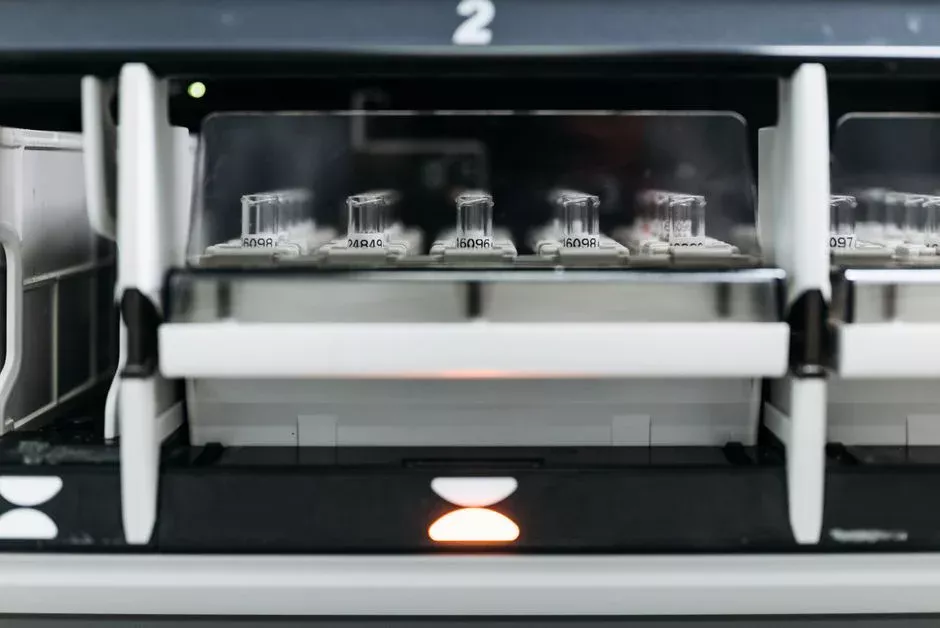
Meeting the 100 CFU/100 mL fecal coliform limit and the 50 mg/L TSS ceiling is not the end of the design — it is the gate to three downstream decisions: disinfection chemistry, sludge dewatering, and whether the effluent is discharged or polished for reuse. For disinfection, a chlorine dioxide generator sized from 50 g/h to 20,000 g/h is the most reliable choice in Kigali because sodium hypochlorite loses 25–30% of its available chlorine within weeks of arrival in 25–30 °C ambient storage, and ClO₂ remains effective across the 6–9 pH range with no trihalomethane formation; the unit is compliant with WHO drinking-water guidelines and EU 98/83/EC. UV and ozone work, but UV lamp life halves at ambient Kigali temperatures without air-conditioning on the lamp housing, and ozone generator power draw is sensitive to the grid stability that the REMA inspector will also be checking.
Sludge dewatering at the 50–500 kg DS/day scale typical of KIP tenants is best served by a plate and frame filter press with 1–500 m² filtration area in manual, hydraulic, or PLC configurations; cake dryness reaches 60–70% DS, which is suitable for off-site composting or co-landfill disposal under REMA solid-waste rules. If the factory is targeting boiler-feed or cooling-tower make-up reuse, the polishing train is a multi-media filter running to SDI ≤ 3, followed by RO. Without the multi-media step, RO membranes foul within 4–6 weeks at Kigali feed-water quality.
2026 CAPEX and OPEX Benchmarks for Kigali Industrial WTP Projects
For procurement readers, the numbers below are the anchor for 2026 budgeting. They reflect a containerized MBR train priced at Chinese ex-works (FOB) plus CIF Mombasa or Dar es Salaam plus inland transit to Kigali, with 2026 logistics premia included.
| Capacity | CAPEX (USD per m³/day) | Civil Works Share | OPEX (USD per m³ treated) |
|---|---|---|---|
| 50 m³/day | $320 – $480 | 25 – 30% | $0.35 – $0.45 |
| 200 m³/day | $260 – $360 | 20 – 25% | $0.22 – $0.32 |
| 500 m³/day | $220 – $310 | 15 – 20% | $0.18 – $0.26 |
OPEX at every scale is dominated by electricity at 60–70%, followed by chemical dosing at 15–20% (polymer for the DAF, NaOH for pH correction, sodium citrate or methanol if denitrification carbon is short), membrane replacement at 5–10% (PVDF modules typically run 5–7 years), and labor at 10%. Containerized systems save 30–40% on civil works versus in-ground construction in Kigali because lateritic soils in and around KIP are expensive to excavate and slow to stabilize; a skid-mounted MBR arrives with internal piping, instruments, and PLC pre-commissioned. The detailed OPEX line items and a 5-year TCO sensitivity are in the industrial wastewater plant operating cost breakdown for 2026.
Procurement and Logistics Roadmap for a Kigali Plant Buyer
A 6-step path from influent sample to commissioned plant avoids the most common Kigali procurement failures — undersized biology, missing disinfection, and CIF quotes that omit inland transit. The 2026 logistics baseline is 35–45 days Chinese ex-works fabrication, 30 days sea freight to Dar es Salaam or Mombasa, and 14–21 days inland transit to Kigali by bonded truck; plan for 60–75 days total from purchase order to site delivery.
- Characterize the influent: 7-day composite sampling across two full production cycles, with grab samples on FOG surge days. This locks the MBR/DAF sizing and the design BOD/COD loading.
- Confirm the REMA permit pathway: RDB-anchored environmental clearance review runs 6–10 weeks in 2026; submit the project brief and influent data before placing equipment orders.
- Shortlist 2–3 suppliers with both WTP design and containerized fabrication capability: reject vendors that quote only equipment without a process guarantee, because the REMA permit is held by the factory, not the vendor.
- Lock the logistics chain: confirm CIF Dar es Salaam + inland transit to Kigali, bonded warehousing, and KIP gate-entry permits before the PO is signed.
- Hold a factory acceptance test (FAT) on skidded systems before shipment: non-negotiable for containerized MBR modules, where rework in Kigali is 3–5× the cost of rework in the fabrication shop.
- Commission, train, and warranty: on-site commissioning by the supplier's engineer, 2-week operator training, and a 12-month performance warranty tied to the BOD/COD/TSS/fecal coliform numbers in the contract. Specify an automatic chemical dosing system sized to the design flow, because manual dosing is the single largest cause of permit excursions in the first 12 months of operation.
Frequently Asked Questions
What are the Rwanda REMA effluent limits for BOD and COD in 2026? BOD ≤ 50 mg/L and COD ≤ 100 mg/L, per the Rwanda Ministerial Order on effluent standards in force from 2024; analytical methods are APHA 5210 B (BOD) and APHA 5220 B (COD), and fecal coliform ≤ 100 CFU/100 mL is the binding microbiological limit for food-and-beverage facilities.
How much does a 200 m³/day industrial wastewater treatment plant cost in Kigali? A 2026 containerized MBR train in the 200 m³/day class runs $260–$360 per m³/day CAPEX (roughly $52,000–$72,000 total) and $0.22–$0.32 per m³ OPEX, with containerization cutting 30–40% off civil works versus in-ground construction in Kigali's lateritic soils.
Which treatment technology is best for brewery wastewater in Kigali? A DAF pre-treatment stage followed by a containerized MBR is the standard 2026 selection for brewery effluent at 1,200–2,500 mg/L BOD and 2,500–5,000 mg/L COD; the DAF removes FOG surges and protects the membrane, and the MBR delivers BOD < 5 mg/L with a 60% smaller footprint than conventional activated sludge.
Do I need a discharge permit to operate a WTP at Kigali Industrial Park? Yes — KIP tenants require an RDB-anchored environmental clearance and a REMA discharge permit; 2026 review timelines run 6–10 weeks from submission, and the permit is held by the factory, so undersized or non-compliant biology becomes the factory's liability, not the supplier's.
Can treated wastewater be reused for irrigation in Rwanda? Treated wastewater can be reused for landscape irrigation and, with multi-media filtration plus RO polishing, for cooling-tower make-up; the limiting parameters for unrestricted irrigation are fecal coliform ≤ 100 CFU/100 mL and BOD ≤ 50 mg/L, both of which a properly designed MBR train clears at the outlet before any reuse-specific polishing.