Why Cyanide Removal Technology Selection Matters in 2026
A gold operation in Western Australia learned the hard way in early 2025 that "compliant design" on paper is not the same as compliant effluent: their alkaline chlorination train consistently held free CN below the USEPA 0.02 mg/L limit for precious-metals mining during commissioning, but shifted to 0.08–0.12 mg/L once seasonal runoff thiocyanate (SCN⁻) spikes arrived, triggering a Notice of Violation. That failure illustrates the central truth: the best technology for cyanide removal is dictated less by brand and more by influent speciation and the specific discharge number you must hit.
Free cyanide (HCN and CN⁻) is the acutely toxic fraction. Weak acid dissociable (WAD) cyanide adds species that liberate HCN at pH ≤ 6, including most Cu, Ni, and Zn complexes. Total cyanide — measured after strong-acid digestion — additionally captures ferricyanide and other refractory complexes. Thiocyanate, a metabolic byproduct of cyanidation, is not in the free-CN count but carries its own toxicity and ammonia loading when oxidized. Each technology treats a different slice of this pie.
The regulatory targets you must clear in 2026:
- USEPA 40 CFR Part 440: 0.02 mg/L free CN (precious-metals segment) and 1.0 mg/L total CN 24-hr maximum (non-precious segments), per the 2024 effluent guidelines framework still in force.
- EU Drinking Water Directive 98/83/EC: 50 µg/L total CN.
- WHO drinking water guideline: 0.07 mg/L total CN.
- China GB 8978-1996, first-class: 0.5 mg/L total CN — still the reference benchmark in Asian heavy industry, even where newer local standards layer on additional ammonia and SCN limits.
Alkaline Chlorination: The Workhorse for Mid-to-High Strength Streams
Alkaline chlorination has been the default cyanide destruction process in mining and electroplating since the 1970s, and remains the most widely installed unit operation worldwide for total CN above 50 mg/L. The chemistry is a two-stage oxidation: at pH 11, dosed Cl₂ (or NaOCl) oxidizes CN⁻ to cyanate (CNO⁻); the reactor is then dropped to pH 8.5 where cyanate hydrolyzes to CO₂ and NH₃. The standard stoichiometry is 2.73 kg Cl₂ per kg CN⁻ oxidized, with an additional 2–3 kg NaOH per kg CN⁻ for pH control in the first stage — meaning chemical OPEX is dominated by the oxidant and the caustic.
Performance envelope is well-characterized: influent total CN of 100–500 mg/L reliably drops to below 0.5 mg/L, with free CN consistently under the 0.02 mg/L USEPA precious-metals number when ORP is held at +300 to +350 mV in stage 1. CAPEX for a 500 m³/d train runs USD 200,000–600,000 in 2026 (process skids, tanks, instrumentation, and a PLC-controlled chemical dosing system).
Where chlorination falls short: it is largely ineffective on ferricyanide [Fe(CN)₆]³⁻, which requires extended chlorination at 10–15:1 Cl₂:CN ratios, and it does not destroy thiocyanate without driving pH above 12 and pushing ORP past +500 mV for hours. Effluent carries 100–300 mg/L chloride per mg CN destroyed, which can push receiving waters over reuse or discharge TDS limits, and a persistent total residual oxidant that must be quenched with SO₂ or H₂O₂ before discharge.
INCO SO₂/Air and AVR: Tailings and Concentrate Solutions
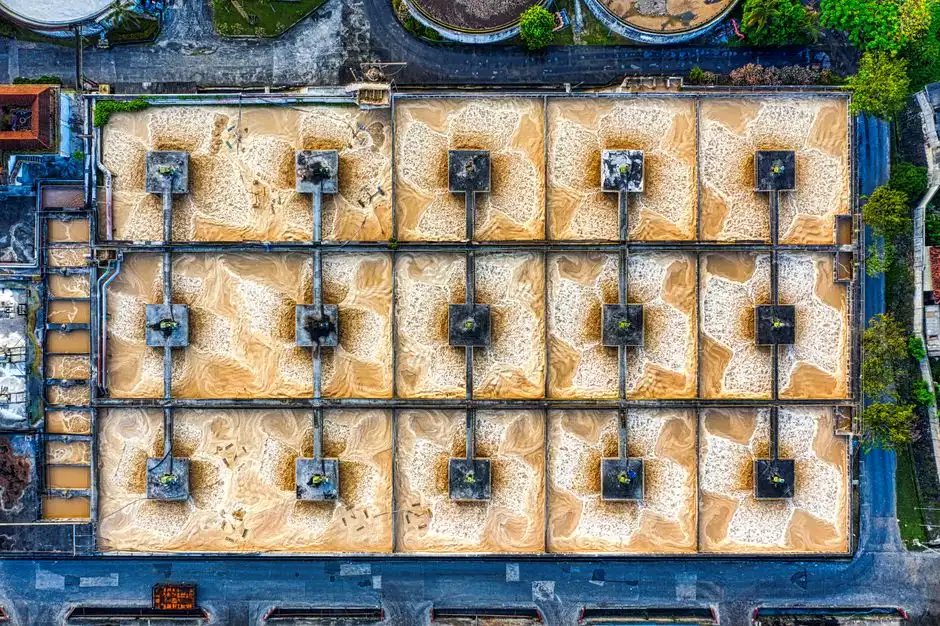
The INCO SO₂/air process, developed at the Inco Copper Cliff refinery and now standard across the gold sector, is the only true destruction-on-ore method for whole-ore tailings. SO₂ (usually from a sodium metabisulfite solution or liquid SO₂) is dosed into a slurry at pH 8–10 with dissolved Cu²⁺ as catalyst, and air sparged through agitated tanks. Reaction: CN⁻ + SO₂ + O₂ → CNO⁻ → CO₂ + NH₄⁺. Residence time is 1–2 hours, and destruction efficiency exceeds 99% for both WAD and total CN on slurries up to 40% solids.
Acidification–volatilization–reneutralization (AVR) is the solution-stream cousin. The process drops pH to about 2 with H₂SO₄, stripping HCN gas from solution in a packed tower; the gas is re-absorbed into NaOH, recovering 80–95% of the cyanide as NaCN for reuse in the leach circuit, and the stripped water is then treated with Cl₂ or H₂O₂ to polish residual CN below 0.1 mg/L. AVR is the right answer when the project can absorb the CAPEX and the value of recovered cyanide justifies it.
Typical 2026 CAPEX: USD 2,000,000–8,000,000 for a 1,000 m³/d INCO train including SO₂ storage and slurry agitators; AVR adds roughly USD 1.5–3 million for the absorption loop. OPEX for INCO is dominated by Na₂S₂O₅ (USD 600–900 per tonne) at 4–5 kg per kg CN destroyed.
Biological Treatment: Low-Strength Polishing and Thiocyanate
For low-CN streams (5–30 mg/L) and especially for thiocyanate polishing, biological treatment has become the 2026 default. Acclimated microbial consortia — primarily Pseudomonas, Acinetobacter, and Thiobacillus species — oxidize free CN to CO₂ and NH₃ and degrade SCN to sulfate, ammonia, and CO₂ in a single pass. The pathway gives <1.0 mg/L SCN and <0.1 mg/L total CN on a 5–30 mg/L free-CN influent, with BOD reduced 60–80% as a bonus.
Three reactor formats dominate the field. Rotating biological contactors (RBCs) handle small flows of 50–200 m³/d with low operator attention. Moving bed biofilm reactors (MBBRs) scale to 5,000 m³/d and tolerate hydraulic surges. Activated-sludge with acclimated biomass, coupled to an MBR membrane bioreactor for biomass separation, hits the tightest residuals and is the workhorse where discharge must clear the EU 50 µg/L total CN number.
The engineering caveats are real: startup requires 30–60 days of biomass acclimation, pH must stay in the 6.5–9.0 window, dissolved oxygen above 2 mg/L, and temperature above 10 °C. Sudden spikes of free CN above 50 mg/L or incoming metal loads (Cu, Ni > 20 mg/L) will slug the biomass. A sedimentation stage ahead of the bioreactor is essential — for high-solids or metal-rich feeds, a high-efficiency sedimentation tank protects the biomass and prevents washout.
Hydrogen Peroxide, Caro's Acid, and Wet Air Oxidation
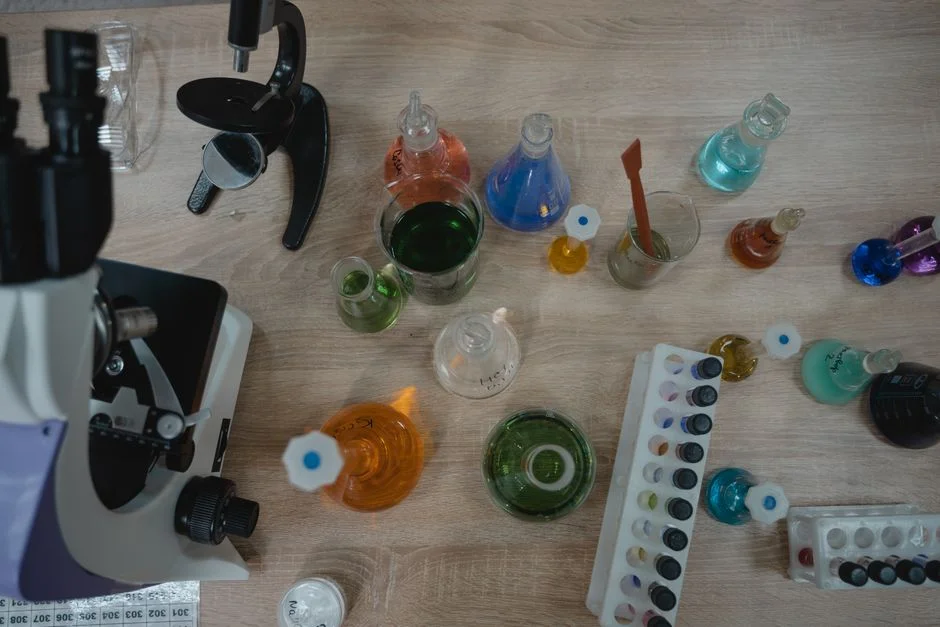
When the discharge permit restricts chlorinated byproducts — common in electroplating shops and electronics facilities — hydrogen peroxide is the cleaner alternative. At pH 9–10 with Cu²⁺ or formaldehyde catalyst, H₂O₂ oxidizes free CN to cyanate and onward to CO₂/NH₃ at 95–99% efficiency on influents below 100 mg/L. Dosing is 2.5–3.5 kg H₂O₂ (50%) per kg CN destroyed; the effluent carries no chloride and only dissolved oxygen and water as byproducts.
Caro's acid (H₂SO₅, generated in-line from H₂O₂ + H₂SO₄) reacts faster than H₂O₂ alone — cyanide conversion in under 30 minutes — and is the process of choice for electroplating rinsewater where contact time in the equalization tank is short. It does require careful pH control between 9.5 and 10.5 and adds sulfate to the discharge.
Wet air oxidation (WAO) is the high-pressure answer for refractory streams. Operating at 200–300 °C and 70–150 bar, WAO destroys 99% of total CN including metal-cyanide complexes, with zero chemical residues beyond the dissolved metals. CAPEX is steep — USD 3,000,000–10,000,000 for a 500 m³/d system — but for sites where chlorinated byproducts are a permit issue and the stream carries chelated complexes, WAO is the cleanest fit. Engineers comparing it against other advanced oxidation processes (AOPs) for cyanide will find WAO at the high-CAPEX, high-resilience end of the spectrum.
Head-to-Head Process Comparison Matrix
The table below condenses the operating envelope for each process. Use it as a 30-second screen before opening vendor datasheets.
| Process | Influent CN range (mg/L) | Effluent total CN (mg/L) | Operating pH | Residence time | Key chemical / energy | OPEX (USD per kg CN destroyed) | Primary limitation |
|---|---|---|---|---|---|---|---|
| Alkaline chlorination | 50–5,000 | <0.5 | 11 → 8.5 (two-stage) | 30–60 min per stage | 2.73 kg Cl₂ + 2–3 kg NaOH | 2.50–4.00 | High chloride load; poor on SCN⁻ and Fe(CN)₆ |
| INCO SO₂/air | 50–500 (slurry or solution) | <0.5 | 8–10 | 1–2 h | 4–5 kg Na₂S₂O₅ + air | 1.80–3.00 | CAPEX; SO₂ handling |
| AVR + Cl₂ polish | 100–1,000 | <0.1 | 2 → 11 → 8.5 | 2–4 h total | H₂SO₄ + NaOH + Cl₂ | 3.00–5.00 (offset by NaCN recovery) | CAPEX; HCN gas safety |
| Biological (MBBR/MBR) | 5–30 | <0.1 | 6.5–9.0 | 6–24 h | Acclimated biomass, air | 0.80–1.50 | Acclimation; shock sensitivity |
| H₂O₂ + Cu²⁺ catalyst | 10–100 | <0.5 | 9–10 | 1–2 h | 2.5–3.5 kg H₂O₂ (50%) | 3.50–5.50 | H₂O₂ cost; poor on metal-CN complexes |
| Caro's acid (H₂SO₅) | 10–200 | <0.3 | 9.5–10.5 | <30 min | Inline H₂O₂ + H₂SO₄ | 4.00–6.00 | Sulfate addition; reagent instability |
| Wet air oxidation | 50–1,000 (incl. complexes) | <0.2 | 2–11 | 30–90 min | 200–300 °C, 70–150 bar | 2.00–3.50 | CAPEX; high-pressure safety |
| RO / nanofiltration (polish) | <5 (post-pretreatment) | <0.05 | 6–9 | Continuous | Membrane + CIP chemicals | 1.50–2.50 | Not a primary destruction step; concentrate disposal |
CAPEX bands for a 500 m³/d train, 2026 installed cost in USD:
| Process | CAPEX range (USD) |
|---|---|
| Alkaline chlorination | 200,000–600,000 |
| INCO SO₂/air | 1,500,000–5,000,000 |
| AVR + Cl₂ polish | 3,000,000–8,000,000 |
| Biological (MBBR + MBR) | 800,000–2,500,000 |
| H₂O₂ with catalyst | 400,000–1,200,000 |
| Wet air oxidation | 3,000,000–10,000,000 |
| RO polish (post-treatment) | 500,000–1,500,000 (see industrial RO system spec) |
RO and nanofiltration are not primary destruction steps — they concentrate CN in a brine stream for recycle or destruction elsewhere. Use them as a final polish ahead of water reuse, not as a stand-alone answer.
Choosing the Right Train: A 2026 Decision Framework
Step 1 — Measure speciation. Run free, WAD, and total cyanide on a 24-hour composite, plus SCN⁻ and the metal-cyanide complexes you actually carry (Fe, Cu, Ni, Zn). Do not skip this; one missed species can flip your technology choice.
Step 2 — Match to the limit. If the discharge is the USEPA 0.02 mg/L free-CN number, alkaline chlorination to ORP +300 mV or INCO SO₂/air will get there. For EU 50 µg/L total CN, plan on a two-stage train — chlorination or INCO primary plus an MBR polishing reactor — or chlorination followed by an industrial RO system. For water reuse, RO polish is essentially mandatory.
Step 3 — Screen on side constraints. If your discharge permit caps chloride at 250 mg/L, chlorination is off the table above ~50 mg/L CN. If ammonia is capped, biological alone cannot be the final step — add breakpoint chlorination or an ion-exchange polisher. If chlorinated organic byproducts are restricted (common in electronics and some EU sites), H₂O₂ or WAO is the path.
Step 4 — Screen on cost. Free CN above 500 mg/L → INCO or AVR. 50–500 mg/L → chlorination. 5–50 mg/L → chlorination or H₂O₂. Below 30 mg/L → biological or H₂O₂. For a final pH/Cl₂ trim or a flotation step ahead of biological treatment, a micro-bubble flotation for metal-cyanide complexes ahead of the reactor will protect the biomass and improve SCN removal by 15–25%. Where a small footprint DAF is required, look at a dissolved-air flotation unit ahead of the polishing reactor.
Frequently Asked Questions
What is the best technology for cyanide removal in mining effluents above 100 mg/L?
Alkaline chlorination and INCO SO₂/air are the two proven options. Both drop total CN from 100–500 mg/L to under 0.5 mg/L, with free CN reliably under the USEPA 0.02 mg/L number when ORP is controlled at +300 to +350 mV. INCO has lower chemical OPEX but 3–5× the CAPEX of chlorination.
Can biological treatment hit the 50 µg/L EU total-CN drinking-water standard?
Yes, on a properly acclimated MBR train with influent total CN in the 5–30 mg/L range. Typical MBR effluent is 20–80 µg/L total CN, which clears the EU 98/83/EC limit after a final 0.1–0.2 mg/L free-CN trim via chlorination or H₂O₂.
Why does chlorination fail on thiocyanate?
SCN⁻ is kinetically slow to oxidize at the pH 11 → 8.5 chlorination envelope. Breaking it requires holding pH above 12 with ORP above +500 mV for 4–6 hours, or running an extended chlorination at 10–15:1 Cl₂:CN. Most operators route SCN to a biological reactor instead, where Thiobacillus species convert it to sulfate and ammonia under aerobic conditions.
How is free cyanide measured in the field?
Standard methods USEPA 335.4 (titrimetric) and OIA-1677 (flow injection amperometry) report free CN at pH 6 with ligand exchange. WAD CN uses USEPA 335.2 with a weak-acid distillation. Total CN requires acid digestion (USEPA 335.3) to break metal-cyanide complexes before detection.
What is the cheapest cyanide removal process for a 200 m³/d electroplating rinse stream at 20 mg/L free CN?
Biological treatment — typically an MBBR or MBR train — is the lowest OPEX option at USD 0.80–1.50 per kg CN destroyed, with CAPEX around USD 800,000–1,200,000. For tighter residuals (under 0.05 mg/L total CN) or a reuse loop, follow the biological stage with an industrial RO system and a final PLC-controlled chemical dosing system for trim chlorination.