Why SO₂ Scrubbers Matter: The Regulatory and Operational Stakes in 2025
Global SO₂ emission limits vary significantly, with the EU Industrial Emissions Directive 2010/75/EU setting thresholds at 200 mg/Nm³, while China's GB 13223-2011 mandates stricter limits of 50–200 mg/Nm³ depending on facility type, and U.S. EPA NSPS for new coal plants targets 0.15 lb/MMBtu. These stringent regulations are not merely guidelines; non-compliance carries severe financial and operational consequences. For instance, a U.S. refinery faced a $1.2M fine in 2023 due to repeated SO₂ exceedances, as documented by EPA enforcement data. Beyond penalties, the human cost is substantial: SO₂ contributes to 4.2 million premature deaths annually worldwide (WHO 2023), driving increasingly stricter enforcement and public pressure for cleaner air. From an operational standpoint, uncontrolled SO₂ in flue gas is highly corrosive, leading to premature degradation of boilers, ductwork, and stack linings, costing mid-sized power plants an estimated $500K–$2M/year in repairs and downtime (EPRI 2024). Implementing an effective SO₂ scrubber system is therefore not just a compliance measure but a critical investment in operational longevity and public health.
| Region/Standard | Typical SO₂ Emission Limit | Notes |
|---|---|---|
| EU Industrial Emissions Directive (2010/75/EU) | 200 mg/Nm³ | For large combustion plants (LCPs) |
| China GB 13223-2011 | 50–200 mg/Nm³ | Varies by industry and facility type, often stricter for new plants |
| U.S. EPA NSPS (New Source Performance Standards) | 0.15 lb/MMBtu | For new coal-fired power plants |
| U.S. EPA NAAQS (National Ambient Air Quality Standards) | 75 ppb (1-hour standard) | Ambient air concentration, driving facility-level limits |
SO₂ Scrubber Systems vs Alternatives: How Each Technology Works
Wet scrubbers, particularly limestone flue gas desulfurization (FGD) systems, remove 90–99% of SO₂ by contacting flue gas with an alkaline slurry. In a typical wet FGD system, flue gas enters an absorber tower where it is sprayed with a slurry, most commonly composed of finely ground limestone (CaCO₃) and water. The SO₂ reacts with the calcium carbonate to form calcium sulfite, which is then oxidized to calcium sulfate (gypsum). This gypsum is a valuable byproduct in some regions, used in construction materials. Wet scrubbers are highly effective for high-SO₂ streams, often exceeding 2,000 ppm, and can also co-capture 90–95% of total suspended solids (TSS) (Top 4 research). A simplified flow diagram involves flue gas entry, slurry contact, mist elimination, and treated gas exit, with slurry recycling and byproduct removal. HydropureWater’s integrated wet FGD scrubber system exemplifies this robust approach.
Dry scrubbers, encompassing Spray Dry Absorbers (SDA) and Dry Sorbent Injection (DSI), offer a different approach with lower water usage. SDAs introduce a fine mist of alkaline slurry (typically hydrated lime or sodium carbonate) into a spray dryer. The hot flue gas rapidly evaporates the water, leaving a dry reaction product and unreacted sorbent. This dry particulate matter, containing SO₂ reaction products, is then collected downstream by a high-efficiency baghouse for dry scrubber particulate control. DSI systems directly inject a dry sorbent (e.g., trona, hydrated lime, or sodium bicarbonate) into the flue gas ductwork, where it reacts with SO₂ at elevated temperatures (typically 120–180°C). The reaction products and unreacted sorbent are subsequently captured by a baghouse or electrostatic precipitator (ESP). Dry scrubbers generally achieve 94–98% SO₂ removal at these optimal temperatures (Top 3 study).
Semi-dry scrubbers, such as circulating fluidized bed (CFB) absorbers, blend aspects of both wet and dry systems. In a CFB, dry sorbent (usually hydrated lime) is injected into a circulating bed where it reacts with SO₂ in the presence of a small amount of water, which is added to enhance reactivity. The reaction products and unreacted sorbent are removed as a dry powder, offering 95–97% SO₂ removal rates. This hybrid approach often provides a balance between efficiency and simpler waste handling.
Alternatives like baghouses and electrostatic precipitators (ESPs) are crucial for particulate matter control but lack inherent SO₂ removal capabilities. Baghouses achieve over 99% TSS removal by filtering flue gas through fabric bags, while ESPs remove 90–99% of particulates using electrostatic forces. These technologies are complementary to SO₂ scrubbers, often installed downstream of dry or semi-dry systems to capture the dry reaction products, but they are not standalone solutions for SO₂ control.
Efficiency Showdown: SO₂ Removal Rates by System and Operating Conditions
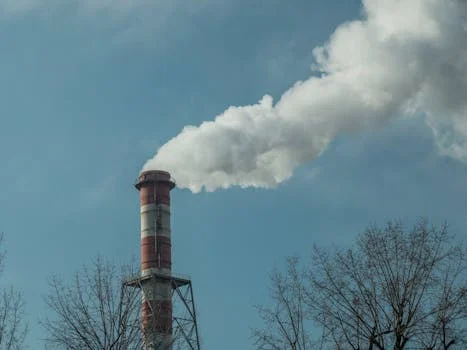
Wet limestone FGD systems consistently achieve 99% SO₂ removal efficiency at inlet concentrations up to 2,000 ppm and operating temperatures between 50–60°C, producing gypsum as a byproduct. This high performance, even with fluctuating inlet SO₂ levels, is a primary reason for their global dominance. However, the efficiency of SO₂ scrubber systems is highly dependent on the specific technology, sorbent type, and operating conditions, particularly temperature and inlet SO₂ concentration. For instance, a 500 MW coal plant with a 3,000 ppm SO₂ inlet achieved 98.5% removal using a wet FGD system (EPA case study).
| Scrubber Type | Typical Inlet SO₂ (ppm) | Operating Temperature (°C) | Sorbent Type | Typical SO₂ Removal (%) | Primary Byproduct |
|---|---|---|---|---|---|
| Wet Limestone FGD | 500 - 4,000+ | 50 - 80 | Limestone (CaCO₃) | 90 - 99 | Gypsum (CaSO₄·2H₂O) |
| Dry Spray Dry Absorber (SDA) | 200 - 2,500 | 120 - 180 | Hydrated Lime (Ca(OH)₂), Sodium Carbonate (Na₂CO₃) | 85 - 95 | Dry calcium salts, unreacted sorbent |
| Dry Sorbent Injection (DSI) | 50 - 1,500 | 120 - 180 | Trona, Hydrated Lime, Sodium Bicarbonate | 70 - 94 | Dry calcium/sodium salts, unreacted sorbent |
| Semi-dry (CFB) | 500 - 3,000 | 100 - 150 | Hydrated Lime (Ca(OH)₂) | 95 - 97 | Dry calcium salts |
Temperature sensitivity is a critical factor. Dry scrubbers generally require higher operating temperatures to ensure efficient sorbent reactivity and complete water evaporation. Below 120°C, sorbents like trona lose significant efficiency, while hydrated lime systems often require temperatures above 150°C. Conversely, wet scrubbers operate at lower temperatures, typically 50–80°C, but often necessitate reheating the flue gas before stack exit to prevent plume visibility and acid condensation. Sorbent performance also varies; trona achieves 94% removal at 120°C (Top 3 study), but hydrated lime is generally cheaper at approximately $150/ton compared to trona's $300/ton, influencing operational expenditure. Sodium bicarbonate can offer even higher removal efficiencies for dry systems but at a greater cost.
Particulate co-capture capabilities also differ. While wet scrubbers effectively remove 90–95% of TSS (Top 4 research), dry scrubbers rely heavily on downstream particulate control devices. When paired with a high-efficiency baghouse for dry scrubber particulate control, dry systems can achieve over 99% TSS removal (Top 1 research). This means that for comprehensive air pollution control targeting both SO₂ and particulates, the overall system design must account for the specific strengths and weaknesses of each technology.
Cost Comparison: CAPEX, OPEX, and Lifecycle Costs per Ton of SO₂ Removed
Capital expenditures (CAPEX) for wet FGD systems typically range from $200–$400/kW for a 500 MW power plant, requiring a footprint of approximately 1,000 m². These costs include the absorber tower, pumps, tanks, reagent preparation, and byproduct handling systems. Dry scrubber systems, particularly SDAs, generally have a lower CAPEX, often 10-20% less than wet systems, due to simpler equipment and no need for extensive wastewater treatment infrastructure. However, their operational expenditure (OPEX) can be higher due to increased sorbent consumption.
| System Type | Capacity (MW) | Installed CAPEX ($/kW) | Typical Footprint (m²) |
|---|---|---|---|
| Wet Limestone FGD | 100 - 1000+ | $200 - $400 | 800 - 2,500 |
| Dry Spray Dry Absorber (SDA) | 50 - 500 | $150 - $350 | 500 - 1,500 |
| Dry Sorbent Injection (DSI) | 20 - 200 | $100 - $250 | 300 - 1,000 |
| Semi-dry (CFB) | 50 - 500 | $180 - $380 | 600 - 1,800 |
Operational expenditures are a critical component of the total cost of ownership. For wet FGD systems, OPEX often includes reagent costs (limestone, typically $1.2M/year for a mid-sized plant, or $1–$3/ton of SO₂ removed), significant water usage (50–100 m³/h for a 500 MW plant), power consumption (20–40 kWh/ton SO₂ removed), labor (3-5 full-time equivalents, FTEs), and maintenance (2–4% of CAPEX annually). Hidden costs for wet systems also include wastewater treatment solutions for wet scrubber byproducts, which can range from $0.50–$2/m³, and gypsum disposal costs, typically $20–$50/ton if not valorized. For dry systems, while water usage is significantly lower (up to 90% less than wet systems), sorbent costs can be higher due to the need for more reactive or higher-purity materials, and power consumption for fans and sorbent injection can be substantial. A 300 MW plant reportedly saved $1.8M/year by switching from wet to dry scrubbers due to lower water costs and simpler waste handling (EPRI 2023).
To evaluate the true economic impact, facility engineers and procurement teams should consider the lifecycle cost per ton of SO₂ removed. A simplified formula for Net Present Value (NPV) over a 10-year period can be approximated as: NPV = CAPEX + (Annual OPEX × 10) / (Annual SO₂ Removed × 10). This calculation helps compare the long-term financial viability of different systems, factoring in the initial investment against ongoing operational expenses. For a more detailed breakdown of such calculations, consider exploring industrial wastewater treatment plant cost analysis. Additional considerations for dry systems include the cost and footprint for sorbent storage and handling, which can be considerable.
Decision Framework: How to Choose the Right SO₂ Control System for Your Facility
Selecting the optimal SO₂ control system begins with a thorough assessment of flue gas parameters, including inlet SO₂ concentration, temperature, and particulate load. If the inlet SO₂ concentration consistently exceeds 2,000 ppm, wet scrubbers are often the only viable option to achieve high removal efficiencies (EPA research). For lower to moderate SO₂ concentrations (e.g., <1,500 ppm), dry or semi-dry systems become more competitive. Flue gas temperature is also critical; dry scrubbers require higher temperatures (120–180°C) for optimal sorbent reactivity, whereas wet scrubbers operate at lower temperatures (50–80°C).
The second step involves evaluating water availability and discharge limitations. Dry scrubbers significantly reduce water use by up to 90% compared to wet systems (Top 1 research), making them ideal for arid regions or facilities with stringent wastewater discharge regulations. Conversely, wet scrubbers demand substantial water resources and require robust wastewater treatment, which can add significant complexity and cost.
Third, consider byproduct handling and disposal. Wet FGD systems produce gypsum, which can be a marketable product for wallboard manufacturing or requires landfilling, incurring disposal costs of $20–$50/ton. Dry and semi-dry systems generate a dry powder (a mix of reaction products and unreacted sorbent), which is generally easier to handle and dispose of as a non-hazardous waste, though specialized landfills may still be required.
Fourth, compare CAPEX versus OPEX based on your facility's financial strategy. Dry scrubbers typically have 10-20% lower CAPEX but can incur 30% higher OPEX due to higher sorbent consumption and costs. Wet scrubbers, while having a higher initial investment, often have lower sorbent costs and can benefit from gypsum sales, potentially leading to lower overall lifecycle costs in specific scenarios.
Finally, verify compliance with local and regional emission limits. EU plants targeting <200 mg/Nm³ or Chinese facilities aiming for <50 mg/Nm³ for ultra-low emissions may find wet scrubbers more reliable for consistent compliance. U.S. plants operating under less stringent NSPS limits (e.g., 0.15 lb/MMBtu) may successfully utilize dry scrubbers, especially with optimized sorbents and a high-efficiency baghouse for dry scrubber particulate control. The decision matrix below provides a comparative overview.
| Selection Criteria | Wet Limestone FGD | Dry Spray Dry Absorber (SDA) | Dry Sorbent Injection (DSI) | Semi-Dry (CFB) |
|---|---|---|---|---|
| SO₂ Removal Efficiency (%) | ✓ (90-99%) | ✓ (85-95%) | ⚠️ (70-94%) | ✓ (95-97%) |
| CAPEX (Relative) | High | Medium-High | Low-Medium | Medium-High |
| OPEX (Relative) | Medium | High (Sorbent) | High (Sorbent) | Medium-High (Sorbent) |
| Water Usage (Relative) | High | Low | Very Low | Low |
| Byproduct Handling | Gypsum slurry (saleable/landfill) | Dry powder (easier disposal) | Dry powder (easiest disposal) | Dry powder (easier disposal) |
| Footprint (Relative) | Large | Medium | Small | Medium |
| Maintenance Complexity | High (slurry, scaling) | Medium (no slurry) | Low (minimal moving parts) | Medium (fluidized bed) |
| Strict Compliance Limits (<50 mg/Nm³) | ✓ (Most reliable) | ⚠️ (Requires optimized sorbents) | ✗ (Challenging) | ✓ (Achievable) |
Frequently Asked Questions
Wet scrubbers, while highly effective, present several disadvantages including substantial water consumption and complex wastewater treatment requirements. A 500 MW plant can consume 50–100 m³/h of water, leading to significant operational costs and demanding robust wastewater treatment solutions. Additionally, the gypsum byproduct requires proper disposal, often costing $20–$50/ton if not reused. In cold climates, the saturated flue gas often needs reheating before release to prevent visible plumes and potential acid rain, adding to energy consumption (EPA Top 2 research).
For removing fine particles, dry scrubbers paired with high-efficiency baghouses achieve superior performance, reaching 99.9% TSS removal (Top 1 research). While wet scrubbers remove 90–95% of TSS (Top 4 research), their effectiveness for sub-micron particles can be less consistent without additional filtration. For combined SO₂ and particulate control, wet FGD remains highly efficient, but dry systems with integrated baghouses offer excellent overall particulate capture.
The most common system used today to remove sulfur dioxide is the limestone-based wet scrubber. These systems dominate global installations, holding an estimated 85% market share (EPA 2024), primarily due to their high efficiency (90–99% SO₂ removal) and proven ability to handle high-SO₂ streams, making them a reliable choice for large industrial facilities like power plants.
Dry scrubbers can indeed meet strict SO₂ limits like 50 mg/Nm³, but this typically requires high-performance sorbents such as sodium bicarbonate or highly reactive hydrated lime, coupled with optimized operating conditions (120–180°C) and precise control systems. While trona can achieve 94% removal at 120°C (Top 3 study), consistently reaching ultra-low limits like 50 mg/Nm³ with dry systems is more challenging and often less reliable than with wet scrubbers.
The cost of an SO₂ scrubber system varies significantly based on type, capacity, and site-specific factors. Capital expenditures (CAPEX) typically range from $100–$400/kW of installed capacity. For example, a 500 MW wet FGD system can cost $100–$200M installed (EPA Top 2 research). Operational expenditures (OPEX) generally fall within $1–$3 per ton of SO₂ removed, encompassing sorbent, water, power, and labor costs. These figures are benchmarks, and detailed project-specific analysis is essential for accurate budgeting.
Related Equipment
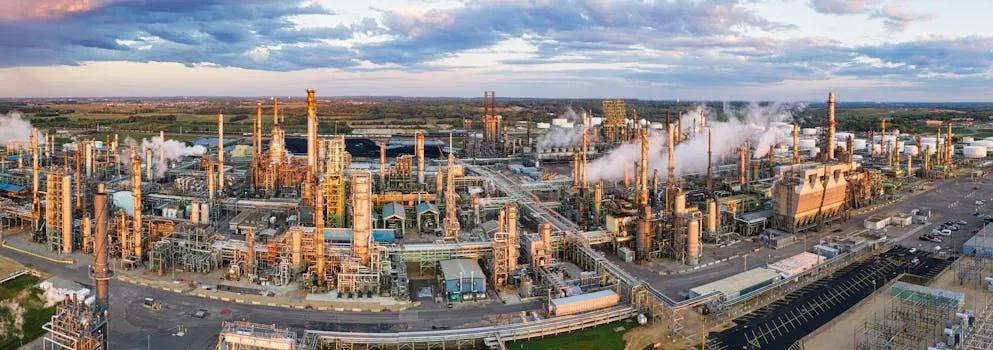
The following HydropureWater products are engineered for the wastewater challenges discussed above:
- HydropureWater’s integrated wet FGD scrubber system — view specifications, capacity range, and technical data
- high-efficiency baghouse for dry scrubber particulate control — view specifications, capacity range, and technical data
Need a customized solution? Request a free quote with your specific flow rate and pollutant parameters.