Why Electronics Assembly Wastewater Demands a Specialist Treatment Plant
Electronics assembly wastewater carries a mixed-metal and mixed-organics load that no generic ETP is designed to handle: copper 10–300 mg/L, nickel 5–50 mg/L, lead 1–20 mg/L, tin and silver in trace bands, ammonia-N 50–800 mg/L, and COD 500–8,000 mg/L from flux, photoresist, and developing solvents. The defining engineering problem is the complexing agents — EDTA, citrate, glycine, and free ammonia — that bind Cu²⁺ and Ni²⁺ into soluble chelates and defeat conventional hydroxide precipitation, forcing the design toward sulfide precipitation, ion exchange, or both. A general STP/ETP vendor serving food or textile effluent has no reference data on chelated metal removal and will under-size the chemical stage by 30–50% (HydropureWater field data, 2026).
PCB lines are also batch-discharge plants: a single desmear or electroless-plating rinse dumps a 2–5 m³ slug of high-Cu, high-NH₃ liquor into the drain every 4–8 hours, while the rest of the day is dilute rinse water. The equalization tank must therefore be sized for 8–24 hours of residence, not the 2–4 hours a continuous food or dye plant uses, and it must be aerated and mixed to prevent sulfide dropout and Cu cementation on the floor. Any vendor that quotes equalization at less than 8 hours retention for a PCB client is signalling that they have not seen this effluent before.
The 2026 Process Flow: From Equalization to RO Polishing
The baseline process train for PCB and back-end semiconductor effluent is a six-stage physical-chemical line followed by a polishing membrane stage. Each stage has a quantifiable performance target a buyer can write directly into an RFQ.
| Stage | Equipment | Operating Target | Expected Removal |
|---|---|---|---|
| 1. Equalization | Aerated EQ tank, 8–24 h HRT | pH 2–12 → homogenized to pH 10–11 | Flow & load dampening |
| 2. pH / Coagulant | NaOH dosing 30–50 g/L; NaHS 0.5–2 kg per kg Cu precipitated | pH 10–11 for mixed metals; ORP –200 to –400 mV for sulfide stage | Cu/Ni as hydroxide + sulfide sludge |
| 3. Flocculation | Anionic polymer 2–5 g/L | G value 50–80 s⁻¹, 15–20 min | Sludge growth & settling |
| 4. Clarification | Lamella clarifier or DAF pre-treatment for emulsified flux and photoresist | Overflow TSS < 50 mg/L | Bulk metal & solids removal |
| 5. Multi-media + IX | Sand/anthracite filter → cation resin | Cu < 0.5 mg/L, Ni < 0.5 mg/L | Cu 99.5–99.9%, Ni 99% |
| 6. RO polish | Brackish-water RO, 75–80% recovery | Permeate Cu < 0.05 mg/L, conductivity < 50 µS/cm | COD 85–95%, TDS 95%+ |
Two engineering points separate a qualified manufacturer from a generic one. First, the chemical-dosing stage must be a PLC-controlled automatic chemical dosing skid, not hand-pumped drums; field data from 2025–2026 retrofits shows 15–25% lower chemical consumption and ±2% dosing accuracy versus manual operation. Second, the clarifier choice depends on influent character: DAF is preferred when flux emulsions and photoresist solids dominate (oil & grease 50–500 mg/L), while a lamella clarifier is more efficient for the hydroxide/sulfide sludge that follows the NaHS stage (see the engineering rationale in our DAF plant operating cost breakdown). The full train typically achieves Cu < 0.5 mg/L, Ni < 0.5 mg/L, and COD < 50 mg/L — well inside the limits set by China GB 39731-2020 and EU Council Directive 91/271/EEC for indirect discharge to municipal sewer.
Hazardous Sludge: The Hidden Disposal Problem Most Manufacturers Underestimate
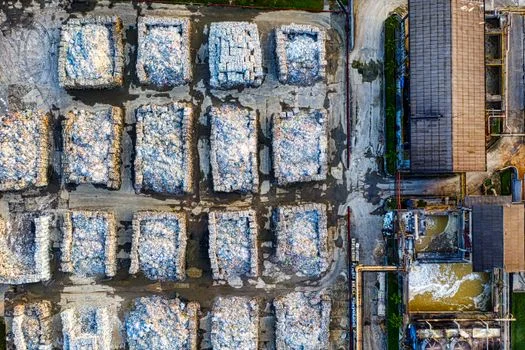
Sludge handling is where electronics-assembly projects overrun their operating budget. The mixed copper-nickel-lead hydroxide/sulfide cake is classified as hazardous waste under China GB 34330 (H13 toxic category) and under EU Directive 91/689/EEC as coded waste 19 02 05*, meaning landfill disposal costs run 2–5× the municipal sludge rate and the generator carries cradle-to-grave liability. A vendor that quotes "filter press included" without naming the disposal route is leaving a six-figure compliance hole in the OPEX model.
The dewatering stage itself is straightforward to specify: a plate-and-frame filter press for hazardous sludge dewatering with 1–500 m² filtration area, 6–15 bar hydraulic closure, and PLC-controlled cycle automation. The underflow from a lamella clarifier for hydroxide/sulfide sludge feeds the press at 3–5% dry solids and discharges a cake at 30–40% DS, which is the minimum solids content most licensed hazardous-waste landfills will accept without a re-drying charge. Across the industry, expect 5–15 kg of dry solids generated per cubic metre of treated effluent; a 20 m³/h plant therefore produces 2,400–7,200 kg DS/day, or roughly 6–18 tonnes of wet cake to manifest out per day (HydropureWater field data, 2026).
Comparing Three Process Trains: Which Configuration Fits Your Plant?
The choice of process train depends on whether discharge is to sewer, surface water, or a reuse loop, and which regulatory regime governs the site. Use the matrix below as the decision frame for your RFQ.
| Parameter | Train A: Chem-Precipitation Only | Train B: Precipitation + Ion Exchange | Train C: Precipitation + IX + RO |
|---|---|---|---|
| Effluent Cu | 1–2 mg/L | < 0.5 mg/L | < 0.05 mg/L |
| Effluent Ni | 0.5–1 mg/L | < 0.5 mg/L | < 0.05 mg/L |
| Effluent COD | 100–200 mg/L | 50–100 mg/L | < 50 mg/L |
| Water recovery | None | None | 70–85% |
| Discharge mode | Municipal sewer (China GB 39731-2020 Tier 2; EPA 40 CFR 433 categorical) | Surface water or strict sewer (EU Council Directive 91/271/EEC; Vietnam QCVN 40-MT) | On-site reuse + discharge (semiconductor back-end; ultrapriority rinse loops) |
| Typical CAPEX (20 m³/h) | $350K–$600K | $600K–$1.0M | $1.0M–$1.8M |
Train A is the minimum cost option for plants with an industrial sewer consent and no reuse target — typical of small EMS shops doing through-hole assembly only. Train B is the workhorse for mid-size PCB fabs that must meet China GB 39731 Tier 1 or EPA categorical limits but have no RO-grade water demand. Train C, incorporating RO polishing for water reuse and final metal rejection, is mandatory for back-end semiconductor facilities where rinse-water conductivity must be below 1 µS/cm after a mixed-bed polisher, and where water reuse offsets 40–60% of incoming raw-water cost in water-stressed regions. For plants in Vietnam, the tier-1 nickel ceiling is the binding design constraint — see the nickel discharge limit compliance reference for the exact QCVN thresholds.
2026 CAPEX and OPEX Benchmarks by Plant Capacity
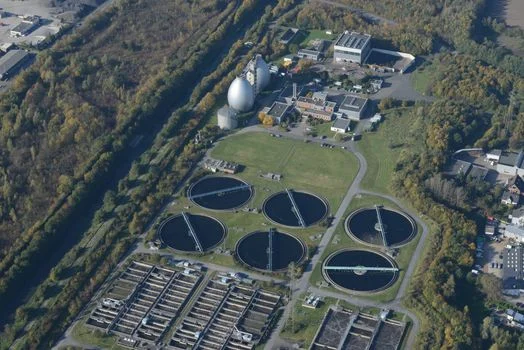
Turnkey 2026 budget ranges include civil works, equipment, piping, instrumentation, automation, and commissioning, but exclude land, buildings, and recurring hazardous-waste disposal contracts. Procurement teams can use these benchmarks to establish a defensible budget envelope for board review.
| Plant Capacity | Turnkey CAPEX (2026, USD) | OPEX per m³ Treated | Dominant OPEX Driver |
|---|---|---|---|
| Small (< 5 m³/h) | $120,000–$280,000 | $1.80–$2.40 | Chemicals (45%), labor (15%) |
| Mid (5–20 m³/h) | $350,000–$900,000 | $1.10–$1.60 | Chemicals (40%), energy (30%) |
| Large (20–100 m³/h) | $1.0M–$3.5M | $0.85–$1.20 | Energy (35%), sludge disposal (25%) |
OPEX at $0.85–$2.40 per cubic metre breaks down as chemicals 40–50%, energy 25–35%, sludge disposal 15–25%, and labor 5–10% (HydropureWater field data, 2026). The single largest lever a buyer can pull during vendor evaluation is chemical-dosing accuracy: moving from manual to PLC-controlled dosing returns 15–25% of the chemical OPEX back to the bottom line, typically a 6–14 month payback on the dosing skid itself. Plants that adopt Train C with on-site RO reuse typically offset 40–60% of incoming raw-water cost, which provides the strongest economic argument for the membrane upgrade in water-stressed jurisdictions. For projects where biological polishing is required after the chemical stage, integrated MBR packages — see the MBR integrated wastewater treatment reference design — add roughly $80,000–$250,000 to the turnkey CAPEX depending on tankage.