What Is the Nickel Discharge Limit in Brazil?
Brazil's federal nickel discharge limit is 1.0 mg/L total nickel under CONAMA Resolution 430/2011 (Article 16, Table I), applicable to all industrial effluents discharged into receiving water bodies. For freshwater bodies, CONAMA 357/2005 caps dissolved nickel at 0.025 mg/L. State agencies such as São Paulo's CETESB enforce stricter local limits, typically 0.5–1.0 mg/L. Compliance requires chemical precipitation (pH 9–10), DAF or lamella clarification, and polishing via ion exchange or membrane filtration to reliably meet the 1.0 mg/L standard.
The 1.0 mg/L figure is the binding federal effluent standard; the 0.025 mg/L figure from CONAMA 357/2005 is a receiving water quality target, not an effluent limit. Engineers confuse the two when designing treatment trains, and the confusion is costly: a polishing system sized to 0.025 mg/L costs 40–60% more than one sized to 1.0 mg/L. The correct design target is 0.5 mg/L — half the regulatory ceiling — to absorb influent variability and the 25% safety margin that auditors expect on FATIMA self-monitoring reports.
Three industrial sectors generate over 70% of Brazilian nickel-bearing effluent: electroplating and decorative finishing, stainless steel pickling, and nickel mining/refining (Onça Puma, Barro Alto, Santa Rita). Battery precursor plants producing MHP and nickel sulfate for the lithium-ion supply chain represent the fastest-growing source, with influent concentrations reaching 1,000 mg/L Ni.
Federal vs. State Regulations: The Compliance Hierarchy
CONAMA 430/2011 sets the federal ceiling; state environmental agencies set the floor at the site level, and the stricter rule always wins. São Paulo's CETESB, Rio de Janeiro's INEA, Minas Gerais's SUPRAM, Paraná's IAP, and Rio Grande do Sul's FEPAM each issue complementary norms that govern monitoring frequency, sampling points, and site-specific effluent conditions in the Licença de Operação (LO). Brazilian compliance engineers must map all four layers before specifying equipment.
| Level | Instrument | Nickel Limit | Enforcement Body |
|---|---|---|---|
| Federal — water body quality | CONAMA 357/2005, Art. 14 | 0.025 mg/L dissolved Ni (Class 2 freshwater) | IBAMA / state delegation |
| Federal — effluent discharge | CONAMA 430/2011, Art. 16, Table I | 1.0 mg/L total Ni | State environmental agency |
| São Paulo | Decreto 8468/1976 + NT-215/CETESB | 1.0 mg/L total Ni; FATIMA quarterly | CETESB |
| Minas Gerais | Deliberação Normativa COPAM 217/2017 | 1.0 mg/L total Ni; stricter in mining belt | SUPRAM |
| Rio de Janeiro | NT-202.R-10 / INEA | 1.0 mg/L; point-of-discharge sampling | INEA |
| Paraná | Resolução CEMA 043/2013 + IAP guidance | 1.0 mg/L total Ni | IAP |
| Rio Grande do Sul | Consema 355/2017 + FEPAM guidance | 1.0 mg/L total Ni | FEPAM |
| Site-specific | Licença de Operação (LO) condition table | Set by state analyst, often 0.5–1.0 mg/L | Issuing agency |
The licensing process follows a three-stage sequence: LP (Licença Prévia, preliminary approval), LI (Licença de Instalação, construction clearance), and LO (Licença de Operação, operational permit). The LO is where site-specific nickel limits are codified; the renewal cycle is typically 4–5 years, with annual third-party audits and quarterly FATIMA self-monitoring reports submitted electronically. Engineers retrofitting existing plants should verify whether their current LO allows a discharge point change — adding a polishing skid rarely triggers a new LP, but adding a new outfall to a Class 2 water body does.
Influent Characterization: What Your Plant Discharges
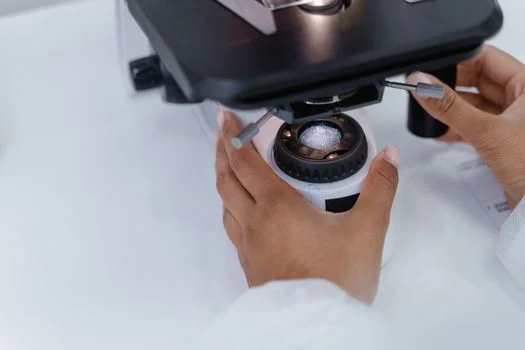
Treatment train design begins with a 7-day composite sampling campaign per ABNT NBR 9898, not a single grab sample. Nickel concentrations in Brazilian industrial effluent span two orders of magnitude depending on source, and the matrix dictates reagent selection more than the concentration alone. Co-present metals — copper, zinc, chromium, iron — consume precipitants and compete for ion exchange sites, often doubling reagent demand.
| Source | Ni Range (mg/L) | pH | Matrix / Co-contaminants |
|---|---|---|---|
| Electroplating rinse water | 50–500 | 2–4 | Sulfate or chloride; Cu, Zn, Cr(VI) |
| Stainless steel pickling | 20–200 | 1–2 | High Fe, Cr(VI), F⁻, NO₃⁻ |
| Nickel mining & refining (laterite) | 5–50 | 3–5 | High TDS, Mg, Co, Mn |
| Battery precursor (MHP/NiSO₄) | 100–1,000 | 4–6 | Ammonium/ammonia, Co, Mn, sulfate |
| Catalyst production | 10–80 | 2–5 | Al, Mo, organic carriers |
The ammonium/ammonia matrix in battery precursor plants is the most challenging: ammonia-Ni complexes resist hydroxide precipitation, and a 0.5–2.0 g/L NH₃-N stream demands a sulfide polishing step or cation exchange with selective resin. Stainless steel pickling adds fluoride, which forms complexes with both Fe and Ni; fluoride must be stripped (typically via calcium addition) before nickel precipitation will reach >95% removal. Sampling protocol per NBR 9898 specifies 24-hour composite samples, refrigerated at 4°C, preserved with HNO₃ to pH <2, analyzed by ICP-OES at an INMETRO-accredited lab.
Treatment Train: From 500 mg/L to Under 1 mg/L
A four-stage treatment train is the engineering standard for CONAMA 430 compliance: pH adjustment and hydroxide precipitation, optional sulfide polishing, solid-liquid separation, and ion exchange or RO polishing. Precipitation alone leaves 5–10 mg/L Ni in solution; only the polishing step reliably drops the concentration below 1.0 mg/L. Engineers who skip the polishing stage to save CAPEX almost always retrofit within 18–24 months after the first FATIMA report shows non-compliance.
| Stage | Process | Reagent / Equipment | Typical Ni Removal | Effluent Ni |
|---|---|---|---|---|
| 1 | pH adjustment to 9.0–10.0 | NaOH (cleaner sludge) or Ca(OH)₂ (40% cheaper, 3× sludge volume) | — | — |
| 2 | Hydroxide precipitation | Ni(OH)₂ Ksp exceeded at pH 9.5; reaction time 20–30 min | 95–99% | 5–25 mg/L |
| 3 | Sulfide polishing (optional) | Na₂S or FeS at 1.5× stoichiometric dose; produces Class I NiS sludge | +90% of residual | 0.5–2.5 mg/L |
| 4 | Solid-liquid separation | DAF for FOG-laden streams, lamella clarifier for high-flow mining, plate-and-frame filter press for low-volume plating | Captures precipitate | 0.5–2.5 mg/L |
| 5 | Polishing | Ion exchange (Purolite S930, Lewatit TP207) to <0.1 mg/L, or RO to <0.05 mg/L; resin life 2–5 years | 90–99% | <0.1–0.5 mg/L |
At pH 9.5, the Ksp of Ni(OH)₂ (5.48 × 10⁻¹⁶) is exceeded by a factor of roughly 10³, driving >99% of dissolved Ni into the solid phase. NaOH produces approximately 1.2 kg dry sludge per kg Ni removed; Ca(OH)₂ produces 3.0–3.5 kg dry sludge. For a 100 m³/day plating line at 200 mg/L influent (20 kg Ni/day), the daily sludge mass is 24 kg dry weight with NaOH versus 65 kg with lime. Sludge containing >1,000 mg/kg leachable Ni per NBR 10004 is Class I hazardous and must go to a licensed industrial landfill; cement stabilization reduces volume by 30–50% and is the standard pretreatment for off-site disposal. The separated solids handling step uses filter press for Class I nickel sludge dewatering to reach 25–35% dry solids before landfill shipment.
DAF units work best when the influent carries oils, greases, or surfactants that inhibit settling — common in electroplating rinse waters that drag brightener and wetting agent residues. Lamella clarifiers handle high-flow, low-FOG streams from mining and refining; the inclined plate geometry achieves 2–3× the settling area of a conventional clarifier at the same footprint. For a 200 m³/day nickel-bearing stream, DAF and lamella clarifier CAPEX are comparable at USD 45,000–80,000, but DAF has 15–20% higher OPEX from saturator air compressor power. Solid-liquid separation in the treatment train is typically served by DAF systems for nickel sludge separation in plating lines and lamella clarifiers for nickel-bearing effluent in mining flows. Reagent accuracy determines whether the precipitation stage hits target; manual dosing causes pH excursions of 0.5–1.0 units, doubling residual nickel. PLC-controlled NaOH and Na₂S dosing systems hold pH within ±0.1 and cut reagent consumption by 8–12%.
Equipment Selection by Plant Size
Procurement decisions cluster into three plant-size bands, and the equipment list, reagent regime, and CAPEX differ sharply across them. A skid-mounted system for a job shop looks nothing like the infrastructure at a 500 m³/day nickel refinery. Specifying to the wrong band is the most common equipment-selection error in Brazilian nickel projects.
| Plant Profile | Flow (m³/day) | Treatment Train | CAPEX (USD) | Annual OPEX (USD) |
|---|---|---|---|---|
| Small electroplating shop | <5 | Skid: pH/precipitation + lamella clarifier + cartridge polish | 60,000–120,000 | 12,000–25,000 |
| Mid-size metal finishing | 5–50 | Full chemical dosing + DAF + dual-vessel ion exchange | 180,000–450,000 | 35,000–90,000 |
| Large mining/refining | 50–500 | Lime dosing + high-rate DAF + RO | 800,000–3,500,000 | 180,000–600,000 |
| Battery precursor plant | 20–200 | NaOH dosing + lamella + selective IX (NH₃-tolerant) | 350,000–1,200,000 | 70,000–250,000 |
Membrane bioreactors (MBR) are sometimes proposed for nickel streams, but the technology is mismatched: biological systems do not precipitate heavy metals, they only accumulate them in biosolids. A nickel-bearing waste activated sludge must still be classified and disposed of as hazardous, and the MBR adds aeration cost without removing any Ni. The standard path is precipitation + IX/RO, with biological treatment reserved for the organic co-stream (cyanide destruction, surfactant reduction) when present. For high-purity applications — electronics finishing, battery cathode synthesis — RO polishing for high-purity nickel removal achieves 99.9% rejection and produces reuse-quality permeate that can offset OPEX by 20–30%. Sludge dewatering on the back end typically uses filter press for Class I nickel sludge dewatering across all plant sizes.
CAPEX, OPEX, and ROI for Nickel Compliance
Nickel compliance CAPEX scales roughly linearly with flow at USD 8,000–25,000 per m³/day of treatment capacity for mid-range turnkey systems including civil works, instrumentation, and FATIMA-ready telemetry. OPEX runs USD 0.80–1.60 per m³ treated, of which sludge disposal alone accounts for 30–50%. Procurement leads who present only CAPEX to the CFO underestimate the lifetime cost; the correct unit economics is $/m³ over 10 years, not the initial invoice.
| Cost Driver | Range | Notes |
|---|---|---|
| CAPEX per m³/day capacity | USD 8,000–25,000 | Mid-range, turnkey incl. civil works |
| NaOH (precipitant) | USD 0.40–0.80/kg | Dose 3–6 kg/m³ at pH 9.5 |
| Ca(OH)₂ (lime alternative) | USD 0.15–0.30/kg | Dose 5–10 kg/m³; 3× sludge volume |
| Na₂S (polishing) | USD 1.20–2.00/kg | Dose 0.3–0.8 kg/m³; 1.5× stoichiometric |
| Sludge disposal (Class I) | USD 80–150/ton wet | 30–50% of total OPEX |
| IX resin replacement | USD 15–25/L resin | Resin life 2–5 years |
| RO membrane replacement | USD 600–1,200/membrane | Membrane life 3–5 years |
| CETESB/SUPRAM fine per infraction | R$ 5,000–50,000 | Plus daily fine for continuing violation |
| NiSO₄ recovery credit | USD 4,500–5,500/t | Offsets OPEX when monetized |
Payback for mid-size systems typically falls in the 2–4 year range when nickel recovery is monetized through nickel sulfate precipitation or MHP recovery, and 5–7 years when treated as a pure compliance cost. The decision framework is straightforward: choose ion exchange when flow is below 50 m³/day and the discharge is to a sanitary sewer with capacity; choose reverse osmosis when flow exceeds 50 m³/day or when water reuse for rinse water, boiler feed, or cooling tower makeup is part of the project scope. For broader Latin American heavy metal discharge compliance comparison, Mexico's NOM-002-SEMARNAT and Argentina's Decree 776/2022 follow similar precipitation-plus-polishing patterns but with different sludge classification thresholds.
Step-by-Step Compliance Roadmap
A six-step sequence takes a Brazilian facility from non-compliant effluent to a clean FATIMA submission. Each step has a defined deliverable and a defined owner — environmental, engineering, and procurement each carry part of the work. Skipping steps or running them in parallel is the most common reason retrofit projects miss their LO milestone dates.
| Step | Action | Owner | Deliverable |
|---|---|---|---|
| 1 | Characterize influent per NBR 9898 (7-day composite, ICP-OES) | EHS / Lab | Influent data package |
| 2 | Map discharge point (sewer vs. water body) and confirm LO conditions | EHS | Applicable resolution matrix |
| 3 | Design treatment train to 1.0 mg/L with safety factor to 0.5 mg/L | Engineering | PFD, P&ID, mass balance |
| 4 | Procure skid with FATIMA telemetry; install flowmeter and autosampler | Procurement | Equipment list, FATIMA hardware |
| 5 | Commission, train operators, register with state agency, begin quarterly self-monitoring | EHS / Operations | First FATIMA submission |
| 6 | Annual third-party audit; LO renewal every 4–5 years | EHS | Renewed LO, audit closure |
Step 4 is where the procurement lead's decisions directly affect compliance outcomes. Skid-mounted systems with PLC-controlled NaOH and Na₂S dosing systems, integrated pH/temperature/flow instrumentation, and a FATIMA-compatible data logger reduce commissioning time by 3–4 weeks compared with field-assembled systems. For projects in the Andean mining belt with similar regulatory architecture, Peruvian high-altitude mining wastewater treatment uses a comparable roadmap with altitude-adjusted aeration for sulfide oxidation. For those modeling CAPEX on a regional basis, Argentina wastewater treatment CAPEX/OPEX benchmarks provide a useful cross-check.
Frequently Asked Questions
What is the CONAMA 430 nickel discharge limit?
The federal limit is 1.0 mg/L total nickel for industrial effluents discharged to receiving water bodies, set by CONAMA Resolution 430/2011, Article 16, Table I. State agencies may impose stricter limits in the site-specific LO.
What is the difference between CONAMA 357 and CONAMA 430 for nickel?
CONAMA 357/2005 sets receiving water body quality standards (0.025 mg/L dissolved Ni for Class 2 freshwater); CONAMA 430/2011 sets effluent discharge standards (1.0 mg/L total Ni). The 357 figure governs the water body; the 430 figure governs the pipe.
Does CETESB enforce a stricter nickel limit than CONAMA 430?
CETESB uses CONAMA 430's 1.0 mg/L as the federal floor, but its NT-215 technical standard and site-specific LO conditions routinely set 0.5–1.0 mg/L total Ni in São Paulo operating licenses, with quarterly FATIMA self-monitoring mandatory.
How often must a Brazilian facility self-monitor nickel in wastewater?
Quarterly self-monitoring via FATIMA is the minimum under most state regulations; sites with effluent volumes above 100 m³/day or discharge to Class 2 water bodies may be required to monitor monthly. Annual third-party audit reports accompany the LO renewal cycle.
Can nickel be recovered from wastewater as a compliance credit?
Yes. Precipitation of Ni(OH)₂, sulfide recovery to NiS, or selective ion exchange regeneration produces nickel sulfate or hydroxide that can offset OPEX at USD 4,500–5,500/t NiSO₄. Recovery does not relax the 1.0 mg/L effluent limit but improves project ROI by 20–35%.
What happens if I discharge to a Class 2 freshwater body and exceed 0.025 mg/L dissolved nickel?
The 0.025 mg/L figure from CONAMA 357/2005 is a water body quality standard, not an effluent limit. Exceeding it triggers a state enforcement review even if your effluent meets CONAMA 430's 1.0 mg/L. Design polishing to under 0.5 mg/L total Ni to stay well below both thresholds.