Zinc Discharge Limit in Egypt: What Decree 92/2013 Requires
The zinc discharge limit in Egypt for industrial wastewater released to the Rosetta or Damietta Nile branches is 0.1 mg/L under Article 50 of Ministerial Decree 92/2013. Coastal Mediterranean and Red Sea discharge is capped at 1.0 mg/L. Public sewer discharge with a permit allows 5.0 mg/L. Limits apply to total recoverable zinc on a 24-hour composite sample.
That limit sits in Annex 5 of Decree 92/2013, issued under Environmental Law 4/1994 as amended by Law 9/2009. Prime Minister Decree 964/2015 later codified the annex tables. The 0.1 mg/L figure is measured as total recoverable zinc in a refrigerated 24-hour composite, not a single grab. Most plants we size for Nile-delta metal finishing run headroom to 0.05–0.08 mg/L rather than riding the legal line.
Choosing the wrong receiving body at design stage is still one of the most common over- or under-design errors on Egyptian industrial projects. Facilities discharging to the coastal Mediterranean or Red Sea face the 1.0 mg/L ceiling. Facilities sending effluent to a municipal sewer with an approved industrial drainage permit face 5.0 mg/L. The binding number on the permit sheet must match the actual outfall, not the financing memo.
The 0.1 mg/L number is not aspirational. The JICA El Atf power station monitoring report for January 2022 recorded zinc at 0.07 mg/L at the project outfall. That reading sat below the Article 50 limit and below the IFC EHS guideline of 0.5 mg/L. The same JICA table sets parallel ceilings: chromium 0.5 mg/L, copper 1.0 mg/L, and lead 0.1 mg/L. Cadmium is 0.001 mg/L, mercury 0.1 mg/L, and arsenic 0.1 mg/L. Cadmium was tightened to 0.001 mg/L in recent EEAA annex updates. Zinc and the remaining metals are trending the same direction as bioavailable-toxicity science matures. Engineers designing in 2026 should plan headroom, not just compliance at the limit line.
| Receiving Body | Zinc Limit (mg/L) | Governing Citation |
|---|---|---|
| Rosetta or Damietta Nile branch | 0.1 | Art. 50, Decree 92/2013, Annex 5 |
| Coastal Mediterranean / Red Sea | 1.0 | Art. 51, Decree 92/2013 |
| Public sewer (with permit) | 5.0 | Art. 52, Decree 92/2013 |
| JICA El Atf measured (Jan 2022) | 0.07 | JICA Q1 2022 Monitoring Report |
For plants that already have clarification and need to add fine-solids and dissolved-zinc removal, a DAF system for metal hydroxide precipitation is typically the first new unit on the upgrade path.
Egypt vs IFC vs WHO: How 0.1 mg/L Compares Globally
Egypt's 0.1 mg/L zinc limit is the second strictest in the dataset most engineers benchmark against. The IFC EHS Guidelines for Wastewater Treatment sit at 0.5 mg/L, five times looser. The EU BAT-AEL range is roughly 0.1-0.3 mg/L depending on sector. The 0.3 mg/L figure appears in the ferrous metals BREF. WHO drinking water guidance is 3 mg/L (a health-based value, not an ecotoxicology value). China's GB 8978 sets 2.0 mg/L. India's CPCB general effluent standards sit at 5.0 mg/L for zinc. The RIVM freshwater PNEC (predicted no-effect concentration) is 1.7 μg/L. That is three orders of magnitude tighter than any discharge standard. Receiving-water hardness matters because low hardness raises the bioavailable fraction. The Egyptian limit reflects that protection margin for Nile water chemistry.
For a project financed by an IFC-compliant lender, the binding limit is the stricter of the host-country rule and the IFC guideline. In Egypt that is the host-country 0.1 mg/L, not the IFC 0.5 mg/L. Engineers sometimes size treatment to IFC and discover at commissioning that the EEAA inspector is measuring against the tighter number. The design must hit 0.1 mg/L from day one, with operational margin for resin exhaustion, pH excursion, and sludge recycle streams.
| Standard / Region | Zinc Limit (mg/L) | Notes |
|---|---|---|
| Egypt (Nile branches) | 0.1 | Art. 50, Decree 92/2013 |
| IFC EHS Wastewater | 0.5 | General industry guideline |
| EU BAT-AEL (ferrous metals) | 0.1-0.3 | BREF 2024 update |
| WHO drinking water | 3.0 | Health-based, not eco |
| China GB 8978 | 2.0 | First-class surface water |
| India CPCB | 5.0 | General effluent |
| RIVM PNEC freshwater | 0.0017 | Eco protection target |
How do CPCB effluent discharge standards compare?
CPCB effluent discharge standards for general industry set zinc at 5.0 mg/L, fifty times looser than Egypt's Nile-branch rule of 0.1 mg/L. CPCB waste water discharge standards therefore cannot be used as a design proxy for EEAA Annex 5 compliance. A plant sized only to Indian general standards will fail an EEAA Nile outfall inspection on zinc alone.
What CPCB industrial limits apply to Cd and Ni?
CPCB industrial discharge limit of Cd and Ni is a separate compliance line from Egypt's Annex 5 zinc rule. Designers must pull the current CPCB industry-category schedule for cadmium (Cd) and nickel (Ni). Do not transplant Egyptian metal ceilings into an Indian permit. Egypt's own Decree 92/2013 table already lists cadmium at 0.001 mg/L beside zinc at 0.1 mg/L. Multi-metal trains should be checked against both host-country and lender schedules.
NMBM effluent quality discharge standards and similar municipal sewer codes sit outside EEAA surface-water tables. When a plant also tracks a fluoride wastewater discharge limit, treat fluoride as its own unit-operation problem. Search logs often misspell it flouride. Hydroxide precipitation that captures zinc will not reliably meet a fluoride target without dedicated dosing or membrane steps.
Where the Zinc Comes From: Industrial Sources in Egypt
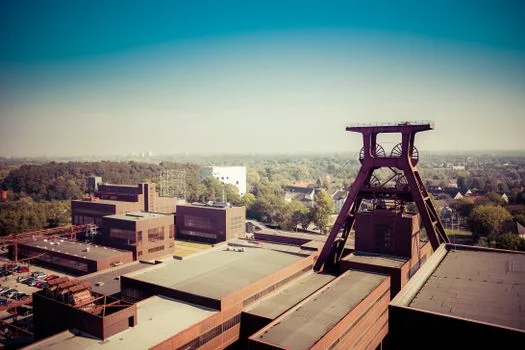
Five sectors generate the bulk of zinc-bearing wastewater in Egyptian industrial zones. They are hot-dip galvanizing (kettle dross quench and rinse water), electroplating (zinc and zinc-alloy bath dumps and drag-out rinse), and zinc-bromide or zinc-air battery manufacturing. Mining and mineral processing (sphalerite concentrate wash and tailings decant) and steel pickling (galvanneal and galvanize line rinse) complete the list. Each carries a different influent signature, and the design must start from measured raw-water numbers, not literature averages.
Typical raw influent ranges come from Egyptian industrial estates and the JICA El Atf mass balance. Galvanizing rinse water runs 20-100 mg/L zinc at pH 4-7 with high suspended solids. Electroplating bath dumps run 50-500 mg/L at pH 1-3 with cyanide or brightener co-contaminants. Mine drainage and tailings decant run 5-30 mg/L at near-neutral pH with high TDS and co-precipitated iron. Steel mill pickle rinse runs 1-10 mg/L but with high iron and acid. The 2026 export tax of EGP 10,000 per tonne on zinc dross is roughly USD 209 per tonne. That signal pushes zinc residuals to stay in-country for downstream processing. Treatment volume therefore rises, not the opposite.
Zinc treatment rarely arrives alone. The same Decree 92/2013 article governs chromium at 0.5 mg/L, copper at 1.0 mg/L, and lead at 0.1 mg/L. These metals co-precipitate in the same pH window (9-10) that drives zinc removal. Designers should plan a single hydroxide precipitation stage with staged sludge handling rather than parallel single-metal trains.
Treatment Train to Hit 0.1 mg/L: Process Design and Removal Efficiencies
The realistic technology stack for hitting 0.1 mg/L from a 5-50 mg/L influent has four stages, with a fifth membrane option for plants that need <0.05 mg/L for water reuse. Each stage has a defined removal band, and the engineering math must be auditable from influent to effluent.
Stage 1 — pH adjustment and hydroxide precipitation. Lift the mixed reactor to pH 9.0-10.0 using NaOH or lime. Dose a flocculant (typically 1-3 mg/L of anionic polyacrylamide). Allow 20-30 minutes of residence in a stirred reactor. Zinc hydroxide (Ksp ~ 3 × 10-17) precipitates efficiently across this band. Co-precipitation removes 90-95% of total zinc. A 50 mg/L raw stream exits Stage 1 at 2.5-5 mg/L. A lamella clarifier or DAF unit separates the precipitate. For galvanizing rinse with high particulate loading, a DAF outperforms a settling clarifier by 15-25% on solids capture at the same hydraulic load.
Stage 2 — DAF for fine precipitate and emulsified metals. Dissolved air flotation at 4-6 bar saturation pressure and 15-25% recycle ratio removes fine, low-density hydroxide floc. That floc is the fraction that escapes clarification. DAF drops another 50-70% of residual particulate zinc, bringing the stream to 0.75-1.5 mg/L. A DAF system for metal hydroxide precipitation sized at 15-25 m³/h per 100 m³/d of plant flow is typical. For plants that already run a clarifier, the DAF sits downstream as a polishing step.
Stage 3 — multi-media filtration. A 1.0-1.5 m bed of anthracite over sand over garnet, with periodic air-scour and backwash, captures residual solids. Capture is typically down to 10-20 μm. This protects the ion exchange resin from fouling and brings zinc to 0.3-0.8 mg/L. A multi-media filter for ion exchange feed protection at 8-12 m/h filtration velocity is the standard configuration.
Stage 4 — selective ion exchange. Iminodiacetate chelating resin (Lewatit TP207, Purolite S930, or equivalent) loads zinc preferentially over calcium and sodium. The preferred service window is pH 6-8. At 20-25 BV/h service flow, the resin brings zinc to 0.05-0.1 mg/L consistently. First-column effluent is typically below 0.05 mg/L until breakthrough defines exhaustion. Two columns in lead-lag configuration extend run length and protect compliance during regeneration. A PLC-controlled NaOH and Na2S dosing skid handles both Stage 1 pH lift and the resin regeneration acid/caustic sequence.
Alternative polishing. For plants with complexed zinc (EDTA, citrate, or ammonia-bearing streams from printed-circuit or battery operations), a MBR system for complexed-zinc polishing with biological chelate degradation followed by ion exchange can reach <0.1 mg/L. Membrane replacement and biological maintenance run OPEX 2-3x higher than straight hydroxide plus IX.
Sludge handling. Zinc-bearing hydroxide sludge exits the clarifier or DAF at 3-6% dry solids. A filter press for zinc-bearing sludge dewatering brings the cake to 25-30% solids. That cake suits licensed hazardous-waste disposal or, where in-country smelters accept it, zinc recovery feedstock. Filtrate returns to the head of the plant; the cake goes to a lined disposal cell or to recovery.
Dosing control. Precipitation efficiency collapses below pH 8.5 (zinc re-dissolves as Zn2+) and above pH 11 (zincate ion, Zn(OH)4-, forms). An online pH probe in the reactor with PLC feedback to the NaOH pump is not optional. A 30-minute excursion outside the 8.5-10.5 band can push effluent zinc above 0.5 mg/L even on an otherwise well-sized plant.
| Stage | Unit Operation | Influent Zn (mg/L) | Effluent Zn (mg/L) | Removal (%) |
|---|---|---|---|---|
| 1 | NaOH pH 9-10 + lamella clarifier | 50 | 2.5-5.0 | 90-95 |
| 2 | DAF (4-6 bar, 20% recycle) | 2.5-5.0 | 0.75-1.5 | 50-70 |
| 3 | Multi-media filter | 0.75-1.5 | 0.3-0.8 | 45-60 |
| 4 | Chelating ion exchange (Lewatit TP207) | 0.3-0.8 | 0.05-0.10 | 85-90 |
| 5 (alt) | MBR + IX (for complexed Zn) | 5-20 | <0.10 | >99 |
Costs and Sizing: CAPEX, OPEX, and the 50 m³/day Reference Plant
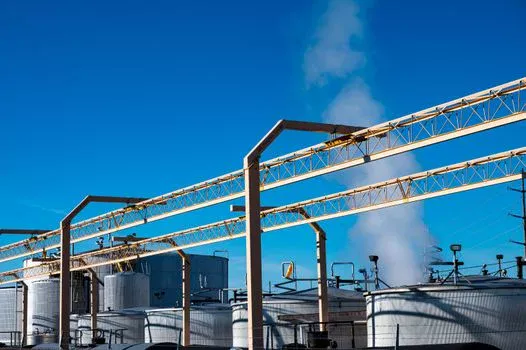
A 50 m³/day reference plant treating 20 mg/L influent zinc to 0.1 mg/L carries a CAPEX of USD 180,000-350,000. That case assumes 24/7 operation with basic SCADA and no effluent reuse. The lower end assumes a manual chemical dosing skid, single-vessel reactor, and skid-mounted IX columns. The upper end assumes full PLC automation, dual-vessel reactors with online pH/ORP, and duplex IX with automatic regeneration. An enclosed sludge handling area is included at that end of the range. Resin and FRP tank quality, not equipment count, drives most of the spread.
OPEX components at 50 m³/d start with NaOH or lime at USD 0.05-0.12/m³. Ion exchange resin replacement every 18-24 months costs USD 8,000-15,000 per year. Sludge dewatering and disposal add USD 0.08-0.15/m³. Electricity for mixers, pumps, and DAF saturation adds USD 0.04-0.06/m³. Total operating cost lands at USD 0.40-0.70 per cubic meter treated. At 200 m³/day, bulk chemical purchasing and labor amortization drop per-m³ OPEX 30-40%. At 10 m³/day, minimum equipment sizing (a single small reactor, a 200 L resin column) inflates per-m³ CAPEX 50-80%. Small plants should seriously consider packaged systems rather than engineered stick-build.
Decision rule: if measured influent is below 5 mg/L and an existing clarifier with pH control is already operational, retrofit rather than rebuild. Adding a multi-media filter for ion exchange feed protection plus a single-vessel ion exchange polisher is often cheaper than a full new train. If the influent exceeds 15 mg/L or the pH control is unreliable, build a complete Stage 1-4 system. Plants with zinc-bearing rinse water plus a need for process-water recovery should evaluate a reverse osmosis system for treated-effluent reuse downstream of the IX polish. That option raises CAPEX 40-60% but cuts freshwater use and long-term discharge volume.
| Plant Size | CAPEX (USD) | OPEX (USD/m³) | Recommended Configuration |
|---|---|---|---|
| 10 m³/d | 80,000-140,000 | 0.70-1.10 | Skid-mounted, manual dosing |
| 50 m³/d (reference) | 180,000-350,000 | 0.40-0.70 | PLC dosing, duplex IX |
| 200 m³/d | 550,000-900,000 | 0.25-0.45 | Full automation, RO optional |
Selection checklist before freezing the P&ID:
- Confirm receiving body (Nile branch, coastal, or sewer) and the matching Decree 92/2013 article.
- Measure influent zinc, pH, TDS, and co-metals on 24-hour composites for at least two production weeks.
- Decide whether complexed zinc (EDTA, citrate, ammonia) is present; if yes, budget MBR or advanced oxidation before IX.
- Size Stage 1 residence for 20-30 minutes at peak hour flow, not average daily flow alone.
- Specify lead-lag IX with breakthrough alarm set below 0.08 mg/L when the legal limit is 0.1 mg/L.
- Budget sludge cake disposal or recovery contracts before commissioning, not after the first press cycle.
- Align SCADA sampling tags with the EEAA composite protocol so monthly reports reuse the same data trail.
Compliance Documentation: What EEAA Inspectors Actually Check
EEAA inspectors do not trust plant-side log sheets. The sampling protocol requires 24-hour composite samples using refrigerated auto-samplers, not single grabs. A single grab during a pH excursion can register a violation on an otherwise compliant plant. The analytical method must be ICP-OES or ICP-MS at an EEAA-accredited laboratory. The method detection limit must sit below 0.05 mg/L so 0.1 mg/L compliance is verifiable with statistical confidence (ideally ±15% at the limit). Monthly self-monitoring reports go to the EEAA branch office. Quarterly third-party verification is required for plants in the Nile delta. Any exceedance triggers written notification within 24 hours plus a corrective action plan within 7 days. The JICA Q1 2022 El Atf monitoring form is a defensible template for the report format.
Teams preparing an industrial waste discharge permit in egypt application should lock the receiving-body classification before equipment is ordered. The same dossier should list the parameters to discharge wastewater sewer system in egypt when the outfall is indirect. Sewer limits (5.0 mg/L zinc under Art. 52) differ sharply from Nile-branch limits. For plants below 80 m³/day that need turnkey monitoring on the treatment skid, a packaged WSZ treatment system with built-in sampling and telemetry cuts the compliance paperwork burden. Engineers should also reference the JICA report and the EBRD/IFC framework used for comparable heavy-metal industrial wastewater treatment cases in the broader region. Cross-check EEAA inspection cadence against the Middle East industrial discharge compliance reference for Kuwait EPA parallels.
Who This Is For / Who Should Look Elsewhere / Next Step
This guide is for plant engineers, EPC contractors, and procurement managers sizing zinc treatment for Egyptian industrial discharges under Decree 92/2013. It is written for teams that already know their receiving body and need a defensible train, not a brochure.
Look elsewhere if you only need drinking-water zinc guidance (WHO 3 mg/L) or a municipal sewer connection with no industrial metals. Those paths do not need a four-stage hydroxide-plus-IX plant.
Next step: gather two weeks of composite influent zinc and pH data, then confirm the outfall class. Request a treatment-train quote with flow, peak factor, and co-metal list so CAPEX matches the same basis. The zinc discharge limit in Egypt does not forgive a late design change after concrete is poured.
Frequently Asked Questions

What is Egypt's exact zinc discharge limit and which law sets it?
Egypt's zinc discharge limit is 0.1 mg/L for industrial wastewater discharged to the Rosetta and Damietta branches of the Nile. That limit is set under Article 50 of Ministerial Decree 92/2013, issued under Environmental Law 4/1994 as amended by Law 9/2009. Coastal outfalls use 1.0 mg/L and permitted sewer connections use 5.0 mg/L under Articles 51 and 52 of the same decree. Total recoverable zinc on a 24-hour composite is the compliance metric.
How do the Nile, coastal, and sewer limits for zinc differ in Egypt?
Nile branches (Rosetta and Damietta) require 0.1 mg/L. Coastal Mediterranean and Red Sea discharge requires 1.0 mg/L. Public sewer discharge with an industrial drainage permit allows 5.0 mg/L under Decree 92/2013. Mixing those three numbers at design stage is a frequent cause of undersized polishing or wasted CAPEX. Confirm the receiving body on the permit before freezing the P&ID.
Does the 0.1 mg/L limit apply to total zinc or dissolved zinc?
The Article 50 limit applies to total recoverable zinc measured by ICP-OES or ICP-MS on an unfiltered acid-preserved 24-hour composite sample. It does not apply to a filtered (dissolved) fraction alone. Method detection limits should sit below 0.05 mg/L so 0.1 mg/L results carry statistical confidence near ±15% at the limit. Grab samples alone are not accepted as proof of compliance by EEAA inspectors.
What is the minimum treatment train to reliably comply with 0.1 mg/L?
A four-stage train of pH adjustment to 9-10 with hydroxide precipitation, dissolved air flotation for fine solids, multi-media filtration, and selective chelating ion exchange (iminodiacetate resin) is the usual minimum. That train reliably brings influents of 5-50 mg/L down to 0.05-0.1 mg/L. Complexed zinc streams may need MBR or advanced oxidation ahead of ion exchange. Online pH control in the 8.5-10.5 band is mandatory for stable removal.
What CAPEX and OPEX should a 50 m³/day plant expect?
A 50 m³/day plant treating 20 mg/L influent to 0.1 mg/L requires USD 180,000-350,000 in CAPEX depending on automation level. OPEX is USD 0.40-0.70 per cubic meter treated across chemicals, resin replacement, sludge disposal, and power. Ten m³/day packages run higher per-m³ CAPEX; 200 m³/day plants typically land at USD 0.25-0.45/m³ OPEX with full automation.