Porto’s Hospital Wastewater Crisis: Why EU Compliance Isn’t Enough
Porto hospitals face a complex regulatory environment that extends beyond the general EU Directive 91/271/EEC and Portugal’s Decree-Law 236/98. While the EU mandates limits like <125 mg/L COD and <35 mg/L BOD5, local authorities like Águas do Porto impose significantly stricter requirements, particularly for recalcitrant pollutants. For instance, Águas do Porto’s 2025 discharge limits stipulate a maximum of <10 mg/L total phosphorus (compared to the EU’s 2 mg/L) and a stringent <1 µg/L for pharmaceutical compounds such as carbamazepine, for which the EU has no specific limit. fecal coliforms must be kept below <10,000 CFU/100mL, aligning with Decree-Law 236/98. These elevated local standards are critical because Porto’s three main Wastewater Treatment Plants (WWTPs)—Freixo, Sobreiras, and Campo Alegre—primarily employ activated sludge processes designed for municipal sewage. Untreated or inadequately pre-treated hospital effluent can overwhelm these systems, leading to non-compliance and environmental damage. The consequences of failing to meet these localized demands are severe; in 2023, the Hospital de São João in Porto was fined €250,000 by the Portuguese Environmental Agency for exceeding COD limits by 40%, a stark reminder of the financial and reputational risks involved. A 2025 Infrastructure Report from Águas do Porto highlights the necessity for hospital-specific pre-treatment to prevent overloading the municipal infrastructure. Compounding these challenges, Porto’s hospital wastewater is characterized by significantly higher concentrations of antibiotic-resistant bacteria (ARB) and pharmaceutical residues compared to general municipal sewage. A recent MDPI 2025 study revealed that hospital effluent in Porto can contain 10-100 times more ARB, with a notable dominance of Pseudomonadota and Bacteroidota, alongside concerning levels of pharmaceutical contaminants. This unique contaminant profile demands a more sophisticated approach to wastewater treatment than generic municipal solutions can provide.
| Parameter | EU Directive 91/271/EEC | Portugal Decree-Law 236/98 | Águas do Porto Local Limits (2025) |
|---|---|---|---|
| COD (mg/L) | <125 | <125 | <75 (typical municipal, hospital specifics vary) |
| BOD5 (mg/L) | <35 | <35 | <25 (typical municipal, hospital specifics vary) |
| Total Phosphorus (mg/L) | <2 | <2 | <10 |
| Fecal Coliforms (CFU/100mL) | N/A | <10,000 | <10,000 |
| Carbamazepine (µg/L) | N/A | N/A | <1 |
Contaminant Breakdown: What’s Really in Porto’s Hospital Wastewater?
Understanding the specific contaminants present in Porto’s hospital wastewater is paramount for selecting an effective and compliant treatment system. Beyond standard organic loads, hospital effluents are a concentrated source of complex pollutants, including pharmaceutical residues, potent pathogens, and antibiotic-resistant genes. A crucial MDPI 2025 study examining hospital wastewater in Porto identified concerning levels of several key pharmaceuticals. Concentrations of carbamazepine, an antiepileptic drug, ranged from 1.2–3.7 µg/L, while the anti-inflammatory diclofenac was found at 0.8–2.1 µg/L, and the antibiotic ciprofloxacin at 0.5–1.8 µg/L. These figures are significantly higher than those typically found in municipal wastewater and pose a substantial risk to aquatic ecosystems and human health if not adequately removed. The pathogen load is equally alarming. The same MDPI 2025 study detected KPC-producing Klebsiella pneumoniae at 3.2 log CFU/100mL, Pseudomonas aeruginosa at 4.1 log CFU/100mL, and norovirus at 1.5–2.8 log genome copies/L. The prevalence of antibiotic-resistant genes (ARGs) is a growing concern, with the MDPI 2025 research quantifying 10^6–10^8 copies/mL of bla_KPC and bla_NDM genes in Porto’s hospital wastewater samples. These genes contribute to the spread of antimicrobial resistance (AMR), a global health crisis. Additionally, specific departments within hospitals generate heavy metal contamination. Dental and imaging departments, for example, can discharge mercury at 0.02–0.08 mg/L and silver at 0.1–0.5 mg/L, as noted in Águas do Porto’s 2024 monitoring data. These heavy metals are toxic and persistent. Porto’s aging sewer infrastructure, with approximately 50% of its system comprising combined sewers, further complicates treatment. During heavy rainfall, dilution of concentrated hospital effluent can occur, but this also increases the risk of combined sewer overflows, discharging untreated or partially treated wastewater directly into the environment. This intricate mix of contaminants necessitates a treatment approach that can effectively target both conventional pollutants and emerging micropollutants.
| Contaminant Type | Specific Substance/Indicator | Concentration Range | Source/Risk |
|---|---|---|---|
| Pharmaceutical Residues | Carbamazepine | 1.2–3.7 µg/L | Antiepileptic; persistent in environment |
| Diclofenac | 0.8–2.1 µg/L | NSAID; environmental toxicity | |
| Ciprofloxacin | 0.5–1.8 µg/L | Antibiotic; contributes to AMR | |
| Pathogens | KPC-producing Klebsiella pneumoniae | 3.2 log CFU/100mL | Multidrug-resistant bacteria (MDRB) |
| Pseudomonas aeruginosa | 4.1 log CFU/100mL | Opportunistic pathogen, AMR potential | |
| Norovirus | 1.5–2.8 log genome copies/L | Highly infectious gastroenteritis virus | |
| Antibiotic-Resistant Genes (ARGs) | bla_KPC, bla_NDM | 106–108 copies/mL | Spread of AMR |
| Heavy Metals | Mercury (Hg) | 0.02–0.08 mg/L | Dental/imaging departments; toxic |
| Silver (Ag) | 0.1–0.5 mg/L | Dental/imaging departments; toxic |
HydropureWater’s MBR systems are engineered to address these complex contaminant profiles, offering a robust solution for hospital wastewater treatment in Porto.
MBR vs DAF vs Chlorine Dioxide: Which System Meets Porto’s Standards?
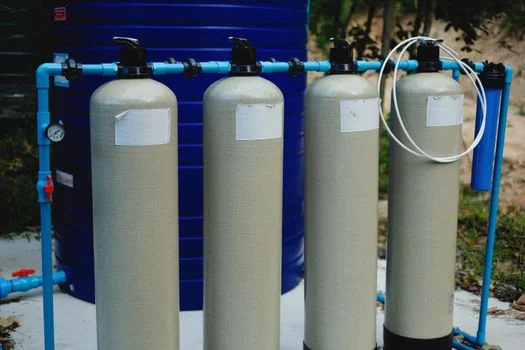
Selecting the right wastewater treatment technology for a Porto hospital requires a detailed assessment of its capabilities against the city’s stringent discharge limits and unique contaminant profile. Membrane Bioreactor (MBR) systems offer a high degree of treatment, achieving 99.9% pathogen removal and consistently producing effluent with <50 mg/L COD. Their compact footprint, often around 0.5 m² per module, is advantageous in space-constrained hospital environments. However, MBR systems come with a significant capital expenditure (CAPEX) of approximately €500,000 for a medium-sized hospital plant and require substantial energy input, around 2.5 kWh/m³. Dissolved Air Flotation (DAF) systems are primarily effective for removing suspended solids (TSS), typically achieving 92-97% removal. They can handle high flow rates, from 4 to 300 m³/h, and have a lower CAPEX, around €120,000. However, DAF alone is insufficient for pathogen or pharmaceutical removal and necessitates a secondary disinfection stage. Chlorine dioxide (ClO₂) generators, such as HydropureWater’s, offer a highly effective disinfection method, capable of achieving 99.99% pathogen kill, including multidrug-resistant bacteria, with minimal residual chlorine (<0.1 mg/L). Their CAPEX is considerably lower, around €80,000, and energy consumption is efficient at 0.3 kWh/m³. For Porto’s specific requirements, MBR systems can meet all Águas do Porto limits, including phosphorus and carbamazepine, though at a high cost. A DAF system, when coupled with a ClO₂ generator for disinfection, can manage TSS and pathogens but will likely fail to meet the strict <1 µg/L carbamazepine limit due to DAF’s limited removal of dissolved pharmaceutical compounds. Standalone DAF also fails on fecal coliform limits without disinfection. Therefore, a combination of advanced treatment steps or a comprehensive MBR solution is often required. Porto’s municipal sewer pre-treatment requirements, typically mandating pH between 6–9 and limiting FOG (Fats, Oils, and Grease) to <500 mg/L, must also be considered. MBR systems naturally handle a wider range of influent conditions, while DAF systems may require upstream grease traps. Chlorine dioxide is effective as a post-treatment disinfection step and does not impose significant pre-treatment demands beyond general flow equalization.
| Feature | MBR System | DAF System + Chlorine Dioxide Generator | HydropureWater ClO₂ Generator |
|---|---|---|---|
| Pathogen Removal | 99.9% | 92-97% TSS + 99.99% disinfection | 99.99% (disinfection) |
| Pharmaceutical Removal | High (e.g., Carbamazepine reduction) | Low (unless specific pre-treatment included) | N/A (disinfection only) |
| COD Reduction | High (<50 mg/L effluent) | Moderate (requires biological stage) | N/A (disinfection only) |
| TSS Removal | Very High (<5 mg/L effluent) | 92-97% | N/A (disinfection only) |
| Footprint | Compact (0.5 m² modules) | Larger (requires multiple units) | Compact |
| CAPEX (Est.) | €500,000 | €120,000 (DAF) + €80,000 (ClO₂) = €200,000 | €80,000 |
| OPEX (Est.) | €2.50/m³ (incl. membrane replacement) | €1.20/m³ (chemicals + energy) | €0.30/m³ (chemicals + energy) |
| Porto Compliance | Meets all limits | Fails on pharmaceuticals; requires secondary disinfection | Meets disinfection limits for MDRB |
| Pre-treatment Needs | Minimal pre-filtration | Requires FOG/solids removal | Minimal |
For comprehensive removal of pharmaceuticals and pathogens, consider HydropureWater’s integrated MBR systems. For robust disinfection, their chlorine dioxide generators are ideal. If TSS removal is the primary concern, a DAF system can be a cost-effective component.
2026 Cost Models: CAPEX, OPEX, and ROI for Porto Hospitals
Budgetary planning for hospital wastewater treatment in Porto requires a clear understanding of capital expenditure (CAPEX), operational expenditure (OPEX), and potential return on investment (ROI), factoring in local cost structures and potential surcharges. A full-scale MBR system, while highly effective, represents a significant upfront investment, with CAPEX typically around €500,000 for a facility serving a medium-sized hospital. The OPEX for MBR is also higher, estimated at €2.50/m³, largely due to membrane replacement cycles (every 5 years) and energy consumption. For hospitals with over 500 beds, the long-term benefits and compliance assurance can lead to a 10-year ROI. A combined DAF and Chlorine Dioxide (ClO₂) disinfection system presents a more accessible CAPEX, around €200,000 (€120,000 for DAF, €80,000 for ClO₂). Its OPEX is lower, at approximately €1.20/m³, primarily for chemical consumables and energy. This configuration often yields a 5-year ROI for hospitals with 200–500 beds. It's crucial to note that standalone ozone systems, while having a low CAPEX (€80,000) and OPEX (€0.80/m³), are often insufficient for removing persistent pharmaceutical residues, failing Águas do Porto’s specific limits, rendering them unsuitable as a sole solution. Beyond equipment costs, sludge disposal represents a significant hidden OPEX component. Porto’s 2025 waste management tariffs classify hospital sludge as hazardous waste, costing between €150–€300 per ton. For MBR systems, which produce more concentrated sludge, this can add 20–30% to the overall OPEX. hospitals must factor in potential municipal sewer surcharges. Águas do Porto may levy charges of €0.50/m³ for BOD levels exceeding 125 mg/L. Implementing effective pre-treatment and on-site treatment is therefore essential to avoid these surcharges and demonstrate compliance.
| System Type | Estimated CAPEX | Estimated OPEX (per m³) | Typical ROI Period | Additional Costs |
|---|---|---|---|---|
| MBR System | €500,000 | €2.50 | 10 years (>500 beds) | Sludge disposal (20-30% OPEX increase) |
| DAF + ClO₂ Generator | €200,000 | €1.20 | 5 years (200-500 beds) | Sludge disposal |
| Ozone System (Insufficient for Pharmaceuticals) | €80,000 | €0.80 | N/A (fails compliance) | Sludge disposal |
Consider the total cost of ownership when evaluating options, including sludge disposal and potential surcharges. For detailed cost analysis and ROI projections specific to your hospital’s needs, contact HydropureWater.
2026 Zero-Risk Compliance Checklist for Porto Hospitals
Achieving and maintaining zero-risk compliance with Porto’s wastewater regulations requires a systematic approach, focusing on proactive measures and robust documentation. The Portuguese Environmental Agency (APA) and Águas do Porto are increasingly scrutinizing hospital effluent, with 2025 inspection priorities emphasizing pharmaceutical discharge and AMR control. First, implement essential pre-treatment: install rotary mechanical bar screens, such as HydropureWater’s GX Series, to effectively remove solids larger than 6 mm, a key requirement from Águas do Porto for 2025. For disinfection, chlorine dioxide (ClO₂) generators (e.g., HydropureWater) are recommended over UV systems, as they offer superior efficacy against multidrug-resistant bacteria (MDRB) and are effective against norovirus, aligning with Portuguese Ministry of Health 2024 guidelines. Continuous monitoring is crucial; for hospitals exceeding 200 beds, installing online COD/BOD sensors is a 2025 mandate from Águas do Porto. Meticulous documentation is non-negotiable. Maintain three years of daily logs detailing pH, COD, BOD, and fecal coliform counts, as required by the Portuguese Environmental Agency for 2025 audits. Finally, develop a comprehensive emergency protocol for pharmaceutical spills, as mandated by Decree-Law 236/98 Article 12, to mitigate immediate environmental impact. Following this checklist will significantly reduce the risk of fines and operational disruptions.
- Pre-treatment: Install rotary mechanical bar screens (GX Series) to remove solids >6 mm (Águas do Porto 2025 requirements).
- Disinfection: Utilize chlorine dioxide for MDRB efficacy; UV is less effective against norovirus (Portuguese Ministry of Health 2024 guidelines).
- Monitoring: Install online COD/BOD sensors for hospitals >200 beds (Águas do Porto 2025 mandate).
- Documentation: Maintain 3 years of daily logs for pH, COD, BOD, and fecal coliforms (Portuguese Environmental Agency 2025 audit requirements).
- Emergency Protocol: Develop a spill response plan for pharmaceutical spills (Decree-Law 236/98 Article 12).
Frequently Asked Questions
What are the specific wastewater discharge limits for hospitals in Porto?
Hospitals in Porto must adhere to EU Directive 91/271/EEC and Portugal’s Decree-Law 236/98, but Águas do Porto enforces stricter local limits for 2025. Key parameters include COD (<75 mg/L typical municipal, hospital specifics vary), BOD5 (<25 mg/L typical municipal, hospital specifics vary), Total Phosphorus (<10 mg/L), Fecal Coliforms (<10,000 CFU/100mL), and crucially, pharmaceuticals like Carbamazepine (<1 µg/L).
How much does a hospital wastewater treatment system cost in Porto?
Costs vary significantly by technology. CAPEX can range from approximately €80,000 for a Chlorine Dioxide generator, €200,000 for a DAF + ClO₂ combination, up to €500,000 for a full MBR system. OPEX typically ranges from €0.30/m³ (ClO₂ only) to €2.50/m³ (MBR). Additional costs for sludge disposal, estimated at €150–€300/ton in Porto, must also be factored in.
Which wastewater treatment system is best for removing antibiotic-resistant bacteria in Porto?
Based on MDPI 2025 study data, MBR systems offer high removal rates for both pathogens and ARGs. For disinfection, Chlorine Dioxide (ClO₂) generators are highly effective against multidrug-resistant bacteria (MDRB), achieving 99.99% kill rates, and are recommended over UV systems. A combined approach, such as DAF for solids and ClO₂ for disinfection, can be effective if pharmaceutical removal is addressed separately or through advanced MBR technology.
What are the penalties for non-compliance with hospital wastewater regulations in Porto?
The Portuguese Environmental Agency (APA) can impose substantial fines. The Hospital de São João in Porto was fined €250,000 in 2023 for COD exceedances. Daily fines can also be levied, potentially up to €10,000 per day for persistent violations, as confirmed by APA in 2023. Non-compliance also carries significant reputational damage.
Further Reading
Explore these in-depth articles on related wastewater treatment topics: