Why Khon Kaen Hospitals Need Advanced Wastewater Treatment
Hospitals in Khon Kaen must treat wastewater to meet Thailand’s Ministry of Public Health (MoPH) domestic effluent standards, which strictly mandate Chemical Oxygen Demand (COD) levels below 50 mg/L and Total Kjeldahl Nitrogen (TKN) under 35 mg/L. Enforcement under the Public Health Act B.E. 2535 has intensified, with provincial authorities in Khon Kaen conducting more frequent audits of medical facilities. Non-compliance risks include heavy fines, mandatory operational suspensions, and significant reputational damage in a region positioning itself as a medical hub for Northeast Thailand. Traditional pond systems, once the regional standard, are increasingly inadequate for removing modern contaminants such as pharmaceutical residues and antibiotic-resistant bacteria.
Historical data from the Khon Kaen Psychiatric Hospital demonstrates the potential of localized treatment solutions. Research into soil treatment using the Roi-et soil series achieved a 92% reduction in COD, bringing influent levels from 500 mg/L down to 40 mg/L by utilizing a bulk density of 1.70 gm/cm³. However, while effective in controlled studies, soil-based systems are land-intensive and highly dependent on specific soil textures, making them difficult to scale for expanding urban facilities. The recent tender for wastewater pond upgrades at Thanyarak Khon Kaen Hospital further underscores the trend: aging infrastructure in Khon Kaen is reaching its hydraulic and biological limit, necessitating a shift toward high-efficiency, small-footprint technologies.
Pathogen management remains the primary driver for technological upgrades. Hospital effluent often contains high concentrations of fecal coliform (standardized at <1,000 MPN/100mL) and emerging viral threats that traditional stabilization ponds cannot reliably neutralize. Without advanced disinfection, these pathogens enter local waterways, posing a public health risk. Modern engineering mandates a multi-barrier approach to ensure that Khon Kaen’s medical facilities meet both current MoPH standards and future environmental regulations focused on pharmaceutical micropollutants.
Treatment Technologies for Hospital Wastewater: Engineering Specs and Performance Benchmarks
Soil treatment remains a viable low-cost option for psychiatric and long-term care facilities in Khon Kaen where land is available, typically requiring 5–10 m² of dedicated area per m³/day of flow. Engineering parameters for these systems focus on the Roi-et and Nam Phong soil series, requiring bulk densities between 1.70 and 1.90 gm/cm³ and hydraulic loading rates restricted to 0.5–2 cm/day. While these systems can reduce TKN from 45 mg/L to 15 mg/L, they lack the precision and pathogen-kill rates required for general acute-care hospitals with high-strength surgical waste.
For high-density medical centers, Membrane Bioreactor (MBR) technology has become the benchmark. Engineering specifications for MBR systems for hospital wastewater in Khon Kaen typically feature a membrane pore size of 0.1 μm, effectively creating a physical barrier against most bacteria and suspended solids. Operating at flux rates of 15–25 LMH (liters per square meter per hour), MBRs consistently produce effluent with COD <30 mg/L and TSS <5 mg/L. This compact technology requires only 1–2 m² per m³/day, though it carries an energy consumption profile of 0.8–1.2 kWh/m³ and requires membrane replacement every 5 to 7 years depending on cleaning protocols.
Disinfection is the final critical stage, where UV technology is replacing chlorine due to safety and chemical-free operation. To achieve a 99.9% pathogen kill rate, systems must deliver a minimum UV dose of 40 mJ/cm². Modern UV units, similar to those utilized by the Bangkok Hospital Group, offer lamp lifespans of 12,000 hours and reduce operational expenses (OPEX) by approximately 40% compared to traditional chlorine dosing. When combined, MBR and UV systems—currently utilized by facilities like Ratchaphruek Hospital—represent the gold standard, ensuring effluent COD remains below 20 mg/L with zero detectable pathogens.
| Parameter | Soil Treatment (Roi-et Series) | MBR System | UV Disinfection (Add-on) |
|---|---|---|---|
| Footprint | 5–10 m² per m³/day | 1–2 m² per m³/day | <0.5 m² per m³/day |
| Effluent COD | 40–50 mg/L | <30 mg/L | No Change |
| Pathogen Kill | Moderate (90-95%) | High (99%) | Ultra-High (99.99%) |
| Energy Use | Low (<0.2 kWh/m³) | 0.8–1.2 kWh/m³ | 0.3–0.5 kWh/m³ |
| Maintenance | Manual (Sludge/Soil) | Technical (Membrane) | Low (Lamp swap) |
CAPEX, OPEX, and ROI: Cost Breakdown for Khon Kaen Hospitals
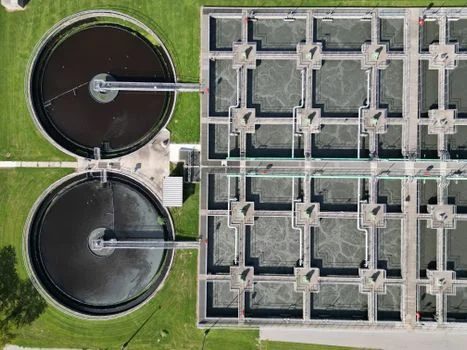
Capital expenditure (CAPEX) for hospital wastewater systems in Khon Kaen is heavily influenced by land value and technology complexity. Soil treatment systems are the least expensive in terms of equipment, ranging from 500–800 THB per m³/day of capacity; however, at Khon Kaen’s average land cost of 1,500 THB/m², the total investment often exceeds that of mechanical systems for large facilities. In contrast, MBR systems require a higher initial investment of 1,200–1,800 THB per m³/day but save significantly on space, making them more cost-effective for hospitals located in the Muang Khon Kaen district.
Operational expenditure (OPEX) must account for energy, consumables, and labor. An MBR system’s primary cost is electricity (0.8–1.2 kWh/m³) and periodic membrane replacement, while UV systems require lamp replacements every 12-18 months. Soil treatment systems, while low on power, require high maintenance labor (estimated at 200 THB/hour for manual soil tilling and sludge management) to prevent clogging. For a typical 50-bed hospital producing 50 m³/day, the higher OPEX of an MBR system is often offset by the elimination of regulatory fines, which can exceed 1 million THB annually for persistent non-compliance.
The Return on Investment (ROI) for advanced MBR + UV systems typically materializes within 3 to 5 years. This calculation includes the avoidance of environmental penalties and the potential for water reuse in cooling towers or landscape irrigation, which is a growing priority for MBR adoption in resource-constrained hospitals. Khon Kaen hospitals can access funding through Ministry of Natural Resources and Environment (MNRE) upgrade grants or low-interest environmental loans from the Government Savings Bank (GSB), specifically designed for medical infrastructure modernization.
| Cost Component | Soil Treatment (50 m³/day) | MBR + UV System (50 m³/day) |
|---|---|---|
| Initial CAPEX | 40,000 - 60,000 THB | 75,000 - 115,000 THB |
| Land Cost (Est.) | 375,000 - 750,000 THB | 75,000 - 150,000 THB |
| Annual OPEX | 15,000 - 25,000 THB | 35,000 - 50,000 THB |
| Regulatory Risk | High (Variable) | Zero (Consistent) |
Compliance Checklist: Meeting Thai MoPH Standards in Khon Kaen
Facility managers in Khon Kaen must adhere to a strict quarterly effluent testing schedule to maintain compliance with MoPH standards. Samples must be analyzed for pH (5.5–9.0), COD (<50 mg/L), TKN (<35 mg/L), and fecal coliform (<1,000 MPN/100mL). It is highly recommended to use accredited local institutions, such as the Khon Kaen University (KKU) Environmental Laboratory, to ensure results are legally defensible during provincial inspections. Any deviation from these standards must be reported immediately along with a corrective action plan.
The permitting process requires a comprehensive submission to the Khon Kaen Provincial Office of Natural Resources and Environment. Required documentation includes the facility’s Environmental Impact Assessment (EIA), detailed engineering specifications of the treatment plant, and a certified maintenance log. For facilities struggling with high COD due to pharmaceutical residues, integrating automatic dosing systems for advanced oxidation or activated carbon pre-treatment is often a prerequisite for permit renewal.
Common compliance failures in the region often stem from inadequate disinfection or pH fluctuations. If fecal coliform counts exceed limits, managers should evaluate chemical-free disinfection for hospital wastewater using UV or Chlorine Dioxide (ClO₂), which are more effective than standard chlorine against encysted parasites. Rigorous recordkeeping is essential; daily logs should track influent flow rates, energy consumption, and equipment run-times to provide a transparent audit trail for health inspectors.
Equipment Selection Framework for Khon Kaen Hospitals

Selecting the appropriate wastewater equipment requires a balanced evaluation of land availability, effluent quality targets, and long-term budget constraints. Psychiatric hospitals and rehabilitation centers with large campuses can leverage their land for soil treatment, provided the soil profile matches the Roi-et series parameters. However, for most general hospitals in Khon Kaen, the risk of soil clogging and the need for future-proofing against stricter TKN standards make MBR the preferred technical choice. The decision should follow a logic-based approach: if land is <2 m² per m³/day, MBR is the only viable solution.
For general hospitals, modularity is a key selection criterion. Systems like the WSZ series for 1–80 m³/h allow for underground installation, preserving valuable surface land for parking or clinical expansions. These integrated units combine biological treatment with settling and disinfection in a single footprint. In contrast, small clinics or specialized medical offices with flows under 10 m³/day should prioritize compact ozone disinfection systems for small clinics, which offer a footprint of less than 0.5 m² and require minimal technical oversight.
| Hospital Type | Recommended System | Primary Benefit |
|---|---|---|
| Psychiatric / Rural | Soil Treatment or Integrated Fixed-Film | Low CAPEX / Simple Operation |
| General Acute Care | MBR + UV (WSZ Series) | Consistent Compliance / Small Footprint |
| Specialized Clinics | Medical Wastewater System (Ozone/Compact) | Ease of Installation / Low Maintenance |
| Large Medical Hubs | MBR + Advanced Oxidation | Removal of Pharmaceuticals / Water Reuse |
When evaluating global standards, Khon Kaen engineers can look to global benchmarks for hospital wastewater treatment to anticipate future regulatory shifts toward the removal of micro-plastics and specific antibiotic compounds. By selecting equipment that exceeds current MoPH standards today, Khon Kaen hospitals ensure a 15–20 year operational life without the need for costly mid-cycle retrofits.
Frequently Asked Questions
What are the specific effluent standards for hospitals in Khon Kaen?
Hospitals must comply with the Thailand Ministry of Public Health (MoPH) domestic wastewater standards. Key parameters include COD <50 mg/L, TKN <35 mg/L, pH 5.5–9.0, and fecal coliform <1,000 MPN/100mL. These are enforced under the Public Health Act B.E. 2535, and regular testing via accredited labs like Khon Kaen University is required for compliance.
Is soil treatment still a viable option for modern hospitals?
Soil treatment is viable primarily for psychiatric or rural hospitals where land is abundant. As seen in the Khon Kaen Psychiatric Hospital case study, using Roi-et soil can achieve 92% COD reduction. However, for urban general hospitals, MBR systems are preferred due to their much smaller footprint (1-2 m² vs 5-10 m² per m³/day) and higher reliability in removing pathogens.
How does UV disinfection compare to chlorine for medical waste?
UV disinfection offers a chemical-free alternative that is highly effective against chlorine-resistant pathogens. It typically requires a dose of 40 mJ/cm² for hospital applications. While the initial CAPEX is higher, UV reduces OPEX by roughly 40% because it eliminates the need for chemical purchasing and hazardous material handling, as demonstrated in many compact ozone disinfection systems for small clinics.
What is the typical ROI for an MBR system in a Thai hospital?
The ROI for an MBR + UV system in a Khon Kaen hospital is generally 3 to 5 years. This is achieved through the elimination of non-compliance fines, reduced water procurement costs via reuse, and lower maintenance labor compared to manual pond or soil systems. Funding is often available through MNRE grants or GSB environmental loans.
How often should hospital wastewater membranes be replaced?
In a well-maintained MBR system, membranes typically last 5 to 7 years. Lifespan is extended by proper pre-screening to remove hair and fibers, and by following automated Clean-In-Place (CIP) protocols. Regular monitoring of transmembrane pressure (TMP) is essential to ensure the longevity of MBR systems for hospital wastewater in Khon Kaen.
Further Reading
Explore these in-depth articles on related wastewater treatment topics: