South Dakota’s Industrial Wastewater Challenge: Compliance, Costs, and Capacity
South Dakota’s industrial wastewater treatment landscape is defined by strict EPA and SDDANR regulations, with municipalities like Sioux Falls processing 18.2 million gallons/day of wastewater—3.5% from industrial sources. Facilities must meet pretreatment standards for COD (<250 mg/L), TSS (<200 mg/L), and pH (6.0–9.0) before discharge to rivers like the Big Sioux. This guide provides 2026 engineering specs for DAF, MBR, and chemical dosing systems, cost models for equipment upgrades, and a zero-risk compliance framework for food processing, hospitals, and meat plants.
South Dakota’s top 20 cities discharge 49.2 million gallons per day of treated wastewater, with Sioux Falls alone contributing 18.2 million gallons to the Big Sioux River (per SD News Watch 2018 data). While industrial sources like food processing plants, hospitals, and meat processors account for only 3.5% of the total inflow volume in Sioux Falls, they drive approximately 80% of pretreatment violations. These violations often stem from excessive grease, erratic pH levels, and high Chemical Oxygen Demand (COD). For instance, a 2016 incident involving a hospital in Sioux Falls resulted in the release of 20,000 gallons of grease into state waters, highlighting the vulnerability of municipal systems to industrial process failures.
The stakes for industrial facility managers have never been higher. Proposed $260 million upgrades in Sioux Falls include $160 million dedicated to the treatment plant to expand peak capacity from 21 million to 30 million gallons per day. This expansion signals a tightening of local enforcement; municipalities can no longer absorb industrial process fluctuations. Recent history underscores this urgency: a 2017 manhole release of 302,000 gallons of wastewater went undetected for a week, leading to severe environmental impacts and significant financial penalties. Scalable, high-efficiency equipment is no longer optional for South Dakota industries.
| Municipality | Daily Treated Discharge (MGD) | Receiving Waterway | Industrial Contribution (%) |
|---|---|---|---|
| Sioux Falls | 18.2 | Big Sioux River | 3.5% |
| Rapid City | 12.2 | Rapid Creek | ~2.8% |
| Aberdeen | 4.5 | Moccasin Creek | ~4.1% |
| Watertown | 3.8 | Big Sioux River | ~3.2% |
EPA and SDDANR Compliance: Pretreatment Standards for South Dakota Industries
South Dakota Department of Agriculture and Natural Resources (SDDANR) Surface Water Discharge Permits regulate industrial effluent through Administrative Rules of South Dakota (ARSD 74:51:01). These standards mandate strict limits for Chemical Oxygen Demand (COD <250 mg/L), Total Suspended Solids (TSS <200 mg/L), pH (6.0–9.0), and oil/grease (<100 mg/L). Heavy metal limits are even more granular, with parameters like chromium restricted to <2.77 mg/L for specific industrial categories. Failure to meet these metrics results in EPA fines reaching $37,500 per violation, per day, alongside potential permit revocation and lasting reputational damage.
In Aberdeen, the Industrial Pretreatment Program requires Wastewater Discharge Permits for any facility discharging more than 25,000 gallons per day or those handling high-strength pollutants, such as meat packing plants and regional hospitals. These permits are not static; they require regular sampling and reporting. For example, the Sioux Falls pretreatment system is designed to accept up to 1 million gallons per day from the Smithfield Foods pork plant during heavy rain events, but this surge capacity is contingent upon the facility meeting strict primary treatment benchmarks. Without robust on-site equipment, industrial users risk being cut off from the municipal grid during peak flow events to protect the city’s biological treatment stages.
| Pollutant Parameter | SDDANR/EPA Limit (Pretreatment) | Typical Industrial Raw Influent | Required Removal Efficiency |
|---|---|---|---|
| COD | <250 mg/L | 1,500 - 4,000 mg/L | 83% - 94% |
| TSS | <200 mg/L | 800 - 2,500 mg/L | 75% - 92% |
| Fats, Oils, Grease (FOG) | <100 mg/L | 300 - 1,200 mg/L | 66% - 92% |
| pH Range | 6.0 - 9.0 | 4.5 - 11.0 | Neutralization Required |
| Chromium/Heavy Metals | <2.77 mg/L | 5.0 - 15.0 mg/L | 45% - 82% |
DAF vs. MBR for South Dakota Industrial Wastewater: Engineering Specs and Removal Efficiencies
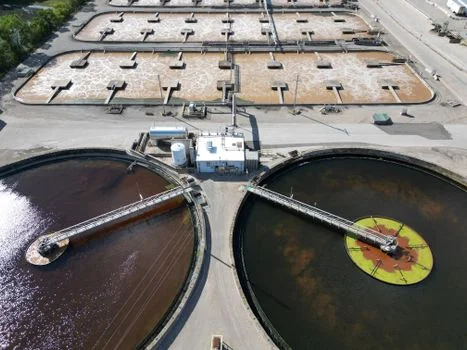
Dissolved Air Flotation (DAF) systems, such as HydropureWater’s, are the primary choice for South Dakota’s food processing and meat plants because they excel at removing non-soluble organics and grease. According to EPA 2024 benchmarks, DAF systems for South Dakota food processing plants remove over 95% of TSS and 90% of FOG. These systems operate by injecting micro-bubbles into the wastewater, which attach to particles and float them to the surface for mechanical skimming. With flow rates ranging from 4 to 300 m³/h, DAF provides the scalability required by mid-sized processors in Watertown and Aberdeen.
Conversely, Membrane Bioreactor (MBR) systems are increasingly deployed where high-quality effluent is required for water reuse or where footprint is a major constraint. MBR systems for high-efficiency wastewater treatment in South Dakota, like the HydropureWater MBR series, achieve ultra-low discharge levels, often <10 mg/L TSS and <50 mg/L COD. While MBR systems require a higher initial capital expenditure ($250K–$1.2M for capacities of 50–500 m³/day), they offer a 60% smaller footprint compared to traditional activated sludge systems. In Sioux Falls, where Smithfield Foods utilizes DAF for primary FOG removal, MBR could serve as a secondary stage to meet the most stringent Big Sioux River discharge standards, effectively future-proofing the facility against evolving SDDANR requirements.
| Feature | DAF (Dissolved Air Flotation) | MBR (Membrane Bioreactor) |
|---|---|---|
| Primary Target | FOG, TSS, Insoluble COD | Soluble COD, BOD, Bacteria |
| TSS Removal | 95% - 98% | >99% (<5 mg/L) |
| Energy Use | 0.1 – 0.3 kWh/m³ | 0.4 – 0.8 kWh/m³ |
| Footprint | Moderate | Compact (60% smaller) |
| Effluent Quality | Pretreatment Standard | Reuse/Irrigation Quality |
Chemical Dosing for pH Adjustment and Heavy Metal Removal: Costs and Compliance
Chemical dosing for pH neutralization in South Dakota industrial facilities typically requires a precision range of 6.0 to 9.0 to prevent municipal surcharge penalties and protect sewer infrastructure. According to IER Solutions 2024 data, pH adjustment costs in the region range from $0.15 to $0.30 per 1,000 gallons treated, depending on the acidity of the raw influent (e.g., from dairy processing) or alkalinity (e.g., from industrial cleaning). Implementing an automatic chemical dosing system for pH adjustment and heavy metal removal ensures that reagents like sulfuric acid or sodium hydroxide are utilized only when necessary, minimizing chemical waste and preventing "over-shooting" the target pH.
Heavy metal removal adds another layer of complexity for South Dakota’s manufacturing and healthcare sectors. Facilities discharging chromium, nickel, or lead must utilize chelating agents or ion exchange resins within their dosing systems, which can increase operational costs by $0.20–$0.50 per 1,000 gallons. In Sioux Falls, hospital wastewater frequently fluctuates between pH 5.0 and 11.0 due to sterilization processes. By automating the dosing process, these facilities achieve a rapid ROI, often paying for the equipment in less than 24 months through the total avoidance of EPA fines and reduced municipal surcharges. optimized dosing reduces the volume of hazardous sludge, lowering disposal costs at regional landfills.
| Chemical Agent | Application | Avg. Dosage (mg/L) | Est. OPEX ($/1k gal) |
|---|---|---|---|
| Coagulants (PAC/Alum) | TSS/FOG Flocculation | 50 - 150 | $0.12 - $0.25 |
| Flocculants (PAM) | Sludge Dewatering | 2 - 10 | $0.05 - $0.10 |
| Caustic/Acid | pH Neutralization | As needed | $0.15 - $0.30 |
| Chelating Agents | Heavy Metal Removal | 10 - 30 | $0.20 - $0.45 |
Cost Breakdown: Wastewater Treatment Equipment for South Dakota Facilities
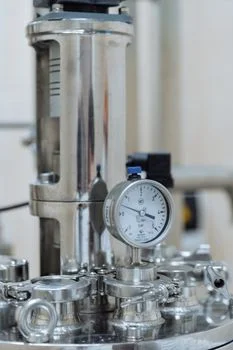
The capital expenditure (CapEx) for industrial wastewater equipment in South Dakota varies by 400% depending on whether primary (DAF) or tertiary (MBR) treatment is required. For a standard food processing plant in the Black Hills or Sioux Falls, a DAF system typically ranges from $80,000 to $500,000. Operational expenses (OPEX) for these units are relatively low, averaging $0.05 to $0.15 per cubic meter, covering electricity for air saturation and chemical polymers. For comparative wastewater treatment cost models for Western U.S. states, South Dakota remains competitive due to lower utility rates, though chemical transport costs can fluctuate.
MBR systems represent a more significant investment, with CapEx between $250,000 and $1.2 million. The OPEX is also higher, at $0.20 to $0.40 per cubic meter, primarily due to membrane replacement cycles every 5 to 7 years and higher aeration demands. However, when considering the $40 million allocated for DAF and MBR upgrades in the Sioux Falls plant expansion, it becomes clear that decentralized industrial treatment often provides a better ROI than paying increased municipal volumetric fees. To assist with these costs, South Dakota facilities can access the SDDANR Clean Water State Revolving Fund (CWSRF) or USDA Rural Development loans, which currently offer interest rates between 2% and 4% for infrastructure improvements.
| System Type | CapEx Range (USD) | OPEX ($/m³) | Maintenance Requirements |
|---|---|---|---|
| DAF (Basic) | $80,000 - $220,000 | $0.05 - $0.10 | Monthly pump/skimmer check |
| DAF (Advanced) | $220,000 - $500,000 | $0.10 - $0.15 | Bi-weekly sensor calibration |
| MBR (Standard) | $250,000 - $600,000 | $0.20 - $0.30 | Semi-annual membrane cleaning |
| MBR (High-Cap) | $600,000 - $1.2M | $0.30 - $0.40 | Quarterly membrane integrity tests |
Zero-Risk Equipment Selection: A Decision Framework for South Dakota Facilities
Choosing the right wastewater equipment requires a systematic evaluation of process chemistry and regulatory pressure. For South Dakota facility managers, the following framework ensures compliance while minimizing long-term costs:
- Step 1: Pollutant Profiling: Identify your primary pollutants. If your facility deals with high FOG (e.g., meat processing), DAF is the logical choice. If you are targeting dissolved organic matter or require water reuse for cooling towers, MBR is necessary. For broader regional context, see wastewater treatment solutions for neighboring states.
- Step 2: Hydraulic Load Analysis: Calculate your average and peak flow rates. Sioux Falls’ Smithfield plant, for example, must account for 1 million gallon/day surges. Ensure your equipment is sized for 120% of your maximum recorded peak to avoid bypass events.
- Step 3: Space and Integration: Evaluate available real estate. If space is limited, an integrated MBR system provides the highest treatment density. If space is available, a DAF system followed by a settling pond may be more cost-effective.
- Step 4: Financial Modeling: Compare the 10-year Total Cost of Ownership (TCO). DAF has lower CapEx but may result in higher municipal surcharges if soluble COD remains high. MBR has higher CapEx but can eliminate surcharges entirely and allow for water recycling.
- Step 5: Compliance Verification: Cross-reference equipment specs with SDDANR and local municipal codes (e.g., Aberdeen Chapter 54). Ensure the manufacturer provides a performance guarantee for COD <250 mg/L and TSS <200 mg/L.
For those operating in global markets, food processing wastewater treatment best practices often mirror the rigorous standards seen in South Dakota, emphasizing the need for robust, automated primary treatment.
Frequently Asked Questions
What are the EPA discharge limits for industrial wastewater in South Dakota?
Standard pretreatment limits typically include COD <250 mg/L, TSS <200 mg/L, pH between 6.0 and 9.0, and oil/grease <100 mg/L. Specific limits may vary based on your local municipality’s Industrial Pretreatment Program.
How much does a DAF system cost for a food processing plant in South Dakota?
A typical DAF installation costs between $80,000 and $500,000 in CapEx. Operational costs range from $0.05 to $0.15 per cubic meter of water treated, depending on chemical dosing requirements.
What financing options are available for wastewater treatment upgrades in South Dakota?
Facilities can apply for SDDANR grants, the EPA Clean Water State Revolving Fund (CWSRF) loans, and USDA Rural Development loans, often featuring interest rates in the 2–4% range.
Can MBR systems handle Sioux Falls’ peak flow rates during heavy rain?
Yes, modern MBR systems are modular and can be scaled to handle flows exceeding 2,000 m³/day. They are designed with equalization tanks to manage surge events without compromising effluent quality.
What are the consequences of non-compliance with SDDANR pretreatment standards?
Non-compliance can result in EPA fines of up to $37,500 per day per violation, mandatory facility shutdowns, permit revocation, and potential legal action from municipal authorities.