Idaho’s Industrial Wastewater Regulatory Landscape: DEQ Requirements and Emerging Contaminant Challenges
Idaho DEQ review and approval is mandatory for all industrial wastewater system designs prior to the commencement of construction (Idaho DEQ 2024). For facility managers in Boise, Pocatello, or Idaho Falls, navigating the regulatory framework requires immediate coordination with regional offices, such as the Boise regional office at (208) 373-0488. The primary objective for any industrial facility is to ensure that effluent meets the stringent National Pollutant Discharge Elimination System (NPDES) standards, which are increasingly focused on both traditional pollutants and the growing threat of emerging contaminants (ECs).
Current discharge limits for Idaho industrial facilities typically mandate BOD levels below 30 mg/L and TSS levels below 30 mg/L, with a pH range strictly maintained between 6 and 9. specific industrial sectors must manage heavy metals to precise thresholds, including arsenic at less than 0.1 mg/L and lead at less than 0.015 mg/L. However, the regulatory landscape is shifting. As noted in recent research (IOPscience 2024), there is a significant policy lag regarding per- and polyfluoroalkyl substances (PFAS), pharmaceuticals and personal care products (PPCPs), and endocrine-disrupting compounds (EDCs). In the absence of enforceable federal standards, the Idaho DEQ is increasingly placing the monitoring and management burden on individual utilities and industrial permit holders.
This shift is particularly critical in Idaho due to the state’s rapid population growth and inherent water scarcity. Rural treatment infrastructure is often ill-equipped to handle the advanced treatment required for ECs, making it imperative for private industrial facilities to implement robust, future-proof onsite treatment. Failure to address these contaminants now may lead to significant retrofitting costs as Idaho moves toward more formal EC enforcement. Below is a summary of the primary regulatory parameters for industrial discharge in Idaho.
| Parameter | Idaho DEQ Standard (Typical) | Compliance Challenge |
|---|---|---|
| Biochemical Oxygen Demand (BOD) | <30 mg/L | High organic loads in food processing. |
| Total Suspended Solids (TSS) | <30 mg/L | Fine particulate removal in mining and manufacturing. |
| pH Range | 6.0 – 9.0 | Corrosive effluent from CIP processes. |
| Arsenic | <0.1 mg/L | Naturally occurring and industrial byproduct in Idaho. |
| PFAS/PFOS | Monitoring Required | Lack of federal limit shifts burden to local monitoring. |
Engineering Specs for Idaho Industrial Wastewater Treatment: DAF, MBR, and Chemical Dosing Systems
Engineering specifications for Idaho’s industrial sector prioritize high-efficiency solids separation and membrane filtration to mitigate the policy lag associated with emerging contaminants. Selecting the correct equipment involves matching the hydraulic loading rates and contaminant removal efficiencies to the specific waste stream of the facility. For industries dealing with high fats, oils, and grease (FOG) or high TSS, such as Idaho’s robust food processing sector, DAF systems for Idaho industrial wastewater treatment are the standard for primary clarification.
The DAF systems are engineered to achieve 90–98% TSS removal and up to 95% FOG removal. These systems operate with a hydraulic loading rate of 4–8 m/h and are available in 13 standard models ranging from 4 m³/h to 300 m³/h. For facilities requiring higher effluent quality—specifically those looking toward water reuse in water-scarce regions—MBR systems for water reuse in Idaho offer a more advanced solution. The WSZ series MBR utilizes PVDF membranes with a 0.1 μm pore size, ensuring effluent TSS remains below 1 mg/L and COD below 50 mg/L. This technology footprint is approximately 60% smaller than conventional activated sludge systems, making it ideal for facilities with limited land availability.
Effective treatment also relies heavily on precise chemical intervention. Modern chemical dosing systems for Idaho DEQ compliance utilize PLC-controlled injection to manage coagulants like ferric chloride and flocculants like polyacrylamide. In Idaho, many facilities are transitioning to AMALGAM-60 (magnesium hydroxide) for pH adjustment. AMALGAM-60 provides two hydroxides for alkalinity compared to one in traditional NaOH, resulting in a 50% lower usage rate and significantly safer handling for operators. For those addressing complex contaminants, advanced treatment for PFAS in Idaho wastewater through ion exchange resins can achieve selectivity greater than 99%, while Reverse Osmosis (RO) provides a rejection rate of over 98% for PPCPs.
| Equipment Type | Key Specification | Primary Application | Removal Efficiency |
|---|---|---|---|
| DAF | Hydraulic Load: 4–8 m/h | Food Processing / Pulp & Paper | 90–98% TSS; 95% FOG |
| WSZ Series MBR | Membrane Pore: 0.1 μm | Water Reuse / High-Strength Waste | TSS <1 mg/L; COD <50 mg/L |
| Chemical Dosing | PLC-Controlled Injection | pH Adjustment / Coagulation | Variable (Optimizes DAF/MBR) |
| Ion Exchange (IX) | Resin Selectivity >99% | Microelectronics / PFAS Removal | 99%+ PFAS Rejection |
Comparing Wastewater Treatment Technologies for Idaho’s Key Industries
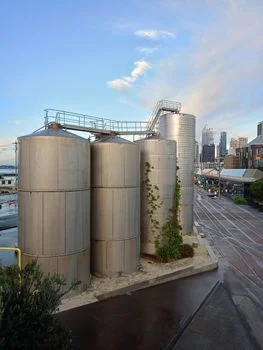
Matching treatment technologies to Idaho’s specific industrial wastewater profiles requires a differentiated approach based on influent organic loading and heavy metal concentrations. The food processing industry, particularly dairy and meat packing in the Magic Valley, generates high-strength wastewater with significant FOG and protein content. For these facilities, a combination of DAF and chemical dosing using AMALGAM-60 is often the most cost-effective path to DEQ compliance. The Jerome Wastewater Treatment Facility serves as a regional benchmark, demonstrating how industrial pre-treatment combined with municipal cooperation handles high organic loads (Jerome ID 2024).
In the mining sector, which is prominent in northern and central Idaho, the primary concern is the removal of heavy metals like arsenic and lead. Chemical precipitation via lime dosing followed by high-rate sedimentation or DAF is required to meet the Idaho DEQ limit of <0.1 mg/L for arsenic. Conversely, the microelectronics sector faces the challenge of "forever chemicals." To meet future regulatory requirements for PFAS, facilities must implement a multi-stage approach involving RO and ion exchange, which can achieve the 99% rejection rates necessary to protect Idaho’s sensitive aquifers.
Municipal pre-treatment also remains a major focus for Idaho industries. Many facilities discharge to Publicly Owned Treatment Works (POTW), which require strict adherence to local limits to prevent biological interference. Implementing DAF systems with a hydraulic loading of 4–8 m/h allows these facilities to remove the bulk of TSS and FOG before the water ever reaches the municipal plant, significantly reducing surcharge fees. For a look at how these standards compare to other regions, facility managers can review global best practices for emerging contaminant treatment to anticipate future Idaho requirements.
| Industry Sector | Primary Contaminants | Recommended Technology | Effluent Target |
|---|---|---|---|
| Food Processing | FOG, BOD, TSS | DAF + AMALGAM-60 Dosing | BOD <30 mg/L; TSS <30 mg/L |
| Mining | Arsenic, Lead, TSS | Chemical Precipitation + DAF | Arsenic <0.1 mg/L |
| Microelectronics | PFAS, Solvents, Metals | RO + Ion Exchange | 99%+ PFAS Removal |
| Municipal Pre-treatment | TSS, FOG | DAF | Meets POTW Surcharge Limits |
Cost Models and ROI for Industrial Wastewater Treatment in Idaho (2026)
Capital expenditure (CAPEX) for industrial Dissolved Air Flotation systems in Idaho typically ranges from $2,400 to $5,000 per m³/h of treatment capacity based on 2026 market projections. For a mid-sized food processing plant in Idaho requiring a 50 m³/h capacity, the total CAPEX for a fully integrated system—including DAF unit, chemical dosing skids, and sludge management—ranges between $120,000 and $250,000. These figures fluctuate based on the degree of automation required and the specific materials of construction needed to handle corrosive waste streams.
Operating expenditure (OPEX) is primarily driven by chemical consumption, power, and maintenance. For DAF systems, OPEX typically falls between $0.80 and $1.50 per m³ of treated water. In contrast, MBR systems have a higher OPEX, ranging from $1.20 to $2.00 per m³, largely due to the energy requirements for membrane aeration and the necessity of membrane replacement every 5 to 7 years. However, the higher OPEX of MBR is often offset by the ability to reuse effluent for non-potable applications like cooling towers or irrigation, which is a significant ROI driver in Idaho’s water-scarce regions. More detailed cost models for industrial wastewater treatment can help Idaho procurement teams benchmark their specific projects against similar regional data.
ROI is further accelerated by the reduction of sludge hauling fees. Utilizing advanced coagulants and pH adjusters like AMALGAM-60 can reduce sludge volume by up to 30%, directly lowering disposal costs. Idaho DEQ offers specific grants and low-interest loans for water reuse projects. Avoiding DEQ fines, which can reach $10,000 per day for repeated violations, remains the most immediate financial justification for investing in high-quality treatment equipment.
| Technology | CAPEX (per m³/h) | OPEX (per m³) | ROI Primary Driver |
|---|---|---|---|
| DAF | $2,400 – $5,000 | $0.80 – $1.50 | Sludge reduction & fine avoidance |
| MBR (WSZ Series) | $5,000 – $8,500 | $1.20 – $2.00 | Water reuse & high-quality effluent |
| Chemical Dosing | $15,000 – $45,000 | Variable | Lower chemical usage (AMALGAM-60) |
Zero-Risk Equipment Selection Checklist for Idaho Industrial Facilities
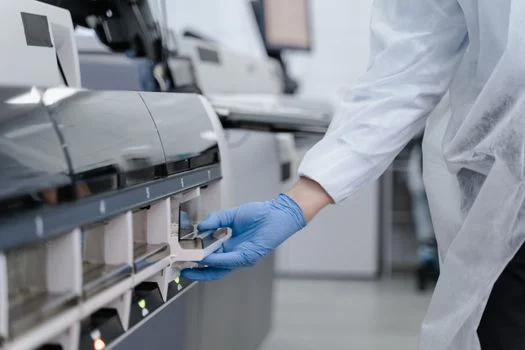
Selecting wastewater treatment equipment in Idaho requires a systematic verification of DEQ compliance and technical performance against specific influent profiles. To ensure a zero-risk implementation, facility managers should follow this structured framework:
- Characterize the Waste Stream: Conduct comprehensive sampling for TSS, FOG, pH, and heavy metals. In light of emerging trends, include testing for PFAS and PPCPs to establish a baseline for future compliance.
- Verify DEQ Approval Requirements: Before purchasing equipment, submit design plans to the Idaho DEQ Boise regional office at (208) 373-0488. Pre-construction approval is a legal requirement in Idaho.
- Match Technology to Contaminants: Utilize DAF for primary clarification of solids and grease. For high-purity requirements or water reuse, prioritize MBR systems. If PFAS is a concern, ensure the system includes RO or Ion Exchange stages.
- Evaluate Chemical Compatibility: Select dosing systems that are compatible with non-hazardous alternatives like AMALGAM-60 to reduce operator risk and sludge volume.
- Calculate Total Cost of Ownership (TCO): Beyond CAPEX, evaluate the 10-year OPEX, including membrane replacement cycles and chemical usage rates. Factor in potential savings from DEQ water reuse grants.
- Assess Supplier Support: Ensure the supplier can provide local or rapid-response technical support and has a proven track record with Idaho’s specific industrial sectors.
Frequently Asked Questions
What are Idaho’s discharge limits for industrial wastewater?
Typical Idaho DEQ discharge limits for industrial facilities are BOD <30 mg/L, TSS <30 mg/L, and a pH between 6.0 and 9.0. Specific heavy metal limits, such as arsenic at <0.1 mg/L, may apply depending on the industry and the receiving water body.
How do I treat PFAS in industrial wastewater in Idaho?
While Idaho currently lacks enforceable state-level PFAS policies, the DEQ encourages monitoring. Effective treatment requires advanced technologies like Ion Exchange (IX) or Reverse Osmosis (RO), which can achieve over 99% removal efficiency. These systems are often integrated as a tertiary treatment step.
What’s the cost of a DAF system for a 50 m³/h food processing plant in Idaho?
For a 50 m³/h system in 2026, CAPEX typically ranges from $120,000 to $250,000. OPEX generally falls between $0.80 and $1.50 per cubic meter treated, depending on chemical costs and sludge disposal fees.
Does Idaho DEQ require pre-construction approval for wastewater systems?
Yes. Idaho law requires that all industrial wastewater system designs be reviewed and approved by the DEQ prior to the start of construction. Contact the Boise regional office at (208) 373-0488 for guidance on the submission process.
Can I reuse treated wastewater in Idaho?
Yes, water reuse is highly encouraged in Idaho due to water scarcity. MBR systems produce high-quality effluent (TSS <1 mg/L) that is suitable for non-potable reuse in cooling towers, dust suppression, or irrigation. The DEQ provides resources and potential grants for facilities implementing reuse programs.