Why Ion Exchange for Fluoride Removal? A 2026 Compliance and Cost Reality Check
The US Environmental Protection Agency (EPA) enforces a Maximum Contaminant Level (MCL) of 4.0 mg/L for fluoride, while the State of California maintains a more stringent 2.0 mg/L standard to prevent dental and skeletal fluorosis. For industrial operators, particularly in the semiconductor and solar cell sectors, discharge limits are often even tighter, frequently requiring fluoride levels below 0.1 mg/L for process water reuse. Achieving these benchmarks requires a shift from traditional bulk removal to high-precision polishing technologies.
Ion exchange for fluoride removal has emerged as the preferred solution for water streams with low-to-medium fluoride concentrations (1–20 mg/L) due to its selective nature and high efficiency. While chemical precipitation for fluoride removal is effective for high-concentration waste, it is physically limited by the theoretical solubility of calcium fluoride (CaF₂), which remains at approximately 8 mg/L under stoichiometric conditions. precipitation generates significant volumes of hazardous sludge, with disposal costs ranging from $0.05 to $0.15 per kilogram, depending on local regulations and moisture content.
Compared to membrane-based solutions like Reverse Osmosis (RO) or Nanofiltration (NF), ion exchange offers a lower energy footprint. RO systems typically consume 0.5–1.5 kWh/m³ and produce a large concentrate stream that is difficult to treat. Ion exchange systems focus specifically on the target ions, minimizing waste volume and avoiding the high pressure requirements of membranes. For facilities aiming for hybrid systems for high-fluoride industrial wastewater, ion exchange serves as the critical final polishing step to reach sub-ppm levels.
| Parameter | CaF₂ Precipitation | Reverse Osmosis (RO) | Ion Exchange (IX) |
|---|---|---|---|
| Effluent Fluoride | 8–20 mg/L | <0.5 mg/L | <0.1 mg/L |
| Energy Demand | Low (Mixing only) | High (0.5–1.5 kWh/m³) | Low (Pumping only) |
| Sludge Generation | High (Significant) | None (Concentrate only) | None (Regenerant only) |
| Selectivity | Low | Non-selective | High (Resin dependent) |
| Ideal F⁻ Range | >50 mg/L | Variable | 1–20 mg/L |
How Ion Exchange Removes Fluoride: Mechanism, Resin Types, and Process Parameters
Fluoride removal via ion exchange relies on the electrostatic attraction between fluoride ions (F⁻) and quaternary ammonium functional groups on strong base anion (SBA) resins, typically in the hydroxide (OH⁻) or chloride (Cl⁻) form. The process is governed by the selectivity sequence of the resin, where fluoride must compete with other anions such as sulfate (SO₄²⁻), chloride (Cl⁻), and bicarbonate (HCO₃⁻). Because fluoride is a small, highly electronegative ion, its hydration shell makes it less preferred than sulfate by standard resins, necessitating careful control of process parameters.
Resin selection is categorized into Type 1 and Type 2 strong base anions. Type 1 resins utilize trimethylamine groups and offer high chemical stability. However, Type 2 resins, which use dimethylethanolamine, are often preferred for potable water applications because they lack the "fishy" odor associated with Type 1 amine leachable. Advanced research (UBC 2026) has demonstrated that pre-loading resins with multivalent metals significantly enhances fluoride affinity. Aluminum-preloaded amino phosphonic acid resins have achieved a maximum fluoride loading capacity of 1.30 mol/kg in 12 wt.% Na₂SO₄ brine, whereas zirconium-preloaded variants typically reach 0.70 mol/kg.
The efficiency of the exchange is highly pH-dependent. The optimal pH range for fluoride adsorption is 5.0 to 6.0. At a pH above 7.0, hydroxide ions (OH⁻) begin to compete aggressively for exchange sites, reducing fluoride removal capacity. Conversely, at a pH below 4.0, fluoride may exist as undissociated hydrofluoric acid (HF), which does not participate in ion exchange. To maintain this narrow window, an PLC-controlled chemical dosing for pH adjustment and resin regeneration is essential for consistent performance.
| Factor | Impact on Efficiency | Engineering Mitigation |
|---|---|---|
| Sulfate (SO₄²⁻) | High competition; reduces capacity | Pre-treatment or selective resin |
| pH Level | Optimal at 5–6; >7 reduces uptake | Acid dosing (H₂SO₄ or HCl) |
| Contact Time | Low BV/h increases removal | Design for 5–15 BV/h |
| Temperature | Minor; high temp can degrade resin | Maintain <40°C for SBA resins |
Resin Selection Guide: Matching Resin Type to Water Chemistry and Compliance Goals
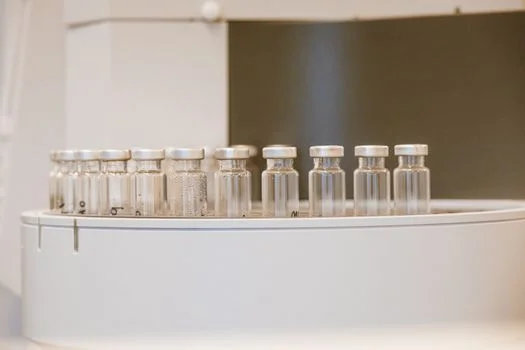
Selecting the correct resin requires a balance between fluoride loading capacity, regeneration efficiency, and the presence of competing ions. For municipal drinking water, Type 2 SBA resins (such as Purolite A400 or equivalent) are the industry standard. These resins operate in the chloride cycle and are regenerated with sodium chloride (NaCl) brine. While their capacity is lower than metal-preloaded resins, their ease of operation and safety profile make them ideal for potable applications.
In industrial settings, particularly for industrial case study: ion exchange in solar cell wastewater treatment, high-capacity specialty resins are required. Aluminum-preloaded resins (1.30 mol/kg capacity) are utilized when high fluoride loading is the priority. However, in streams with high sulfate concentrations (e.g., >500 mg/L), zirconium-preloaded resins are often substituted because zirconium maintains better selectivity for fluoride in the presence of divalent anions, even if the absolute loading capacity is lower (0.70 mol/kg).
Regeneration protocols are the primary driver of resin longevity. Hydroxide-form resins require 1–4% NaOH, while chloride-form resins use 5–10% NaCl. The frequency of regeneration is determined by the fluoride load; for a typical 10 mg/L influent, regeneration may occur every 24–48 hours of operation. With proper pre-filtration to remove suspended solids before ion exchange, high-quality resins can last 5 to 7 years. Without pre-treatment, fouling from organics or silica can reduce resin capacity by 20–40% annually, leading to premature replacement costs.
| Application | Recommended Resin Type | Regenerant | Key Benefit |
|---|---|---|---|
| Potable Water | Type 2 SBA (Chloride form) | NaCl (8–10%) | No odor; easy salt handling |
| Semiconductor Brines | Al-preloaded Chelating | NaOH / Al₂(SO₄)₃ | Maximum capacity (1.30 mol/kg) |
| High Sulfate Waste | Zr-preloaded Chelating | Acid/Base cycle | High selectivity over SO₄²⁻ |
| General Industrial | Type 1 SBA (Hydroxide form) | NaOH (4%) | High thermal/chemical stability |
System Design: Sizing, Flow Rates, and Pre-Treatment for Optimal Performance
Sizing an ion exchange system begins with calculating the daily fluoride load. The formula for resin volume is: Resin Volume (L) = [Fluoride Load (g/day) / Operating Capacity (g/L)] × Safety Factor (1.2–1.5). For example, a system treating 10 m³/h with an influent fluoride concentration of 10 mg/L has a daily load of 2,400 grams. Using a resin with an operating capacity of 25 g/L (derived from the 1.30 mol/kg research data), the required resin volume would be approximately 115 liters, scaled up to 150 liters with a safety factor to account for competing ions and resin aging.
Operational flow rates, measured in Bed Volumes per hour (BV/h), are critical for ensuring sufficient contact time (EBCT). For fluoride removal, the design flow rate should range between 5 and 20 BV/h. Operating at the higher end of this range (e.g., 25+ BV/h) can reduce removal efficiency by 15–30% because the kinetics of fluoride exchange are slower than those of simpler ions like chloride. Parallel vessel configurations are standard in industrial designs, allowing one unit to remain online while the other undergoes a 1–2 hour regeneration cycle.
Pre-treatment is the most significant factor in preventing system failure. Suspended solids must be reduced to <5 mg/L TSS to prevent physical plugging of the resin bed. if the water is intended for potable use, post-treatment such as on-site ClO₂ generation for post-treatment disinfection is necessary to ensure biological safety and pH neutralization. In high-sulfate industrial streams, a pre-treatment step to precipitate sulfate may be required to protect the resin's fluoride capacity.
Cost Analysis: CapEx, OPEX, and ROI for Industrial Ion Exchange Systems
The Capital Expenditure (CapEx) for an industrial ion exchange system (10–100 m³/h) typically ranges from $50,000 to $200,000. This includes the pressure vessels ($10,000–$50,000), the initial resin charge ($5–$15 per liter), and the automation package ($15,000–$30,000). While the upfront cost is higher than a simple precipitation tank, the operational savings and compliance security often justify the investment within a few years.
Operating Expenditure (OpEx) is driven primarily by resin replacement and chemical consumption. Resin replacement costs average $0.10–$0.30/m³ of treated water, assuming a 5-year lifespan. Regeneration chemicals (NaOH or NaCl) add another $0.05–$0.15/m³. Compared to RO, which has high electricity costs and membrane replacement fees, ion exchange can offer a 30–50% lower OpEx for streams with fluoride levels below 20 mg/L. For a 50 m³/h semiconductor plant, the transition from RO to ion exchange for polishing can save upwards of $40,000 annually in energy and membrane costs.
| Cost Component | Estimated Cost (2026 USD) | Notes |
|---|---|---|
| System CapEx | $50,000 – $200,000 | Includes vessels, PLC, and pumps |
| Resin Media | $5 – $15 / Liter | Specialty metal-preloaded is higher |
| Chemical OpEx | $0.05 – $0.15 / m³ | NaOH, HCl, or NaCl for regeneration |
| Maintenance | $2,000 – $5,000 / Year | Sensor calibration and pump seals |
| ROI Period | 3 – 5 Years | Based on avoided fines and water reuse |
Troubleshooting Common Issues: Resin Fouling, pH Drift, and Competing Ions
A sudden drop in fluoride removal efficiency is the most common operational challenge. The first step in diagnosis is checking the effluent pH. If the pH has drifted above 6.5, the resin will lose its selectivity for fluoride as hydroxide ions begin to dominate the exchange sites. This is often caused by a failure in the PLC-controlled chemical dosing for pH adjustment and resin regeneration. Correcting the acid dosage to return the influent to pH 5.5 usually restores performance immediately.
Resin fouling is a more gradual issue. If the pressure drop across the vessel increases or the capacity between regenerations decreases steadily, the resin may be fouled by organic matter or silica. Operators should perform a "minibatch" test: take a sample of the resin and titrate it to determine its remaining exchange capacity. If fouling is confirmed, a caustic wash (NaOH) combined with a surfactant can often strip organic contaminants. Prevention requires optimizing the multi-media pre-filtration system to ensure TSS and TOC (Total Organic Carbon) are within specified limits.
Competing ions, particularly sulfate, can cause "breakthrough" where fluoride levels spike even though the resin is not fully exhausted. This occurs because sulfate has a higher affinity for standard SBA resins and will displace fluoride as the bed nears saturation. If sulfate levels in the raw water have increased due to process changes, the regeneration frequency must be increased, or the system should be upgraded with a more selective zirconium-preloaded resin.
Frequently Asked Questions
What is the maximum fluoride loading capacity of ion exchange resins?According to 2026 UBC research, aluminum-preloaded chelating resins achieve a maximum capacity of 1.30 mol/kg (approximately 24.7 g/kg) in industrial brines. Zirconium-preloaded resins offer approximately 0.70 mol/kg. Standard strong base anion resins used in municipal applications typically operate at a lower effective capacity of 10–15 g/L depending on the concentration of competing sulfate and chloride ions.
Can ion exchange remove fluoride to below 0.1 mg/L?Yes, ion exchange is highly effective for ultra-low level polishing. When operated at low flow rates (5–10 BV/h) and maintained at an optimal pH of 5.5, ion exchange systems can consistently achieve effluent fluoride concentrations below 0.1 mg/L. This makes the technology ideal for semiconductor manufacturing and high-end boiler feed water applications.
How does sulfate interfere with fluoride removal?Sulfate is a divalent ion with a high charge density, giving it a stronger affinity for most anion exchange sites than the monovalent fluoride ion. In high-sulfate environments, the sulfate ions will occupy the exchange sites first, "pushing" the fluoride off the resin and into the effluent. Mitigating this requires either sulfate-selective pre-treatment or the use of specialized metal-impregnated resins that prioritize fluoride coordination chemistry over electrostatic anion exchange.
Is the regenerant waste from fluoride removal hazardous?The regenerant waste contains concentrated fluoride and the salts used for regeneration (e.g., NaCl or NaOH). Depending on the volume and concentration, this waste may require neutralization and secondary treatment (such as calcium precipitation) before discharge. However, the total volume of regenerant waste is significantly smaller than the sludge volume produced by continuous chemical precipitation systems.