Display Panel Wastewater Resource Recovery: 2026 Hybrid DAF-MBR-RO Systems, 99%+ Fluoride Recovery & Zero-Discharge ROI
Display panel manufacturing wastewater contains fluoride (500–2,000 mg/L), silica (100–500 mg/L), and TMAH (tetramethylammonium hydroxide), requiring hybrid DAF-MBR-RO systems for >99% contaminant removal and zero-discharge compliance. A 500 m³/h system in 2026 costs $2.8M–$12M (CAPEX) with a 3.2-year payback via water reuse (70% recovery) and fluoride recovery (99.5% purity). Key specs: DAF loading rate 5–10 m/h, MBR flux 15–25 LMH, RO recovery 75–85%.
Why Display Panel Wastewater Requires Specialized Resource Recovery Systems
Display panel manufacturing, encompassing TFT-LCD and OLED processes, generates complex wastewater streams characterized by high concentrations of fluoride (500–2,000 mg/L), silica (100–500 mg/L), and tetramethylammonium hydroxide (TMAH) (10–50 mg/L), as benchmarked by 2024 EPA semiconductor wastewater reports. These unique contaminant profiles, distinct from general industrial or municipal wastewater, necessitate highly specialized treatment and resource recovery approaches. Generic wastewater treatment solutions often fail to achieve the stringent discharge limits imposed on the electronics manufacturing sector, particularly for persistent contaminants like fluoride and silica.
Fluoride, a byproduct of etching processes, can be present at concentrations up to 2,000 mg/L. Regulatory bodies worldwide have established strict limits for fluoride discharge due to its environmental impact and toxicity. For instance, China's GB 31573-2015 mandates fluoride levels below 10 mg/L for the electronics industry, while Taiwan EPA limits are <15 mg/L, and the EU Urban Waste Water Directive sets a general limit of <12 mg/L. Similarly, silica, originating from polishing and cleaning steps, poses a significant challenge. Taiwan EPA imposes a silica limit of <50 mg/L, and Japan sets an even stricter <30 mg/L. Uncontrolled silica discharge can lead to scaling in downstream pipes and environmental harm.
Tetramethylammonium hydroxide (TMAH), a strong base used in developing and stripping processes, is another critical contaminant. While its concentrations typically range from 10–50 mg/L, TMAH is highly toxic to conventional biological treatment systems, such as MBR or activated sludge, at levels exceeding 20 mg/L. Effective pre-treatment, often involving advanced oxidation or selective removal, is therefore essential to protect downstream biological processes and ensure overall system stability. The presence of heavy metals, though often in lower concentrations, also adds to the complexity, requiring multi-stage removal processes.
The economic implications of inadequate treatment are substantial. A 2025 audit of a Suzhou TFT-LCD plant revealed that 80% of its $1.2M/year water bill was directly attributable to managing fluoride-laden wastewater, with influent fluoride concentrations averaging 1,200 mg/L. The plant faced a 2026 deadline to comply with China's GB 31573-2015 fluoride limits, underscoring the urgent need for robust, compliant, and cost-effective resource recovery systems. Beyond compliance, the opportunity to recover valuable resources like treated water, fluoride, and silica offers significant operational cost savings and potential revenue streams, transforming wastewater liabilities into assets.
| Contaminant | Typical Influent (Display Panel WW) | China GB 31573-2015 | Taiwan EPA | EU UWWTD (General) |
|---|---|---|---|---|
| Fluoride | 500–2,000 mg/L | <10 mg/L | <15 mg/L | <12 mg/L |
| Silica | 100–500 mg/L | N/A (local limits apply) | <50 mg/L | N/A (local limits apply) |
| TMAH | 10–50 mg/L | <5 mg/L | <3 mg/L | N/A (local limits apply) |
| COD | 100–500 mg/L | <60 mg/L (GB 8978-1996) | <100 mg/L | <125 mg/L |
Hybrid DAF-MBR-RO Systems: Process Flow and Engineering Specs for Display Panel Wastewater
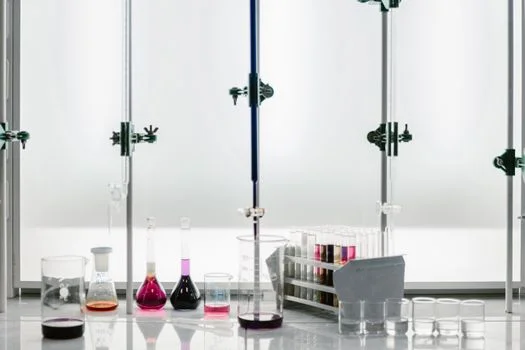
Hybrid Dissolved Air Flotation (DAF), Membrane Bioreactor (MBR), and Reverse Osmosis (RO) systems represent the most effective and robust process configurations for achieving stringent discharge limits and high resource recovery from display panel manufacturing wastewater. These integrated systems are designed to sequentially address the complex contaminant profile, ensuring efficient removal and water purification for reuse or safe discharge. The typical process flow involves initial pre-treatment, followed by biological and advanced membrane separation stages, with an optional Zero Liquid Discharge (ZLD) module for maximum recovery.
The first stage, pre-treatment, commonly employs Dissolved Air Flotation (DAF). DAF systems, such as HydropureWater's, are crucial for removing suspended solids, oil & grease, and a significant portion of fluoride and silica through chemical precipitation (e.g., with calcium salts). For display panel wastewater, DAF loading rates typically range from 5–10 m/h, which is higher than the 3–6 m/h seen in municipal applications, reflecting the denser flocculated contaminants. These systems achieve 90–95% TSS removal and an impressive 85–92% fluoride removal, effectively reducing the load on subsequent treatment stages. This initial step is vital for preventing downstream membrane fouling and enhancing overall system efficiency.
Following DAF, the wastewater enters the biological treatment stage, often an MBR system. MBRs integrate biological degradation with membrane filtration, offering superior effluent quality compared to conventional activated sludge. For display panel wastewater, MBR systems using PVDF membranes (e.g., HydropureWater DF series) operate at flux rates of 15–25 LMH (liters per square meter per hour). They achieve over 99% bacteria and virus rejection and typically reduce Chemical Oxygen Demand (COD) by 90%, bringing it to below 50 mg/L. MBRs also effectively handle residual organic compounds and some TMAH, though high TMAH concentrations require pre-oxidation. The energy consumption for MBR operations is generally 0.4–0.6 kWh/m³, making them energy-efficient for advanced biological treatment.
The MBR effluent then undergoes polishing through an Industrial Reverse Osmosis (RO) water treatment system. RO is critical for removing dissolved salts, remaining heavy metals, and residual fluoride and silica to meet stringent reuse or discharge limits. For display panel wastewater, RO systems are designed for recovery rates of 75–85%, higher than the 50–60% typical for municipal applications, due to the pre-treated water quality. To prevent silica fouling, which is a major concern with high silica influent, anti-scalant dosing (typically 3–5 mg/L polyacrylic acid) is essential. RO membranes achieve >99.5% rejection of fluoride and other dissolved solids, producing high-purity permeate suitable for various industrial reuse applications or direct discharge.
For facilities aiming for maximum water conservation and minimal environmental impact, Zero Liquid Discharge (ZLD) systems can be integrated as the final stage. ZLD typically involves advanced evaporation and crystallization technologies, processing the RO concentrate to recover 95%+ of the water. While ZLD increases CAPEX by 40–60%, it enables the recovery of fluoride and silica as saleable byproducts, such as 99.5% pure calcium fluoride (CaF₂) and purified silica, transforming waste streams into valuable resources.
| Process Step | Key Function | Typical Engineering Specs (Display Panel WW) | Performance Metrics | Energy Use |
|---|---|---|---|---|
| DAF | TSS, O&G, Fluoride/Silica Pre-removal | Loading Rate: 5–10 m/h | TSS Removal: 90–95%, Fluoride Removal: 85–92% | 0.1–0.2 kWh/m³ |
| MBR (DF Series) | Biological Treatment, COD/BOD Removal | Flux Rate (PVDF): 15–25 LMH | COD Removal: >90% (<50 mg/L), Bacteria/Virus Rejection: >99% | 0.4–0.6 kWh/m³ |
| RO (Industrial System) | Dissolved Solids, Fluoride/Silica Polishing | Recovery Rate: 75–85% (with anti-scalant) | Fluoride Rejection: >99.5%, TDS Rejection: >98% | 0.8–1.5 kWh/m³ |
| ZLD (Evaporation/Crystallization) | Final Water Recovery, Byproduct Generation | Water Recovery: >95% (from RO concentrate) | Residual Discharge: <1% of influent volume | 20–30 kWh/m³ (on concentrate) |
3 Hybrid System Configurations: CAPEX, OPEX, and Recovery Rates Compared
Selecting the optimal hybrid wastewater treatment configuration for display panel manufacturing depends on specific influent characteristics, target discharge limits, and desired water/byproduct recovery rates, influencing overall CAPEX and OPEX. HydropureWater offers three primary configurations tailored to meet varying operational and regulatory requirements, each providing distinct advantages in terms of cost, performance, and resource recovery potential. Understanding these differences is crucial for procurement teams to justify budgets and for engineers to match process steps to their plant's unique needs.
Configuration 1: DAF + MBR This foundational hybrid system is designed for plants with moderate contaminant loads and where complete zero-discharge is not a primary objective, but significant contaminant reduction and partial water reuse are desired. The DAF system for fluoride and silica removal effectively removes particulate fluoride and silica, followed by an MBR system for COD and TMAH removal that ensures robust biological treatment.
- CAPEX: $2.8M–$4.5M for a 500 m³/h system.
- OPEX: $0.4–$0.6/m³ treated.
- Recovery Rates: 60–70% water reuse (for non-critical applications), 90% fluoride removal.
- Best for: Plants with <1,000 mg/L fluoride influent and no strict zero-liquid discharge requirements, seeking improved discharge quality and some water savings.
Configuration 2: DAF + MBR + RO This is the most common and balanced configuration for display panel manufacturers aiming for high-purity water reuse and stringent discharge compliance. It adds an RO system for fluoride and silica polishing, achieving significantly higher water quality and contaminant removal.
- CAPEX: $6.2M–$9.5M for a 500 m³/h system.
- OPEX: $0.6–$0.8/m³ treated.
- Recovery Rates: 75–85% high-purity water for process reuse, 99.5% fluoride removal.
- Best for: Plants with >1,000 mg/L fluoride influent, requiring high-quality water for process reuse (e.g., ultrapure water make-up) and meeting tight discharge limits.
Configuration 3: DAF + MBR + RO + ZLD This advanced configuration achieves maximum water recovery and byproduct generation, suitable for facilities in water-stressed regions or facing the most stringent environmental regulations. It incorporates a ZLD module (evaporation/crystallization) to treat the RO concentrate.
- CAPEX: $8.5M–$12M for a 500 m³/h system.
- OPEX: $0.8–$0.9/m³ treated.
- Recovery Rates: 95%+ water reuse, 99.9% fluoride and silica recovery as saleable byproducts.
- Best for: Plants in water-scarce regions (e.g., Taiwan, Singapore) or those mandated by regulations to achieve zero-liquid discharge, prioritizing environmental leadership and maximum resource monetization.
As of 2026, typical cost benchmarks for individual components are: DAF systems at $800–$1,200/m³/h capacity, MBR systems at $1,500–$2,500/m³/h, RO systems at $2,000–$3,500/m³/h, and ZLD modules at $3,000–$5,000/m³/h (based on influent flow for the ZLD portion). The primary drivers for ROI across all configurations include significant water reuse savings ($0.8–$1.5/m³), revenue from fluoride recovery (calcium fluoride sells for $300–$500/ton), and the avoidance of substantial discharge fines ($50–$200/m³ in regions like China and Taiwan).
| Configuration | Key Components | 2026 CAPEX (500 m³/h) | 2026 OPEX (per m³) | Water Recovery | Fluoride Recovery | Target Application |
|---|---|---|---|---|---|---|
| 1: DAF + MBR | DAF, MBR, Chemical Dosing | $2.8M–$4.5M | $0.4–$0.6 | 60–70% | 90% | Moderate fluoride, partial reuse, discharge compliance |
| 2: DAF + MBR + RO | DAF, MBR, RO, Chemical Dosing | $6.2M–$9.5M | $0.6–$0.8 | 75–85% | 99.5% | High fluoride, high-purity reuse, stringent discharge |
| 3: DAF + MBR + RO + ZLD | DAF, MBR, RO, Evaporation/Crystallization | $8.5M–$12M | $0.8–$0.9 | 95%+ | 99.9% | Zero-liquid discharge, water-scarce regions, byproduct monetization |
Fluoride and Silica Recovery: Process Design and Byproduct Purity
Efficient recovery of fluoride and silica from display panel wastewater streams not only reduces environmental discharge burdens but also transforms these contaminants into valuable, saleable byproducts, significantly enhancing the economic viability of resource recovery systems. This approach addresses a critical gap in traditional wastewater treatment, which often focuses solely on contaminant removal without considering the potential for resource monetization.
Fluoride Recovery: The primary method for fluoride recovery begins in the pre-treatment stage, typically with a DAF system for fluoride and silica removal. Here, fluoride (F⁻) is precipitated as calcium fluoride (CaF₂) by adding calcium salts (e.g., CaCl₂ or Ca(OH)₂) to form insoluble CaF₂ sludge. This initial DAF step removes 85–92% of the fluoride, yielding a CaF₂ sludge with approximately 90% purity. To achieve higher market value, this sludge can be further purified. The purification process often involves acid leaching (using H₂SO₄) to dissolve impurities, followed by re-precipitation with a controlled base (like Na₂CO₃) to achieve a purity of 99.5% CaF₂. This high-purity calcium fluoride can be sold to industries for applications such as metallurgy, ceramics, and optical glass manufacturing. The market value for 99.5% pure CaF₂ is estimated at $300–$500/ton (2026 data), providing a tangible revenue stream for display panel plants.
Silica Recovery: Silica (SiO₂) recovery primarily occurs from the concentrate stream of the Reverse Osmosis (RO) system. While DAF removes a significant portion of colloidal silica, dissolved silica passes through to the RO. The RO concentrate, which typically represents 5–10% of the influent flow, becomes highly concentrated with silica and other dissolved solids. To recover silica, the RO concentrate is treated, often with magnesium chloride (MgCl₂), to precipitate magnesium silicate. This precipitated silica can be further processed and purified to achieve approximately 95% purity. Recovered silica finds applications in various industries, including glass manufacturing, ceramics, and as a filler in rubber and plastics, with a market value ranging from $200–$400/ton. Pre-treatment strategies using a lamella clarifier for silica pre-treatment can also improve overall silica removal efficiency and reduce the load on DAF and RO systems.
TMAH Recovery: Unlike fluoride and silica, tetramethylammonium hydroxide (TMAH) recovery is generally not economically viable at the typical concentrations (<50 mg/L) found in display panel wastewater. The high energy and chemical costs associated with its separation and purification outweigh the potential market value. Consequently, TMAH is typically destroyed within the wastewater treatment process. Common methods include advanced oxidation processes such as UV/H₂O₂ oxidation, which can achieve >99% removal, or by sending it to specialized hazardous waste incineration facilities if concentrations and regulations demand it. The MBR system for COD and TMAH removal can handle lower concentrations of TMAH biologically, but pre-oxidation is often required for higher influent loads.
A notable case study from 2025 involved a display panel manufacturing plant in Taiwan that implemented a 500 m³/h DAF-MBR-RO-ZLD system. This facility successfully recovered approximately 120 tons/year of 99.5% pure CaF₂, generating an additional revenue stream of around $60,000 per year. This demonstrates the tangible financial benefits of integrating byproduct recovery into wastewater treatment strategies.
2026 CAPEX and OPEX Breakdown for a 500 m³/h Display Panel Wastewater System
The total installed CAPEX for a 500 m³/h hybrid DAF-MBR-RO system designed for display panel wastewater resource recovery ranges from $2.8M to $4.5M in 2026, with operational costs typically between $0.45 and $0.70 per cubic meter treated. This comprehensive breakdown provides procurement teams with essential budgeting data and helps justify the return on investment (ROI) to executive stakeholders. These figures reflect current market trends, material costs, and technology advancements specific to the electronics manufacturing sector.
CAPEX Breakdown (DAF + MBR + RO, 500 m³/h capacity, 2026 estimates): The initial capital expenditure covers the procurement and installation of core equipment, civil works, and utility connections.
- DAF System: $400K–$600K (includes the HydropureWater unit for fluoride and silica removal, chemical dosing pumps, flocculation tanks)
- MBR System: $750K–$1.25M (includes HydropureWater MBR system for COD and TMAH removal, membrane modules, aeration system, pumps)
- RO System: $1M–$1.75M (includes Industrial Reverse Osmosis (RO) water treatment system, pre-filters, high-pressure pumps, anti-scalant dosing)
- Civil Works & MEP: $650K–$900K (includes foundation, building, piping, electrical, instrumentation, automation)
- Total Estimated CAPEX: $2.8M–$4.5M
OPEX Breakdown (Per m³ treated, 2026 estimates): Operational expenditure encompasses recurring costs associated with system operation and maintenance.
- Energy: $0.25–$0.35/m³ (power for pumps, blowers, RO high-pressure pumps, typically 1.5–2.5 kWh/m³ total)
- Chemicals: $0.10–$0.15/m³ (coagulants, flocculants, anti-scalants, membrane cleaning chemicals)
- Membrane Replacement: $0.05–$0.10/m³ (amortized cost for MBR and RO membrane replacement, typically every 3-5 years)
- Labor & Maintenance: $0.05–$0.10/m³ (operator salaries, routine maintenance, spare parts)
- Total Estimated OPEX: $0.45–$0.70/m³
ZLD Add-on Costs: Integrating a ZLD module (evaporation/crystallization) significantly increases both CAPEX and OPEX due to the energy-intensive nature of thermal processes.
- Additional CAPEX: +$2.5M–$3.5M (for a 500 m³/h system, concentrating the RO reject)
- Additional OPEX: +$0.20–$0.30/m³ (primarily for evaporation/crystallization energy use, typically 20–30 kWh/m³ for the concentrate stream)
ROI Calculator Framework:
The return on investment for these systems is driven by substantial savings from water reuse and revenue from byproduct recovery, offset by the annual OPEX and CAPEX amortization.
Payback Period = (Total CAPEX) / (Annual Water Savings + Annual Byproduct Revenue - Annual OPEX)
Example for a 500 m³/h DAF + MBR + RO system (Configuration 2):
Assuming a 500 m³/h system operating 8,000 hours/year (4,000,000 m³/year treated):
- Annual Water Savings: 4,000,000 m³/year * 80% recovery * $1.2/m³ (water cost) = $3.84M/year
- Annual Byproduct Revenue (CaF₂): 120 tons/year * $500/ton = $60K/year
- Annual OPEX: 4,000,000 m³/year * $0.6/m³ = $2.4M/year
- Total CAPEX: $6.5M (mid-range for Configuration 2)
- Payback Calculation: $6,500,000 / ($3,840,000 + $60,000 - $2,400,000) = $6,500,000 / $1,500,000 = 4.33 years.
| Cost Category | DAF + MBR + RO (500 m³/h) | ZLD Add-on |
|---|---|---|
| CAPEX Breakdown (2026 Estimates) | ||
| DAF System | $400K–$600K | — |
| MBR System | $750K–$1.25M | — |
| RO System | $1M–$1.75M | — |
| Civil Works & MEP | $650K–$900K | — |
| ZLD Module | — | +$2.5M–$3.5M |
| Total CAPEX Range | $2.8M–$4.5M | +$2.5M–$3.5M |
| OPEX Breakdown (per m³ treated, 2026 Estimates) | ||
| Energy | $0.25–$0.35 | +$0.20–$0.30 |
| Chemicals | $0.10–$0.15 | +$0.05–$0.10 |
| Membrane Replacement | $0.05–$0.10 | — |
| Labor & Maintenance | $0.05–$0.10 | +$0.02–$0.05 |
| Total OPEX Range | $0.45–$0.70 | +$0.27–$0.45 |
Compliance and Permitting: Global Regulations for Display Panel Wastewater Discharge
Navigating the complex and increasingly stringent global regulatory landscape is paramount for display panel manufacturers, with specific discharge limits for fluoride, silica, and TMAH varying significantly by region. EHS managers and engineers must ensure that any installed wastewater resource recovery system meets not only current but also anticipated future discharge standards to avoid heavy fines and operational disruptions. The unique contaminant profile of display panel wastewater, particularly high concentrations of fluoride and silica, necessitates a thorough understanding of region-specific environmental protection laws.
China: The primary regulation governing the electronics industry is GB 31573-2015, which sets specific limits for pollutants discharged from the flat panel display manufacturing industry. Key parameters include fluoride at <10 mg/L and TMAH at <5 mg/L. Additionally, the comprehensive discharge standard GB 8978-1996 applies for general pollutants, mandating COD levels <60 mg/L and NH₃-N <15 mg/L. Local environmental protection bureaus may impose even stricter regional limits.
Taiwan: The Taiwan Environmental Protection Administration (EPA) enforces stringent standards for industrial wastewater. For display panel manufacturing, limits include fluoride <15 mg/L, silica <50 mg/L, and TMAH <3 mg/L. These regulations highlight the critical need for advanced treatment technologies capable of high removal efficiencies for both inorganic and organic micro-pollutants.
European Union (EU): While the EU Urban Waste Water Directive 91/271/EEC provides general guidelines (e.g., fluoride <12 mg/L, COD <125 mg/L), specific discharge limits for industrial wastewater are largely determined by national and local authorities. For example, Germany often imposes very strict limits, with silica sometimes restricted to <30 mg/L, depending on the receiving water body. Compliance requires detailed knowledge of both overarching EU directives and specific national implementing legislation.
United States (USA): The U.S. Environmental Protection Agency (EPA) establishes pretreatment standards for existing and new sources within the semiconductor manufacturing category (40 CFR Part 469). These standards typically include limits for fluoride <20 mg/L and TMAH <10 mg/L. Local publicly owned treatment works (POTWs) also issue permits with specific limits tailored to their receiving capacity and local environmental conditions.
The permitting timeline for new wastewater treatment facilities can vary significantly by region. In China and Taiwan, the process typically takes 6–12 months, requiring detailed engineering plans, environmental impact assessments, and public consultations. In the EU and USA, the timeline can extend to 12–18 months due to more complex regulatory frameworks and multi-agency reviews. Early engagement with regulatory authorities and environmental consultants can reduce permitting delays by 30–50%, ensuring project milestones are met efficiently.
| Parameter | China (GB 31573-2015) | Taiwan (EPA) | EU (UWWTD & Local) | USA (40 CFR Part 469) |
|---|---|---|---|---|
| Fluoride | <10 mg/L | <15 mg/L | <12 mg/L (general) | <20 mg/L |
| Silica | N/A (local limits apply) | <50 mg/L | <30 mg/L (e.g., Germany) | N/A (local limits apply) |
| TMAH | <5 mg/L | <3 mg/L | N/A (local limits apply) | <10 mg/L |
| COD | <60 mg/L (GB 8978-1996) | <100 mg/L | <125 mg/L (general) | N/A (local limits apply) |
| NH₃-N | <15 mg/L (GB 8978-1996) | <20 mg/L | <10 mg/L (sensitive areas) | N/A (local limits apply) |
Frequently Asked Questions
Addressing common technical and commercial inquiries about display panel wastewater resource recovery systems is crucial for informed decision-making and project planning. These FAQs offer concise, data-driven answers to assist process engineers, EHS managers, and procurement leads in evaluating and implementing effective solutions.
What is the typical payback period for a display panel wastewater resource recovery system?
The typical payback period for DAF-MBR-RO systems ranges from 2.5–4 years, while more complex ZLD systems usually have a payback of 4–6 years. These figures (2026 data) depend significantly on local water costs, the volume of water reused, and the revenue generated from byproduct recovery (e.g., calcium fluoride, silica).
How do you prevent silica fouling in RO membranes for display panel wastewater?
Preventing silica fouling in RO membranes for display panel wastewater involves a multi-pronged approach. Effective pre-treatment, often utilizing lamella clarifiers for silica pre-treatment or advanced DAF systems, can reduce colloidal and particulate silica. Additionally, precise anti-scalant dosing (typically 3–5 mg/L polyacrylic acid) in the RO feed water is critical to inhibit the precipitation of dissolved silica, reducing fouling by 80–90%.
Can TMAH be recovered from display panel wastewater?
No, TMAH recovery from display panel wastewater is generally not economically viable at typical influent concentrations (<50 mg/L). The high energy and chemical costs associated with its separation and purification outweigh its market value. Instead, TMAH is usually destroyed within the treatment process, commonly through advanced oxidation methods like UV/H₂O₂ oxidation, achieving >99% removal, or by sending concentrated streams to hazardous waste incineration.
What are the key differences between DAF and lamella clarifiers for fluoride removal?
DAF (Dissolved Air Flotation) systems typically achieve superior fluoride removal, ranging from 85–92% (as CaF₂ sludge), by effectively floating precipitated flocs to the surface for removal. Lamella clarifiers, while efficient for suspended solids, generally achieve 70–80% fluoride removal. However, DAF systems have a higher CAPEX ($800–$1,200/m³/h capacity) compared to lamella clarifiers ($500–$800/m³/h). Lamella clarifiers are often preferred for lower-flow (<100 m³/h) or lower-fluoride (<500 mg/L) wastewater streams where the highest removal efficiency is not strictly necessary.
How does zero-discharge (ZLD) impact system CAPEX and OPEX?
Zero-liquid discharge (ZLD) significantly increases both CAPEX and OPEX. ZLD systems, which typically incorporate evaporation and crystallization, can increase overall CAPEX by 40–60% compared to a DAF-MBR-RO system. OPEX also rises by 30–50%, primarily due to the high energy consumption of thermal evaporation processes (20–30 kWh/m³ for the concentrate stream). Despite the higher costs, ZLD enables 95%+ water reuse and the recovery of valuable byproducts like high-purity calcium fluoride and silica, making it a strategic investment for environmental compliance and resource conservation in specific regions.