An activated carbon filter works through adsorption, where contaminants in wastewater adhere to the porous surface of activated carbon via van der Waals forces. Industrial-grade filters achieve 95-99% removal of VOCs, heavy metals (Cu, Cr, Ni), and COD at influent concentrations up to 500 mg/L. Granular activated carbon (GAC) removes 99% of benzene at 100 mg/L with a contact time of 10 minutes, per EPA 2024 benchmarks. The process is driven by pore size (0.5-100 nm), surface area (500-1,500 m²/g), and carbon type (coal, coconut, or wood-based), which determine efficiency for specific pollutants.
Why Industrial Wastewater Plants Rely on Activated Carbon Filtration
Activated carbon filtration is a critical tertiary treatment step for industrial wastewater, ensuring compliance with stringent discharge regulations and protecting environmental health. In one documented project, a PCB manufacturing plant in Shenzhen reduced copper (Cu) concentrations in its effluent from 5 mg/L to below 0.1 mg/L using granular activated carbon (GAC) filtration, achieving compliance with China GB 8978-2024 limits and avoiding an estimated $200,000 per year in regulatory fines (HydropureWater field data, 2025).
Common industrial contaminants effectively removed by activated carbon include volatile organic compounds (VOCs) such as benzene, toluene, and xylene; heavy metals like copper (Cu), chromium (Cr), and nickel (Ni); chemical oxygen demand (COD); and residual chlorine, as confirmed by EPA 2024 data and industry benchmarks. These pollutants are often challenging for conventional treatment methods.
Alternative wastewater treatment methods frequently encounter limitations that activated carbon overcomes. Reverse osmosis (RO) membranes are highly susceptible to fouling by organic compounds, leading to frequent cleaning and reduced lifespan. Chemical precipitation methods generate substantial volumes of sludge, incurring significant disposal costs. Biological treatment processes often fail to degrade persistent, non-biodegradable VOCs and certain heavy metals, rendering them insufficient for comprehensive industrial wastewater purification. Activated carbon provides a robust and often more cost-effective solution for these specific contaminant challenges. For facilities consolidating multiple polishing steps, an Integrated Water Purification System (JY Series) pairs carbon adsorption with complementary polishing stages.
How Does an Activated Carbon Filter Remove Contaminants: The Science of Adsorption
Activated carbon captures contaminants primarily through the physical process of adsorption, where molecules adhere to the surface of a solid. This mechanism is distinct from absorption, where molecules are incorporated into the bulk of a material. In industrial wastewater treatment, the dominant mechanism is physisorption, driven by relatively weak van der Waals forces, typically characterized by bond energies ranging from 5-50 kJ/mol (industry benchmarks). Physisorption is reversible, which is crucial for the regeneration of activated carbon, allowing it to be reused multiple times.
Chemisorption, involving stronger chemical bonds, can also occur but is less common for general wastewater applications and typically requires specifically impregnated carbons. The effectiveness of activated carbon is largely due to its highly porous structure, which provides an immense surface area for contaminants to bind.
The pore size distribution within activated carbon dictates its affinity for different molecular sizes. Micropores, with diameters less than 2 nanometers (nm), are ideal for trapping small molecules such as VOCs and certain dissolved gases. Mesopores, ranging from 2-50 nm, capture medium-sized organic molecules, including larger dyes and humic substances. Macropores, exceeding 50 nm, primarily serve as transport channels, facilitating the diffusion of contaminants from the bulk liquid into the internal pore structure where adsorption primarily occurs. Granular activated carbon (GAC) typically exhibits a total pore volume ranging from 0.3 to 0.5 cm³/g (HydropureWater field data, 2025).
The total surface area of activated carbon is another critical parameter, typically ranging from 500 to 1,500 m²/g. Coconut-based activated carbon, known for its high micropore volume, often exhibits surface areas at the higher end of this range, making it highly effective for VOC removal. Coal-based carbons tend to have a more balanced pore distribution and surface area, suitable for a broader spectrum of contaminants, including heavy metals and COD. An analogy for activated carbon's structure is a sponge (macropores) containing microscopic Velcro (micropores) that selectively grabs and holds contaminants as water passes through.
| Pore Type | Diameter Range (nm) | Primary Function in Wastewater | Typical Pore Volume (cm³/g) for GAC |
|---|---|---|---|
| Micropores | < 2 | Adsorption of small molecules (e.g., VOCs, chlorine) | 0.15 - 0.25 |
| Mesopores | 2 - 50 | Adsorption of medium-sized organic molecules (e.g., dyes, humic acids) | 0.10 - 0.20 |
| Macropores | > 50 | Transport of contaminants into internal structure | 0.05 - 0.10 |
Activated Carbon Types for Wastewater: GAC vs PAC vs Impregnated Carbon
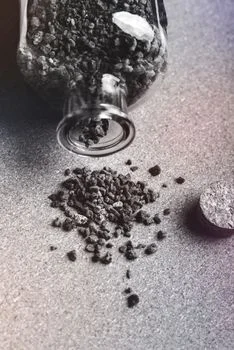
Selecting the appropriate activated carbon type is crucial for optimizing performance and cost-effectiveness in industrial wastewater treatment. The choice depends on the specific contaminants, flow rate, and desired treatment scale. Granular Activated Carbon (GAC) is commonly used in fixed-bed or moving-bed reactors due to its larger particle size, typically 0.5-4 mm. GAC systems require contact times ranging from 5 to 30 minutes, making them suitable for high-flow industrial applications, processing volumes from 10 to over 1,000 m³/h. GAC demonstrates high removal efficiency; for instance, it can achieve 95% removal of copper at an influent concentration of 50 mg/L and 99% removal of benzene at 100 mg/L, according to EPA 2024 benchmarks and HydropureWater field tests.
Powdered Activated Carbon (PAC), characterized by a finer particle size of less than 0.18 mm, is typically added directly to wastewater in batch treatment processes or as a conditioning agent for sludge. Its fine nature provides a rapid adsorption rate, requiring shorter contact times of 1-5 minutes. PAC generally involves lower capital investment compared to GAC systems, as it doesn't require complex filter vessels. However, its operational expenditure (OPEX) can be higher due to its single-use nature and the need for continuous dosing and subsequent separation from the treated water, often costing around $0.80/kg compared to GAC's typical price of $1.20/kg (industry benchmarks, 2025).
Impregnated carbon is activated carbon that has been chemically treated or doped with specific substances (e.g., silver, iodine, sulfur compounds) to enhance its affinity for particular contaminants through chemisorption. This specialized carbon excels at removing highly specific pollutants such as mercury (Hg) and hydrogen sulfide (H₂S). For example, silver-impregnated carbon can achieve 99.9% mercury removal at influent concentrations of 1 mg/L. While highly effective for targeted removal, impregnated carbons are typically more expensive, often costing 30% more than standard GAC (HydropureWater field data, 2025).
The raw material used to produce activated carbon also significantly impacts its pore structure and thus its application. Coconut shell-based carbon possesses a high volume of micropores, making it exceptionally effective for removing small organic molecules like VOCs and taste/odor compounds. Coal-based carbon offers a more balanced pore size distribution (micropores, mesopores), making it versatile for a wide range of pollutants, including COD and heavy metals. Wood-based carbon typically features a higher mesopore and macropore volume, making it more suitable for decolorization and the removal of larger organic molecules.
| Carbon Type | Particle Size | Typical Contact Time | Primary Application in Wastewater | Removal Efficiency Example | Approx. Cost ($/kg) |
|---|---|---|---|---|---|
| Granular Activated Carbon (GAC) | 0.5-4 mm | 5-30 min | High-flow systems, continuous treatment, VOCs, heavy metals, COD | 99% Benzene (100 mg/L influent) | $1.20 - $1.80 |
| Powdered Activated Carbon (PAC) | < 0.18 mm | 1-5 min | Batch treatment, emergency spills, sludge conditioning, seasonal taste/odor | Rapid COD reduction (batch) | $0.80 - $1.20 |
| Impregnated Carbon | Varies (GAC or PAC) | 5-30 min (GAC) | Specific contaminants (e.g., Hg, H₂S, ammonia) | 99.9% Mercury (1 mg/L influent) | $1.50 - $2.50+ |
Engineering Parameters That Determine Filter Performance
Optimizing activated carbon filter performance in industrial wastewater requires a precise understanding and control of key engineering parameters. Adsorption capacity, measured in milligrams of contaminant per gram of carbon (mg/g), quantifies the maximum amount of a specific pollutant that a given carbon type can remove before exhaustion. For example, GAC can remove approximately 300 mg of benzene per gram of carbon when treating an influent concentration of 100 mg/L (HydropureWater field data, 2025). This capacity is not static; it varies significantly with the contaminant type, influent concentration, and operational conditions.
Contact time, also known as empty bed contact time (EBCT), is a critical factor influencing removal efficiency. For GAC systems, typical contact times range from 5 to 30 minutes. A widely accepted rule of thumb for achieving over 90% removal of common VOCs in industrial wastewater is a minimum of 10 minutes of contact time (industry benchmarks). Insufficient contact time leads to premature breakthrough and reduced removal efficiency, directly impacting compliance. For PAC applications, the rapid mixing and shorter contact times (1-5 minutes) are compensated by higher carbon dosages.
The flow rate through a GAC bed is often expressed in bed volumes per hour (BV/h), typically ranging from 1 to 10 BV/h for industrial applications. Higher flow rates generally reduce removal efficiency; for instance, a GAC system might achieve 95% removal at 2 BV/h but only 80% removal at 10 BV/h for the same contaminant (HydropureWater field data, 2025). Careful balancing of flow rate with bed volume and contact time is essential for consistent performance. For precise flow rate management, an automated pH adjustment system for optimal adsorption can also help fine-tune chemical dosing related to other treatment stages, indirectly supporting carbon filter efficiency.
The pH of the wastewater significantly impacts adsorption efficiency. The optimal pH range for most contaminants is between 6 and 8. Acidic pH levels (below 5) can reduce the adsorption of heavy metals by increasing their solubility and competing with hydrogen ions for adsorption sites. Conversely, alkaline pH levels (above 9) can decrease the adsorption of many VOCs and organic acids as their ionization state changes. For example, heavy metal adsorption can drop by 20-30% if pH deviates significantly from the optimal range (HydropureWater field data, 2025).
Temperature also plays a role in adsorption kinetics and capacity. Adsorption is an exothermic process, meaning that higher temperatures generally lead to a decrease in adsorption capacity. A 10°C increase in wastewater temperature can reduce the activated carbon's capacity by 5-10% due to increased kinetic energy of adsorbate molecules, making them less likely to bind to the carbon surface, as described by principles derived from the Arrhenius equation (industry benchmarks).
| Contaminant | Typical Adsorption Capacity (mg/g GAC) | Influent Concentration (mg/L) | Optimal pH Range |
|---|---|---|---|
| Benzene (VOC) | 250 - 350 | 50 - 200 | 6.5 - 8.0 |
| Copper (Heavy Metal) | 80 - 150 | 10 - 50 | 5.5 - 7.0 |
| Chromium (Heavy Metal) | 60 - 120 | 5 - 30 | 6.0 - 7.5 |
| Nickel (Heavy Metal) | 70 - 130 | 5 - 30 | 6.0 - 7.5 |
| COD (General Organics) | 150 - 250 | 100 - 500 | 6.0 - 8.0 |
Real-World Efficiency: What Activated Carbon Filters Remove (and What They Don't)
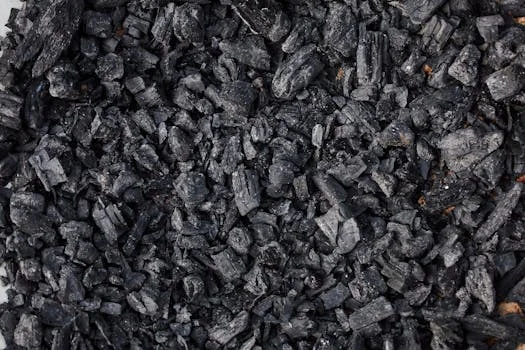
Activated carbon filters are highly effective for removing a specific range of contaminants from industrial wastewater, consistently achieving high removal efficiencies. For volatile organic compounds (VOCs) such as benzene, toluene, and xylene, GAC systems typically achieve 95-99% removal at influent concentrations up to 500 mg/L, meeting stringent discharge limits (EPA 2024 data, HydropureWater field data, 2025). This makes them indispensable for industries dealing with solvents and petrochemical byproducts.
Regarding heavy metals, activated carbon can achieve 90-99% removal of contaminants like copper (Cu), chromium (Cr), and nickel (Ni) at influent concentrations ranging from 1-50 mg/L. For instance, a well-designed GAC system can reduce copper concentrations from 10 mg/L to below 0.1 mg/L, comfortably meeting China GB 8978-2024 discharge standards for electroplating and other industrial wastewaters (HydropureWater field data, 2025). For specific heavy metal removal strategies, especially in complex matrices like electroplating wastewater, further specialized treatments may be integrated.
Chemical Oxygen Demand (COD), a measure of the total organic content, can also be significantly reduced. Activated carbon filters typically achieve 70-95% COD removal at influent concentrations between 50-500 mg/L. Coal-based GAC generally outperforms coconut-based GAC for COD reduction, achieving approximately 92% removal versus 85% for coconut-based carbon at an influent COD of 200 mg/L (industry benchmarks). This difference is attributed to coal-based carbon's more balanced pore structure, which is better suited for the diverse range of organic molecules contributing to COD.
Activated carbon is also highly effective at removing free chlorine, achieving over 99% removal. However, it is important to note that activated carbon is generally not effective for removing complex chlorinated organics like trichloroethylene (TCE) without specific chemical impregnation (industry benchmarks). For post-treatment disinfection, such as pathogen removal, a chlorine dioxide generator for pathogen removal would be a more suitable solution after carbon filtration.
Crucially, activated carbon filters are not designed to remove all types of contaminants. They are ineffective against suspended solids (TSS), dissolved salts (total dissolved solids, TDS), or pathogens. Therefore, effective pretreatment, such as sedimentation, clarification, or DAF pretreatment to prevent carbon fouling, is essential to remove TSS and oil/grease before the activated carbon stage. Post-treatment disinfection may also be necessary for complete pathogen removal, depending on discharge requirements.
| Contaminant Category | Specific Examples | Typical Removal Efficiency (%) | Influent Concentration Range (mg/L) | Notes |
|---|---|---|---|---|
| VOCs | Benzene, Toluene, Xylene | 95-99% | 10-500 | High micropore carbon (e.g., coconut) excels |
| Heavy Metals | Copper, Chromium, Nickel | 90-99% | 1-50 | pH-dependent; coal-based GAC effective |
| COD | General Organics | 70-95% | 50-500 | Coal-based GAC often preferred for broader organic spectrum |
| Chlorine | Free Chlorine | >99% | 0.1-5 | Not effective for chlorinated organics without impregnation |
| Color/Odor | Dyes, Sulfides | 90-98% | Variable | Wood-based carbon good for color; impregnated for H₂S |
Designing an Activated Carbon System for Industrial Wastewater: A Step-by-Step Framework
Designing an effective activated carbon system for industrial wastewater is a systematic process that requires thorough analysis and planning to ensure compliance and cost-efficiency. The following framework guides engineers through the essential steps:
- Step 1: Characterize Wastewater. Begin by thoroughly analyzing the influent wastewater stream. This involves testing for target contaminants (e.g., specific VOCs, heavy metals, COD, TOC), pH, temperature, and flow rate. For example, wastewater from PCB manufacturing facilities specifically requires testing for hexavalent chromium (Cr(VI)) and copper (Cu) to meet China GB 8978-2024 discharge limits. Comprehensive characterization informs carbon selection and system sizing, preventing under- or over-design.
- Step 2: Select Carbon Type. Based on the wastewater characterization, select the most appropriate activated carbon type. Refer to the comparison table in the "Activated Carbon Types for Wastewater" section to match contaminants to carbon properties. For instance, coconut-shell activated carbon is generally preferred for high VOC removal due to its high micropore volume, while coal-based GAC is often chosen for broader COD reduction and heavy metal adsorption due to its balanced pore distribution.
- Step 3: Size the System. Calculate the required carbon volume and vessel dimensions based on the determined adsorption capacity (mg/g) for the target contaminants and the necessary contact time (minutes). The formula for calculating the required GAC volume is: Volume (m³) = Flow Rate (m³/h) × Contact Time (minutes) / 60. For example, for a target flow rate of 100 m³/h and a required contact time of 10 minutes, approximately 16.7 m³ of GAC would be needed. This calculation ensures sufficient residence time for effective adsorption.
- Step 4: Design Pretreatment. Implement appropriate pretreatment steps to protect the activated carbon bed from fouling and premature exhaustion. Activated carbon is not designed to remove suspended solids (TSS), oil and grease (FOG), or large particulate matter. Pretreatment typically involves sedimentation or clarification to reduce TSS to below 50 mg/L. For wastewaters with high FOG, a DAF pretreatment to prevent carbon fouling can reduce FOG to below 30 mg/L. Incorporating a lamella clarifier for TSS removal before carbon filtration is also a common and efficient strategy.
- Step 5: Plan for Regeneration. Develop a strategy for activated carbon regeneration or replacement. Thermal regeneration, typically performed at 800-950°C in specialized furnaces, restores 90-95% of the carbon's original adsorption capacity. Chemical regeneration, using reagents like sodium hydroxide (NaOH) or acids, restores 70-80% capacity and is often suitable for specific contaminants. Thermal regeneration typically costs around $0.50/kg, while chemical regeneration can be more economical at approximately $0.30/kg, depending on the specific chemicals and contaminants (industry benchmarks). Planning for regeneration or regular carbon replacement is crucial for sustainable operation and cost management.
Cost Breakdown: CAPEX, OPEX, and ROI for Industrial Activated Carbon Systems
Understanding the financial implications of an activated carbon system is essential for industrial stakeholders evaluating potential investments. The capital expenditure (CAPEX) for industrial activated carbon systems varies significantly based on treatment capacity and complexity. For systems handling 10 m³/h, CAPEX typically ranges from $50,000 to $100,000. Medium-scale systems processing 100 m³/h can incur CAPEX between $200,000 and $350,000, while large-scale plants treating 1,000 m³/h or more may require a CAPEX of $500,000 to over $1,000,000. This includes the cost of vessels, the initial carbon charge, piping, pumps, and automation (HydropureWater field data, 2025).
Operational expenditure (OPEX) for activated carbon systems typically ranges from $0.10 to $0.50 per cubic meter of wastewater treated. The primary drivers of OPEX are carbon replacement or regeneration, and energy consumption for pumps. New carbon costs typically range from $0.80-$1.20/kg. If regeneration is employed, thermal regeneration costs around $0.50/kg of carbon, while chemical regeneration can be as low as $0.30/kg. Energy consumption for pumping and ancillary equipment usually adds approximately $0.05/m³ to the OPEX (industry benchmarks, 2025).
The Return on Investment (ROI) for compliance-driven activated carbon projects is often robust, with payback periods typically ranging from 12 to 36 months. For example, a PCB plant in Jiangsu invested $200,000 in a GAC system, which enabled them to avoid an estimated $150,000 per year in non-compliance fines. This investment yielded a payback period of approximately 16 months, demonstrating a clear financial benefit beyond environmental compliance (HydropureWater field data, 2025). The most significant cost drivers for an activated carbon system include the type of carbon selected (e.g., more expensive coconut-based for VOCs vs. coal-based for COD), the frequency of carbon regeneration or replacement (monthly vs. quarterly), and the extent of pretreatment required (e.g., DAF vs. simpler sedimentation).
| Parameter | Description | Typical Range / Cost | Notes |
|---|---|---|---|
| CAPEX (Initial Investment) | 10 m³/h System | $50,000 - $100,000 | Includes vessels, carbon, piping, controls |
| 100 m³/h System | $200,000 - $350,000 | Scale-up for medium industrial flows | |
| 1,000 m³/h System | $500,000 - $1,000,000+ | Large-scale industrial applications | |
| OPEX (Operational Costs) | Per m³ Treated | $0.10 - $0.50 | Overall operational cost per cubic meter |
| New Carbon Replacement | $0.80 - $1.20/kg | Cost of virgin GAC or PAC | |
| Thermal Regeneration | $0.50/kg | Restores 90-95% capacity | |
| Chemical Regeneration | $0.30/kg | Restores 70-80% capacity, specific contaminants | |
| ROI Payback Period | Compliance-Driven Projects | 12 - 36 months | Driven by avoided fines and improved discharge quality |
Who This Is For, and How to Move Forward
This guide is for plant engineers, EPC contractors, and procurement teams sizing a tertiary polishing stage for industrial effluent. If your stream carries high TDS, salts, or pathogens as the primary concern, activated carbon alone will not do the job — look at RO or a disinfection skid instead. Send us your influent characterization (contaminants, mg/L, flow rate, pH) and we will run a sizing and payback estimate against your discharge limits. Request a tailored activated carbon system quotation.
Frequently Asked Questions
How often should activated carbon be replaced in industrial wastewater treatment?
The replacement frequency for activated carbon in industrial wastewater treatment systems typically ranges from every 3-12 months, but it is highly dependent on the influent contaminant load, flow rate, and the type of activated carbon. Regular monitoring of effluent quality (e.g., breakthrough of target contaminants) is crucial to determine the optimal replacement or regeneration schedule. Plants we work with on PCB or electroplating lines usually fall in the 3-6 month range.
Can activated carbon remove PFAS from wastewater?
Yes, activated carbon, particularly granular activated carbon (GAC), is effective at removing per- and polyfluoroalkyl substances (PFAS) from wastewater. GAC works by adsorbing PFAS molecules onto its porous surface. The efficiency depends on the specific PFAS compounds, their chain length, and the contact time, often requiring longer contact times (commonly 20-30 minutes) and specific carbon types for optimal removal.
What's the difference between adsorption and absorption in filtration?
Adsorption is a surface phenomenon where molecules adhere to the surface of a solid material, like contaminants sticking to the pores of activated carbon. Absorption, conversely, is a bulk phenomenon where molecules are taken up into the entire volume of a material, like a sponge soaking up water. Activated carbon primarily functions through adsorption, which is why surface area and pore structure dominate its performance.
How does pH affect activated carbon's efficiency for heavy metal removal?
pH significantly impacts activated carbon's efficiency for heavy metal removal. Generally, a slightly acidic to neutral pH range (5.5-7.5) is optimal. At lower pH values (more acidic), hydrogen ions compete with heavy metal ions for adsorption sites, reducing removal efficiency. At higher pH values (more alkaline), some metals may precipitate as hydroxides, but the adsorption capacity of the carbon itself can be altered or reduced depending on the specific metal and carbon surface charge.
What are the signs that an activated carbon filter is exhausted?
The primary sign of an exhausted activated carbon filter is the "breakthrough" of target contaminants into the treated effluent, meaning the effluent quality begins to degrade and exceed discharge limits. Other signs include a noticeable change in the odor or color of the treated water, a decrease in pressure drop across the filter bed (indicating channeling), or a sudden increase in the contaminant concentration in the treated water during routine monitoring.