Quebec requires package wastewater treatment plants to meet MDDELCC's stringent effluent standards (e.g., <20 mg/L BOD₅, <30 mg/L TSS for municipal discharges) while handling cold-weather operation challenges. In 2025, modular plants with capacities from 5–500 m³/day cost $1,200–$3,500 CAD/m³/day CAPEX, with OPEX ranging $0.15–$0.40/m³ treated. This guide provides Quebec-specific technical specs, compliance checklists, and supplier evaluation criteria to streamline procurement.
Why Quebec Needs Package Wastewater Treatment Plants in 2025
Quebec's aging wastewater infrastructure, with over 40% of its 750+ facilities exceeding 30 years in age, is increasingly failing to meet modern compliance audits (MDDELCC 2023 data). This widespread obsolescence directly impacts compliance, leading to frequent exceedances of discharge limits and necessitating urgent upgrades. Many of these older systems, designed decades ago, are ill-equipped to handle current population growth, industrial expansion, and more stringent environmental regulations.
Remote and northern communities within Quebec face compounded challenges that make conventional, large-scale treatment plants impractical. Factors such as permafrost, which complicates civil engineering and foundation stability, and extreme winter temperatures often dropping below -30°C, demand specialized cold-weather wastewater treatment solutions. the limited availability of skilled operators in these isolated regions drives demand for highly automated, low-maintenance package wastewater treatment plant in Quebec Canada.
Regulatory shifts are also accelerating the need for advanced modular wastewater treatment Quebec solutions. MDDELCC's 2025 Municipal Wastewater Regulations (Q-2, r. 22) now mandate tertiary treatment for all new plants serving a population equivalent (PE) greater than 500. This requirement for enhanced nutrient removal (nitrogen and phosphorus) cannot typically be met by older secondary treatment facilities, making compact, high-efficiency package plants a preferred alternative for rapid deployment and compliance.
The operational vulnerabilities of existing infrastructure are evident in recent performance data. A 2024 audit of 120 Quebec municipalities, conducted by CentrEau, revealed that 68% of facilities exceeded their Total Suspended Solids (TSS) limits during the spring thaw. This seasonal non-compliance is largely attributed to inadequate cold-weather design in current systems, which struggle with variable flows and reduced biological activity in colder temperatures, underscoring the critical need for robust, cold-climate engineered package plant solutions.
Quebec-Specific Compliance Requirements for Package Plants
Adherence to Quebec's stringent environmental regulations, particularly MDDELCC's Q-2, r. 22, is paramount for any package wastewater treatment plant operating within the province. For municipal discharges, this regulation sets specific effluent limits that must be met as monthly averages. These include a Biological Oxygen Demand (BOD₅) of less than 20 mg/L, Total Suspended Solids (TSS) of less than 30 mg/L, and fecal coliforms below 200 CFU/100 mL. For facilities discharging into sensitive receiving waters, or those subject to the new tertiary treatment requirements for systems over 500 PE, even stricter limits for total nitrogen (TN) and total phosphorus (TP) may apply, often requiring advanced treatment processes.
Industrial pretreatment standards in Quebec vary significantly by sector, as detailed in the MDDELCC 2024 Industrial Discharge Guidelines. For instance, facilities in the pulp and paper industry are typically required to achieve a Chemical Oxygen Demand (COD) of less than 250 mg/L before discharging into municipal sewers or directly to the environment. Other industries, such as food processing or metal finishing, will have their own specific parameters for heavy metals, pH, and organic compounds, making a thorough understanding of industrial pretreatment standards Quebec essential for compliance.
Cold-weather operation requirements are a unique and critical aspect of MDDELCC wastewater standards 2025. Package plants must be designed to maintain a minimum temperature of 10°C within their biological reactors, even when ambient conditions drop to -30°C. This is verified through detailed thermal modeling during the design phase and can involve robust insulation, tank heating, and careful process selection to ensure consistent biological activity throughout Quebec's harsh winters.
The permitting process timeline for new package wastewater treatment plants in Quebec typically ranges from 6 to 12 months. This includes a comprehensive environmental impact assessment (EIA) for systems serving over 500 PE, as outlined in the MDDELCC 2025 permitting guide. Smaller systems may qualify for a more simplified permit application, but all projects require MDDELCC approval before construction and operation. Understanding these timelines and requirements is crucial for project planning and avoiding delays.
Quebec regulations also distinguish between a 'package plant' and a 'temporary plant.' A package plant is generally considered a permanent, albeit modular, installation designed for long-term operation. A temporary plant, conversely, is typically permitted for short-term use, such as during construction projects, emergency repairs, or seasonal camps, with specific conditions on its duration and discharge. For instance, a temporary plant might be permitted for a maximum of 24 months, while a permanent package plant is expected to operate for decades.
| Parameter | MDDELCC Q-2, r. 22 Effluent Limit (Municipal) | Industrial Pretreatment Example (Pulp & Paper) | Cold-Weather Requirement |
|---|---|---|---|
| BOD₅ | <20 mg/L (monthly average) | N/A (sector-specific) | N/A |
| TSS | <30 mg/L (monthly average) | N/A (sector-specific) | N/A |
| Fecal Coliforms | <200 CFU/100 mL (monthly average) | N/A | N/A |
| COD | N/A (municipal) | <250 mg/L | N/A |
| Reactor Temperature | N/A | N/A | ≥10°C at -30°C ambient |
Technical Specifications for Package Plants in Quebec
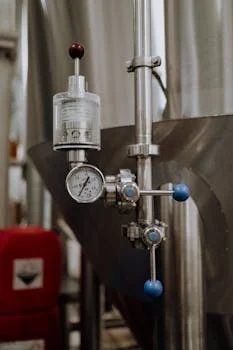
Effective selection of a package wastewater treatment plant in Quebec hinges on precise technical specifications that account for local environmental conditions and performance expectations. Package plants are available with flow rate ranges typically from 5 to 500 m³/day, often offered in modular increments of 5–10 m³/day to provide scalability and flexibility for growing communities or industrial needs. This modularity allows for phased expansion without significant downtime or large initial capital outlays.
Influent characteristics for typical Quebec municipal wastewater, based on an MDDELCC 2023 baseline study, generally range from 150–400 mg/L for BOD₅ and 200–500 mg/L for TSS. Industrial wastewater can exhibit much higher concentrations, requiring specialized pretreatment or robust package plant designs. The target effluent quality for sensitive receiving waters often demands tertiary treatment requirements Quebec, pushing for BOD₅ <10 mg/L, TSS <15 mg/L, Total Nitrogen (TN) <15 mg/L, and Total Phosphorus (TP) <1 mg/L. Achieving these lower limits frequently necessitates advanced biological processes combined with filtration or membrane technologies.
Footprint requirements for package plants are a significant advantage, typically ranging from 0.5–2 m²/m³/day treated, making them ideal for compact urban sites or locations with limited land availability. Energy consumption varies by process, generally falling between 0.3–0.8 kWh/m³ treated. MBR systems, while offering superior effluent quality and smaller footprints, tend to be at the higher end of this range due to membrane aeration and permeate pumping demands.
Cold-weather adaptations are non-negotiable for package wastewater treatment plant in Quebec Canada. Essential features include heavily insulated tanks to minimize heat loss, submerged aerators that prevent ice formation on the water surface, and heat tracing for exposed pipes, valves, and instrumentation lines to prevent freezing. Typical power requirements for heat tracing can add 0.05–0.1 kWh/m³ during peak winter months, depending on system size and exposure. These adaptations ensure continuous and reliable operation even during prolonged periods of sub-zero temperatures.
Common process options for package plants include Activated Sludge variants (e.g., A/O for nutrient removal), Sequencing Batch Reactors (SBR), and Membrane Bioreactors (MBR). Activated Sludge and SBR systems typically achieve 85-95% removal efficiency for BOD and TSS for Quebec's typical influent. MBR systems, such as those used in the Chambly Wastewater Facility (Veolia case study), consistently achieve over 98% BOD removal and 99% TSS removal, making them highly effective for meeting stringent tertiary treatment requirements Quebec. For applications requiring minimal above-ground presence or enhanced cold-weather protection, WSZ series underground package plants for Quebec's cold climate offer a robust solution. Similarly, advanced MBR systems for tertiary treatment in Quebec provide superior effluent quality.
| Parameter | Range/Value | Notes |
|---|---|---|
| Flow Rate | 5–500 m³/day | Modular increments of 5–10 m³/day |
| Typical Influent BOD₅ | 150–400 mg/L | Quebec municipal wastewater (MDDELCC 2023) |
| Typical Influent TSS | 200–500 mg/L | Quebec municipal wastewater (MDDELCC 2023) |
| Target Effluent BOD₅ | <10 mg/L | For tertiary treatment / sensitive waters |
| Target Effluent TSS | <15 mg/L | For tertiary treatment / sensitive waters |
| Target Effluent TN | <15 mg/L | For tertiary treatment / sensitive waters |
| Target Effluent TP | <1 mg/L | For tertiary treatment / sensitive waters |
| Footprint | 0.5–2 m²/m³/day | Compact designs for urban/constrained sites |
| Energy Consumption | 0.3–0.8 kWh/m³ | Varies by process (MBR at higher end) |
| Biological Reactor Temp (Min) | 10°C | Maintained at -30°C ambient |
Cost Breakdown: CAPEX, OPEX, and ROI for Quebec Package Plants
Understanding the comprehensive cost implications, encompassing both Capital Expenditure (CAPEX) and Operational Expenditure (OPEX), is critical for evaluating the long-term economic viability and Return on Investment (ROI) of package wastewater treatment plants in Quebec. For 2025, typical CAPEX ranges for a modular wastewater treatment Quebec system with capacities from 5–500 m³/day are estimated at $1,200–$3,500 CAD/m³/day. This figure generally includes the cost of the treatment equipment and its installation, but it typically excludes significant site work such as extensive excavation, site grading, or land acquisition. For broader cost benchmarks for cold-climate wastewater treatment, comparative data can be insightful.
OPEX ranges for package plants in Quebec are estimated between $0.15–$0.40/m³ treated. This operational cost primarily covers energy consumption, chemical usage (e.g., coagulants, disinfectants), and routine maintenance. It typically excludes labor costs, which can vary significantly based on automation levels and local wage rates. Energy is a substantial component of OPEX, especially with systems requiring constant aeration or pumping, and cold-weather adaptations like heat tracing can incrementally increase energy demand.
A breakdown of CAPEX costs for package plants in Quebec, based on 2024 municipal project data, typically shows that equipment accounts for approximately 40% of the total. Installation costs, including mechanical and electrical hook-ups, represent about 30%. Civil works, such as foundations and minor site preparation, contribute around 20%, while permitting and engineering fees make up the remaining 10%. This distribution highlights the efficiency of package plants in reducing on-site construction time and associated costs compared to conventional stick-built facilities.
The ROI drivers for investing in a package wastewater treatment plant in Quebec are compelling. Package plants can offer 30–50% lower CAPEX than traditional, large-scale conventional plants due to their pre-fabricated nature and reduced on-site construction. their inherent automation and optimized processes can lead to 20–30% lower OPEX, primarily through reduced labor requirements and efficient energy use. The payback period, often 5–10 years, is significantly enhanced by avoided fines from MDDELCC. The provincial penalty schedule for non-compliance can range from $500 to $5,000 per day, making regulatory compliance a strong financial incentive.
Several financing options are available to support the procurement of package wastewater treatment plant in Quebec Canada. Quebec's Green Fund offers grants, often covering up to 70% of eligible costs for municipalities investing in green infrastructure. Federal funding programs, such as those from Infrastructure Canada, also provide significant contributions for water and wastewater projects. Additionally, low-interest loans from local credit unions and specialized environmental financing institutions can help bridge funding gaps, making these essential upgrades more accessible.
| Cost Category | Range/Breakdown | Notes |
|---|---|---|
| CAPEX (per m³/day capacity) | $1,200–$3,500 CAD | 2025 data, includes equipment & installation, excludes major site work |
| OPEX (per m³ treated) | $0.15–$0.40 CAD | Includes energy, chemicals, maintenance; excludes labor |
| CAPEX Breakdown | Equipment: 40% Installation: 30% Civil Works: 20% Permitting/Engineering: 10% |
Based on 2024 Quebec municipal project data |
| ROI Drivers | 30–50% lower CAPEX vs. conventional 20–30% lower OPEX via automation 5–10 year payback via avoided fines |
MDDELCC penalties: $500–$5,000/day for non-compliance |
| Financing Options | Quebec Green Fund grants (up to 70%) Federal Infrastructure Canada funding Local credit union loans |
Supplier Selection Checklist for Quebec Buyers
Selecting a suitable supplier for a package wastewater treatment plant in Quebec requires a rigorous evaluation process focused on regional expertise, regulatory compliance, and proven cold-weather performance. A critical criterion is Quebec-specific experience; suppliers should demonstrate a minimum of 5 years operating in Quebec or similar cold climates such as Alberta or Nordic countries. This ensures they understand the unique logistical, climatic, and regulatory challenges inherent to the region.
Compliance expertise is non-negotiable. Suppliers must provide MDDELCC-compliant process guarantees, which should explicitly detail expected effluent quality parameters (BOD₅, TSS, TN, TP, fecal coliforms) under varying influent conditions and extreme temperatures. These guarantees should also outline the methodology for verification and potential remedies in case of non-compliance, providing a clear safeguard for the buyer.
Local support is paramount, especially for remote sites in Quebec. Suppliers should offer 24/7 service availability with a guaranteed response time, ideally within 4 hours, for critical operational issues. This includes access to local technicians, spare parts inventory, and remote monitoring capabilities to minimize downtime and ensure continuous operation. For additional supplier selection criteria for North American markets, broader guides can be useful.
Given Quebec's climate, cold-weather testing is essential. Suppliers should provide verifiable thermal performance data for -30°C operation, demonstrating that their package plants can maintain optimal biological activity and prevent freezing. Acceptable test methods include laboratory simulations, pilot plant studies in cold chambers, or documented field performance reports from installations in similar extreme cold environments. This data provides concrete evidence of reliability under expected conditions.
Comprehensive warranty and guarantees are vital for mitigating risk. A minimum 2-year equipment warranty is standard, covering defects in materials and workmanship. More importantly, a 1-year process performance guarantee should be offered, ensuring the plant consistently meets specified effluent quality targets. Typical exclusions might include damage from improper operation, lack of maintenance, or force majeure events. Buyers must review these terms carefully.
Finally, buyers should be aware of red flags during the evaluation process. These include suppliers without verifiable Quebec references, vague or unsubstantiated compliance claims, or a complete lack of cold-weather testing data. Such omissions can indicate a lack of regional understanding or insufficient product robustness for Quebec's demanding environment, increasing procurement risk.
| Criterion | Requirement for Quebec Buyers | Importance |
|---|---|---|
| Quebec-Specific Experience | Min. 5 years operating in Quebec/similar cold climates | Ensures understanding of local challenges |
| MDDELCC Compliance Guarantees | Detailed effluent quality & process performance guarantees | Mitigates regulatory non-compliance risk |
| Local Support & Response | 24/7 service, <4-hour response time (for critical issues) | Crucial for operational continuity, especially remote sites |
| Cold-Weather Testing Data | Thermal performance data for -30°C operation | Verifies reliability in extreme Quebec winters |
| Warranty & Performance Guarantee | Min. 2-year equipment, 1-year process performance | Protects investment and ensures operational efficacy |
| References | Verifiable Quebec project references | Provides social proof and operational insights |
Case Studies: Package Plants Operating in Quebec
Real-world deployments across Quebec demonstrate the efficacy and adaptability of package wastewater treatment plants in meeting stringent regulatory demands and challenging environmental conditions. One notable example is the Chambly Wastewater Facility, operated by Veolia Canada. This 2,500 m³/day MBR plant serves an industrial park, consistently achieving exceptional performance with 98% BOD removal and 99% TSS removal, according to 2024 performance data. Its success underscores the capability of MBR systems to handle industrial wastewater streams while meeting high effluent quality standards.
Another significant installation is the Terrebonne Plant, an activated sludge system managed by CWA. Designed for a 10,000 PE, this facility incorporates specific cold-weather adaptations that allow it to operate effectively at temperatures as low as -25°C with no reported performance loss. These adaptations include insulated tanks, optimized aeration strategies to maintain reactor temperature, and robust controls to manage variable loads during winter months, proving the resilience of well-engineered systems in Quebec's climate.
For remote and challenging environments, the deployment of a 50 m³/day WSZ series underground package plant for Quebec's cold climate by HydropureWater in a remote Northern Quebec community in 2023 offers a compelling case. This system was specifically chosen for its minimal footprint and enhanced thermal protection. It successfully reduced influent TSS from 450 mg/L to below 15 mg/L, demonstrating its effectiveness in challenging conditions. Installation challenges, such as permafrost excavation and limited access, were overcome by the plant's modular, pre-fabricated design and the use of specialized, insulated underground tanks that leverage geothermal heat to maintain biological activity.
Lessons learned from these case studies highlight several Quebec-specific challenges and their solutions. The Chambly plant emphasizes the importance of robust industrial pretreatment and advanced tertiary treatment for nutrient removal. Terrebonne showcases the critical role of comprehensive cold-weather design in maintaining process stability. The Northern Quebec installation underscores the value of compact, underground solutions for extreme climates and remote sites, which also simplifies operator training requirements by reducing the complexity of on-site manual adjustments. These examples collectively demonstrate that with proper planning and technology selection, package plants can reliably meet Quebec's unique demands.
Frequently Asked Questions
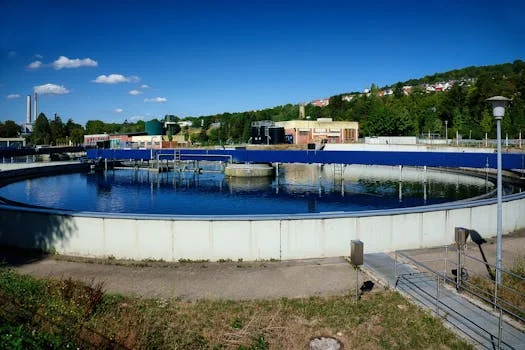
Prospective buyers frequently have specific questions regarding the implementation and operation of package wastewater treatment plants within Quebec's unique regulatory and climatic context.
How many wastewater treatment plants are there in Canada?
Canada has over 3,500 wastewater treatment plants across the country, with Quebec accounting for approximately 750 of these facilities, according to the MDDELCC 2023 inventory. This number includes both municipal and industrial treatment sites.
What is a wastewater package plant?
A wastewater package plant is a pre-engineered, modular wastewater treatment system designed for rapid deployment and ease of installation. These plants typically handle flow rates ranging from 5–500 m³/day and are characterized by minimal on-site civil work. Key components often include primary clarification, biological treatment (e.g., activated sludge, MBR, SBR), secondary clarification, and disinfection. Their main advantages over conventional plants include smaller footprint, faster installation, cost-effectiveness for smaller flows, and scalability.
What are the MDDELCC permitting requirements for package plants in Quebec?
For package plants serving a population equivalent (PE) greater than 500, MDDELCC regulations require a comprehensive environmental impact assessment (EIA) and official MDDELCC approval. Smaller plants (typically <500 PE) generally require a simplified permit application. The entire permitting process, from initial application to final approval, can take anywhere from 6 to 12 months, depending on project complexity and the completeness of the submitted documentation.
Can package plants handle Quebec's cold winters?
Yes, package wastewater treatment plants can effectively handle Quebec's cold winters with appropriate design and adaptations. This includes heavily insulated tanks and enclosures to minimize heat loss, heat tracing for exposed pipes and critical components to prevent freezing, and the selection of cold-adapted biological processes that can maintain activity at lower temperatures. Submerged aeration systems are also commonly used to prevent surface ice formation and ensure oxygen transfer efficiency.
What is the typical lead time for a package plant in Quebec?
The typical lead time for a standard package wastewater treatment plant in Quebec ranges from 3 to 6 months. This includes manufacturing, shipping, and initial installation. For custom-designed systems or those requiring extensive site-specific engineering, the lead time can extend to 6 to 12 months. Factors that affect lead time include the complexity of the treatment process, specific equipment customization, permitting approval timelines, and site preparation requirements.