Hospital wastewater in Qatar contains up to 84.74 µg/L of antibiotics like clavulanic acid—far exceeding WHO safe limits. Conventional treatment (sand filtration + UF + chlorination) removes <30% of these contaminants, risking regulatory penalties and public health hazards. In 2026, zero-risk systems combine membrane bioreactors (MBR) or dissolved air flotation (DAF) with chlorine dioxide (ClO₂) disinfection to achieve 99.9% antibiotic removal and meet Kahramaa’s TSE reuse standards for irrigation and cooling towers.
Why Qatar’s Hospital Wastewater Requires Specialized Treatment
Doha hospital effluent contains 84.74 µg/L of clavulanic acid and 12–45 µg/L of other antibiotics, according to 2019 data published in the Journal of Water Process Engineering. These concentrations represent a significant environmental challenge in Qatar, where the arid climate necessitates the reuse of Treated Sewage Effluent (TSE). Hospital wastewater is a concentrated stream of multi-drug resistant bacteria, viral pathogens, and pharmaceutical residues that bypass standard biological treatment processes.
Qatar’s regulatory landscape is shifting toward mandatory high-tier treatment. The Kahramaa Standard 2026 for TSE reuse demands <10 mg/L BOD and <1 mg/L TSS, levels that are virtually impossible to maintain with conventional activated sludge (CAS) systems under the thermal stress of Qatari summers. The Ministry of Public Health (MoPH) has begun implementing stricter antibiotic testing requirements, aligning with the WHO Guidelines for Safe Wastewater Use in Agriculture (2024). These guidelines prioritize the reduction of antimicrobial resistance (AMR) in the water cycle, particularly for facilities discharging into the municipal grid or reusing water for irrigation in urban centers like Lusail or West Bay.
The scale of the problem is best illustrated by the infrastructure demands of modern medical facilities. A 500-bed hospital in Lusail typically generates 200 m³/day of wastewater. When scaled across Qatar’s 20+ major hospitals, the aggregate volume of antibiotic-laden effluent exceeds 4,000 m³/day. Without specialized equipment, this volume introduces enough pharmaceutical active compounds (PhACs) into the environment to disrupt local microbial ecosystems and compromise the safety of the national TSE network. For engineers, the challenge is not just meeting basic discharge limits but ensuring "zero-risk" discharge that satisfies both Kahramaa and the MoPH.
3 Zero-Risk Systems for Hospital Wastewater Treatment in Qatar
Membrane Bioreactor (MBR) technology achieves 99.9% removal rates for β-lactam antibiotics by combining biological degradation with absolute physical filtration. In an MBR setup, the secondary clarifier is replaced by a membrane module—typically using PVDF hollow fiber or flat sheet membranes with a pore size of 0.03 to 0.4 microns. This setup maintains a high Mixed Liquor Suspended Solids (MLSS) concentration (8,000–12,000 mg/L), which enhances the biodegradation of complex organic molecules. For Qatari hospitals, MBR systems for hospital wastewater in Qatar provide a compact footprint and effluent quality that meets the most stringent TSE standards for unrestricted irrigation.
For facilities with high Fats, Oils, and Grease (FOG) from large-scale kitchens or laboratories, a Dissolved Air Flotation (DAF) system paired with chlorine dioxide disinfection offers a robust alternative. DAF units achieve 92–97% TSS reduction by using microbubbles to float suspended solids to the surface for mechanical skimming. This pretreatment is critical before the disinfection stage, where chlorine dioxide generators for antibiotic-resistant bacteria are deployed. Unlike standard chlorine, ClO₂ does not react with organic matter to form carcinogenic Trihalomethanes (THMs) and provides a 6-log inactivation of E. coli, compared to the 4-log inactivation typical of traditional chlorination (EPA 2023 data).
Smaller clinics or rural medical centers (5–50 m³/day) benefit from compact medical wastewater treatment for small clinics, often referred to as WSZ Series integrated package plants. These systems are typically containerized or installed underground to save space. They utilize a multi-stage process: anoxic acidification, aerobic contact oxidation, and ozone disinfection. This "no-chemical" approach is increasingly preferred by the Qatari MoPH for facilities located near residential areas, as it eliminates the need for hazardous chemical storage while ensuring compliance with 2026 discharge limits.
| System Type | Primary Mechanism | Antibiotic Removal | Energy Use (kWh/m³) | Ideal Application |
|---|---|---|---|---|
| MBR (Membrane Bioreactor) | PVDF Filtration + Biological | 99.9% | 0.8–1.2 | Large hospitals (>200 m³/d), TSE Reuse |
| DAF + ClO₂ | Physical Flotation + Oxidation | 95.0% | 0.3–0.5 | High FOG/Lab waste, Retrofits |
| Integrated Package (WSZ) | A/O Process + Ozone | 92.0% | 0.6–0.9 | Small clinics, Rural health centers |
Effluent Quality Specs: What Qatar’s Regulators Demand in 2026
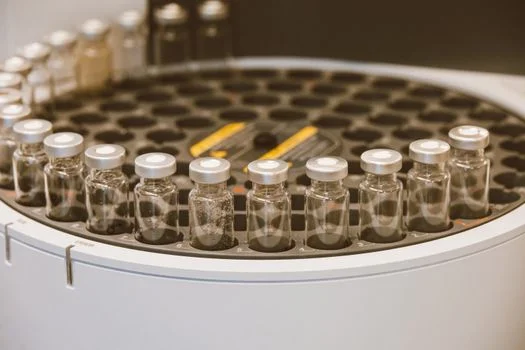
The Kahramaa TSE Standard 2026 represents one of the most rigorous water quality frameworks in the GCC. To ensure compliance, hospital facility managers must specify equipment capable of producing effluent with <10 mg/L BOD and <1 mg/L TSS. These limits are designed to prevent the clogging of high-efficiency drip irrigation systems and to minimize biological growth in cooling tower heat exchangers. The residual chlorine limit is capped at <0.1 mg/L to prevent phytotoxicity in landscaped areas, making ClO₂ or UV/Ozone disinfection more attractive than traditional gas chlorination.
Beyond standard parameters, the Ministry of Public Health (MoPH) is introducing antibiotic residue limits effective 2025. These include a ceiling of <0.1 µg/L for β-lactams and <0.5 µg/L for macrolides. Achieving these levels requires advanced antibiotic removal technologies for hospitals, such as resin adsorption or advanced oxidation processes (AOP). Sampling protocols are also becoming more frequent; the MoPH now requires monthly antibiotic residue testing via LC-MS/MS, which typically costs approximately QAR 1,200 per sample at accredited Doha laboratories.
| Parameter | Kahramaa TSE 2026 | MoPH 2025 (Antibiotics) | WHO 2024 (Agriculture) |
|---|---|---|---|
| BOD₅ (mg/L) | <10 | N/A | <20 |
| TSS (mg/L) | <1 | N/A | <10 |
| Fecal Coliforms (CFU/100mL) | <100 | N/A | <1,000 |
| β-lactams (µg/L) | N/A | <0.1 | N/A |
| Residual Chlorine (mg/L) | <0.1 | N/A | N/A |
Cost Comparison: MBR vs. DAF + ClO₂ vs. Integrated Package Plants
Capital Expenditure (CAPEX) for hospital wastewater systems in Qatar is heavily influenced by the required automation level and the choice of disinfection technology. An MBR system for a mid-to-large facility (50–200 m³/day) typically ranges from QAR 1.2M to 2.5M. While this is the highest initial investment, the Operational Expenditure (OPEX) is stabilized by lower sludge production. In Qatar, where landfill fees for industrial sludge are QAR 120/ton, the 30% reduction in sludge volume provided by MBR can save a facility upwards of QAR 40,000 annually in disposal costs.
DAF combined with Chlorine Dioxide offers a more budget-friendly CAPEX, ranging from QAR 700K to 1.5M. The OPEX is lower in terms of energy (0.3–0.5 kWh/m³) but includes the recurring cost of ClO₂ precursor chemicals, which averages QAR 0.2 per m³ of treated water. This system is highly effective for retrofitting existing hospitals where space is available for flotation tanks but the budget does not allow for a full membrane overhaul. For context, understanding how Bahrain’s hospital wastewater standards compare to Qatar’s can help regional EPC contractors standardize their procurement across the GCC, as both markets are moving toward high-efficiency disinfection models.
| Financial Metric | MBR System | DAF + ClO₂ | Integrated (WSZ) |
|---|---|---|---|
| CAPEX (QAR) | 1.2M – 2.5M | 700K – 1.5M | 400K – 900K |
| OPEX (QAR/m³) | 0.8 – 1.5 | 0.4 – 0.7 | 0.5 – 0.9 |
| Membrane/Consumable Life | 5–8 Years | N/A (Precursors) | 3–5 Years (Ozone) |
| Sludge Disposal Cost | Low | Moderate | Moderate |
Selecting the Right System: A Decision Framework for Qatari Hospitals
Choosing the correct wastewater system requires a balance between hydraulic load, available footprint, and long-term compliance goals. The first step is to assess the average and peak flow rates. Facilities generating less than 50 m³/day are almost always best served by integrated package plants due to their ease of installation and lower maintenance requirements. For larger facilities, the decision often hinges on footprint; MBR systems require 30% less space than a DAF-plus-clarifier configuration, making them the standard choice for urban Doha hospitals where land value is at a premium.
The second step involves evaluating the intended end-use of the treated water. If the hospital plans to use the effluent for cooling tower make-up water, the MBR is superior because it provides a physical barrier against Legionella and other pathogens. If the primary goal is simple discharge to the municipal sewer while meeting MoPH antibiotic limits, a DAF + ClO₂ system provides the necessary oxidation power at a lower CAPEX. Finally, budget sensitivity must be weighed against OPEX; while MBR has a higher upfront cost, its automated nature reduces the need for specialized on-site operators, which can be a significant cost driver in the Qatari labor market.
- Assess Flow Rate: <50 m³/day (Integrated);