A 10,000 m³/day wastewater treatment plant in Porto Alegre costs R$6M–R$65M in CAPEX, or R$60–R$650 per inhabitant equivalent. Conventional activated sludge averages R$120/inhabitant; MBR reaches R$450. OPEX runs R$0.80–R$2.50/m³.
Wastewater Treatment Plant Cost in Porto Alegre 2026: What Industrial Buyers Pay
A 10,000 m³/day plant needs R$6M–R$15M as conventional activated sludge, R$35M–R$65M as MBR, or R$3M–R$8M as an underground package plant. DAF pre-treatment adds R$2M–R$5M. OPEX spans R$0.70–R$1.92/m³ across technologies, with energy at R$0.50–R$1.20/m³ the largest line. CONAMA Resolution 430/2011 sets the discharge limits every design must meet.
Three variables explain most of the CAPEX range: treatment technology, site conditions, and consent stringency. The same 10,000 m³/day flow priced as conventional activated sludge or as MBR moves the budget by a factor of four to ten. Local labor, land, and SMAM permitting then layer a regional premium of 10–20% on top, as documented below.
Industrial wastewater treatment CAPEX in Porto Alegre is projected to increase by 15–25% by 2026 under tightening regulatory frameworks and rising local operating expenses. CONAMA Resolution 430/2011 and Porto Alegre's Municipal Decree 19.206/2020 impose stricter effluent limits, such as COD below 125 mg/L and TSS below 30 mg/L. Those limits push buyers toward advanced technologies that inherently need higher capital investment. The effect lands directly on the WWTP cost per inhabitant equivalent, because permitted systems must now go well beyond basic primary treatment.
Local labor costs have risen sharply, up 12% year-over-year from 2023, with skilled wastewater technicians commanding R$50–R$80/hour in 2026 versus R$45–R$70 in 2023 (HydropureWater field data, 2026). The surge can add R$500K–R$1.2M to construction budgets for a 10,000 m³/day industrial plant. Land in prime industrial zones such as Restinga and Navegantes now costs R$200–R$500/m². Brownfield buyers may also need R$100K–R$300K for soil testing or asbestos removal before any construction begins.
The permitting process through Porto Alegre's municipal environmental agency (SMAM) is a further cost driver, often taking 12–18 months for full approval and incurring R$50K–R$200K in fees. That schedule delays return on investment for new industrial projects. Detailed cost analysis therefore pays for itself early in any regional project. The same capex and opex discipline shapes our capex and opex breakdown for India, a useful benchmark when pricing Brazil against other emerging markets.
Industrial WWTP CAPEX Breakdown Brazil: Technology by Technology
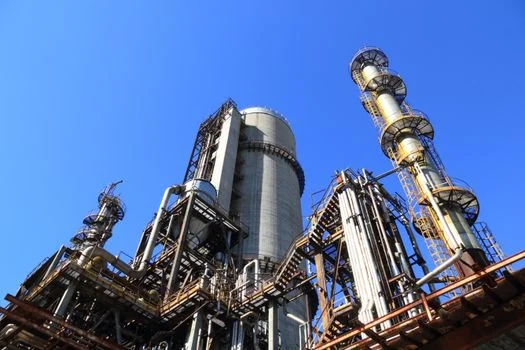
The initial capital expenditure for a wastewater treatment plant in Porto Alegre is set primarily by the chosen treatment technology, with variations of up to 10x between conventional and advanced systems. Conventional activated sludge (CAS) is the most budget-friendly option, typically R$60–R$150 per inhabitant equivalent, translating to R$6M–R$15M for a 100,000 PE plant. The largest CAS cost drivers are civil works for primary clarifiers and large aeration tanks, which require extensive concrete and excavation. According to the Wikipedia sewage treatment reference, primary sedimentation tanks alone remove about 50–70% of suspended solids and 25–40% of BOD, which is why CAS design leans so heavily on that inexpensive first stage.
Integrated MBR Membrane Bioreactor systems command R$350–R$650 per inhabitant equivalent (R$35M–R$65M for 100,000 PE). PVDF membrane modules at R$800–R$1,200/m² (HydropureWater supplier data, 2026) and the higher energy demand of membrane scouring explain most of the premium. In exchange, MBR plants deliver a smaller footprint and superior effluent quality. Model the compromise explicitly before committing, because membrane replacement cycles and power infrastructure both bite in year one and year eight alike.
MBR vs Activated Sludge Cost Porto Alegre: The Headline Gap
MBR CAPEX runs 3–4 times conventional activated sludge in Porto Alegre projects, and that gap rarely closes through energy savings alone. CAS achieves COD below 125 mg/L and TSS below 30 mg/L, which satisfies standard CONAMA 430/2011 discharge limits. MBR reaches near-reuse quality (COD below 50 mg/L, TSS below 1 mg/L) for the buyers who need it. The Wikipedia activated sludge reference notes surface-aerated basins "achieve 80 to 90% removal of BOD with retention times of 1 to 10 days" — a level that keeps CAS competitive where reuse is not required.
| Parameter | Conventional Activated Sludge | MBR |
|---|---|---|
| CAPEX (R$/inhabitant equivalent) | R$60–R$150 | R$350–R$650 |
| Energy (kWh/m³) | 0.4–0.6 | 0.8–1.2 |
| Typical effluent | COD <125 mg/L, TSS <30 mg/L | COD <50 mg/L, TSS <1 mg/L |
| Footprint | Baseline | Compact membrane tanks |
| Specialized staffing | Baseline | About 20% more |
DAF System Cost Industrial Wastewater Brazil: Pre-Treatment Economics
Dissolved Air Flotation systems, often used as pre-treatment for high-FOG or high-TSS industrial streams, add R$2M–R$5M to overall CAPEX. That investment cuts the treatment plant's footprint by 50% and can lower sludge disposal costs by 30% (R$0.20–R$0.40/kg for DAF sludge versus R$0.30–R$0.60/kg for CAS sludge). Contact cycles are short: the Wikipedia dissolved air flotation reference records that a circular unit "requires just 3 minutes" while a rectangular unit "requires 20 to 30 minutes". Those compact cycles make DAF the standard first stage ahead of biology in food, dairy, and oil-bearing streams.
Underground Package Plant Cost Porto Alegre: The Excavation Trade-Off
Underground package plants for space-constrained sites in Porto Alegre, such as the WSZ Series, cut civil costs by 40% (R$3M–R$8M for a 10,000 m³/day plant). The offset is deeper excavation at R$150–R$250/m³ in Porto Alegre, plus specialized waterproofing for the buried structure. Where land values in urban industrial areas run high, the trade-off still favors going below grade. Run both layouts through the same quotation before deciding, because the answer changes neighborhood by neighborhood.
| Treatment Process | 5,000 m³/day CAPEX (R$) | 10,000 m³/day CAPEX (R$) | Key Cost Drivers (Porto Alegre Specific) |
|---|---|---|---|
| Conventional Activated Sludge (CAS) | R$3M - R$7.5M | R$6M - R$15M | Large civil works for tanks, local concrete costs, excavation labor. |
| MBR System (Integrated MBR Membrane Bioreactor Wastewater Treatment System) | R$17.5M - R$32.5M | R$35M - R$65M | PVDF membrane modules, specialized installation labor, higher power infrastructure. |
| DAF System (Dissolved Air Flotation (DAF) System) | R$1M - R$2.5M (pre-treatment) | R$2M - R$5M (pre-treatment) | Pressure vessels, air compressors, chemical dosing systems, smaller footprint land savings. |
| Underground Package Plant (WSZ Series) | R$1.5M - R$4M | R$3M - R$8M | Deeper excavation (R$150-R$250/m³), specialized waterproofing, compact equipment. |
Five checks keep the CAPEX table honest at quotation stage:
- Quote flow and load together: two plants at the same m³/day sit far apart in CAPEX once FOG and TSS loads differ.
- Confirm membrane pricing early: PVDF modules at R$800–R$1,200/m² move the MBR row more than any other line.
- Price excavation per m³ locally: the R$150–R$250/m³ range is Porto Alegre-specific.
- Include pre-treatment separately: DAF adds R$2M–R$5M but protects the biology downstream.
- Check SMAM fees and timing: R$50K–R$200K and 12–18 months belong in the project cash-flow, not a footnote.
Wastewater Treatment OPEX per m³ Brazil: The Hidden Costs of Operation
Operational expenditure often outweighs CAPEX across the plant lifecycle, and energy plus chemicals dominate in Porto Alegre. Energy typically accounts for 40–60% of total OPEX, ranging from R$0.50–R$1.20/m³ of treated wastewater. MBR systems average 0.8–1.2 kWh/m³ for membrane aeration and permeate pumping, compared with 0.4–0.6 kWh/m³ for CAS. With Porto Alegre industrial electricity at R$0.70–R$0.90/kWh (HydropureWater field data, 2026), that gap compounds across every operating year of the asset.
Aeration efficiency sets the floor of the energy line. The Wikipedia activated sludge reference quotes surface aerators at an aeration efficiency of 0.5–1.5 kg O2/kWh, so blower and aerator selection moves OPEX more than tariff negotiation in most plants we review. For a deeper treatment of the energy requirement for cod removal in activated sludge, our companion analysis of resin-based COD removal details the kilowatt-hour side of that equation. Most food-sector plants we size settle at the low end of the CAS band once influent FOG is removed upstream.
Chemical costs contribute 20–30% of OPEX and vary considerably by process. CAS typically requires R$0.15–R$0.30/m³ for coagulants and flocculants in enhanced primary treatment or phosphorus removal. A DAF system for high-FOG industrial wastewater needs R$0.25–R$0.50/m³ for specialized polymers and pH adjusters, often managed by an automatic chemical dosing system. Dosage control matters as much as unit price: over-dosing polymer on a full-scale stream quietly erases the year's chemical savings.
Labor represents 15–20% of OPEX, with a 10,000 m³/day plant in Porto Alegre averaging R$80K–R$150K/year. MBR systems, given their advanced nature and membrane cleaning protocols, often require 20% more specialized staff for maintenance and monitoring. Sludge disposal is the other structural cost: fees run R$0.20–R$0.60/kg, and Porto Alegre landfill charges of R$120–R$200/ton (HydropureWater field data, 2026) can add R$50K–R$150K/year for a 10,000 m³/day plant. Efficient dewatering with a plate and frame filter press is therefore one of the fastest-payback additions available.
| OPEX Category | CAS (R$/m³) | MBR (R$/m³) | DAF (R$/m³) (pre-treatment) | Notes (Porto Alegre Specific) |
|---|---|---|---|---|
| Energy | R$0.30 - R$0.54 | R$0.56 - R$1.08 | R$0.20 - R$0.45 | Industrial electricity: R$0.70-R$0.90/kWh |
| Chemicals | R$0.15 - R$0.30 | R$0.10 - R$0.25 | R$0.25 - R$0.50 | Varies by influent quality and effluent targets |
| Labor | R$0.10 - R$0.20 | R$0.12 - R$0.24 | R$0.08 - R$0.15 | Skilled technicians: R$50-R$80/hour |
| Sludge Disposal | R$0.10 - R$0.30 | R$0.07 - R$0.20 | R$0.05 - R$0.15 | Landfill fees: R$120-R$200/ton |
| Maintenance & Other | R$0.05 - R$0.10 | R$0.08 - R$0.15 | R$0.04 - R$0.08 | Includes spare parts, minor repairs, insurance |
| Total OPEX Range | R$0.70 - R$1.44 | R$0.93 - R$1.92 | R$0.62 - R$1.33 | Per m³ of treated wastewater |
Porto Alegre-Specific Cost Drivers Buyers Overlook
Local factors in Porto Alegre can inflate wastewater treatment plant costs by 10–20% compared with other Brazilian metropolitan areas. Skilled wastewater technicians here earn R$50–R$80/hour, notably above the R$30–R$50/hour often observed in São Paulo (HydropureWater field data, 2026). The disparity adds R$500K–R$1.2M to construction budgets for a 10,000 m³/day plant, primarily through installation and commissioning labor.
Land acquisition in industrial zones like Restinga runs R$200–R$500/m², reflecting the city's dense urban development and strategic riverside location. Brownfield sites add R$100K–R$300K in environmental remediation — thorough soil testing and potential asbestos removal — before construction commences. SMAM approval takes 12–18 months on top of R$50K–R$200K in fees, which delays timelines and overall ROI. Experienced buyers therefore submit the environmental dossier alongside the technical design, not after it.
Porto Alegre's climate adds a corrosion premium buyers rarely budget. High humidity (70–90% RH) and temperature swings (10–35°C) increase equipment corrosion risk, favoring stainless steel or epoxy-coated components at a R$200K–R$500K premium for a 10,000 m³/day plant (HydropureWater engineering estimates, 2026). Modular or pre-fabricated treatment systems reduce on-site labor and shorten construction. Presenting a factory-tested solution can also streamline the SMAM review process. A two-day site walkthrough before contract signature routinely pays for itself: truck access for sludge removal, crane positioning for membrane installation, and power connection distances all move the final number more than buyers expect.
Choosing the Right Process: Budget and CONAMA 430/2011 Compliance
Process selection for industrial applications in Porto Alegre hinges on influent quality, CONAMA 430/2011 effluent limits, available footprint, and sludge management strategy. For high FOG (500–2,000 mg/L) or TSS (1,000–5,000 mg/L) streams, such as those from food processing plants, a DAF System excels at primary treatment, removing these contaminants before biological stages. For low-flow, high-COD (500–3,000 mg/L) wastewater requiring advanced treatment for direct discharge or reuse, an Integrated MBR Membrane Bioreactor Wastewater Treatment System is the preferred route. It reaches near-reuse effluent at COD < 50 mg/L and TSS < 1 mg/L, while costing 3–4 times more in CAPEX than CAS, which achieves COD < 125 mg/L and TSS < 30 mg/L.
Footprint constraints matter as much as effluent targets. An underground WSZ Series package plant can save up to 60% space compared with a conventional CAS build, making it ideal for urban industrial areas, though deeper excavation averages R$150–R$250/m³ in Porto Alegre. Sludge management shapes OPEX too: DAF reduces sludge volume by 30% versus CAS, directly lowering disposal costs (R$0.20–R$0.40/kg versus R$0.30–R$0.60/kg).
Decision Framework for Wastewater Treatment Process Selection:
- Is your influent high in FOG (>500 mg/L) or TSS (>1,000 mg/L)?
- Yes: Consider a DAF system as primary treatment.
- No: Proceed to next question.
- Do you need reuse-quality effluent (e.g., COD < 50 mg/L, TSS < 1 mg/L) or face very strict discharge limits?
- Yes: An MBR system is recommended.
- No: Proceed to next question.
- Is available land for the treatment plant severely limited?
- Yes: Explore an underground package plant (WSZ Series) or MBR for its compact footprint.
- No: Proceed to next question.
- Is CAPEX minimization the absolute highest priority, with less stringent effluent requirements (e.g., COD < 125 mg/L, TSS < 30 mg/L)?
- Yes: A Conventional Activated Sludge (CAS) system is likely the most cost-effective.
- No: Re-evaluate specific effluent targets and long-term OPEX for MBR or DAF solutions.
Who this guide serves: industrial buyers, EPC estimators, and municipal engineers pricing wastewater treatment plant projects in Porto Alegre and wider Rio Grande do Sul. Sites outside Brazil, or domestic-septic buyers, should look elsewhere. For a site-specific budget built on influent data and target effluent limits, request a quotation through our industrial wastewater treatment quotation page.
Frequently Asked Questions
What is the average payback period for a wastewater treatment plant in Porto Alegre?
The average payback period for an industrial plant in Porto Alegre is 5–10 years. The timeframe depends on initial CAPEX, the chosen technology's effect on OPEX, and avoidance of CONAMA 430/2011 fines. Plants that add water reuse or resource recovery — biogas from anaerobic digestion, for example — reach the faster end of that range.
How do I reduce CAPEX for a 10,000 m³/day plant in Porto Alegre?
Modular designs, pre-fabricated systems, or underground package plants cut civil construction costs by 30–40% and accelerate installation. Compact DAF or MBR units also shrink the land area you must buy at R$200–R$500/m². For cost-saving strategies in another emerging market, see our guide to industrial wastewater treatment in Gujarat.
What are the most cost-effective treatment processes for food processing wastewater in Porto Alegre?
Physical-chemical primary treatment followed by biology is the most cost-effective combination. A DAF System removes fats, oils, grease, and suspended solids first, cutting the organic load on downstream biology. Anaerobic digestion of that removed FOG and organic matter can trim OPEX by 20–30% through biogas. The approach mirrors food processing wastewater treatment in Vietnam practice under similar constraints.
How do Porto Alegre's wastewater treatment costs compare to São Paulo or Rio de Janeiro?
Porto Alegre runs 10–20% higher than São Paulo or Rio de Janeiro, driven by labor at R$50–R$80/hour versus R$30–R$50/hour and costlier industrial land. Permitting here can be 30% faster than in other major Brazilian cities, which partially offsets the premium by improving ROI timing. For an international comparison, see Portugal's wastewater treatment market.
What financing options are available for industrial wastewater plants in Porto Alegre?
The Brazilian Development Bank (BNDES) offers long-term loans for environmental and infrastructure projects at roughly 6–10% per annum. Municipal grants sometimes support water-reuse or sustainability-focused projects. Leasing is also common for high-CAPEX equipment such as MBR systems, letting companies spread the investment over several years.
How long does SMAM environmental permitting take in Porto Alegre?
SMAM permitting typically takes 12–18 months for full approval of an industrial treatment plant. Fees run R$50K–R$200K depending on project complexity and receiving-water classification. Building that schedule into the project cash-flow avoids a false start on construction contracts.