Jazan Wastewater Treatment Plant Cost 2026: CAPEX, OPEX & Tech-Specific Breakdown for Industrial Buyers
In Jazan, wastewater treatment plant costs in 2026 range from $1.2M for a 1 MLD conventional ETP to $15M for a 40 MLD MBR system meeting Aramco’s reuse standards (<10 mg/L TSS, <5 mg/L BOD). OPEX varies from $0.40/m³ for conventional systems to $1.20/m³ for advanced MBR/RO setups, driven by Jazan’s high TDS (1,200–3,500 mg/L) and temperatures (35–45°C). This guide breaks down CAPEX/OPEX by technology, capacity, and compliance requirements to help industrial buyers select the optimal system for their effluent profile and reuse goals.
Why Jazan’s Wastewater Treatment Costs Are Higher Than Global Averages
Jazan’s industrial wastewater profile typically presents total dissolved solids (TDS) concentrations ranging from 1,200–3,500 mg/L, significantly higher than the global industrial average of 500–1,500 mg/L. These elevated TDS levels, combined with influent temperatures consistently between 35–45°C and high concentrations of fats, oils, and grease (FOG) from petrochemical and refining operations, necessitate highly robust and specialized treatment processes (HydropureWater field data, 2025). Aramco’s stringent reuse standards for industrial water, requiring effluent quality of <10 mg/L TSS, <5 mg/L BOD, and <1 mg/L oil & grease, are considerably stricter than the National Water Company (NWC) municipal discharge limits of <30 mg/L TSS and <20 mg/L BOD. For instance, a Jazan refinery successfully reduced its wastewater TDS from 3,200 mg/L to below 500 mg/L by integrating an advanced ETP with a reverse osmosis (RO) system. This integration added approximately 15–25% to the CAPEX but was essential for meeting reuse targets and avoiding penalties associated with non-compliance. Influent temperatures between 35–45°C accelerate biological degradation processes but also necessitate heat-resistant membranes, such as PVDF, or integrated cooling towers, adding an estimated $200K–$500K to the CAPEX for systems 10 MLD and larger. FOG concentrations common in petrochemical and refining effluents can quickly clog conventional biological treatment systems. Therefore, Dissolved Air Flotation (DAF) pretreatment is often mandatory for achieving over 95% FOG removal, contributing an additional $0.50–$0.70/m³ to the OPEX due to increased chemical dosing and sludge handling requirements.
Wastewater Treatment Plant Cost Breakdown: CAPEX by Technology and Capacity
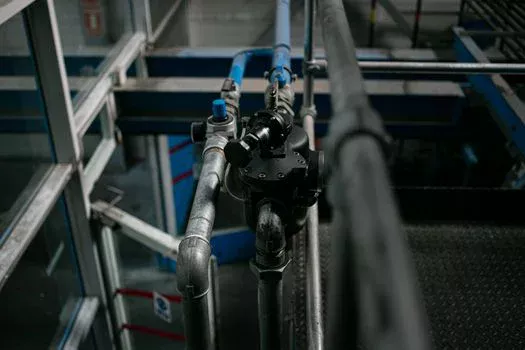
Accurate budgeting for wastewater treatment in Jazan requires a granular understanding of Capital Expenditure (CAPEX) across different technologies and plant capacities. The following table provides estimated CAPEX ranges for various configurations, from 1 MLD to 40 MLD, illustrating the significant investment differences driven by technological sophistication and compliance demands.
| Technology | Capacity (MLD) | Estimated CAPEX ($M) | Key Features |
|---|---|---|---|
| Conventional ETP | 1 | 1.2 - 1.8 | 90% TSS removal, <30 mg/L BOD |
| Conventional ETP | 5 | 2.0 - 3.0 | 90% TSS removal, <30 mg/L BOD |
| Conventional ETP | 10 | 2.5 - 3.5 | 90% TSS removal, <30 mg/L BOD |
| MBR Integrated System | 1 | 1.8 - 2.5 | 99% TSS removal, <5 mg/L BOD, <1 μm filtration |
| MBR Integrated System | 5 | 3.0 - 4.5 | 99% TSS removal, <5 mg/L BOD, <1 μm filtration |
| MBR Integrated System | 10 | 3.5 - 5.0 | 99% TSS removal, <5 mg/L BOD, <1 μm filtration |
| DAF + ETP | 10 | 3.0 - 4.2 | DAF ($0.8M-$1.5M), ETP ($2.2M-$2.7M); >95% FOG removal, <20 mg/L BOD |
| MBR + RO | 10 | 5.0 - 7.0 | MBR ($3.5M-$5.0M), RO ($1.5M-$2.0M); <10 mg/L TDS, <1 mg/L TSS, <1 mg/L BOD |
| MBR Integrated System | 40 | 12.0 - 15.0 | 99% TSS removal, <5 mg/L BOD, <1 μm filtration |
MBR (Membrane Bioreactor) systems typically exhibit a CAPEX 30% higher than conventional ETPs due to the integrated membrane modules and advanced automation. However, this cost is offset by the elimination of secondary clarifiers, saving approximately $100K–$300K in footprint and civil works for plants of 10 MLD and above. For facilities dealing with high FOG content, such as petrochemical plants, a DAF pretreatment stage followed by an ETP is a common configuration. The DAF component alone can range from $200K to $800K for a 10 MLD system, with the ETP adding another $800K to $2.5M. When influent TDS exceeds 2,000 mg/L, an RO add-on becomes essential for achieving reuse standards or stringent discharge limits. This RO stage can add $500K to $2M in CAPEX for a 10 MLD plant, with a corresponding increase in OPEX.
OPEX Costs in Jazan: How Influent Quality and Reuse Goals Drive Expenses
Operational Expenditure (OPEX) in Jazan's wastewater treatment sector is heavily influenced by influent characteristics, energy consumption, chemical usage, and the desired effluent quality for discharge or reuse. Understanding these drivers is crucial for long-term financial planning.
| Technology | Estimated OPEX ($/m³) | Key Drivers | Notes |
|---|---|---|---|
| Conventional ETP | 0.40 - 0.60 | Energy for aeration, sludge handling | Meets NWC discharge limits (<30 mg/L TSS, <20 mg/L BOD) |
| MBR Integrated System | 0.60 - 0.90 | Energy for membrane aeration/pumping, membrane replacement | Meets Aramco reuse standards (<10 mg/L TSS, <5 mg/L BOD) |
| DAF + ETP | 0.70 - 1.00 | Chemicals (coagulants, flocculants), polymer dosing, sludge disposal | Essential for FOG >200 mg/L |
| MBR + RO | 1.00 - 1.20 | RO membrane cleaning/replacement, high-pressure pumping energy, antiscalants | Required for TDS >2,000 mg/L or near-zero discharge |
For influent streams with TDS exceeding 2,000 mg/L, the integration of RO pretreatment significantly increases OPEX by 20–40% due to the energy demands of high-pressure pumps, chemical costs for antiscalants, and eventual membrane replacement. Petrochemical and refining effluents with high FOG content can double the OPEX of a DAF system, pushing it to $0.50–$0.70/m³, compared to $0.25–$0.40/m³ for municipal applications. This is driven by higher polymer dosing requirements for effective flocculation and increased sludge volume requiring disposal. Meeting Aramco’s stringent reuse standards, particularly the <1 mg/L oil & grease limit, often necessitates tertiary filtration like sand filters or multimedia filters, adding an additional $0.10–$0.15/m³ to OPEX. Advanced chemical dosing systems, such as those for heavy metal precipitation, can also contribute significantly to OPEX, requiring specialized automatic chemical dosing systems. Membrane replacement in MBR systems, typically every 5–7 years in Jazan’s conditions, is a substantial maintenance cost, but it is factored into the overall OPEX range. Tertiary polishing steps, like those using a plate and frame filter press for sludge dewatering, also incur ongoing operational costs.
Compliance Standards in Jazan: Aramco vs NWC vs Industrial Discharge Limits
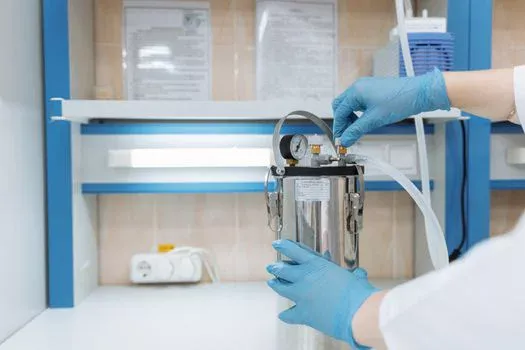
Navigating Jazan’s regulatory landscape is paramount for any industrial facility. Compliance standards vary significantly between reuse requirements, national discharge limits, and specific industrial sector regulations, directly impacting technology selection and operational costs.
| Parameter | Aramco Reuse Limits | NWC Discharge Limits | Industrial Discharge Limits (e.g., SAFCO) | Notes |
|---|---|---|---|---|
| TSS (mg/L) | <10 | <30 | <15 | MBR mandatory for Aramco reuse |
| BOD (mg/L) | <5 | <20 | <10 | Aramco requires advanced biological or tertiary treatment |
| COD (mg/L) | <20 | <50 | <30 | Indicative; depends on specific industrial codes |
| Oil & Grease (mg/L) | <1 | <10 | <5 | DAF and tertiary filtration often required |
| pH | 6.0 - 9.0 | 6.0 - 9.0 | 6.0 - 9.0 | Standard range |
| TDS (mg/L) | <500 (for certain uses) | <1,000 | <750 | RO required for strict reuse; high Jazan TDS is a key challenge |
| Heavy Metals (e.g., Cr) | <0.05 | <0.5 | <0.1 | Chemical precipitation or specialized treatment needed |
Aramco’s reuse standards are exceptionally stringent, demanding effluent quality that conventional ETPs, typically achieving 30–50 mg/L TSS, cannot meet. MBR systems, with their microfiltration capabilities (<1 μm), are the only practical solution for achieving the <10 mg/L TSS and <5 mg/L BOD required for water reuse in critical applications. While conventional ETPs can satisfy NWC’s <20 mg/L BOD limit, Aramco’s <5 mg/L BOD requirement often necessitates further polishing steps. Industrial facilities, particularly those in the petrochemical sector, must also adhere to specific limits for heavy metals, such as chromium (<0.1 mg/L). Meeting these can add $0.30–$0.50/m³ to OPEX through chemical precipitation processes, or require advanced technologies like evaporation crystallization for heavy metal removal.
Technology Selection Matrix: Which System Fits Your Jazan Facility?
Selecting the right wastewater treatment technology in Jazan is a complex decision driven by influent characteristics, required effluent quality, plant capacity, and budget. This matrix provides a framework to guide procurement managers and engineers.
| Influent Profile | Capacity (MLD) | Compliance Goal | Recommended Technology | Estimated CAPEX ($M) | Estimated OPEX ($/m³) | Notes |
|---|---|---|---|---|---|---|
| Municipal / Domestic | 5 - 20 | NWC Discharge | Conventional ETP + Sand Filtration | 2.0 - 3.5 | 0.45 - 0.65 | Cost-effective for standard discharge limits |
| Petrochemical / Refinery | 10 - 40 | Aramco Reuse | DAF + MBR + RO | 5.0 - 15.0 | 1.00 - 1.20 | Essential for high FOG, TDS, and stringent reuse standards |
| Hospital | 1 - 5 | Aramco Reuse / Strict Discharge | MBR + Ozone Disinfection | 2.0 - 3.0 | 0.70 - 0.90 | 99%+ pathogen kill rate; critical for pharmaceutical removal |
| Food Processing | 5 - 10 | NWC Discharge / Reuse | DAF + Conventional ETP | 3.0 - 4.5 | 0.60 - 0.80 | Effective for high BOD and FOG from food waste |
| Industrial (General) | 5 - 20 | Industrial Discharge | Conventional ETP + Tertiary | 2.5 - 4.0 | 0.55 - 0.75 | Tailored tertiary treatment based on specific contaminants |
For hospitals in Jazan, meeting stringent discharge or reuse standards for pharmaceuticals and MDR bacteria requires MBR systems combined with advanced disinfection like ozonation. While the CAPEX is higher (e.g., $2M for a 5 MLD system), the treatment efficacy is non-negotiable. Municipal wastewater treatment plants serving Jazan's growing population, often managed by NWC, can efficiently utilize conventional ETPs with tertiary sand filtration to meet <30 mg/L TSS discharge limits, offering significant CAPEX savings of $1M–$3M compared to MBR solutions. Petrochemical facilities requiring high-quality reuse water for processes or irrigation will almost certainly need a DAF pretreatment stage for FOG removal, followed by an MBR for solids and biological contaminant removal, and an RO system to address high TDS. This multi-barrier approach, while costly upfront, ensures compliance and maximizes water recycling opportunities.
5-Year TCO Model: MBR vs Conventional ETP vs DAF + ETP for a 10 MLD Plant
To make informed procurement decisions, it is essential to consider the Total Cost of Ownership (TCO) over a typical plant lifespan, rather than solely focusing on initial CAPEX. This model compares three common scenarios for a 10 MLD plant over five years, assuming a wastewater influent typical of mixed industrial discharge in Jazan.
| Year | CAPEX | OPEX ($/m³) | Annual OPEX (10 MLD) | Maintenance & Spares | MBR Membrane Replacement | Total Annual Cost | Cumulative TCO |
|---|---|---|---|---|---|---|---|
| Year 1 | $3.5M (MBR) | $0.80 | $2,920,000 | $150,000 | - | $3,220,000 (MBR) | $6,720,000 (MBR) |
| $2.5M (Conv. ETP) | $0.50 | $1,825,000 | $100,000 | - | $1,925,000 (Conv. ETP) | $4,425,000 (Conv. ETP) | |
| $3.0M (DAF+ETP) | $0.60 | $2,190,000 | $120,000 | - | $2,310,000 (DAF+ETP) | $5,310,000 (DAF+ETP) | |
| Year 2 | - | $0.80 | $2,920,000 | $150,000 | - | $3,070,000 (MBR) | $9,790,000 (MBR) |
| - | $0.50 | $1,825,000 | $100,000 | - | $1,925,000 (Conv. ETP) | $6,350,000 (Conv. ETP) | |
| - | $0.60 | $2,190,000 | $120,000 | - | $2,310,000 (DAF+ETP) | $7,620,000 (DAF+ETP) | |
| Year 3 | - | $0.80 | $2,920,000 | $150,000 | - | $3,070,000 (MBR) | $12,860,000 (MBR) |
| - | $0.50 | $1,825,000 | $100,000 | - | $1,925,000 (Conv. ETP) | $8,275,000 (Conv. ETP) | |
| - | $0.60 | $2,190,000 | $120,000 | - | $2,310,000 (DAF+ETP) | $9,930,000 (DAF+ETP) | |
| Year 4 | - | $0.80 | $2,920,000 | $150,000 | - | $3,070,000 (MBR) | $15,930,000 (MBR) |
| - | $0.50 | $1,825,000 | $100,000 | - | $1,925,000 (Conv. ETP) | $10,200,000 (Conv. ETP) | |
| - | $0.60 | $2,190,000 | $120,000 | - | $2,310,000 (DAF+ETP) | $12,240,000 (DAF+ETP) | |
| Year 5 | - | $0.80 | $2,920,000 | $150,000 | $200,000 (Membrane Replacement) | $3,270,000 (MBR) | $19,200,000 (MBR) |
| - | $0.50 | $1,825,000 | $100,000 | - | $1,925,000 (Conv. ETP) | $12,125,000 (Conv. ETP) | |
| - | $0.60 | $2,190,000 | $120,000 | - | $2,310,000 (DAF+ETP) | $14,550,000 (DAF+ETP) |
The TCO model highlights that while MBR systems have a higher initial CAPEX ($3.5M vs $2.5M for Conventional ETP and $3.0M for DAF+ETP for a 10 MLD plant), their superior effluent quality and reduced sludge production can lead to long-term economic advantages, especially when reuse water savings are factored in. For instance, the 99% TSS removal in MBR systems significantly reduces the volume and cost of sludge disposal compared to conventional ETPs, offsetting some of the higher OPEX. The inclusion of a $200K membrane replacement cost in Year 5 for the MBR system is a significant one-time expense, but over a longer plant lifecycle (15-20 years), the TCO can become more competitive, particularly for facilities aiming for high-quality water reuse. Projects requiring Aramco-level reuse water can recoup the higher MBR investment faster by reducing reliance on expensive desalinated water, which can cost upwards of $1.20/m³.
Frequently Asked Questions
What is the typical CAPEX difference between MBR and conventional ETP in Jazan for a 10 MLD plant?
MBR systems typically have a 30% higher upfront CAPEX, around $3.5M for a 10 MLD plant, compared to a conventional ETP at approximately $2.5M. This is due to the integrated membrane modules and advanced automation in MBR technology.
How does Jazan's high TDS impact wastewater treatment costs?
Jazan’s TDS levels of 1,200–3,500 mg/L significantly increase costs, especially for reuse applications. RO pretreatment, necessary for TDS reduction, adds 15–25% to CAPEX and $0.20–$0.40/m³ to OPEX due to energy and membrane replacement.
What are Aramco's key wastewater reuse standards for Jazan facilities?
Aramco's standards are stringent, requiring effluent quality of less than 10 mg/L TSS, 5 mg/L BOD, and 1 mg/L oil & grease. These necessitate advanced technologies like MBR and tertiary filtration.
What is the expected lifespan of MBR membranes in Jazan's climate?
MBR membranes typically last 5–7 years in Jazan's high-TDS and high-temperature conditions. Regular annual cleaning and maintenance are crucial to prevent fouling and maximize lifespan.
Is DAF pretreatment always necessary for industrial facilities in Jazan?
DAF pretreatment is highly recommended and often mandatory for facilities with high FOG concentrations, such as petrochemical plants and refineries, to prevent clogging of downstream biological treatment processes and meet oil & grease discharge limits.